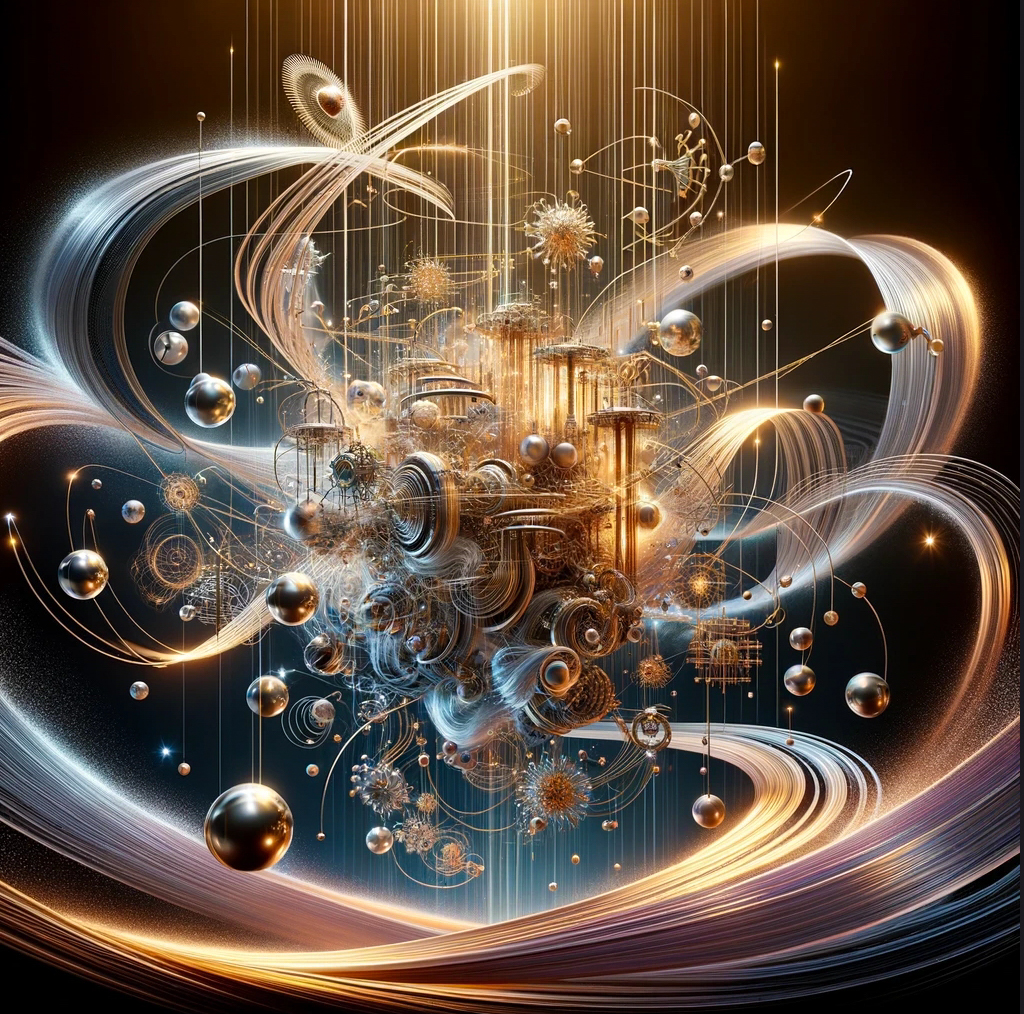
Generative AI holograms must be inevitable.
More than this: it will eventually be possible, perhaps and almost purely as a software and simultaneous optics engineering enterprise, to have holograms target specific audience members. On a software level, machine intelligence and the long tail of data we all inadvertently cultivate by simply existing will lead to custom spectacles, adaptively self-tuning in real-time and aimed at what is most probably going to engage and sustain attention in a specific individual.
On an optical level, I am no physicist but I suspect that there will be ways to project multiple variations of an image on the same signal by precisely manipulating frequencies; working with constructive and destructive interference such that overall representational structure of holograms can be selectively targeted – again in real-time.
So, spontaneously customisable visual interface, directional vectoring of signals. Add a little next generation artificial intelligence in the background, a similarly next generation ultra-low latency network and throw in an as-yet-not-quite-here general purpose quantum computer as compositional architect for all of this and you have the next few years of remote educational experience.
The concept generalises to advertising and even individualised campaigns of cyber intrusion. That’s the long dark tail of an otherwise fascinating future.
 Daedelus Kite