Exploring how relation and difference generate the structures we experience as reality.
Civilisations persist by continually reorganising themselves. The unanswered question is whether conflict, crisis and systemic collapse/renewal remain the principal means through which that persistence is achieved.
A healthy society expects children to become adults. An unhealthy one encourages adults to remain immature.
The technological system cannot perceive its full costs because that blindness is one of the conditions of its success.
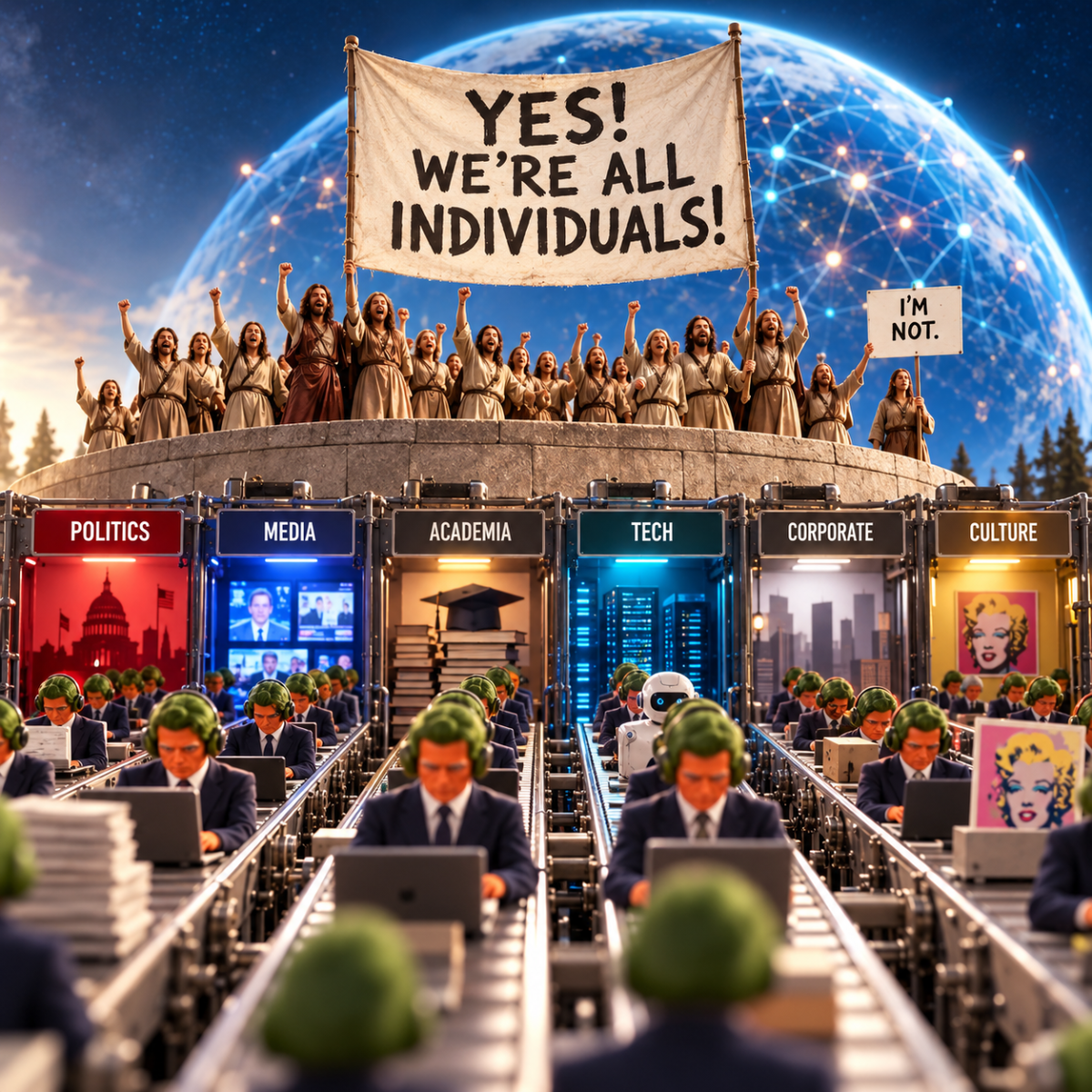
The most important pattern in modern society is the one almost nobody is looking for.
Political absurdity generates the volatility through which technology acquires influence, while technology increasingly reproduces the conditions that keep political absurdity alive.
We no longer simply use technology, we now continuously rebuild ourselves and our lives into forms it can recognise, predict and sell.
Can the relationships supporting ordinary life continue to reproduce themselves under increasingly rapid change?
What sustains the dynamical relations from which persistent structures emerge?
Technology and conflict do not simply cause one another; they emerge from the same relational mechanism, where volatility, advantage, fear, and opportunity make their mutual reproduction increasingly probable.
Technology does not merely change the world. It changes the conditions under which future technologies arrive and thrive.
Loneliness becomes a market when technology makes itself the bridge between people.