The logic of geopolitical escalation.
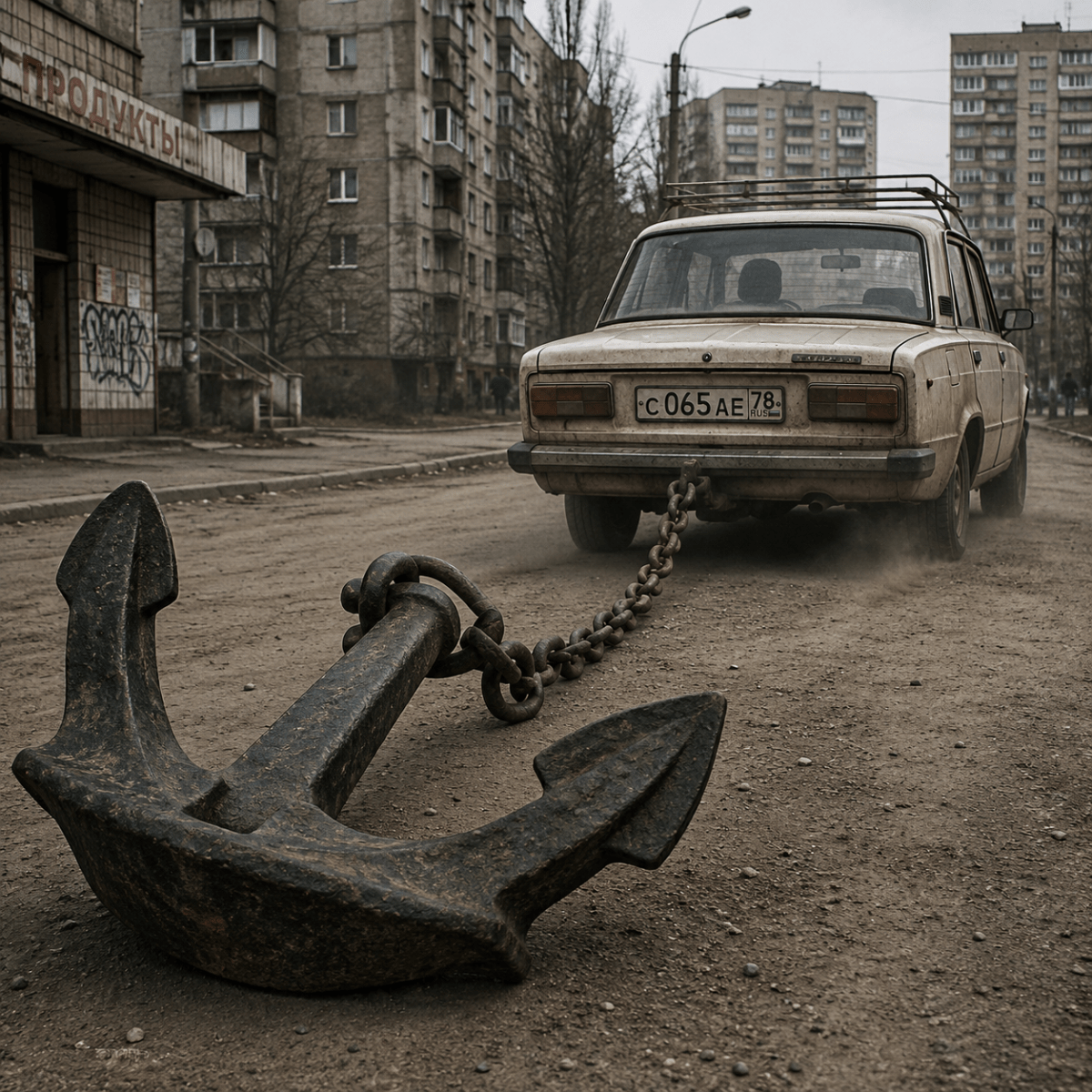
Most systems adapt to survive. Some adapt to the disturbance itself. Over time, the threat, the grievance, the enemy, or the emergency ceases to be something resisted and becomes something required. The system learns to feed on the very condition it claims to oppose. Peace becomes destabilising because the conflict has become the architecture of order.
This is why some governments, institutions, movements, and even individuals appear incapable of solving the problems that define them. Resolution would dissolve the identities, loyalties, hierarchies, and privileges built around perpetual crisis. Every success quietly undermines the justification for the next assertion of power. Every genuine reconciliation threatens those whose influence depends upon division. The struggle must therefore continue—not always by design, but because the system has reorganised itself around its continuation.
Russia’s pressure on Poland, NATO, and Europe appears less like strategic necessity than a dangerous dependence on confrontation: not open war with NATO, but enough hybrid escalation to keep threat alive, discipline domestic politics, and prevent the regime from having to justify itself without permanent siege. Venezuela’s revival of the Essequibo dispute with Guyana began as a weakened authoritarian government reaching for territorial nationalism under domestic pressure*. Israel under Benjamin Netanyahu must be handled carefully, but even Joe Biden publicly suggested the Gaza war may have been prolonged for political reasons. In each case, conflict does not merely express power. It preserves the conditions under which power can still explain itself.
The pattern is older than any nation and larger than any ideology. Empires, religions, corporations, bureaucracies, political parties, media ecosystems, and revolutionary movements have all become dependent upon the conditions that originally called them into existence. The names change. The flags change. The slogans change. The underlying structure scarcely does. Every generation convinces itself that its conflict is unique while faithfully reproducing one of civilisation’s oldest habits.
That is pathological homeostasis: a condition in which survival becomes dependent upon preserving the source of instability. It is among the most dangerous political diseases because it masquerades as strength. It rewards escalation over resolution, outrage over understanding, loyalty over truth, and permanent mobilisation over genuine progress. A society caught in this condition does not merely fail to escape conflict. It forgets that peace was ever the purpose.
*After (2026) U.S. intervention in Venezuela, the dispute also became entangled with sovereignty, regime legitimacy, and the wider destabilisation of regional order.

