If someone is incorrect, you should still read, listen or try to comprehend their belief. Not to refute them, but to understand the architecture of their error. Falsehood is not random. It has shape, lineage, motive, inheritance. Every mistaken claim is a footprint left by a system trying to stabilise itself under pressure. To read […]
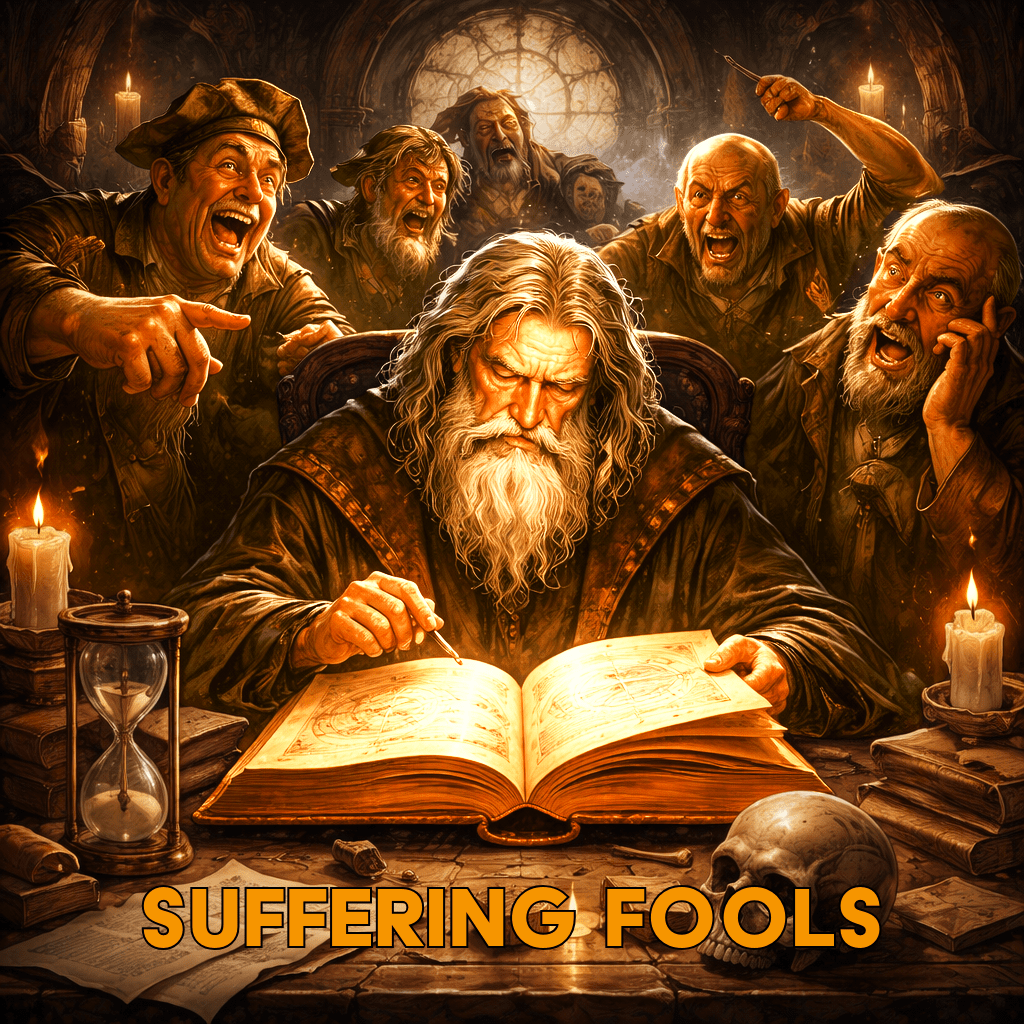
- Tags cognitive bias, critical analysis, critical philosophy, critical thinking, dialectical thinking, epistemic responsibility, Epistemology, ideas and beliefs, intellectual humility, intellectual rigor, knowledge formation, learning from mistakes, logic and reasoning, logic of error, mental models, philosophical inquiry, philosophical reflection, philosophy of knowledge, philosophy of truth, reading opposing views, reasoning and evidence, reflective thinking, systems philosophy, systems thinking, thinking skills, truth and falsehood, truth seeking, understanding disagreement, understanding error
 Daedelus Kite