Captain Fractal examines how political identities, media algorithms and institutional resistance to change reproduce conflict and instability.
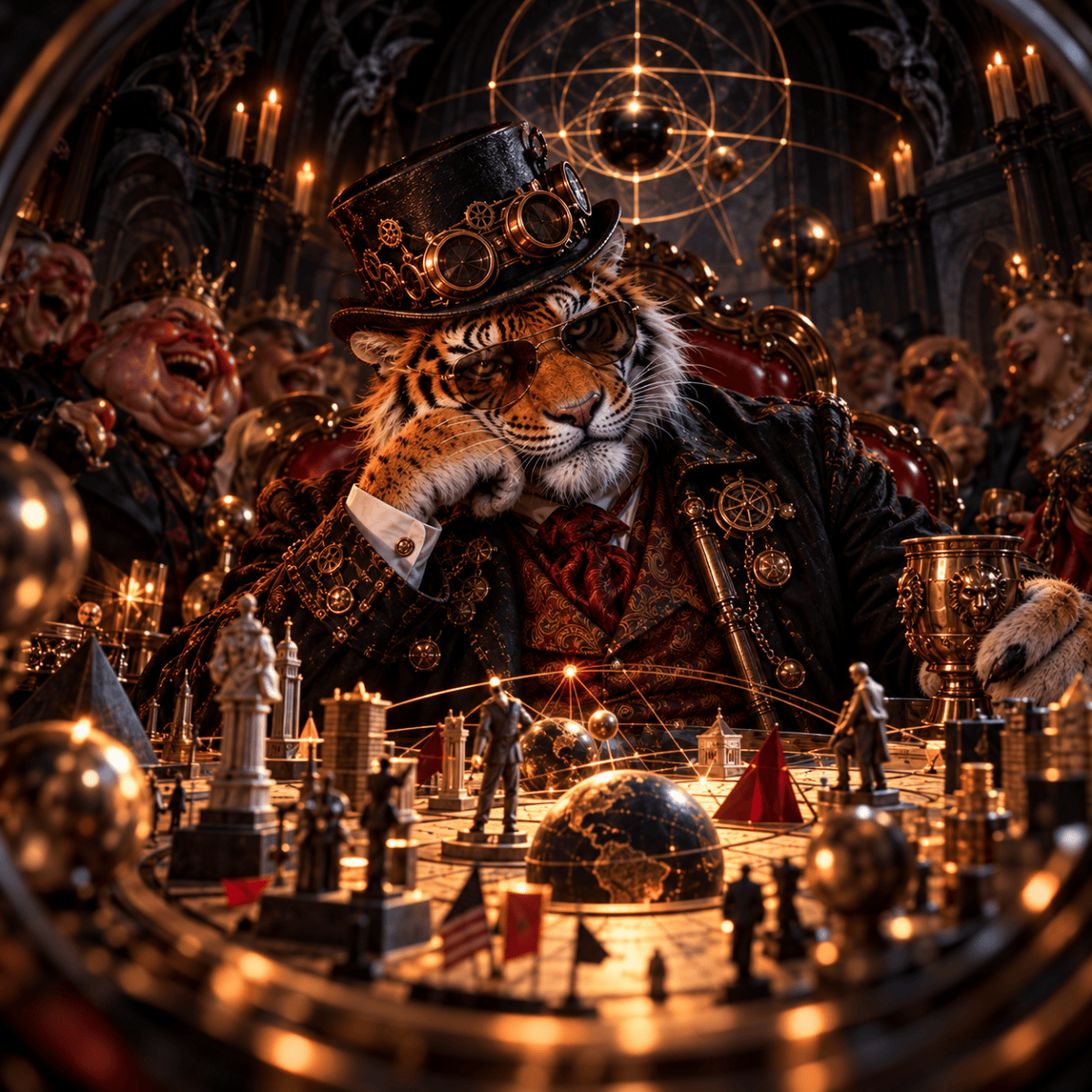
Captain Fractal examines how political identities, media algorithms and institutional resistance to change reproduce conflict and instability.

Over coffee, Captain Fractal considers a civilisation whose communication systems increasingly reward the behaviours that undermine its survival. The machinery isn’t broken. That’s the problem.
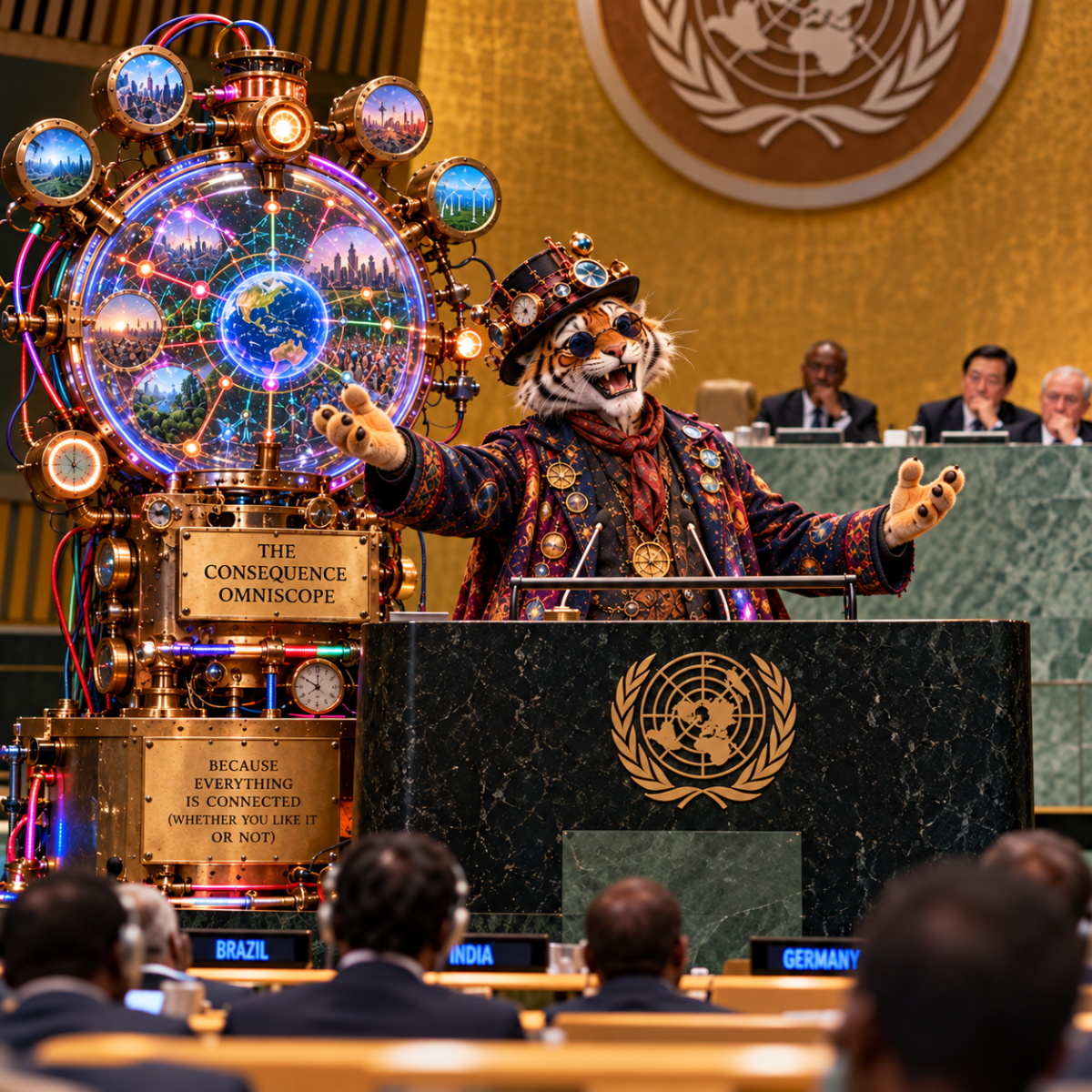
When humanity finally runs out of idiots to put in charge, it turns to Captain Fractal. Armed with decades of systems thinking, a ridiculous hat and a dangerous understanding of consequences, he sets about un-fucking civilisation.
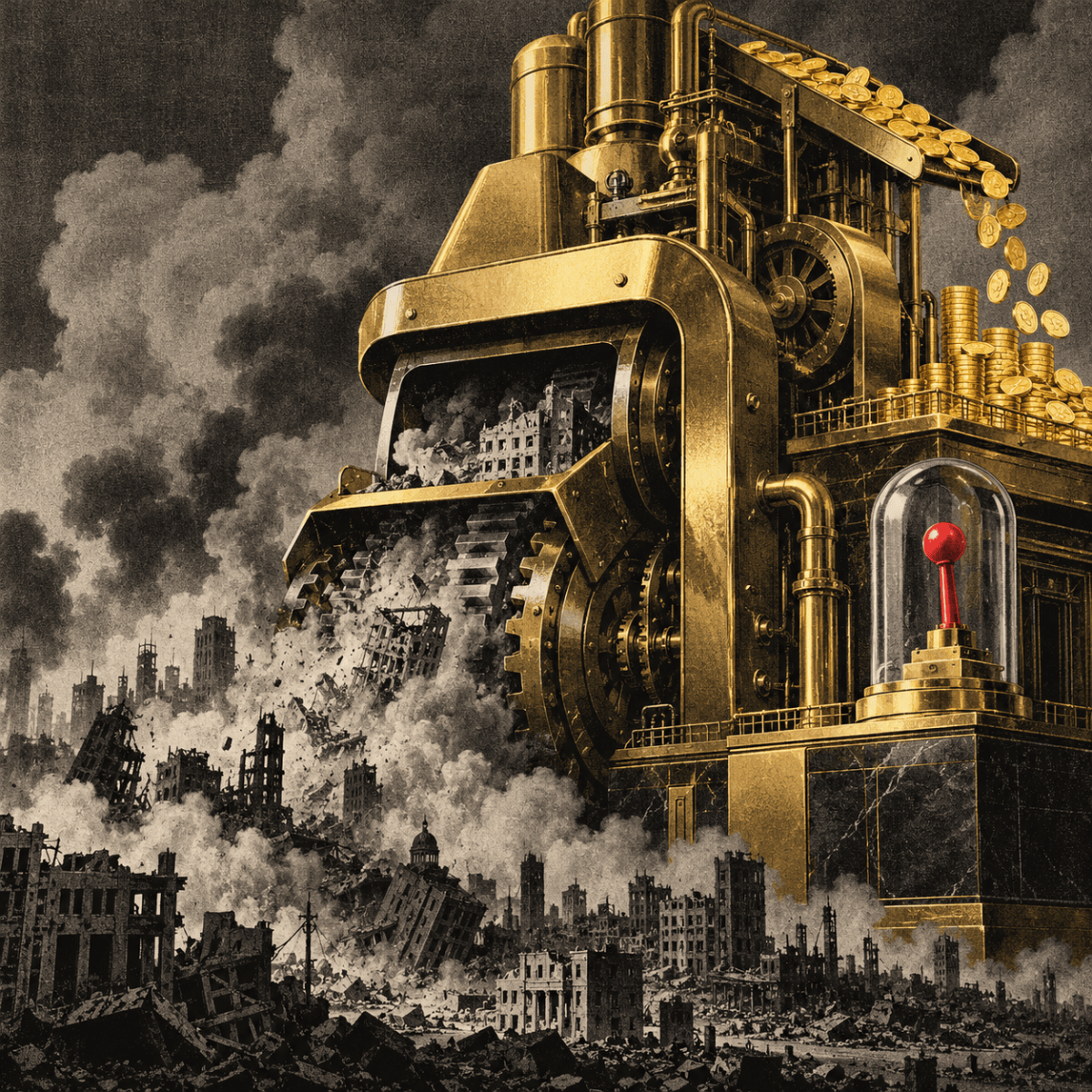
Civilisation has made its own destruction so profitable that its survival now constitutes a threat to the economy.
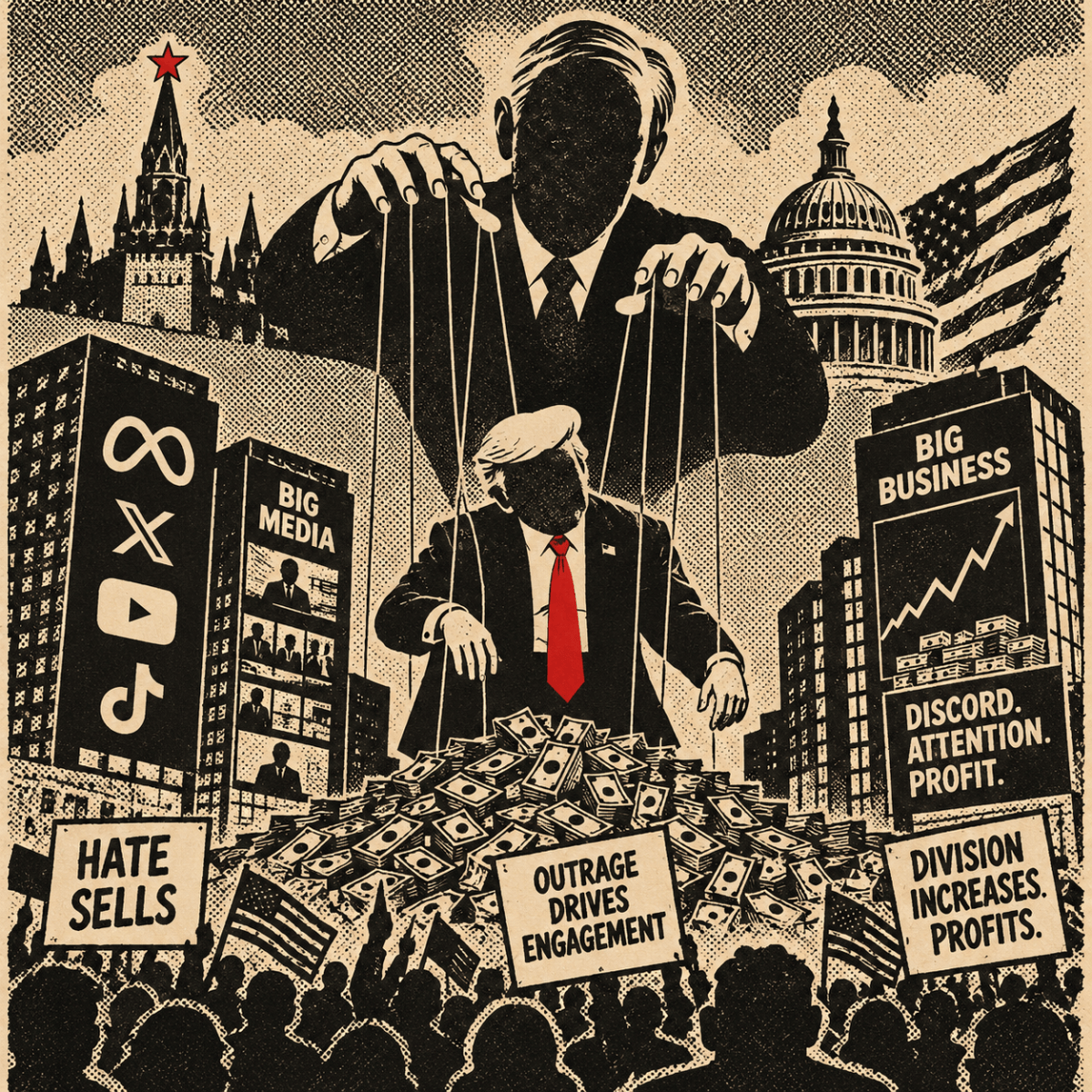
The Soviet Union collapsed, capitalism declared victory, and everyone went shopping. Now political instability is a profitable industry, foreign adversaries exploit the machinery, and the race to the bottom has become self-financing.
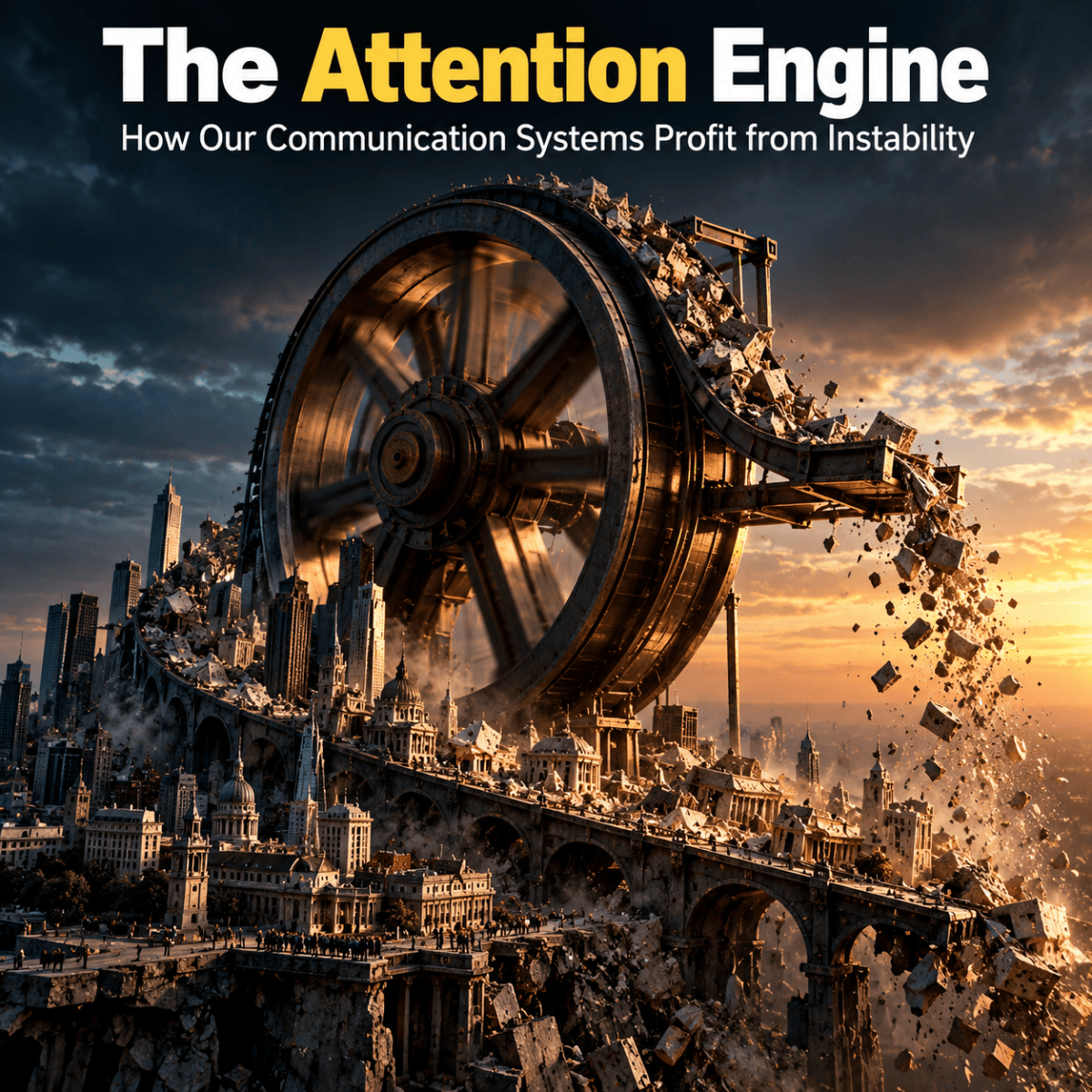
Civilisations have collapsed before. What distinguishes ours is a communications economy that profits from accelerating the disturbances society must then struggle to absorb. The danger lies in a recursive feedback system that rewards instability while transferring its consequences to everyone else.
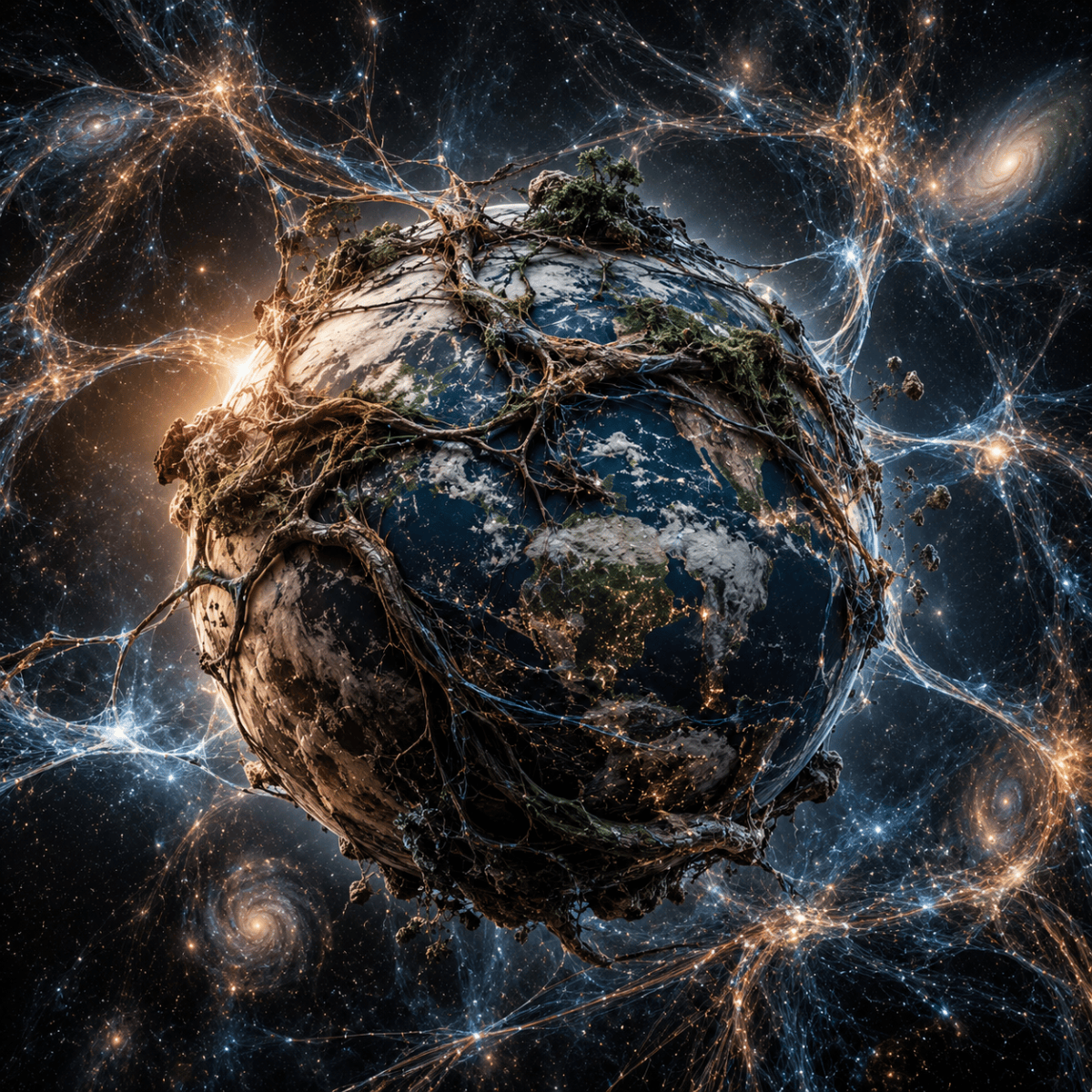
From social media and human psychology to Gaia and cosmic self-regulation, an exploration of identity, feedback, emergence and the illusion of control.
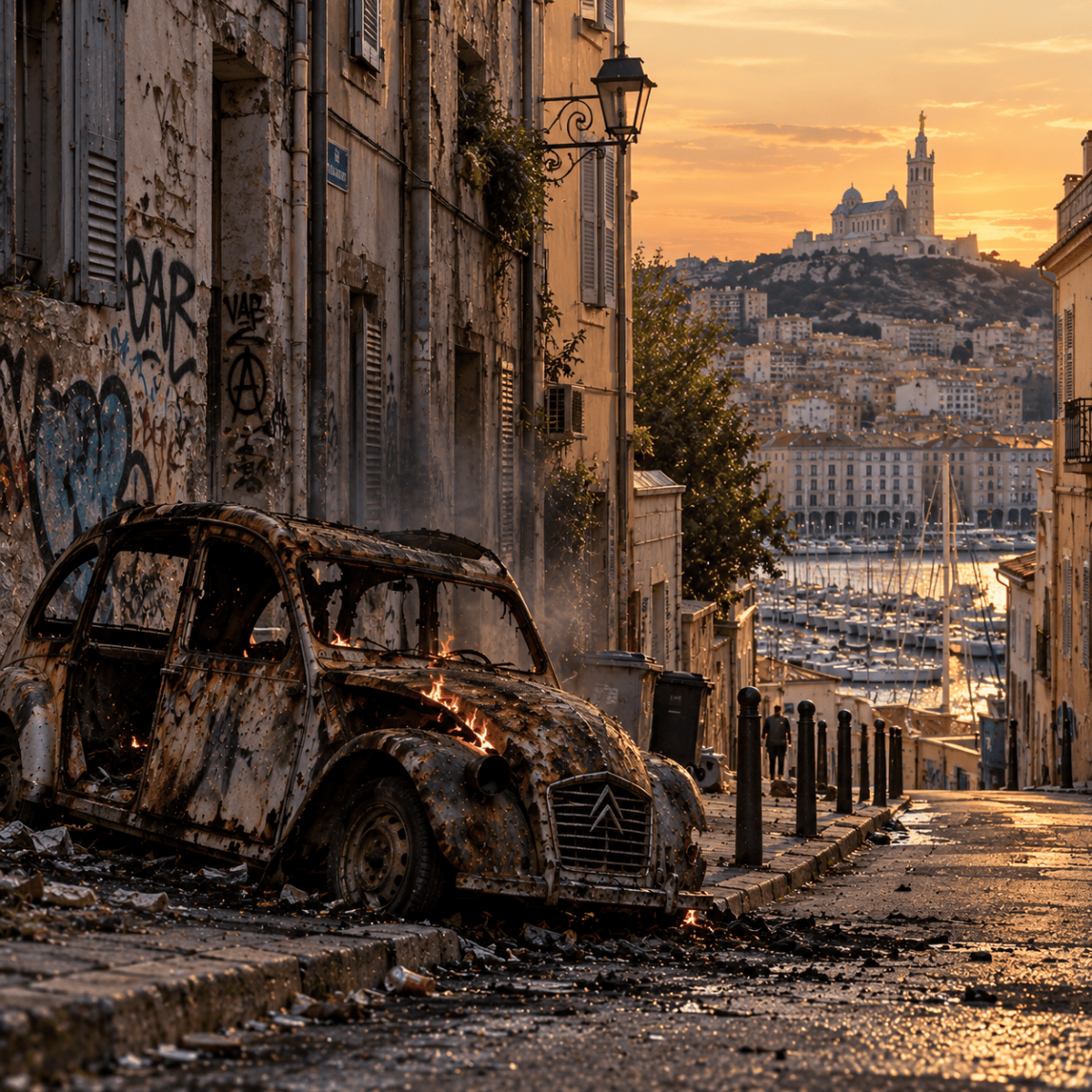
Governments invest heavily in defending against foreign interference while neglecting the administrative failures that make societies vulnerable. Bureaucracy has perfected the art of becoming indispensable without necessarily becoming useful.
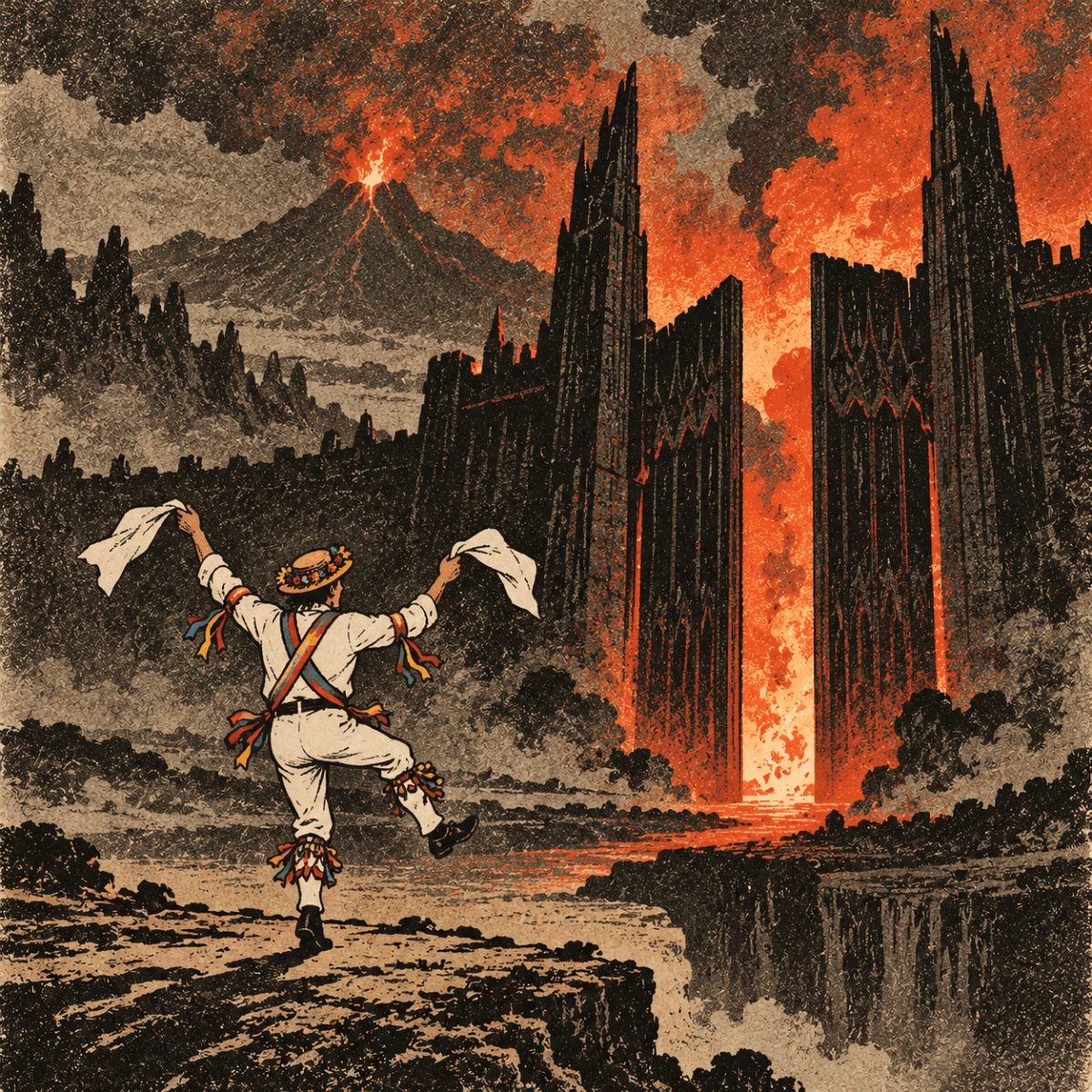
As the world approaches catastrophic conflict, wealth and power remain invested in preserving the arrangements driving instability. Asking for peace has become almost absurd, while preparing for destruction is considered perfectly sensible.
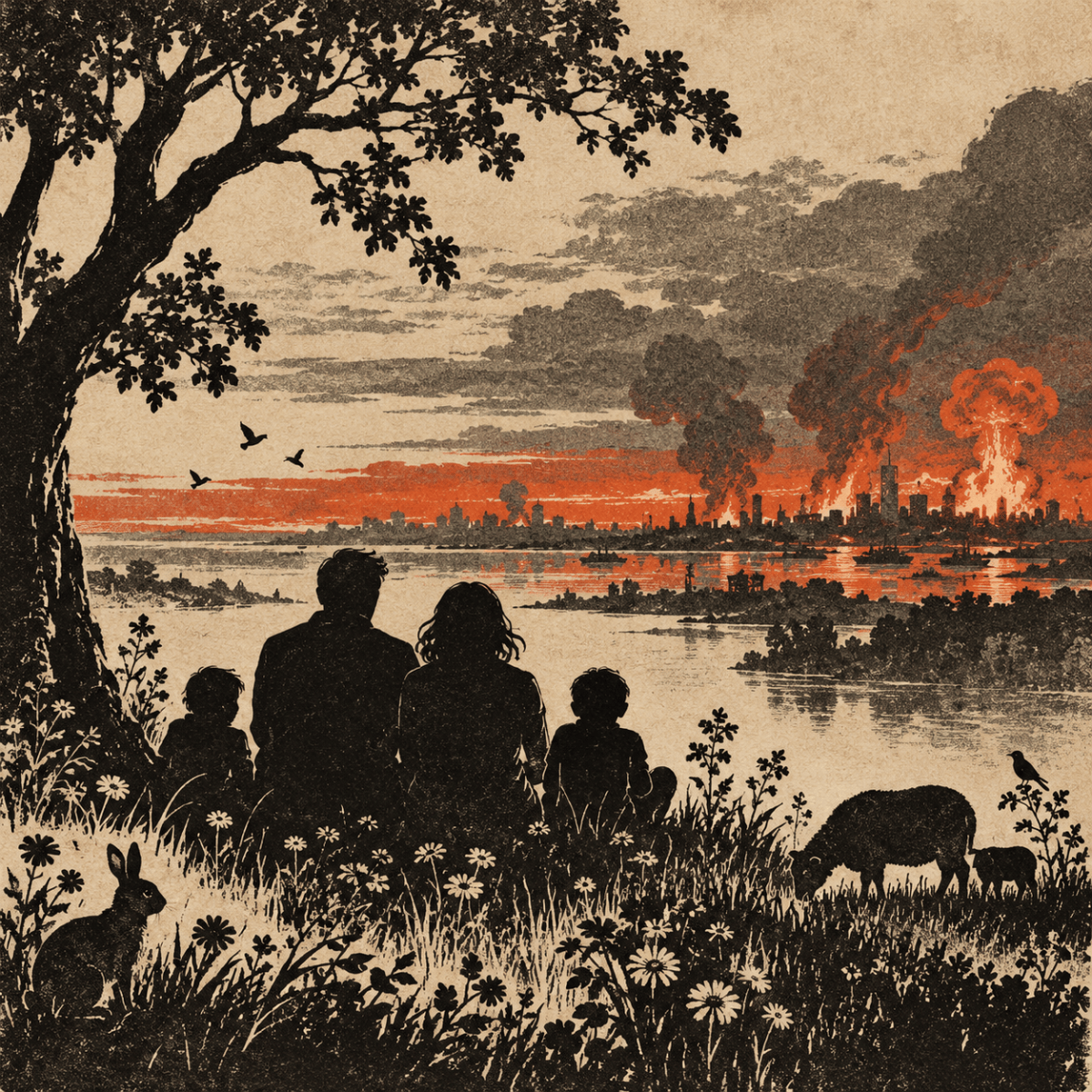
We have spent billions of years becoming what we are, yet our political and economic systems increasingly reward the destruction of the complex relationships that sustain us. What we stand to lose is beyond calculation, and the tragedy is how unnecessary so much of it is.
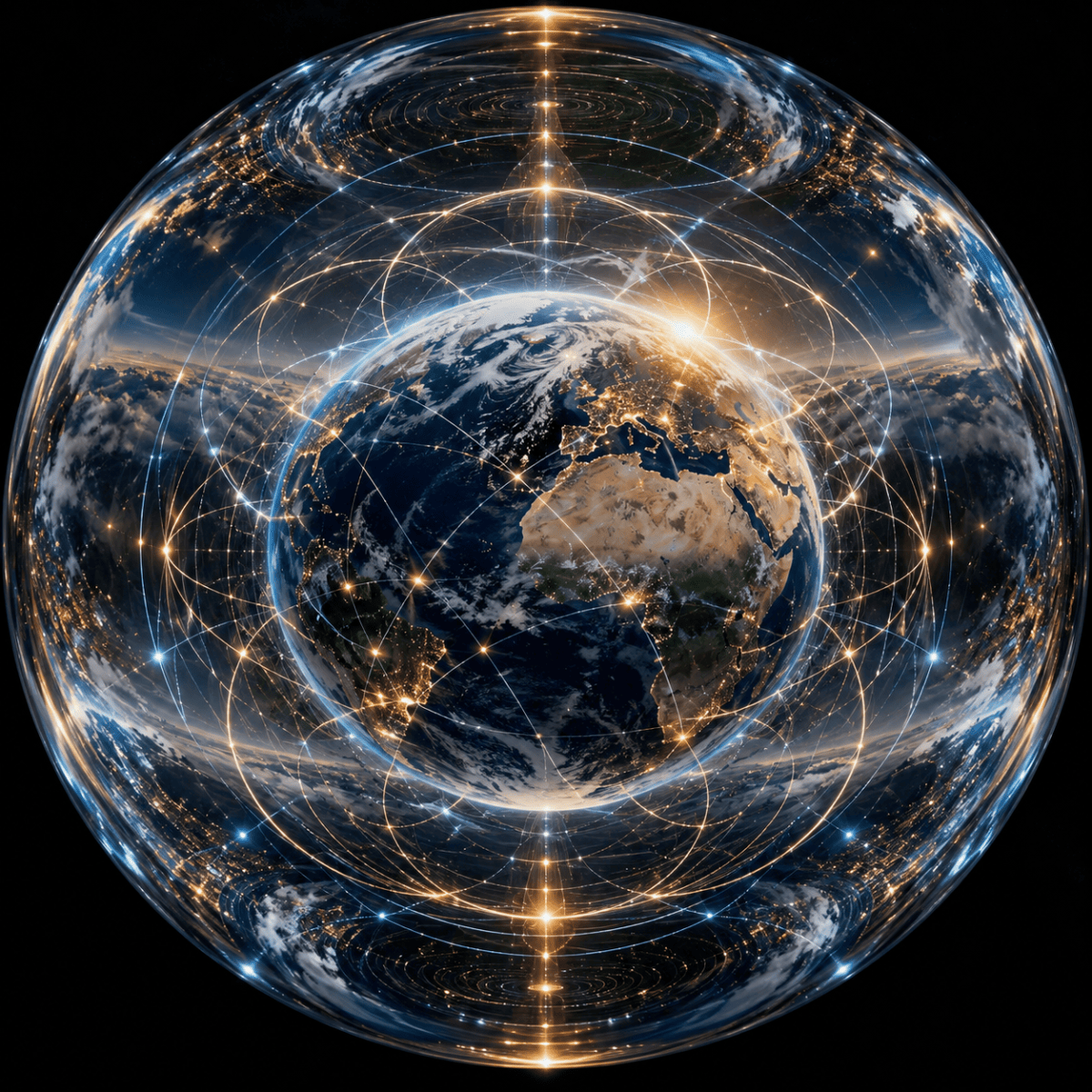
Humanity is caught in a planetary feedback trap. Our technologies, institutions and political systems increasingly reproduce the psychological instability they intend to resolve.

We mistake the world we inherit for a world that must be this way. History, habit and collective belief conceal a more uncomfortable truth: our civilisation is simply what did happen, not what had to happen.
Have a WordPress.com account? Log in now.

