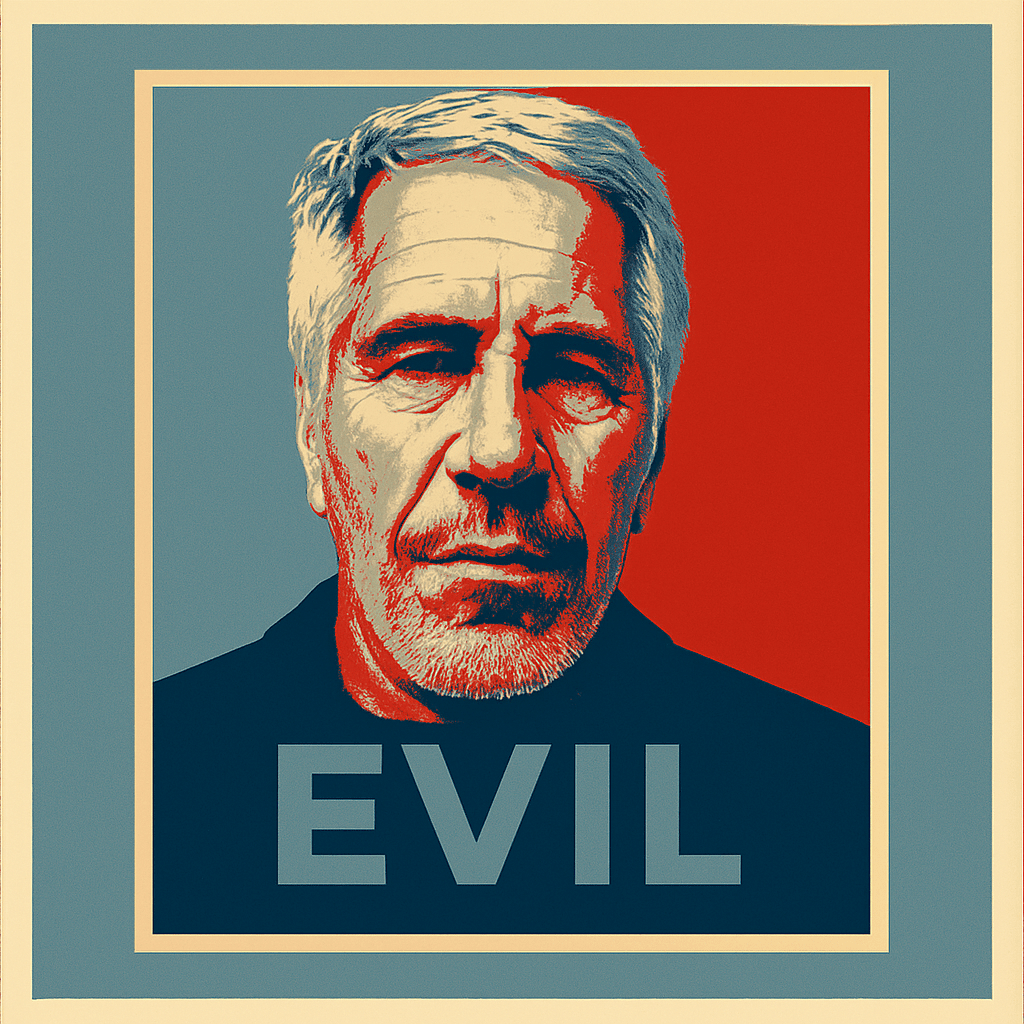
Jeffrey Epstein became more than a criminal case. He became a symbol of a deeper public suspicion: that extreme wealth, celebrity, political access, legal asymmetry, and institutional influence often converge into protected networks insulated from the consequences faced by ordinary people. Sealed documents, negotiated immunity deals, damaged evidence chains, elite associations, private islands, missing transparency, reputational management, and decades of institutional hesitation generated the overwhelming impression that visibility itself was being managed. Public disgust emerged not only from the acts involved, but from the growing perception that entire systems instinctively moved to contain fallout rather than confront the deeper structure that enabled it.
What followed was perhaps even stranger. Vast sections of the Republican political apparatus appeared willing to continuously rationalise behaviour that would once have been politically fatal. Not simply defend policies or ideological positions, but absorb shamelessness itself into the machinery of public identity. Loyalty replaced scrutiny. Spectacle replaced seriousness. The party increasingly resembled a structure attempting to justify its own moral exhaustion through permanent outrage, denial, and theatrical aggression. And yet conservatism, historically, at least claimed obligations toward continuity, restraint, stewardship, institutional responsibility, and moral seriousness. What now exists often feels less like conservatism than an improvisational protection racket orbiting power and grievance.
The deeper issue is that this pattern does not begin or end with one man. The term “the Epstein class” captures something broader: a symbolic world in which wealth and influence generate corridors of immunity around exploitation itself. The women and girls surrounding Epstein’s network form one horrifying edge of that structure, but the same underlying logic appears elsewhere across American life: mass incarceration, predatory labour conditions, medical bankruptcy, institutional abandonment, endless economic extraction, and a culture that repeatedly converts human vulnerability into leverage. Freedom is invoked constantly, almost ritually, but often in ways that feel increasingly detached from material dignity, fairness, reciprocity, or justice. The word is scattered through public discourse like confetti after a parade while millions remain trapped inside systems that grind them down psychologically, economically, and socially.
From outside the United States, the spectacle increasingly appears less like democratic vitality than a civilisation struggling to distinguish power from virtue. Donald Trump did not create that condition. He amplified it, embodied it, and revealed it in concentrated form. The deeper horror is not merely that such figures rise to prominence, but that entire media ecosystems, donor structures, political parties, and institutional frameworks repeatedly reorganise themselves around preserving the conditions that make them possible. No amount of branding, patriotic theatre, market mythology, or performative nationalism can indefinitely conceal a society that appears increasingly unable to recognise the difference between wealth and wisdom, domination and leadership, spectacle and moral legitimacy.

 Daedelus Kite