When humanity finally runs out of idiots to put in charge, it turns to Captain Fractal. Armed with decades of systems thinking, a ridiculous hat and a dangerous understanding of consequences, he sets about un-fucking civilisation.
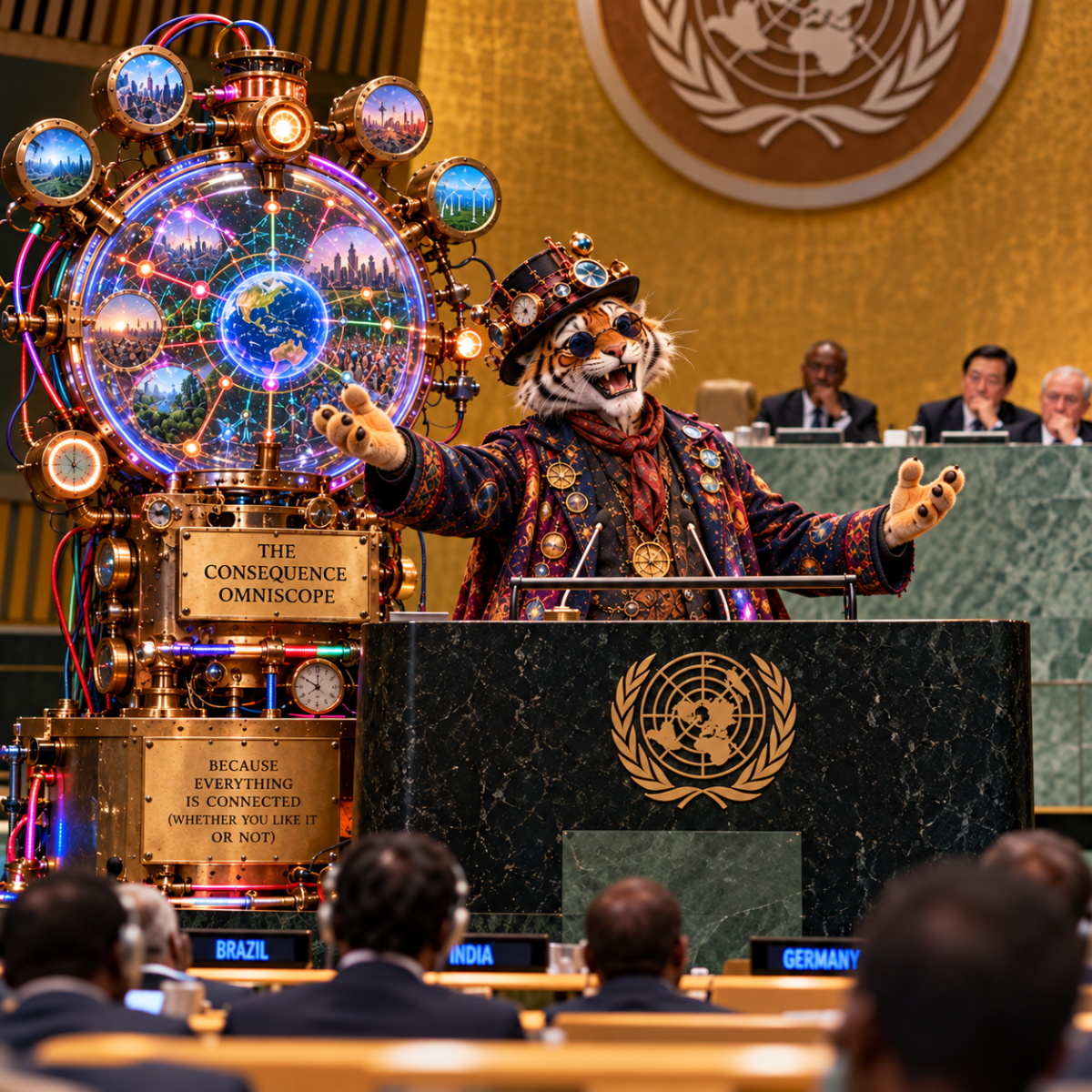
When humanity finally runs out of idiots to put in charge, it turns to Captain Fractal. Armed with decades of systems thinking, a ridiculous hat and a dangerous understanding of consequences, he sets about un-fucking civilisation.

Our political and commercial systems profit from the crises they perpetuate, rendering meaningful dissent unintelligible and civilisational failure commercially indispensable.

Institutional incompetence fuels political opportunism. Social media rewards outrage, nobody accepts responsibility, and democracy inherits the bill.

A system that discourages difference eventually undermines its own capacity to learn, adapt and survive.

From Starlink and Ukraine to everyday technology, technocratic overextension exposes a dangerous paradox: civilisation increasingly depends on systems that (mostly) function as intended, but whose continued availability is controlled elsewhere, by political and ideological interests we may not share.
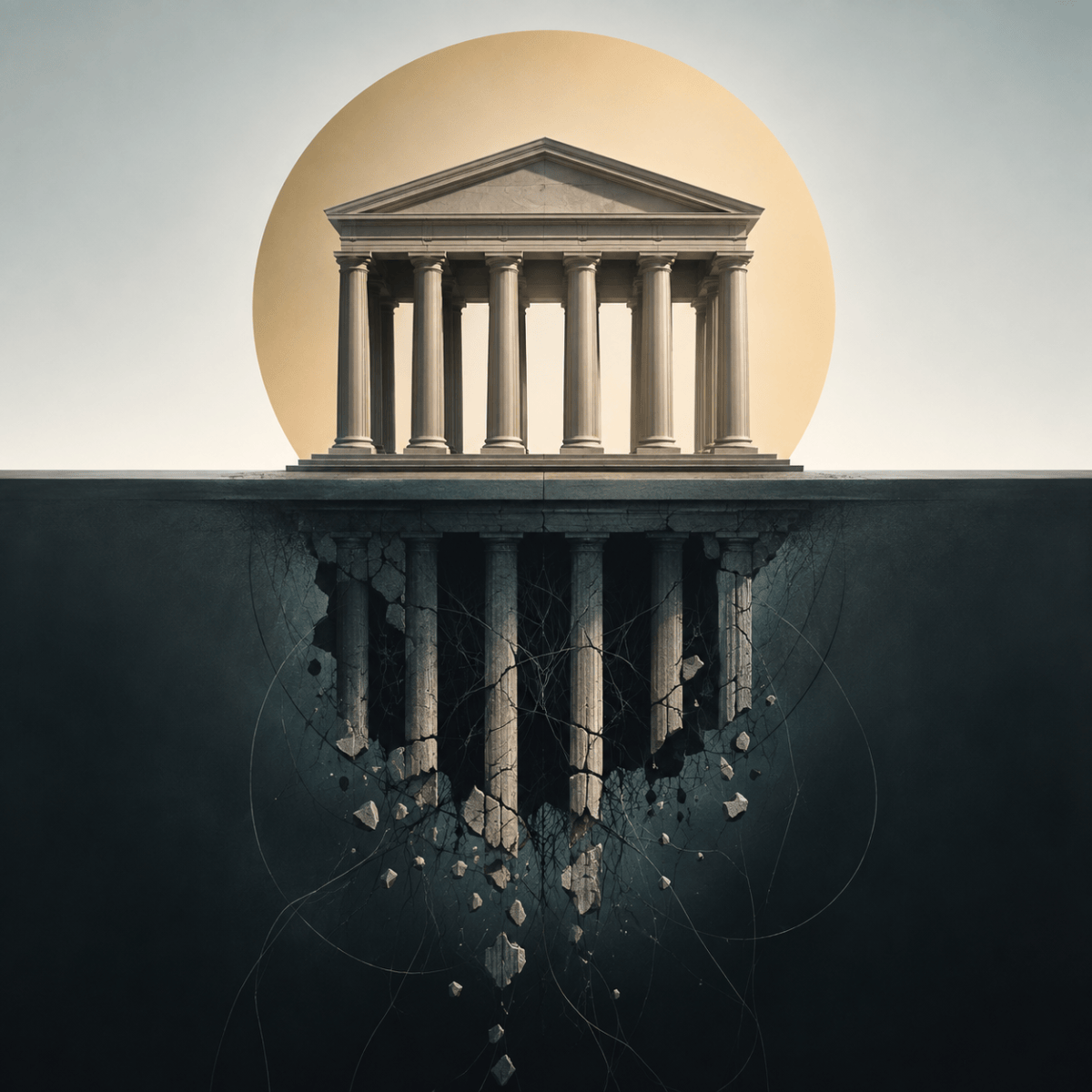
An institution’s measure is not how successfully it preserves itself or claims success, but whether it continues to serve its human purpose.

The technological system cannot perceive its full costs because that blindness is one of the conditions of its success.
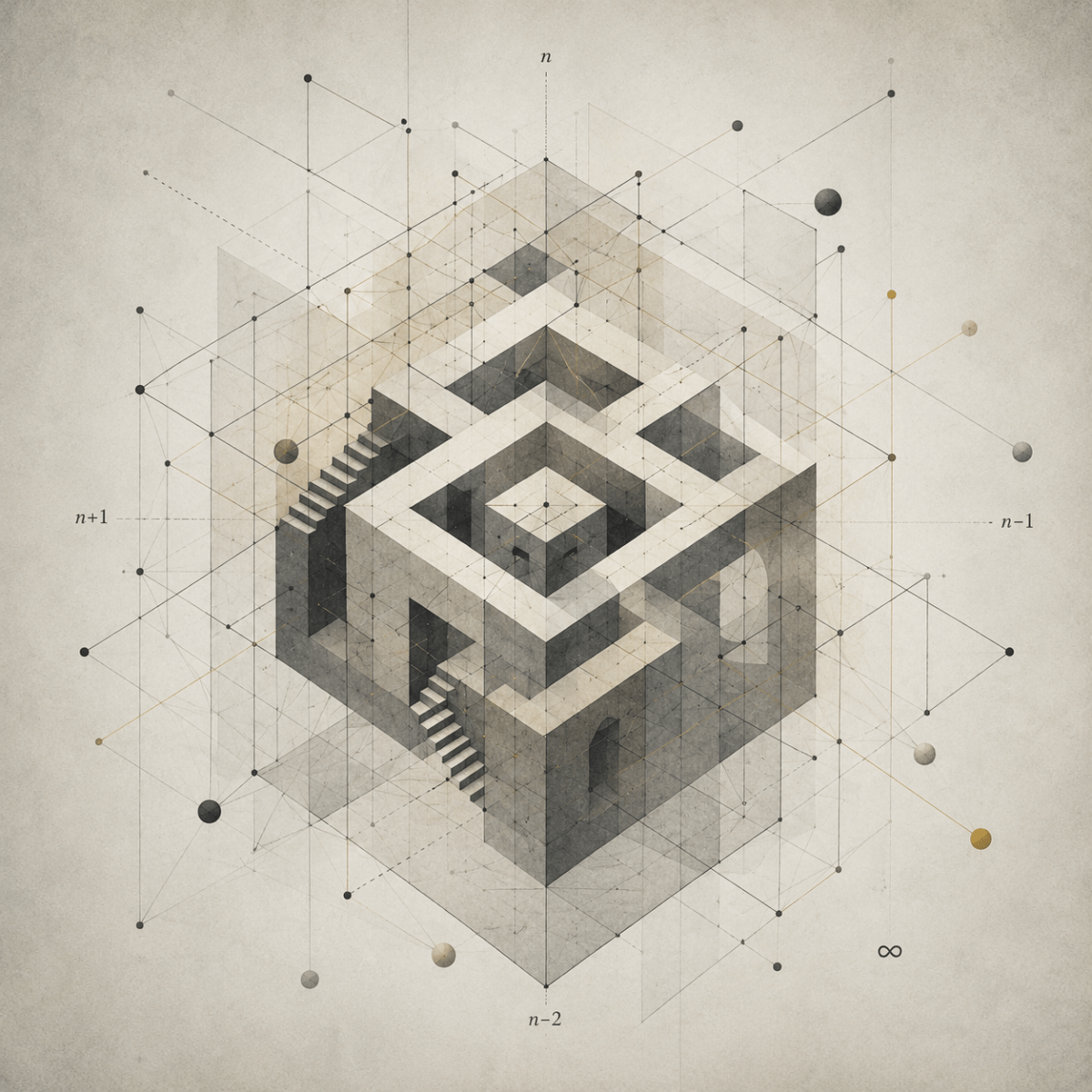
AI can not save us, but it will facilitate a vast amount of short-term profit. The actual human and environmental cost will be considerable.

Institutions rarely fail because they cannot recognise problems. They fail because recognising problems is not the same as escaping the conditions that reproduce them.
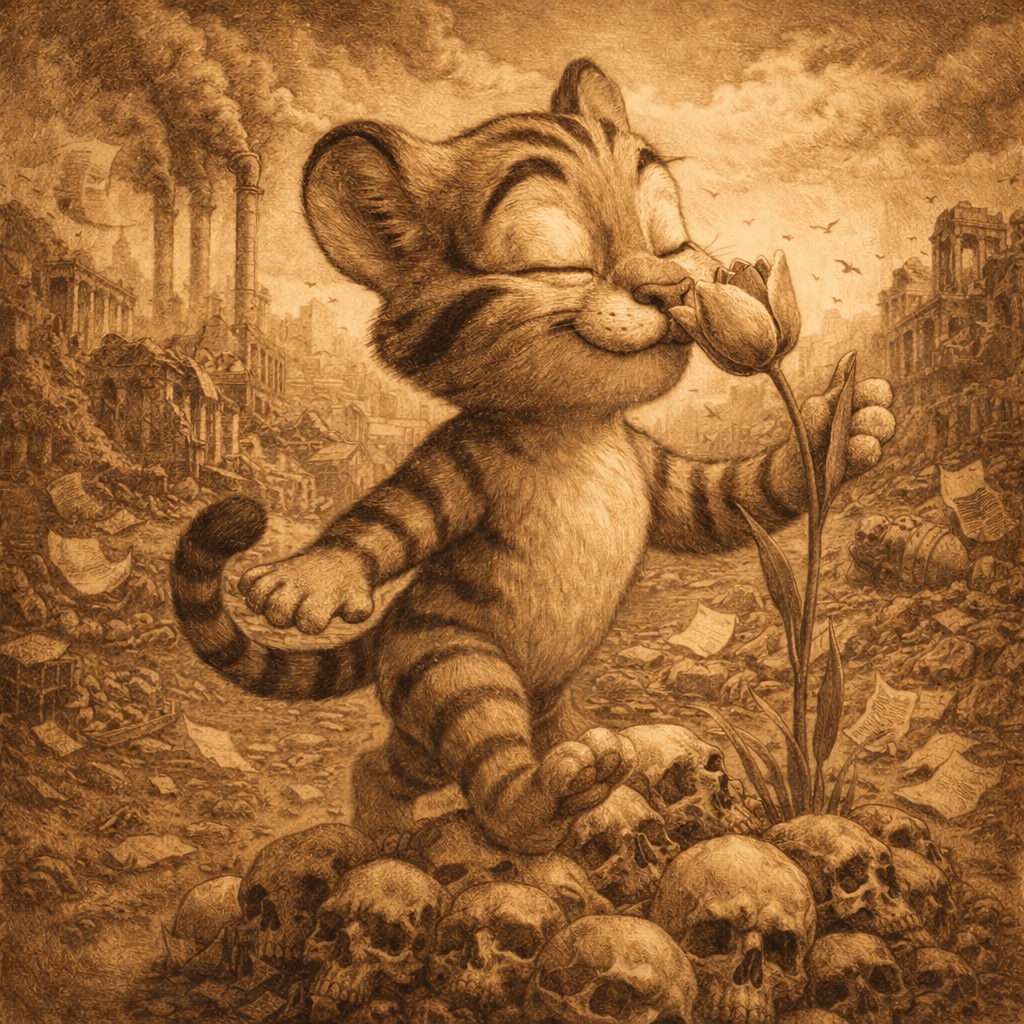
The world is not merely broken. Too many people are paid to keep it that way.

Theirs is a role play of analysis, simply and unwittingly giftwrapping populist-adjacent themes for broad public consumption; little on insight, big on performative role play.

The task is not to create perfect agreement, but to maintain enough shared coherence that a society can continue solving problems without tearing itself apart.
Have a WordPress.com account? Log in now.

