We mistake the brain for the seat of intelligence and the individual for its owner. Both depend upon a much larger system.
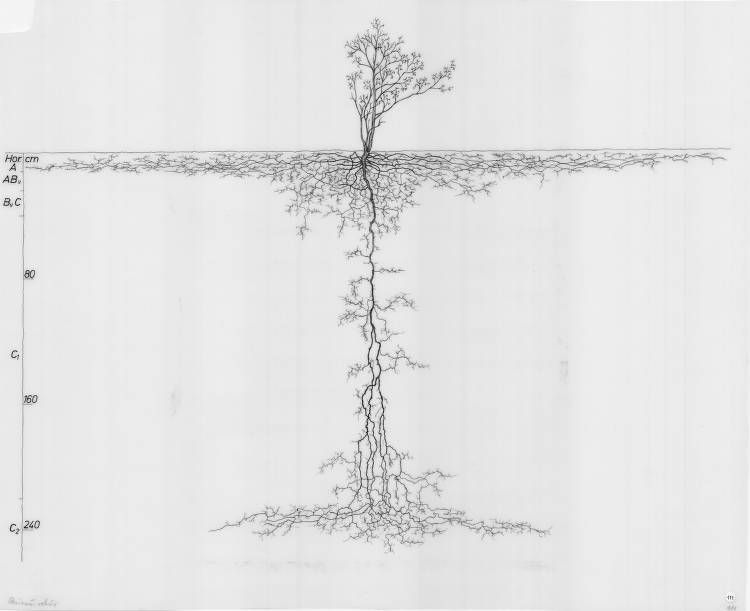
We mistake the brain for the seat of intelligence and the individual for its owner. Both depend upon a much larger system.

Extreme wealth preserves its own stability by shifting costs onto everyone else. Captain Fractal explores why even billionaires cannot escape the physics of their own existence.

Technocratic civilisation maintains its continuity through repeated technical discontinuity, and its security through the management of insecurity.
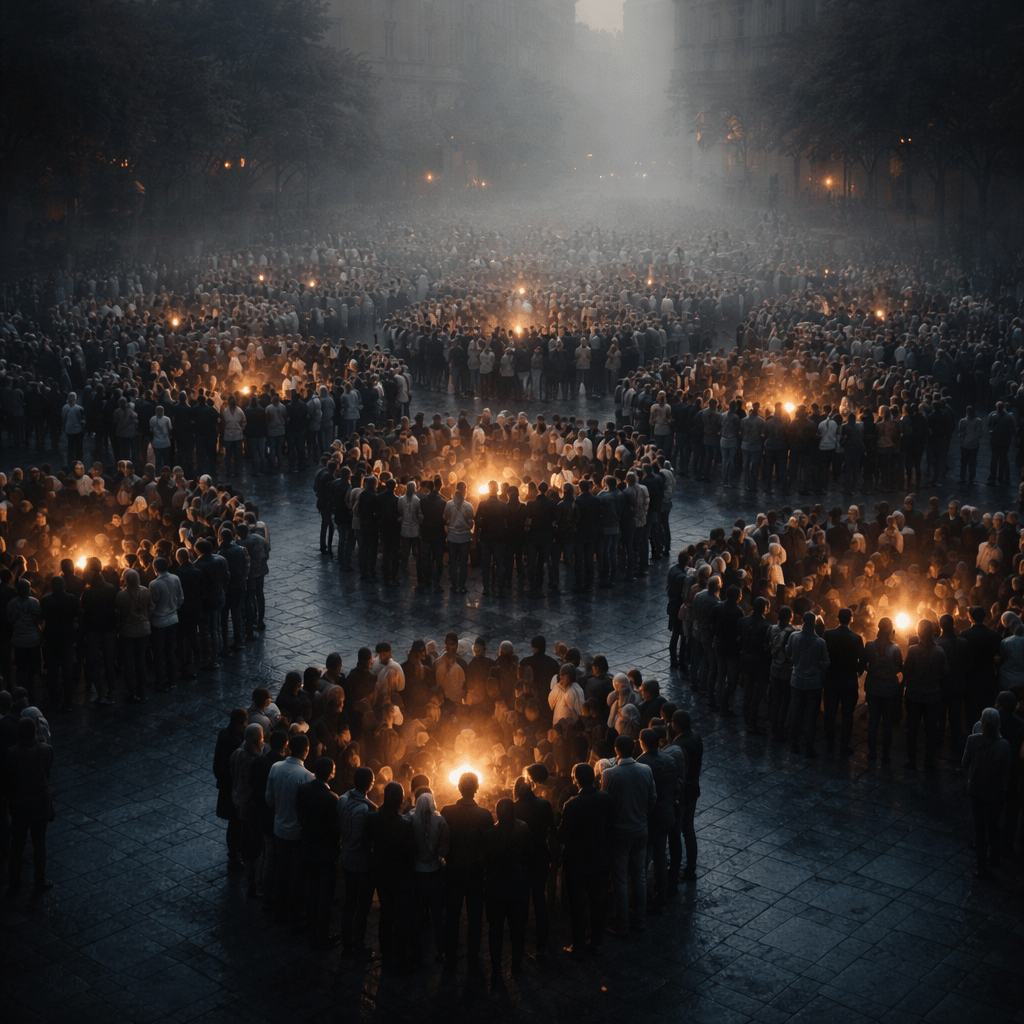
Technology at scale preferentially industrialises the parts of human nature that are easiest to measure, repeat, monetise, automate, and weaponise. Those parts are rarely our best ones.

The paradox is how to preserve a planetary civilisation’s capacity for emergent self-regulation without irreversibly surrendering it to the political, economic and technological artefacts, entities and systems established to manage and control it.
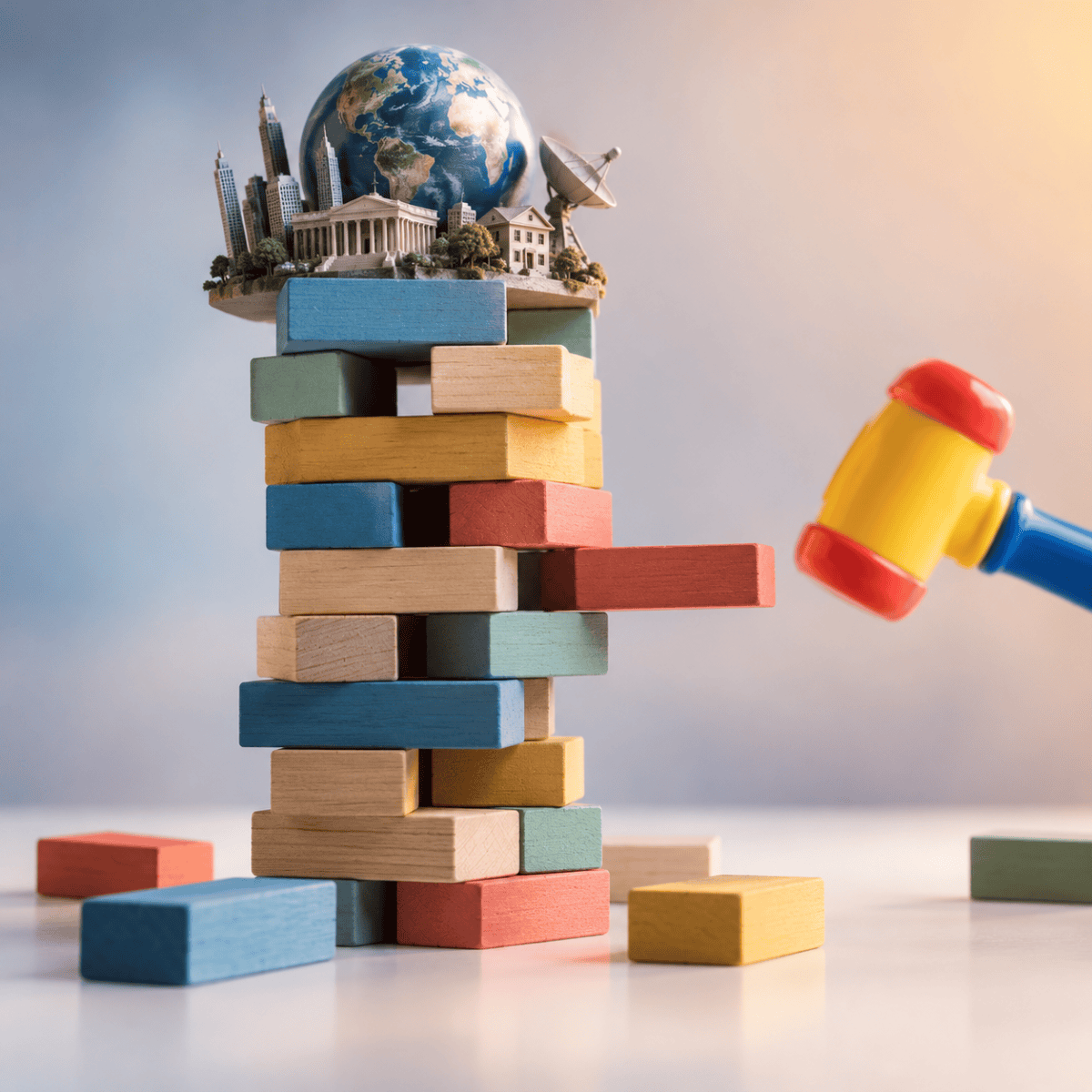
From Starlink and Ukraine to everyday technology, technocratic overextension exposes a dangerous paradox: civilisation increasingly depends on systems that (mostly) function as intended, but whose continued availability is controlled elsewhere, by political and ideological interests we may not share.

Exploring harmonic structure, observation, language and consciousness, and why uncertainty is fundamental to reality and the possibility of knowledge.
Independent knowledge becomes a social burden when learning is treated as competition and established opinions become territories to defend. Genuine enquiry begins when understanding becomes a shared endeavour rather than a contest over who knows more.
The paradox is that philosophy, a discipline nominally concerned with questioning assumptions, has become remarkably accomplished at preserving its own.
Language does more than convey meaning. Its recursive rhythms reproduce belief, conflict and the conditions through which societies persist.
A society sustains peace through care, difference and collective intelligence, organising its institutions to preserve life, enable participation and adapt to changing circumstances.

A protest becomes something different when separate grievances begin moving at the same time. France offers a glimpse of how synchronisation amplifies communicative affect.
Have a WordPress.com account? Log in now.

