I have been noticing more homelessness in my town. It was always there, of course, but now it is harder to miss: moving through the civic surface, appearing where the comfortable classes would prefer not to see the consequences of their own arrangements. This is not personal failure becoming more visible. It is structural failure losing the ability to hide.
The ACT’s public housing waiting list had 3,551 approved applications as of 31 March 2026, with average waits of 1,173 days for high-needs housing and 1,859 days for standard housing. Nationally, more than 254,000 applicants are waiting for social housing, while crisis and longer-term accommodation need is going unmet at scale. These are not unfortunate side-effects. They are system outputs.
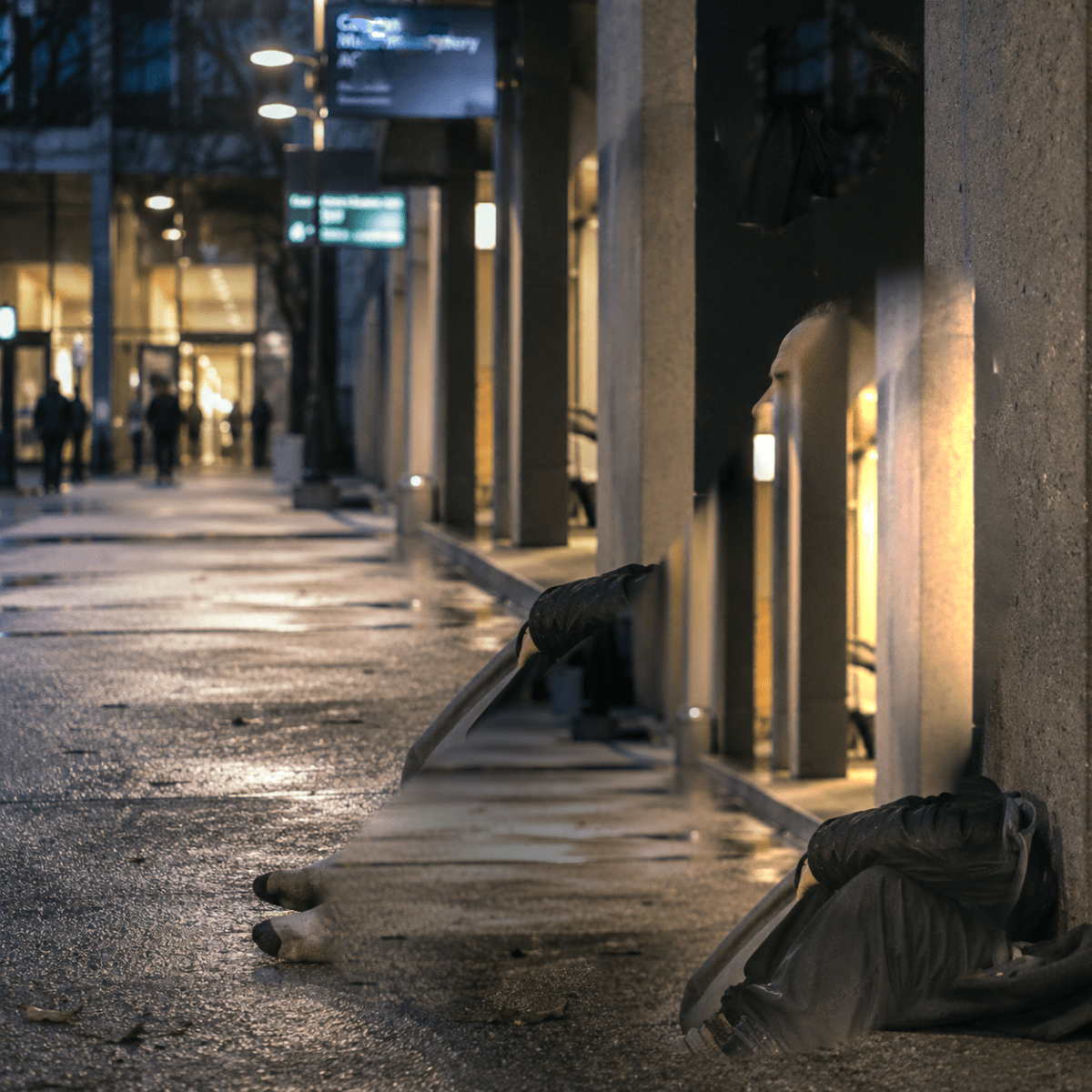
You see the abstraction break down in small, brutal details: people walking around in the middle of a Canberra winter without shoes, only socks on their feet. Not as metaphor. Not as campaign imagery. Just bodies in the cold, carrying the full weight of policy failure through public space one step at a time.
There are people who will see someone walking through winter in their socks and tell themselves a story about bad choices, personal responsibility, or individual failure. There are people who will worry more about property values, shopping precincts, and civic amenity than about why another human being has reached that point in the first place. But in one of the wealthiest countries on Earth, nobody should be walking through winter in their socks. The problem is not the people. The problem is that we built a housing system increasingly organised around speculation and then act surprised when some of its casualties become impossible to ignore.
Categories
cold comfort for change
The problem is that we built a housing system increasingly organised around speculation and then act surprised when some of its casualties become impossible to ignore.