AI can not save us, but it will facilitate a vast amount of short-term profit. The actual human and environmental cost will be considerable.
Categories
AI isn’t coming to save us
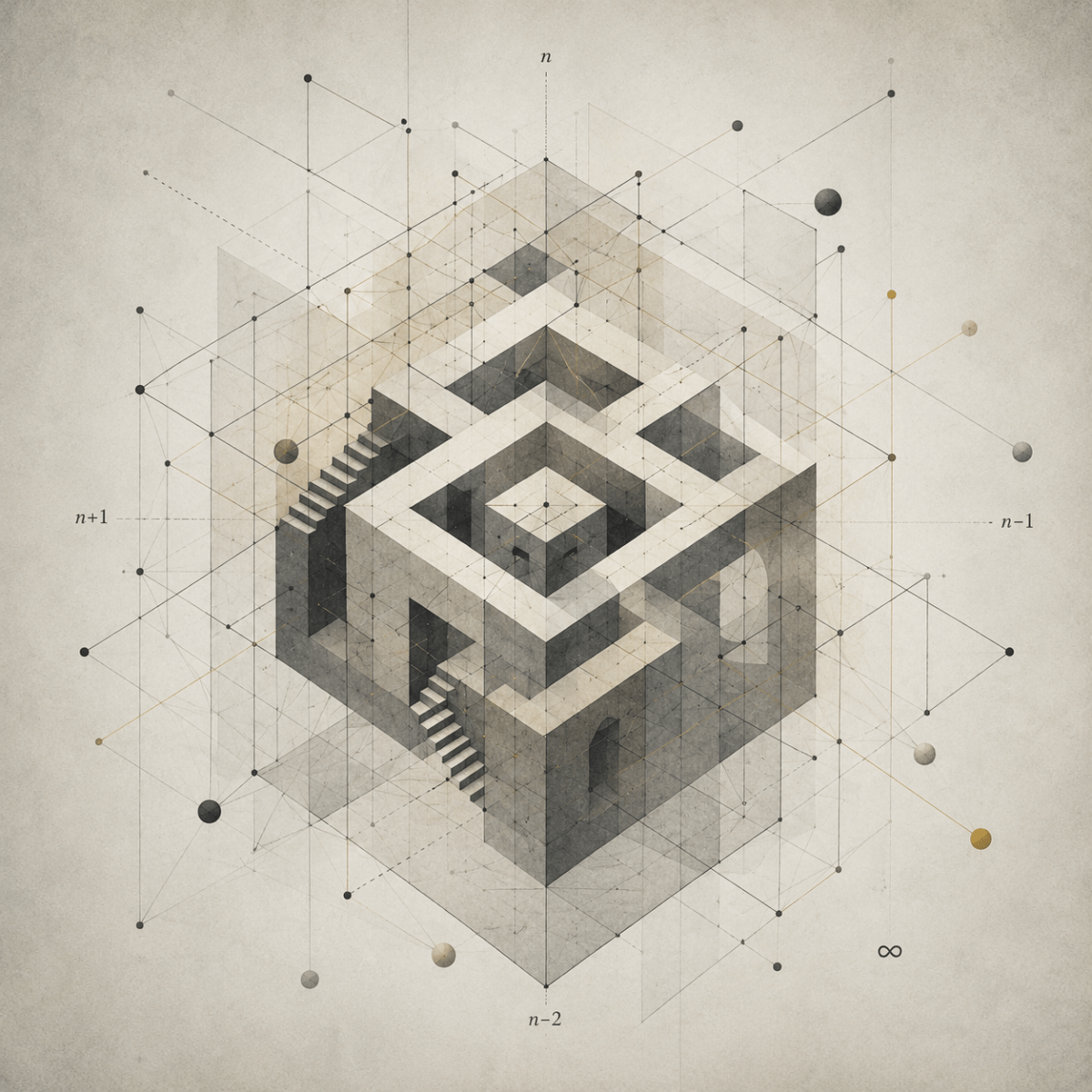
AI can not save us, but it will facilitate a vast amount of short-term profit. The actual human and environmental cost will be considerable.
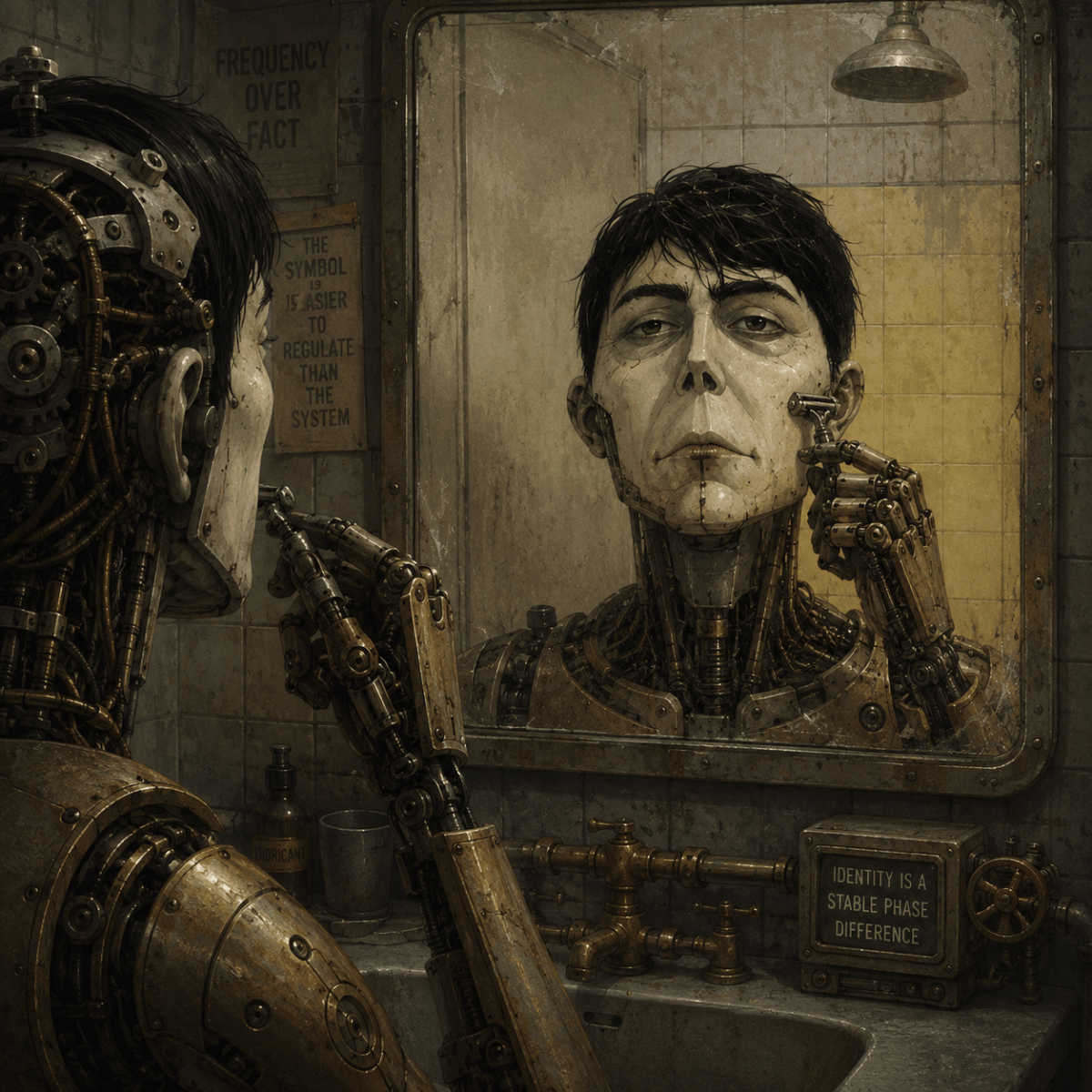
Much of what capitalism conditions us to fear in communism is what concentrated capitalism already does: centralise power, narrow freedom, restrict opportunity and preserve poverty as structural necessity.
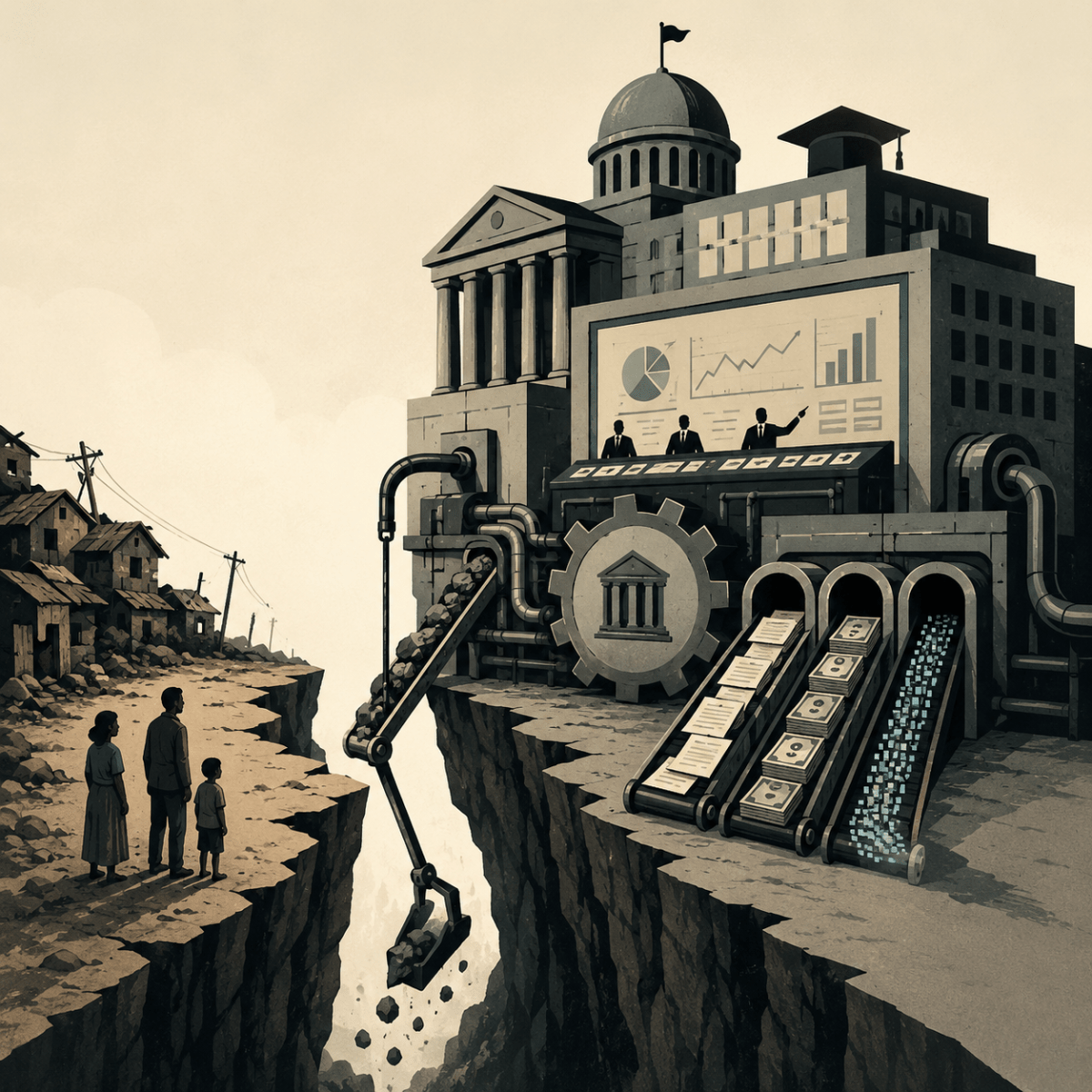
The institutions assigned to solve our deepest problems are sustained by these, the very relations they are unable and/or unwilling to question.
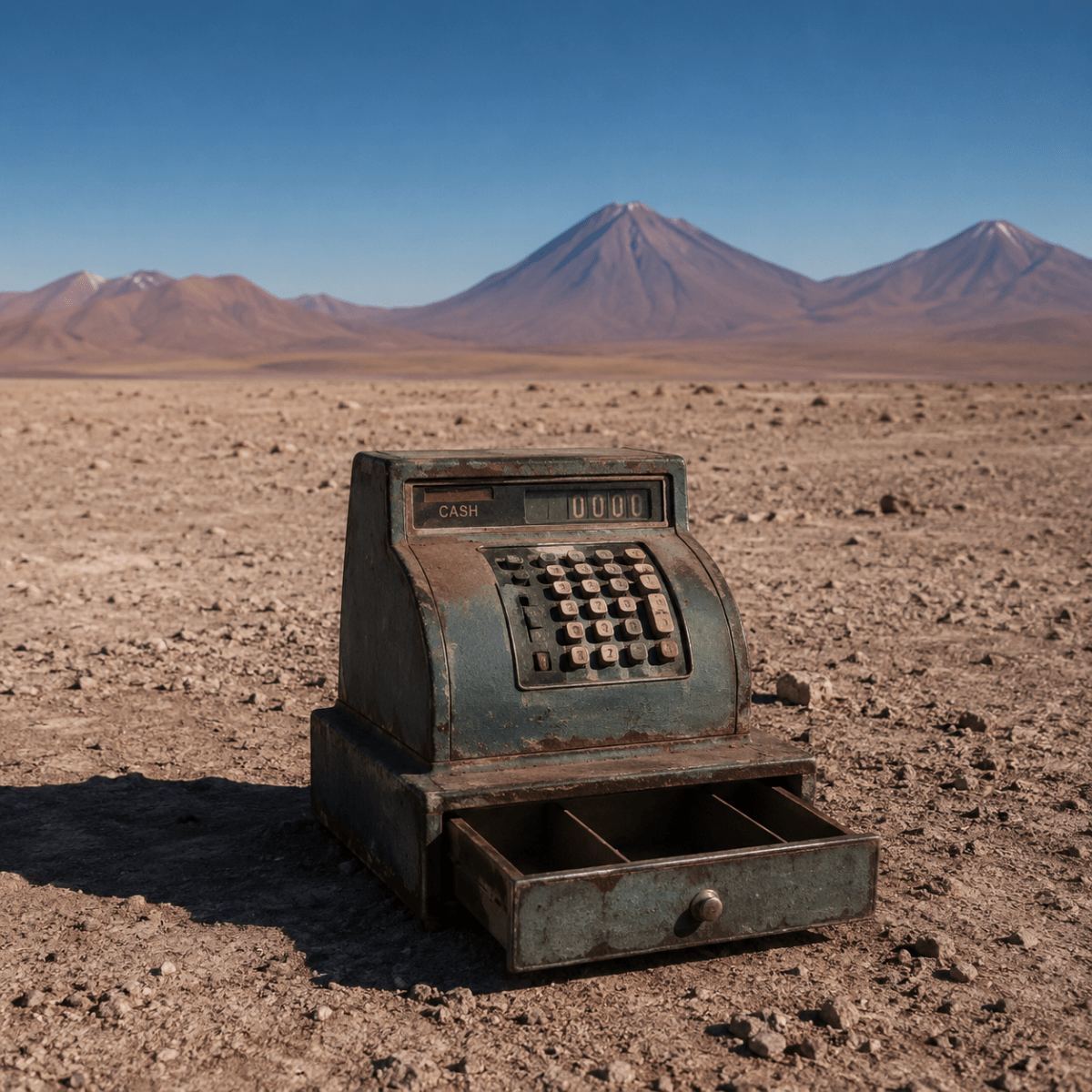
Capitalism does not distribute abundance. It sustains value by distributing differential (as inequitable) access.

A system cannot sustainably maximise accessibility and scarcity at the same time.
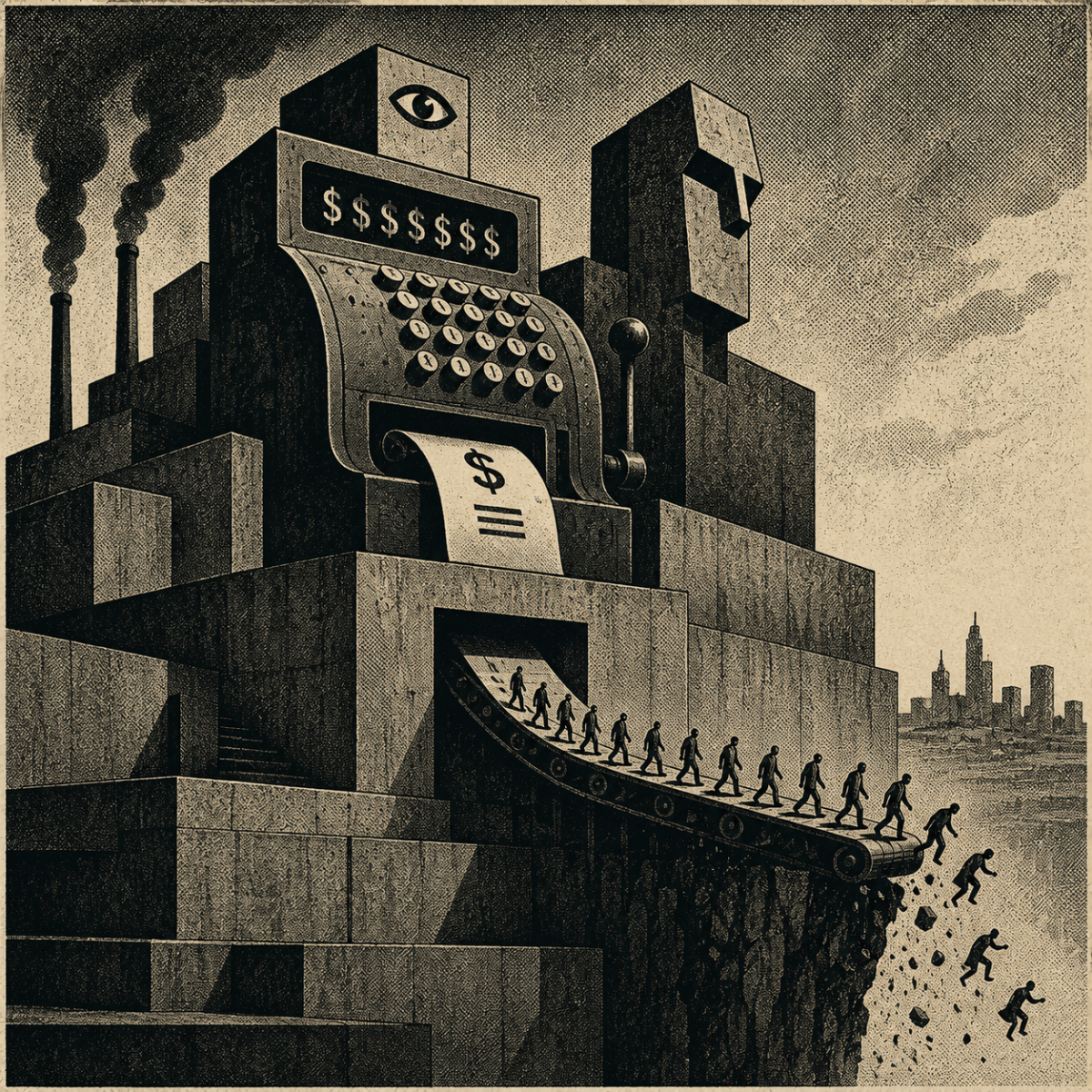
A civilisation organised around limitless acquisition on a finite planet turns systemic collapse into a KPI.

Wealth is usually treated as evidence that society is working. But extreme accumulation may also reveal something stranger: a system increasingly organised around preserving wealth, whether or not that preservation still serves the world around it.

Extreme wealth is not proof of independence. The billionaire appears to stand above society, but in reality stands upon it.
Disability support is not charity. It is what a society builds when it understands that vulnerability belongs to everyone.

The problem is that we built a housing system increasingly organised around speculation and then act surprised when some of its casualties become impossible to ignore.

Civilisation was not built to worship wealth, but it has been redesigned to serve it.
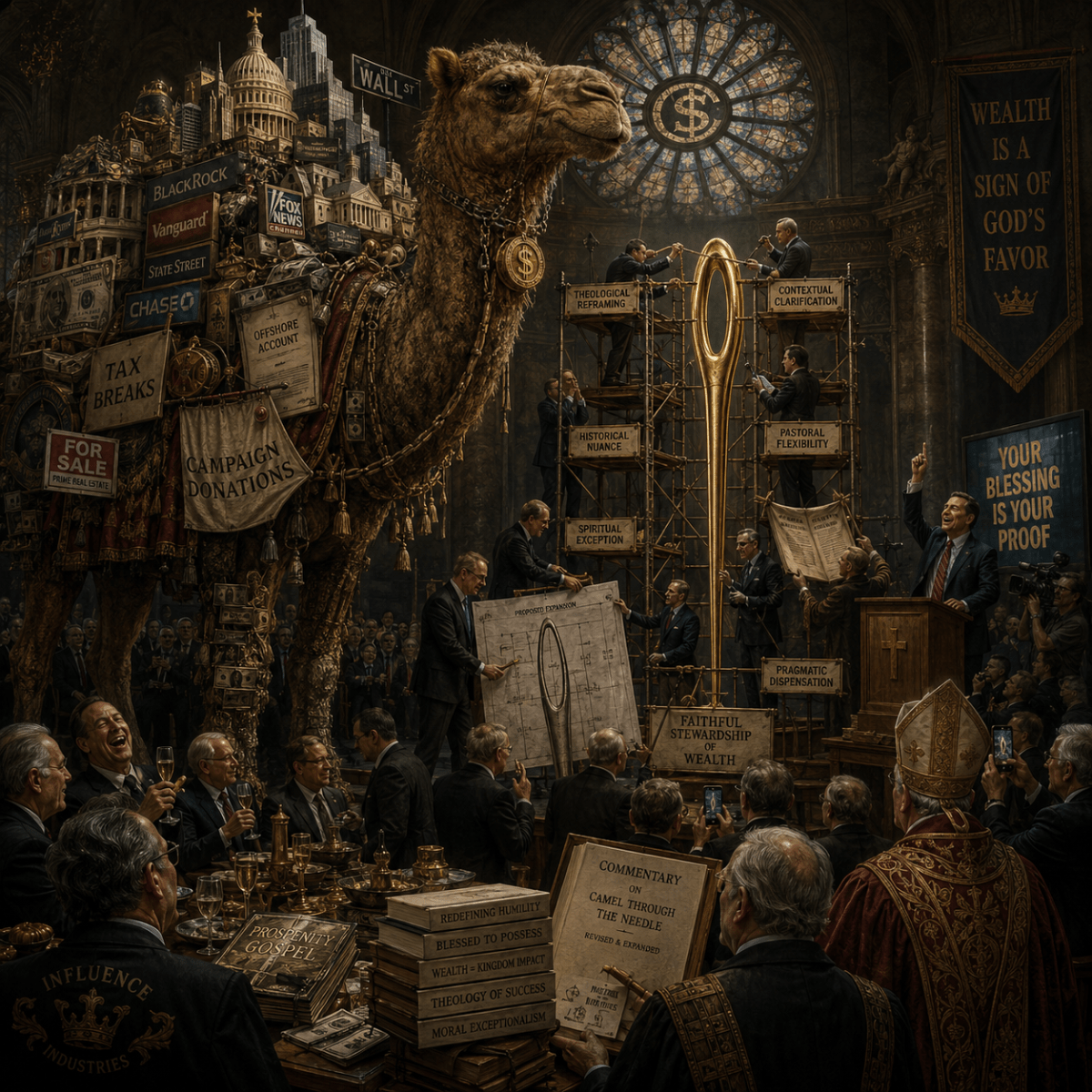
Power does not erase wisdom’s serial warnings about the corruption and cruelty that often accompanies extreme wealth; it orchestrates and sustains an institutional matrix to demonstrate why the warning applies to someone else.

