Institutional incompetence fuels political opportunism. Social media rewards outrage, nobody accepts responsibility, and democracy inherits the bill.

Institutional incompetence fuels political opportunism. Social media rewards outrage, nobody accepts responsibility, and democracy inherits the bill.

Nobody needs to control the machinery. Repeated communication changes what people notice, expect and respond to, gradually reshaping the culture and politics that emerge from those interactions.

Can the relationships supporting ordinary life continue to reproduce themselves under increasingly rapid change?
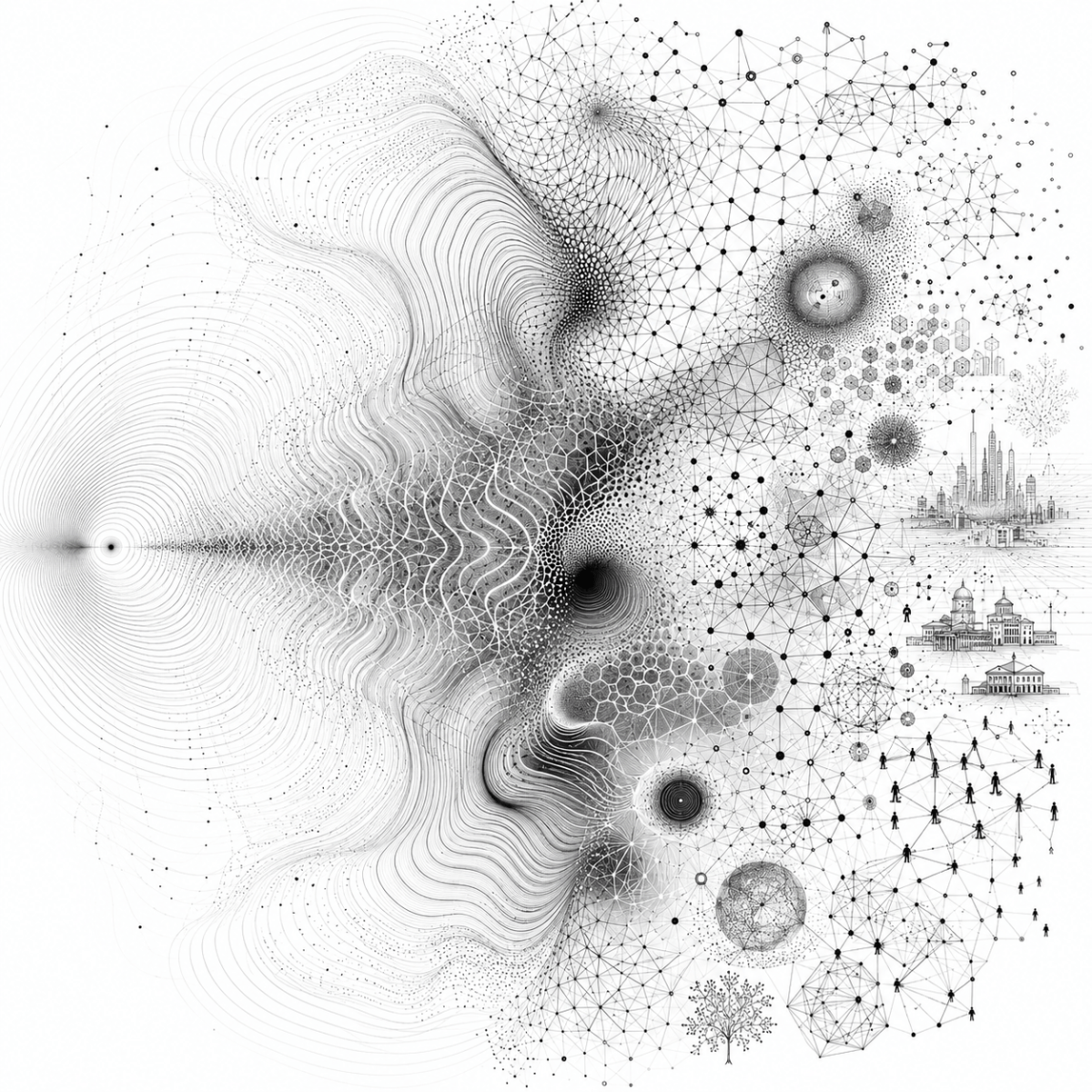
Australia’s housing crisis is not a collection of separate failures. It is what happens when finance, construction, wages, planning, and social policy move at different speeds while remaining inseparably connected.

Culture survives because it changes. A culture that cannot change is not being preserved. It is being embalmed.

Theirs is a role play of analysis, simply and unwittingly giftwrapping populist-adjacent themes for broad public consumption; little on insight, big on performative role play.

Just my perspective.
Your mileage may vary.

The problem is that we built a housing system increasingly organised around speculation and then act surprised when some of its casualties become impossible to ignore.

There is no final closure. No permanent certainty. No government that fixes everything forever. There are only systems that adapt well and systems that adapt badly.

The appeal of populism is that it makes complexity feel unnecessary. The cost is usually discovered much later.

Populists tell you they’re going to smash the system for your benefit. Funny how it still always seems to end with the rich getting richer, the government getting worse, and everyone else paying for the repairs.

Australia’s political speed-dating with One Nation suggests that what has happened in the USA is not an exception, it is a franchised political method.
Have a WordPress.com account? Log in now.

