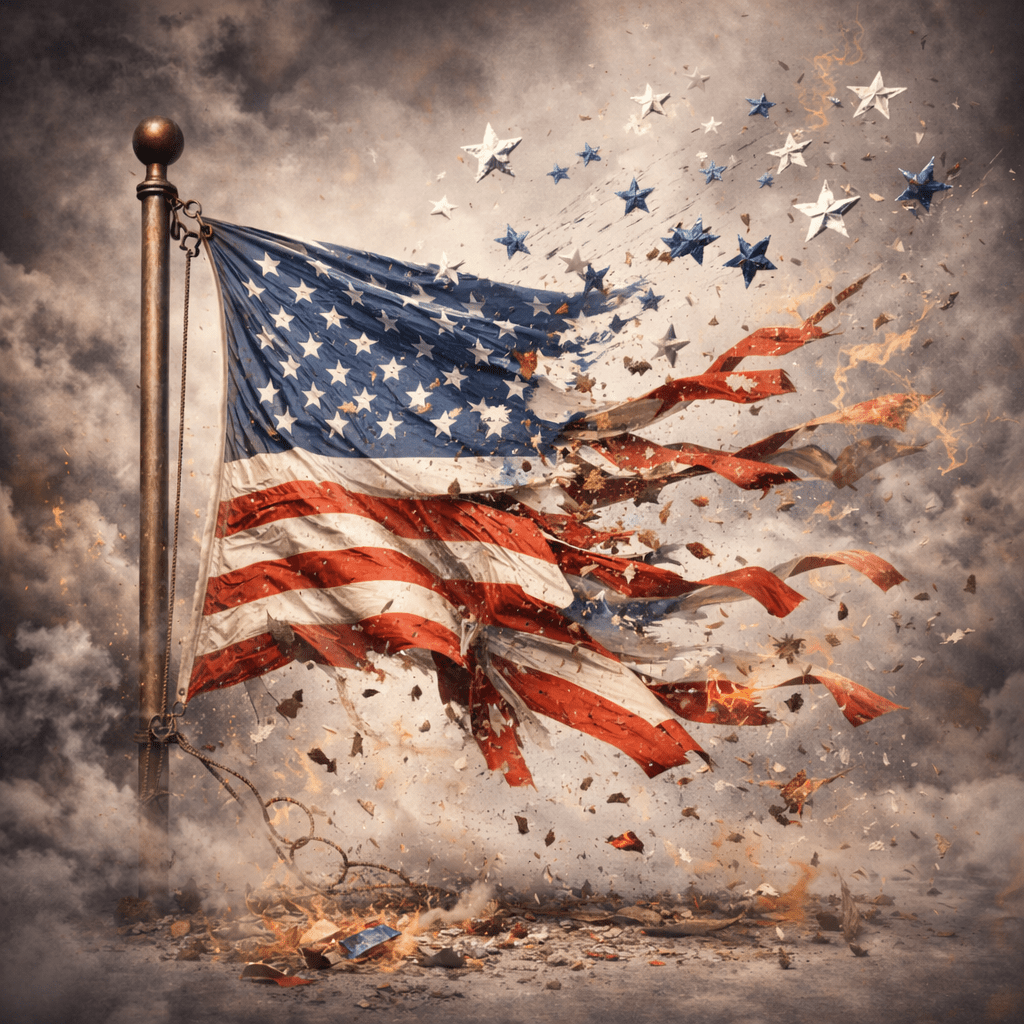
Donald Trump’s political method appears less like governance than domination: pressure, spectacle, threat, loyalty-testing, and the constant conversion of complexity into personal grievance. The more important question may not be whether this reveals his own limitations, which are visible enough in the public record, but what kind of system could look at those limitations and still decide they were useful. That is the harder indictment. A political order does not arrive here by accident. It arrives here when enough institutions, donors, media actors, party officials, consultants, lobbyists, and opportunists decide that destabilisation is acceptable so long as it remains profitable.
The core problem is not only ideology, though ideology gives it language. It is not only party politics, though party machinery gives it force. It is a deeper economy of appetite: people and organisations willing to extract advantage from disorder, fear, resentment, and institutional decay. Trump is not merely an aberration inside that system. He is also a disclosure of it. He shows what becomes possible when greed no longer needs to disguise itself as public purpose, when bullying can be marketed as strength, and when the machinery around power becomes more interested in harvesting the chaos than restraining it.

