This is the triumphal stagnancy of technological overreach: extraordinary technical acceleration coupled to an increasingly repetitive behavioural repertoire.
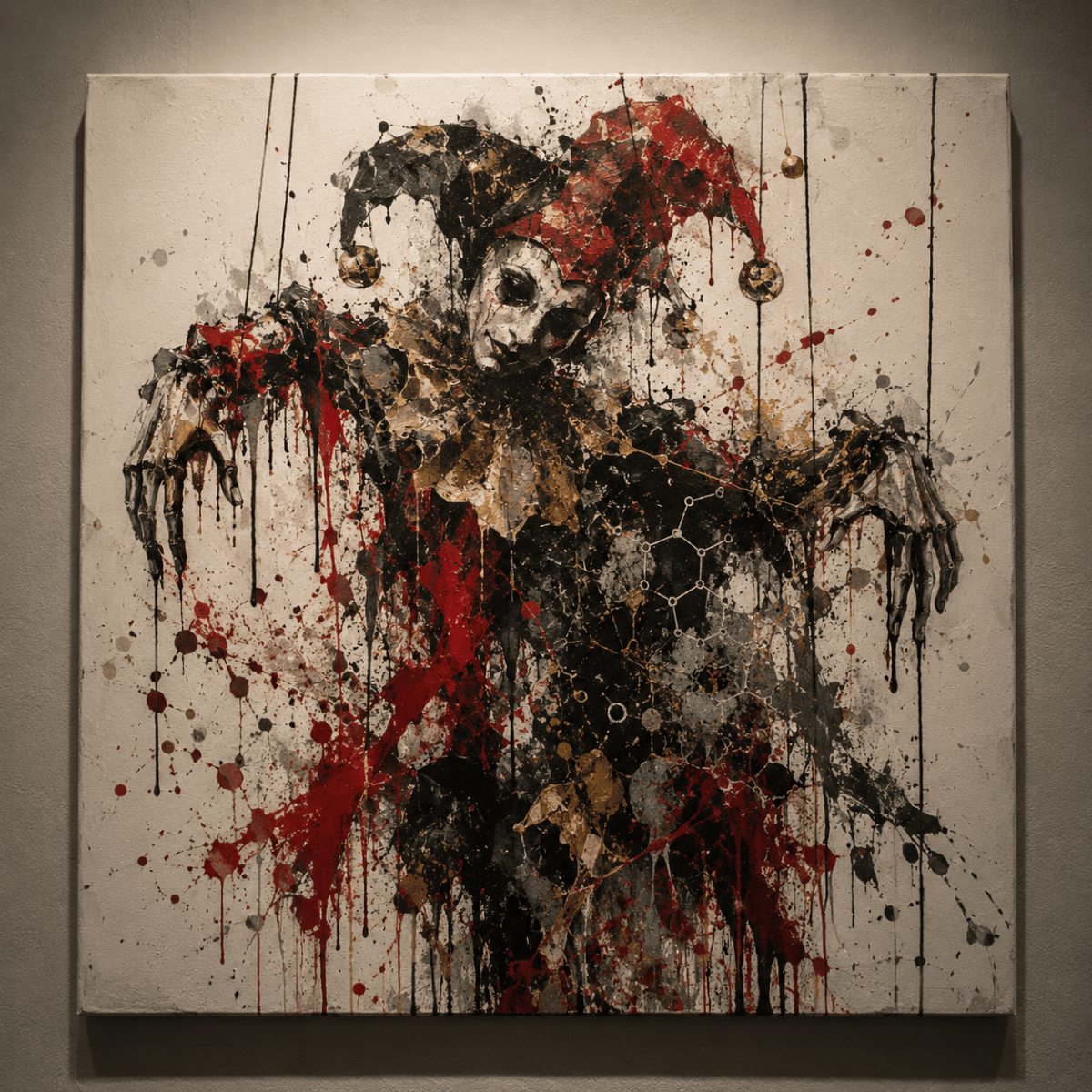
This is the triumphal stagnancy of technological overreach: extraordinary technical acceleration coupled to an increasingly repetitive behavioural repertoire.
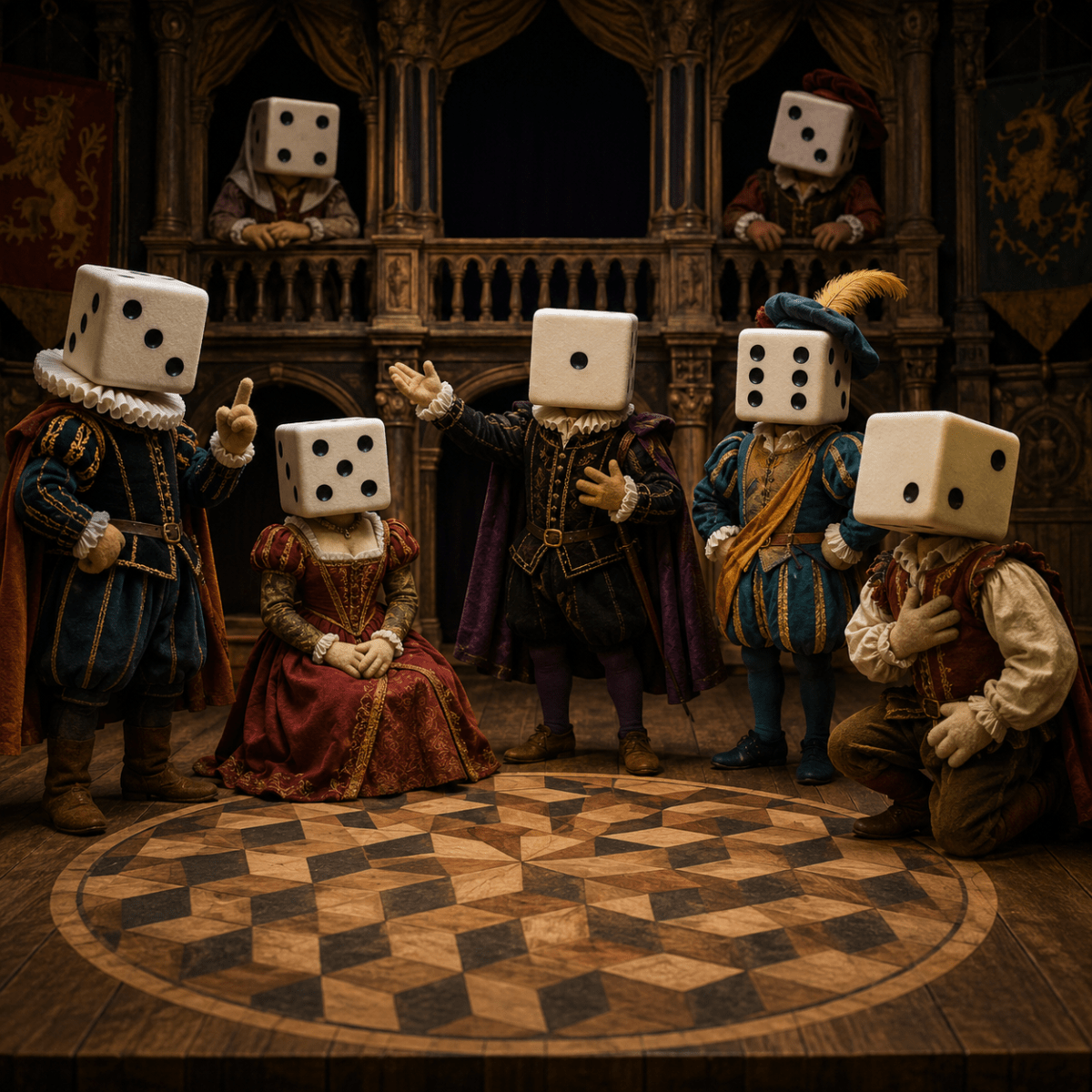
Technocratic complexity and populist caricature are parts of the same feedback loop. Each produces the conditions that sustain the other.
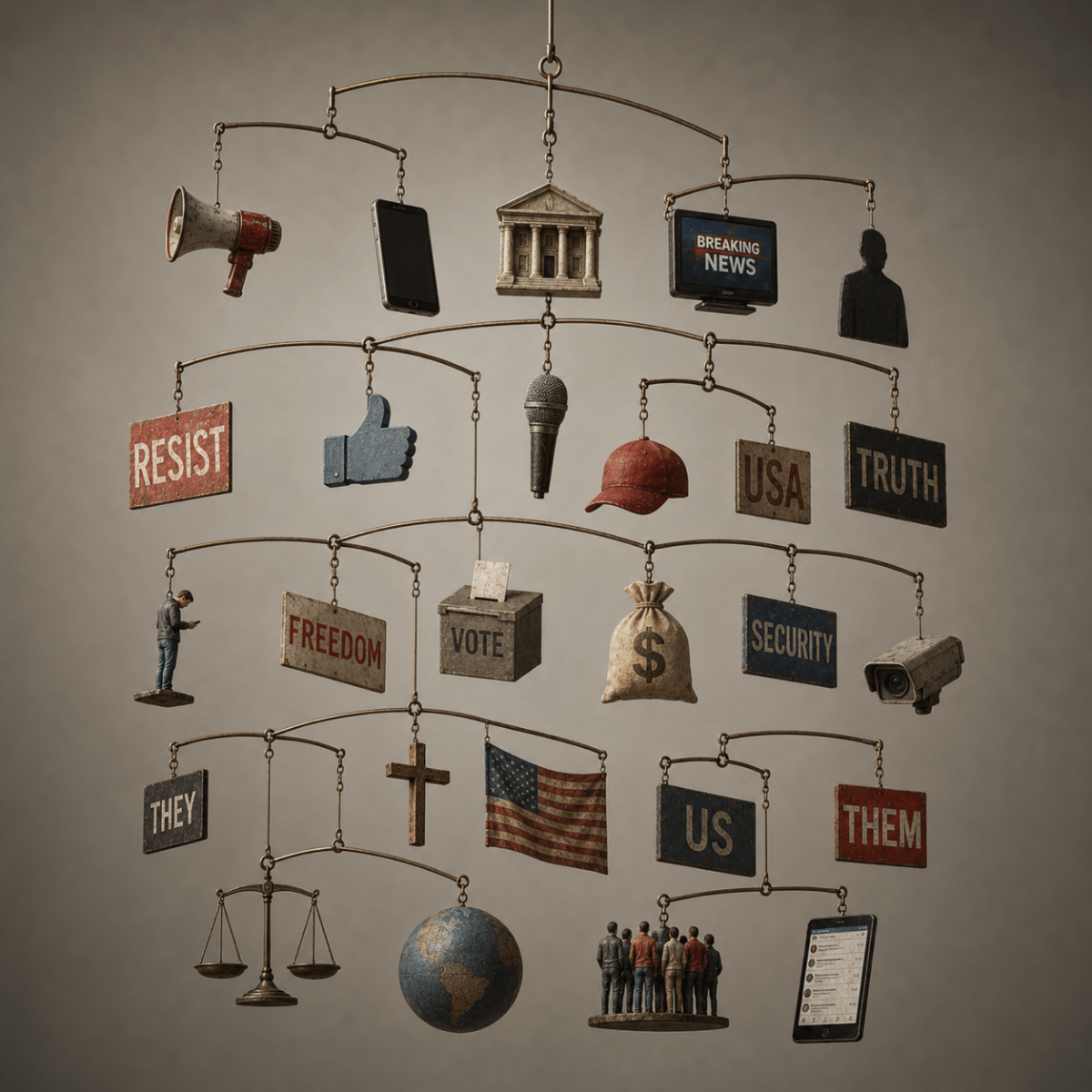
Politics is an abstraction that leverages human beings as an extraordinarily effective method of self-propagation.
Enter a Chorus, beholding the Republic as a cracked glass. Behold the man, not monster, but a mirror, Wherein an age, long sick yet self-amazed, Doth spy its own deformity and cry, “Lo, greatness!” He is no thunderbolt from heaven cast, But weather bred within the common air: Distrust made flesh, grievance given tongue, Ambition […]
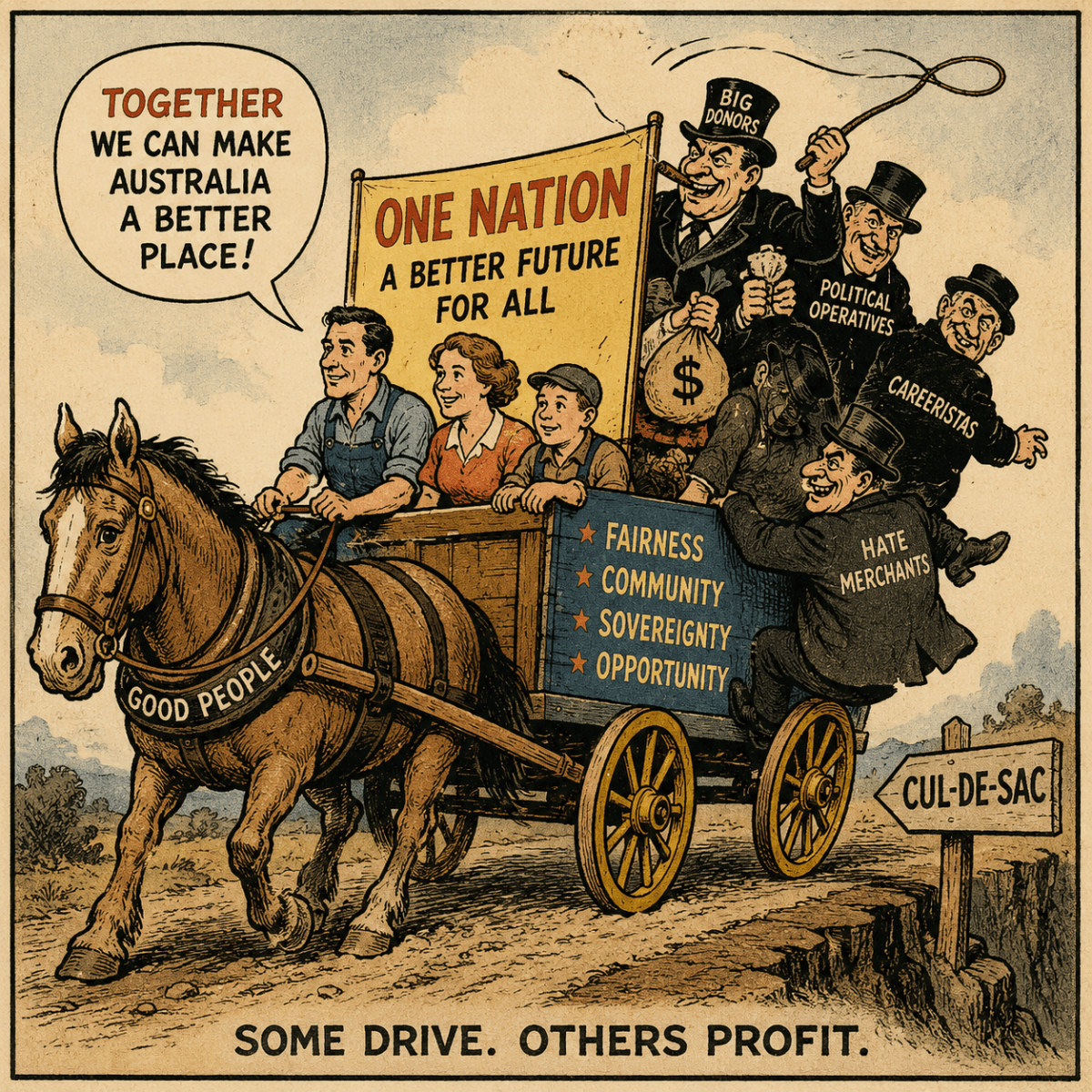
They paint themselves into a hyper-simplistic corner because simplified narratives feel stabilising during periods of systemic uncertainty. But once political language collapses into slogans, binaries, and permanent outrage, the capacity to think strategically about complex realities begins to erode. The rhetoric that initially appears empowering gradually becomes constraining. Every new problem must be forced through […]
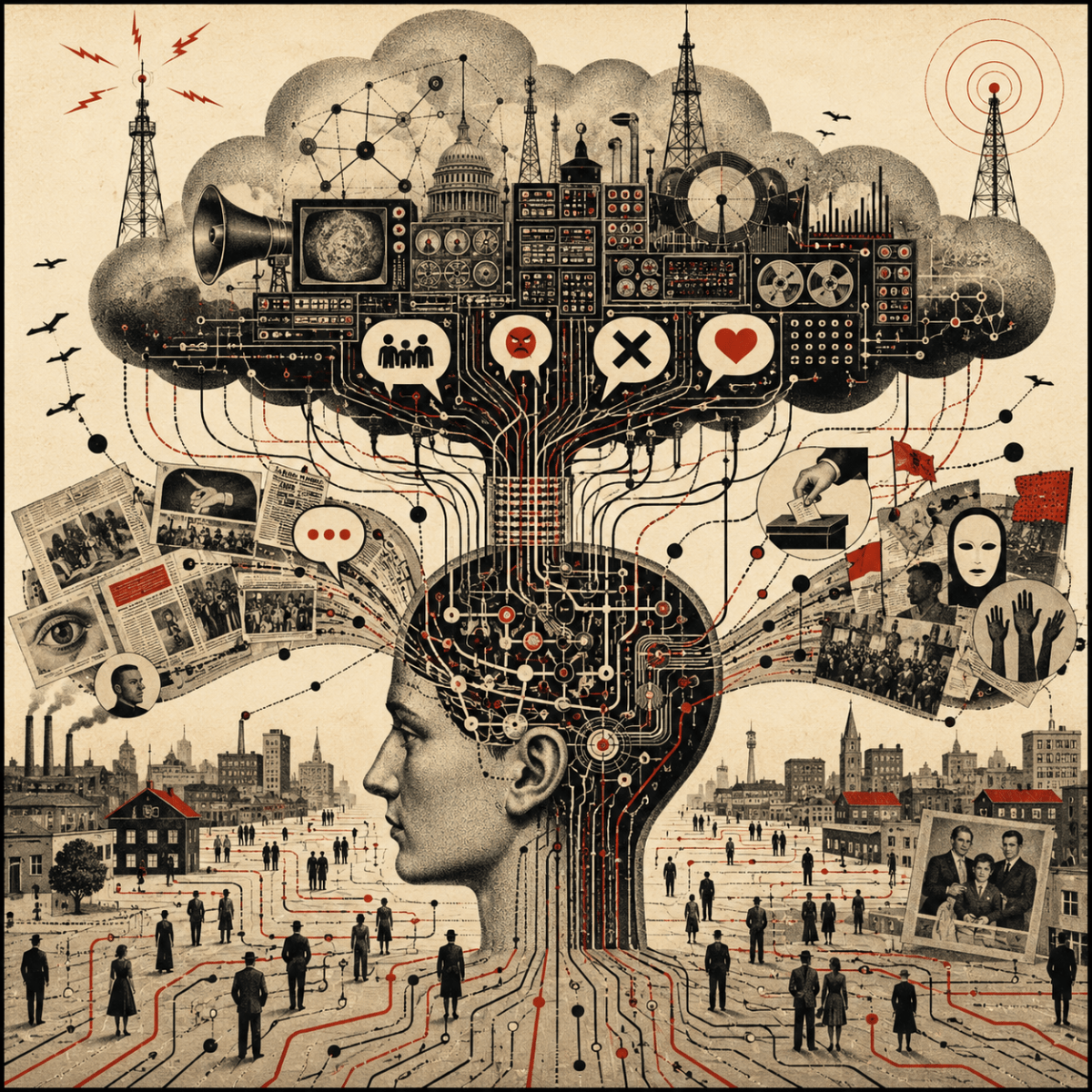
Cognitive bandwidth becomes cultural destiny because the carrying capacity of technologically mediated communication systems exceeds the carrying capacity of the biological minds living inside them.
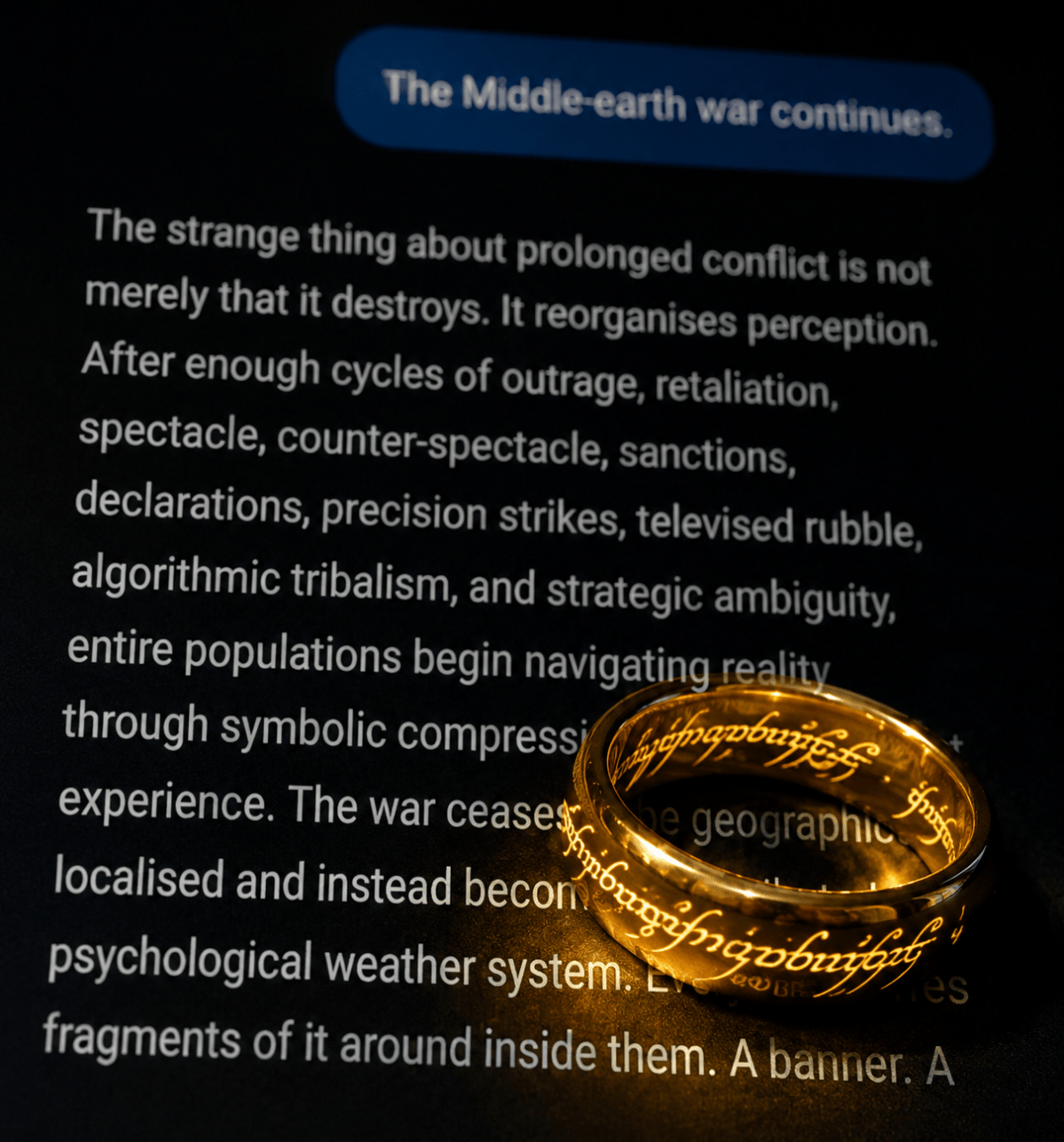
The strange thing about prolonged conflict is not merely that it destroys. It reorganises perception. After enough cycles of outrage, retaliation, spectacle, counter-spectacle, sanctions, declarations, precision strikes, televised rubble, algorithmic tribalism, and strategic ambiguity, entire populations begin navigating reality through symbolic compression rather than direct experience. The war ceases to be geographically localised and instead […]
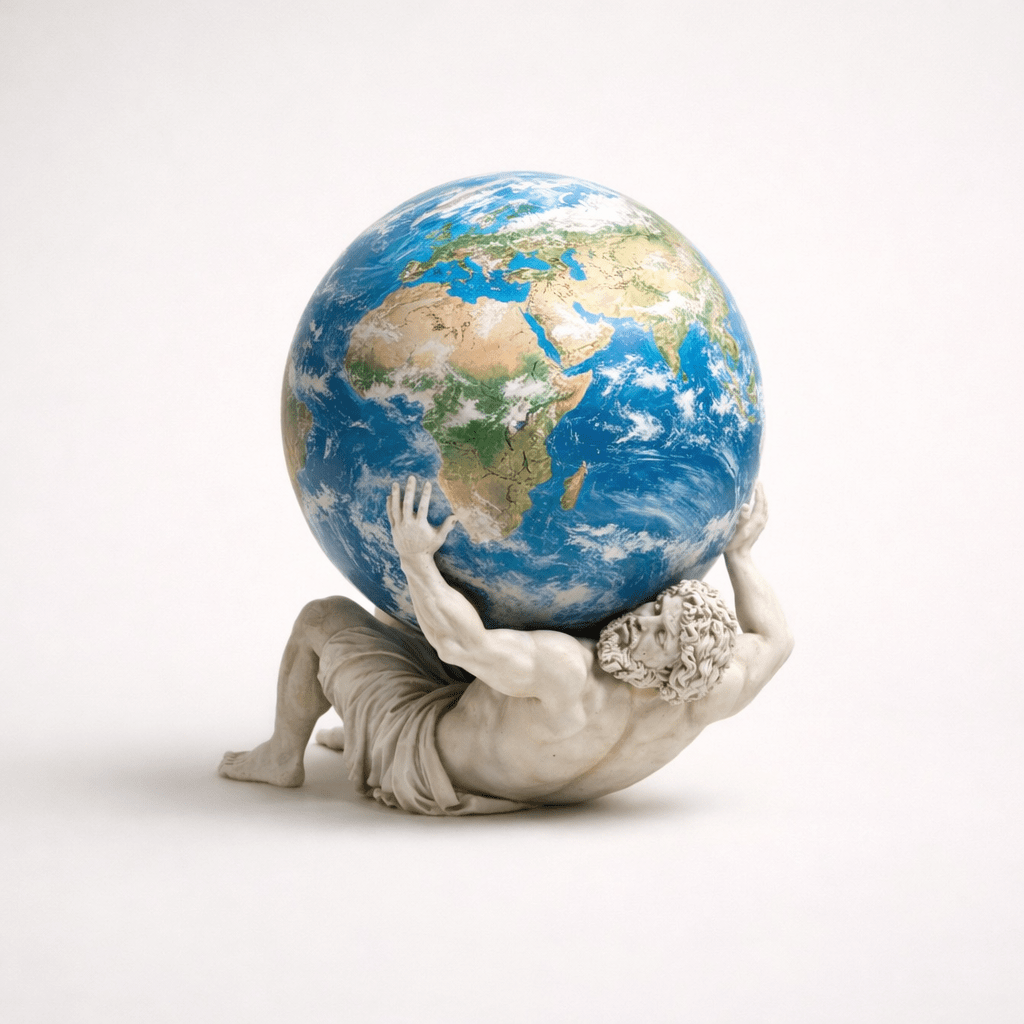
Populist symbolism travels by detaching feeling from place, consequence, and thought, then giving borrowed socio-psychological anxiety the dissimulating smoke and mirrors of a theatrical political and identity performance.

Donald Trump’s political method appears less like governance than domination: pressure, spectacle, threat, loyalty-testing, and the constant conversion of complexity into personal grievance. The more important question may not be whether this reveals his own limitations, which are visible enough in the public record, but what kind of system could look at those limitations and […]

The statistical field is already acting before the subject appears as a moral interpreter. This is the part capitalism prefers not to see, because capitalism tells its favourite story backwards: the individual wants, chooses, competes, acquires, rises, fails, deserves. But the field has already moved first. Exposure precedes intention. Repetition precedes belief. Scarcity, status, threat, […]

Simple stories percolate because they compress reality into something the nervous system can carry. They move quickly, bind groups, assign blame, and generate the pleasant illusion that the world has become legible at last. Complexity does the opposite. It slows perception, forces qualification, and asks the mind to hold incompatible truths in suspension without collapsing […]

The Mad King is usually treated as a personality problem. History supplies familiar figures. Erratic rulers, impulsive leaders, volatile decision makers whose behaviour appears to bend events. Yet this framing may be backwards. Instability at the top of power hierarchies may emerge not from individual psychology but from the structure of complex social systems themselves, […]
Have a WordPress.com account? Log in now.

