The paradox is how to preserve a planetary civilisation’s capacity for emergent self-regulation without irreversibly surrendering it to the political, economic and technological artefacts, entities and systems established to manage and control it.

The paradox is how to preserve a planetary civilisation’s capacity for emergent self-regulation without irreversibly surrendering it to the political, economic and technological artefacts, entities and systems established to manage and control it.

Technology, corporate power, political division and institutional decay are undermining civilisation. Understanding how these forces reproduce themselves is the beginning of change.
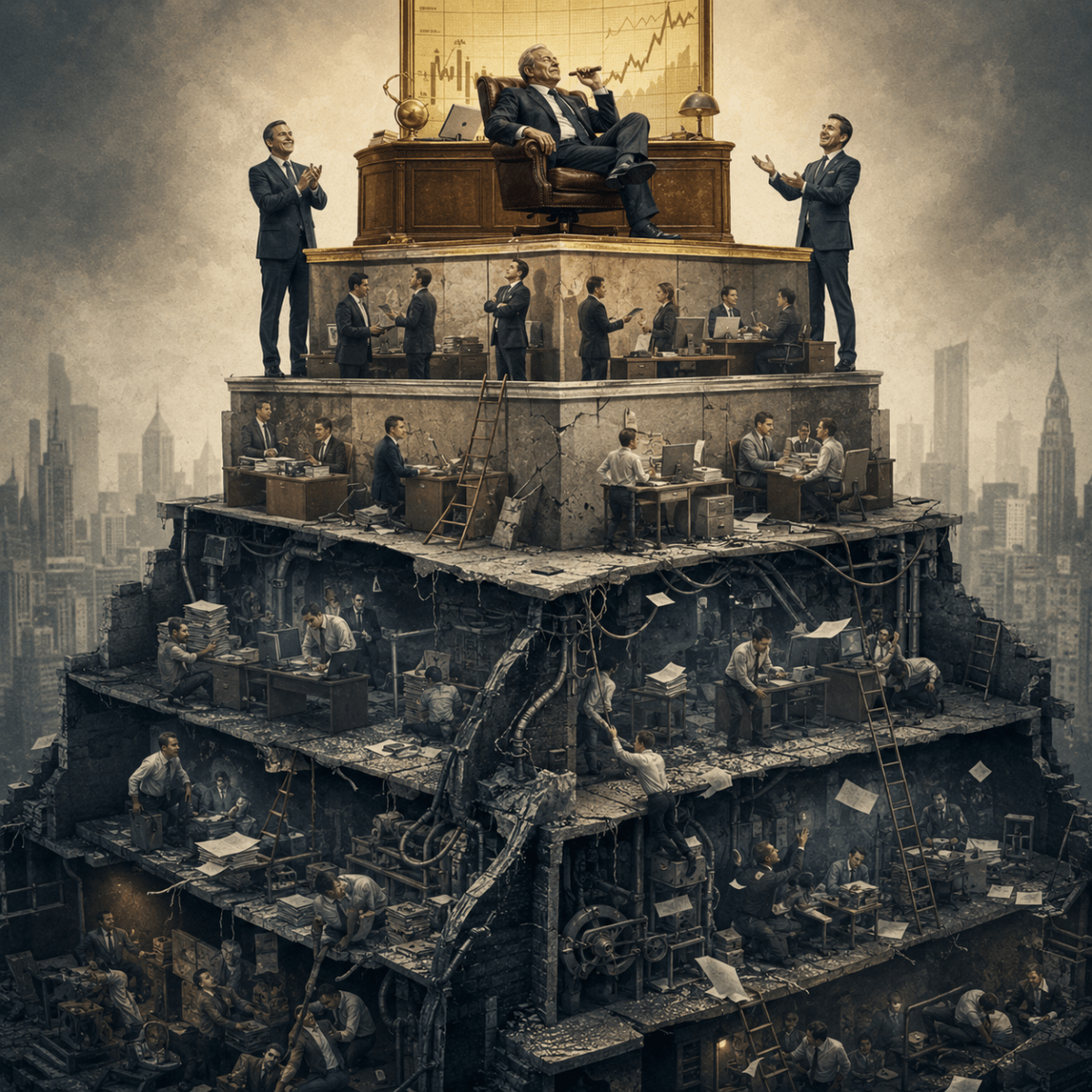
Administrative systems fail when they become better at preserving their own procedures than understanding or remediating the human realities those procedures were intended to address.
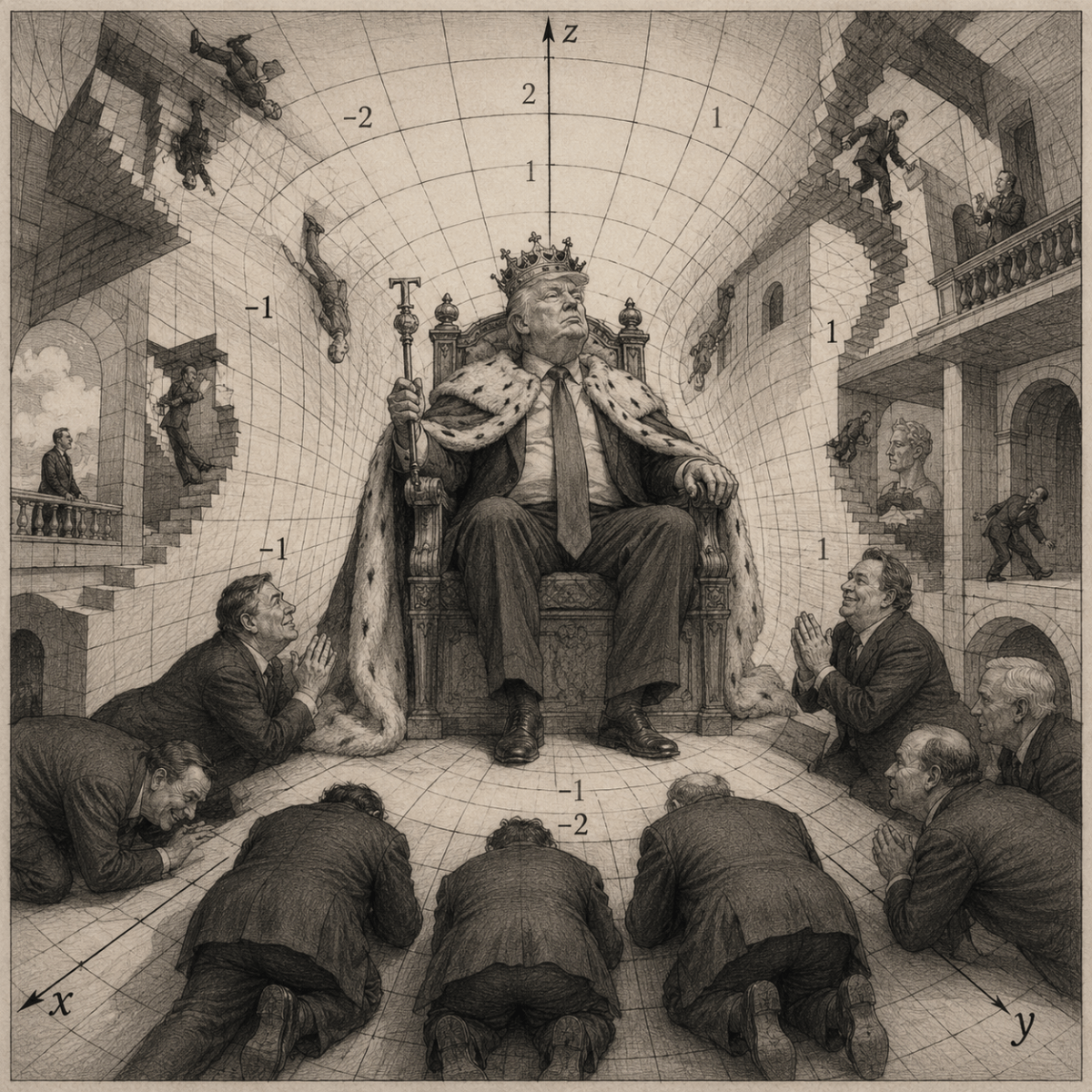
The court of red caps and lacquered smiles now finds itself chained to a king who mistakes appetite for destiny and spectacle for wisdom at precisely the historical moment requiring restraint, literacy, diplomacy, patience, and institutional coherence.

The deeper damage is not simply geopolitical. It is symbolic. Empires survive contradictions all the time; people expect power to be compromised. What becomes dangerous is when the symbolic frame fractures. America spent generations exporting not merely military power or economic leverage, but a narrative about procedural stability, institutional continuity, constitutional restraint, and a vaguely […]
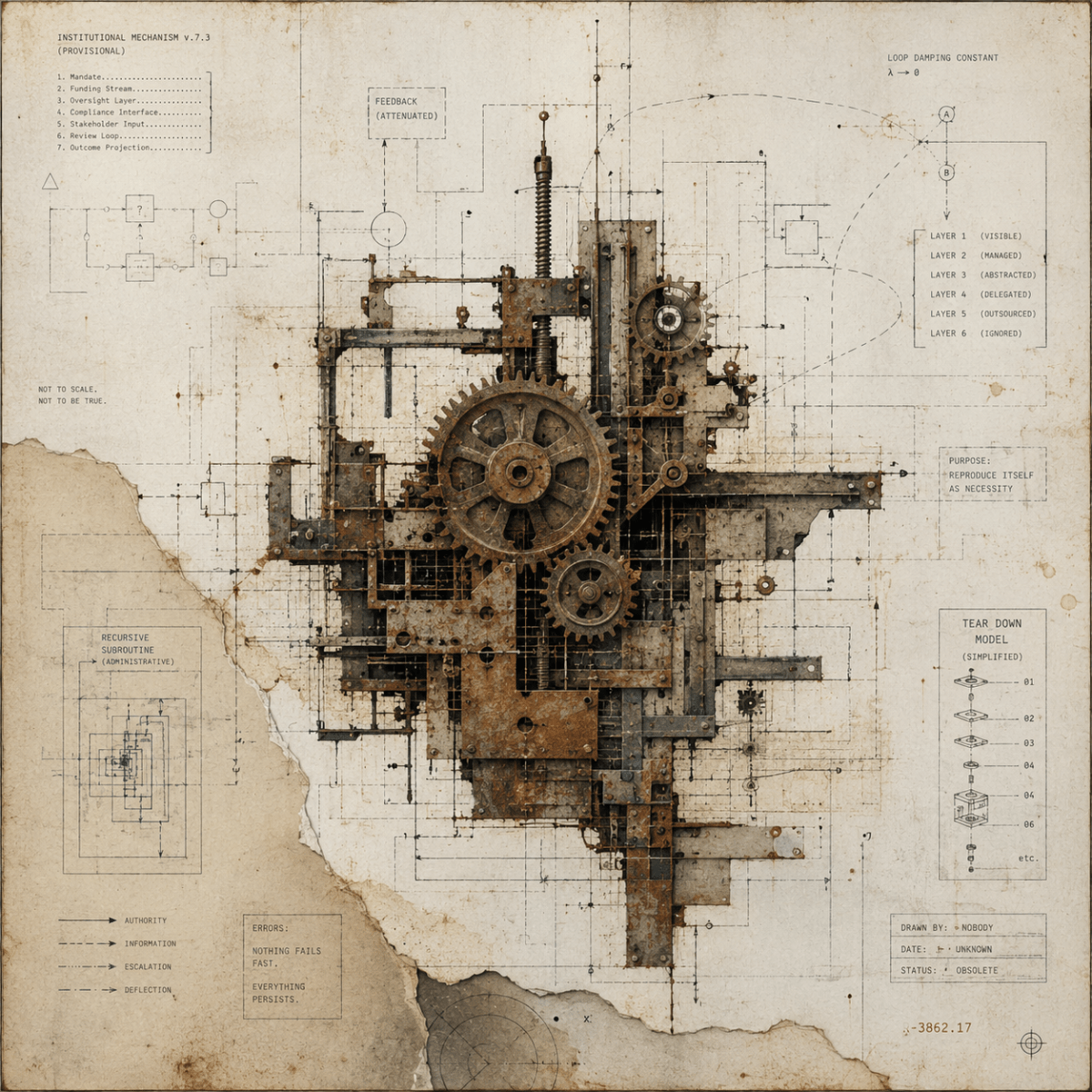
The Institute for Transformative Futures began with a manifesto, three beanbags, and a volcanic certainty that every institution before it had been morally and intellectually compromised. Its founders spoke in the ecstatic tones of people who had recently discovered systems theory and now suspected they alone could perceive the invisible architecture of power. They would […]
…and the world still offers beauty without asking for an account, a password, a dashboard, a technical-debt register, or a defensible reason; nevertheless, we now live inside a rusting scaffold of technological systems, each one Frankenstein-rebuilt from yesterday’s failures and sold as tomorrow’s cure. Social media is only the visible rash. Beneath it sits the […]
Donald Trump’s political method appears less like governance than domination: pressure, spectacle, threat, loyalty-testing, and the constant conversion of complexity into personal grievance. The more important question may not be whether this reveals his own limitations, which are visible enough in the public record, but what kind of system could look at those limitations and […]
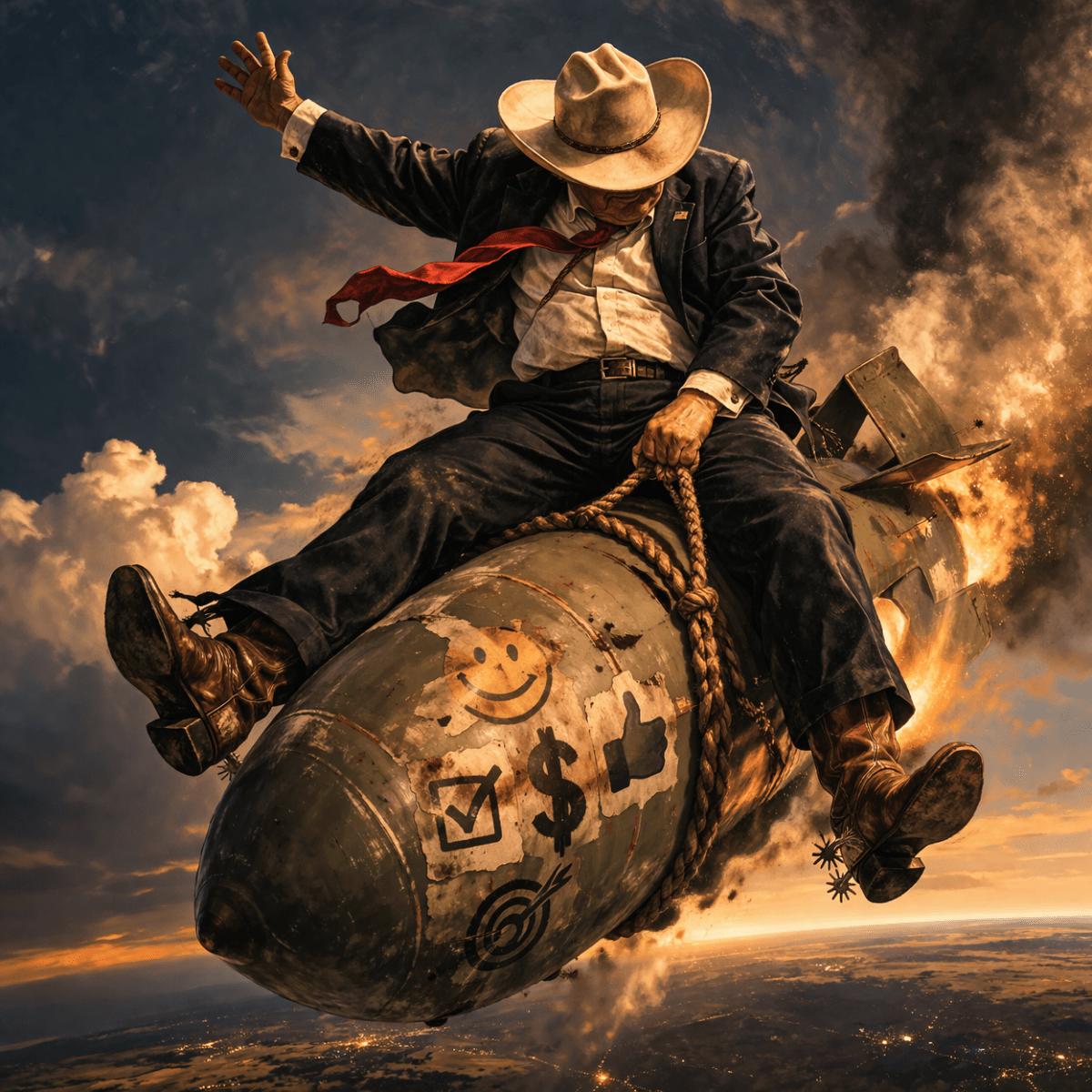
Large populations have, at various points in history, rallied behind loud, simple, certainty-projecting figures who promise restoration, strength, or clarity amid confusion, even as those same movements steadily erode the very conditions upon which stability and shared reality depend, the quiet alignment between what people say, what they do, and what the world allows to […]
Most people, across most periods of history, have lived less under grand political visions than under a weary determination to survive whichever charlatan, tyrant, or narcissist happens to drift into power at a given moment and in a given place. Populations are carried along in different ways. Some are swept up in the intoxication of […]
Identity formation requires antithesis. In the United States, political coherence has long been organised around opposition: liberty against tyranny, democracy against monarchy, capitalism against communism, freedom against control. These oppositions carved boundaries that stabilised national identity, generated purpose, and coordinated collective action. Opposition was not incidental. It was structural. Without it, American identity would have […]
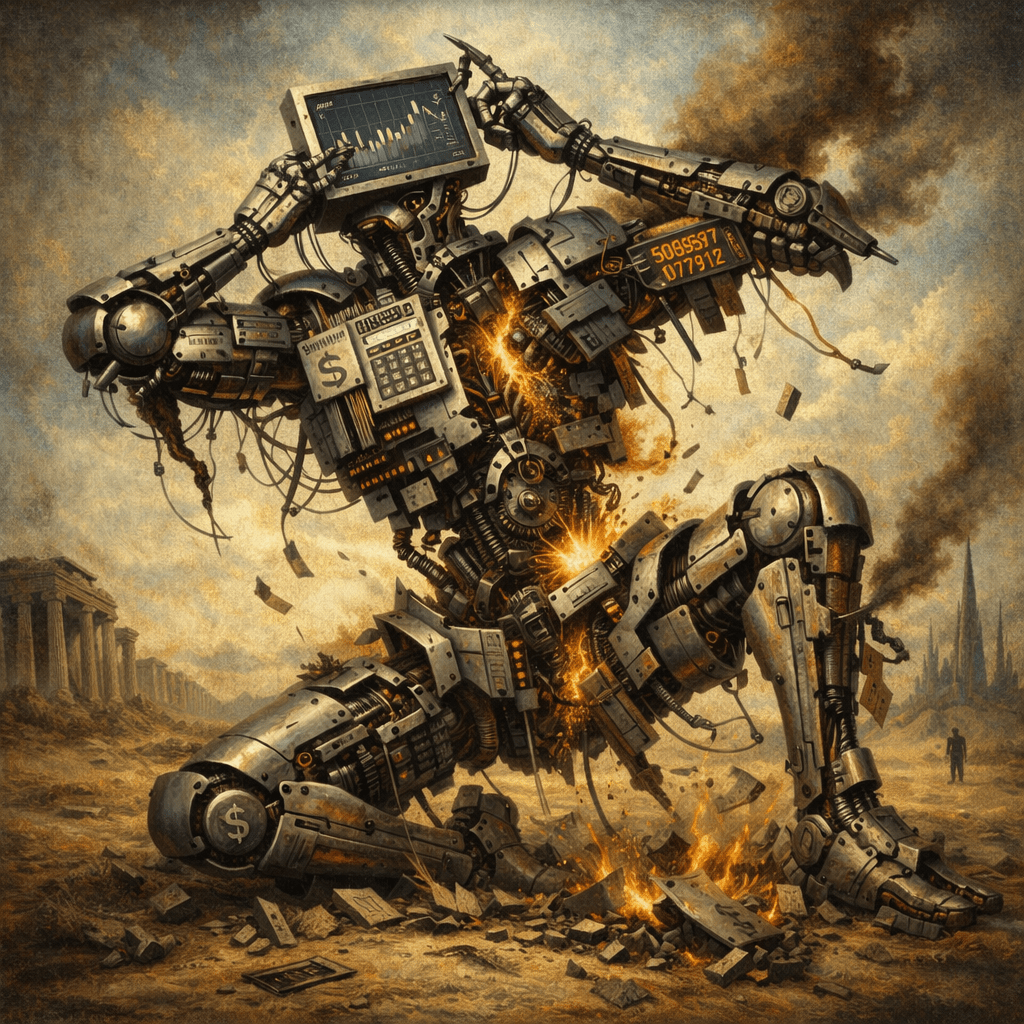
Systems of governance and regulation, insofar as they attempt to secure social, economic, and existential continuity, are structurally compromised. Their primary function is not effective service delivery, but the preservation of administrative and status hierarchies. Continuity of role, office, and influence comes first; the public good follows, if at all. Politics becomes theatre. Institutions become […]
Have a WordPress.com account? Log in now.

