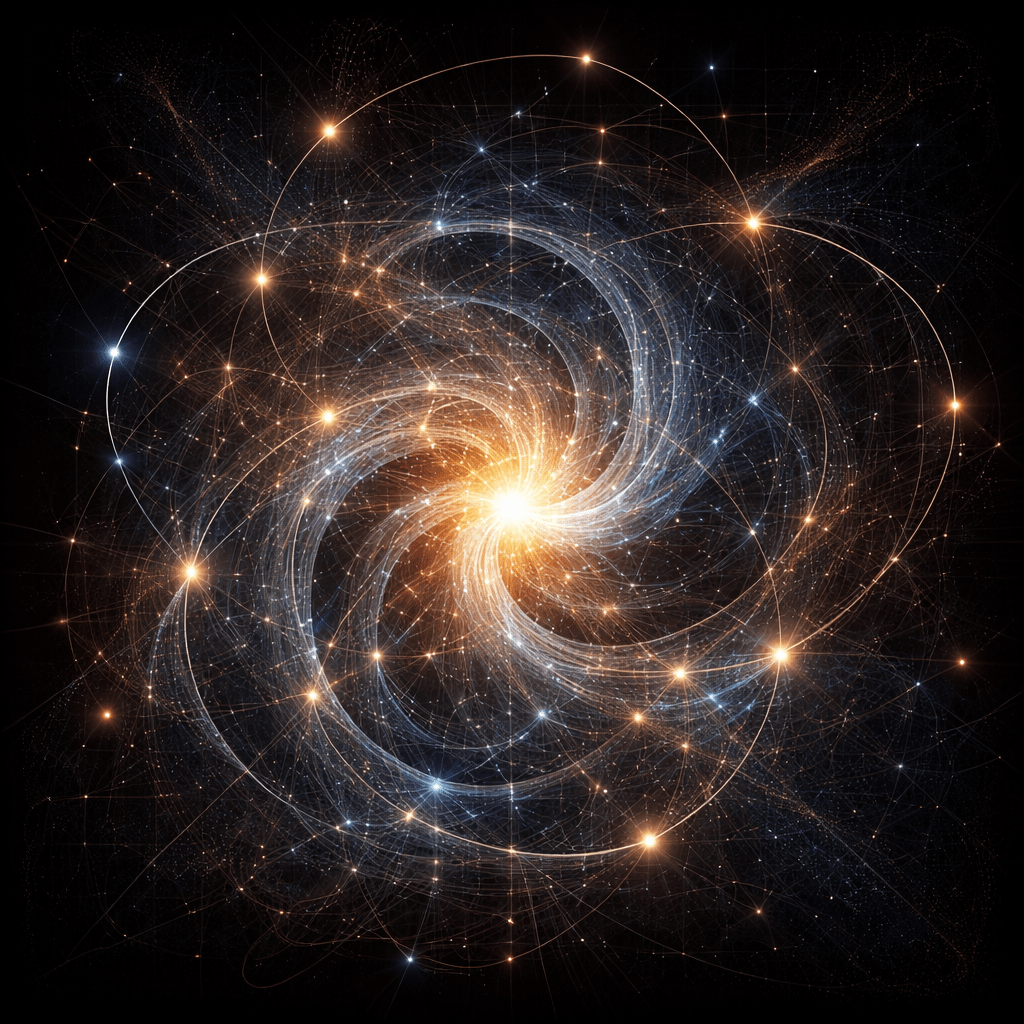
Holism begins from a simple observation: nothing exists alone. Every person, institution, technology, economy, ecosystem, and belief system exists through relations that extend beyond itself. The individual matters. The wider field matters too. Much of human conflict emerges when we mistake local interests for universal ones, forgetting the dependencies that make those interests possible in the first place.
Peace is not merely the absence of war. It is the successful management of difference. A healthy society does not eliminate disagreement. It creates conditions under which disagreement can occur without collapse. Democracy, at its best, is an institutional expression of this principle. It accepts that no person, party, ideology, or generation possesses complete knowledge. Diversity of perspective becomes a source of resilience rather than a threat to be extinguished.
Ecology extends the same logic beyond human affairs. Forests, rivers, oceans, climate systems, animals, technologies, and cultures form overlapping networks of dependence. Damage one part of the system and consequences propagate elsewhere, often in ways that remain invisible until much later. The lesson is neither romantic nor mystical. It is practical. Interdependence is not an opinion. It is a condition.
Freedom is often imagined as independence. Yet complete independence does not exist. Every freedom depends upon infrastructure. Roads, power grids, food systems, communications networks, legal frameworks, education, public health, and countless other forms of collective organisation make individual choice possible. Freedom is not the absence of dependency. It is what becomes possible when dependencies function well.
Holism therefore leads neither to authoritarian control nor to isolated individualism. It points toward a dynamic balance. Peace without freedom becomes stagnation. Freedom without responsibility becomes fragmentation. Democracy without participation becomes theatre. Ecology without human flourishing becomes alienation. The task is not perfection. It is maintaining a living equilibrium between competing needs while remembering that the field sustaining us is always larger than the parts through which we encounter it.


8 replies on “peace, pieces, holism”
LikeLike
LikeLike
LikeLike
LikeLike
LikeLike
LikeLike
LikeLike
LikeLike