We mistake the world we inherit for a world that must be this way. History, habit and collective belief conceal a more uncomfortable truth: our civilisation is simply what did happen, not what had to happen.

We mistake the world we inherit for a world that must be this way. History, habit and collective belief conceal a more uncomfortable truth: our civilisation is simply what did happen, not what had to happen.

Political systems are historical constructions, not immutable necessities. Their persistence does not establish their continuing adequacy.

The most important pattern in modern society is the one almost nobody is looking for.
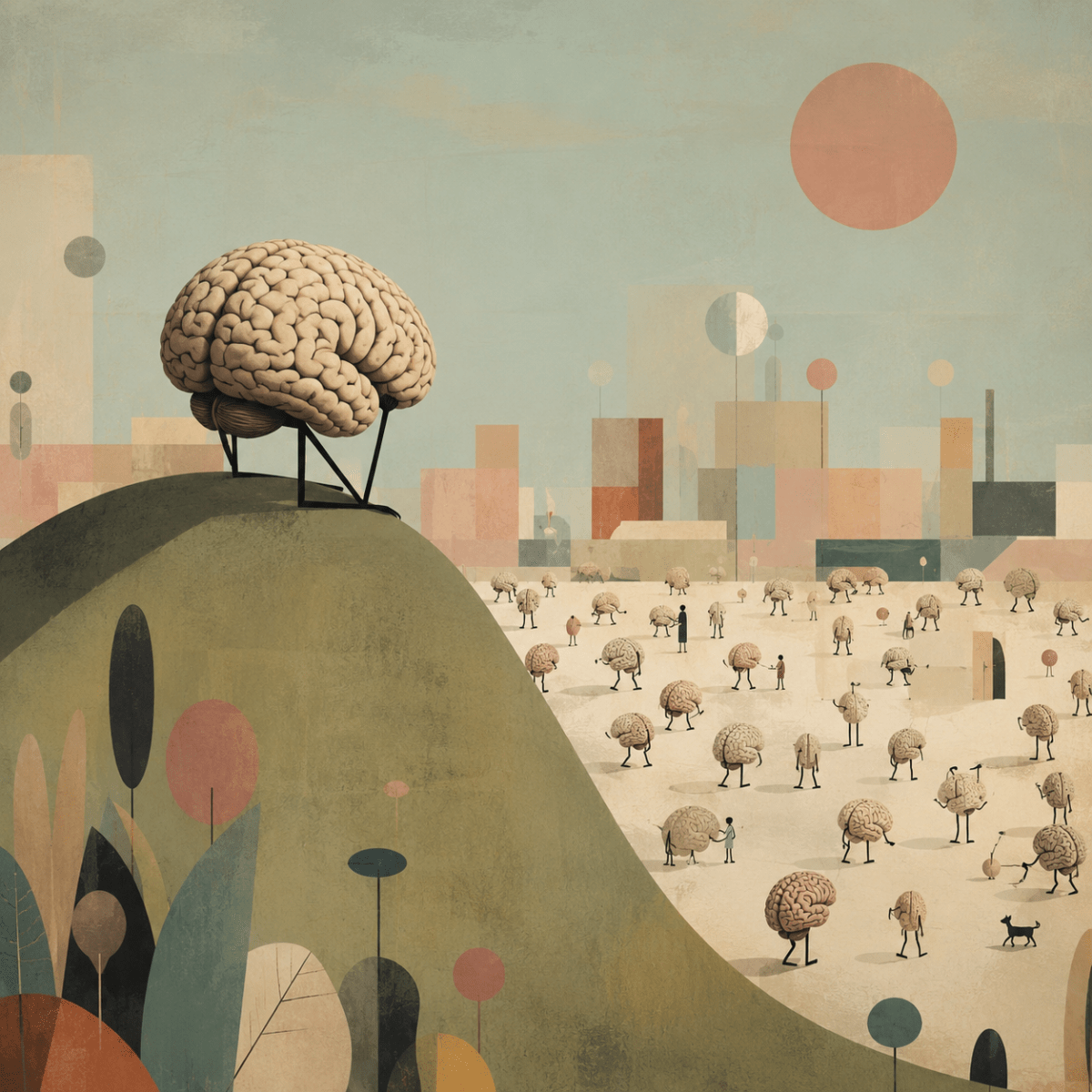
Political science inherits the person from philosophy without explaining it.

Peace is not the absence of conflict but the difficult art of sustaining difference without collapse.
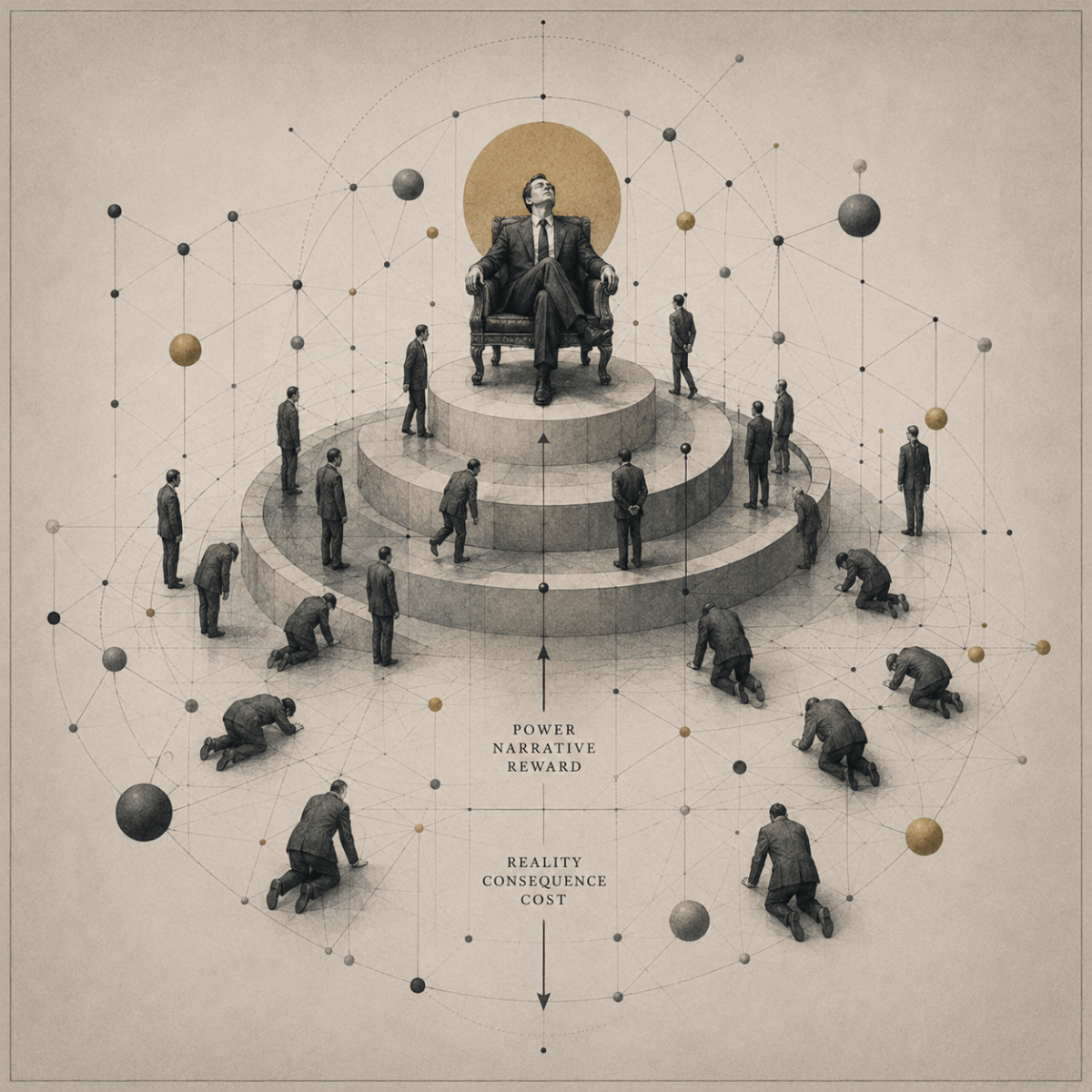
When organisations confuse confidence with competence, wealth with wisdom, and power with understanding, incompetence is no longer simply a failure of leadership but becomes one of its preferred production methods.

Fear of others is not finally fear of difference, but fear of the gap through which the self discovers it was never solid, never alone, and never entirely its own.

Language does not contain the world; the world contains language, yet impoverished meaning becomes machinery, mythology, and moral fact precisely when language behaves as though its crude categories contain reality itself.
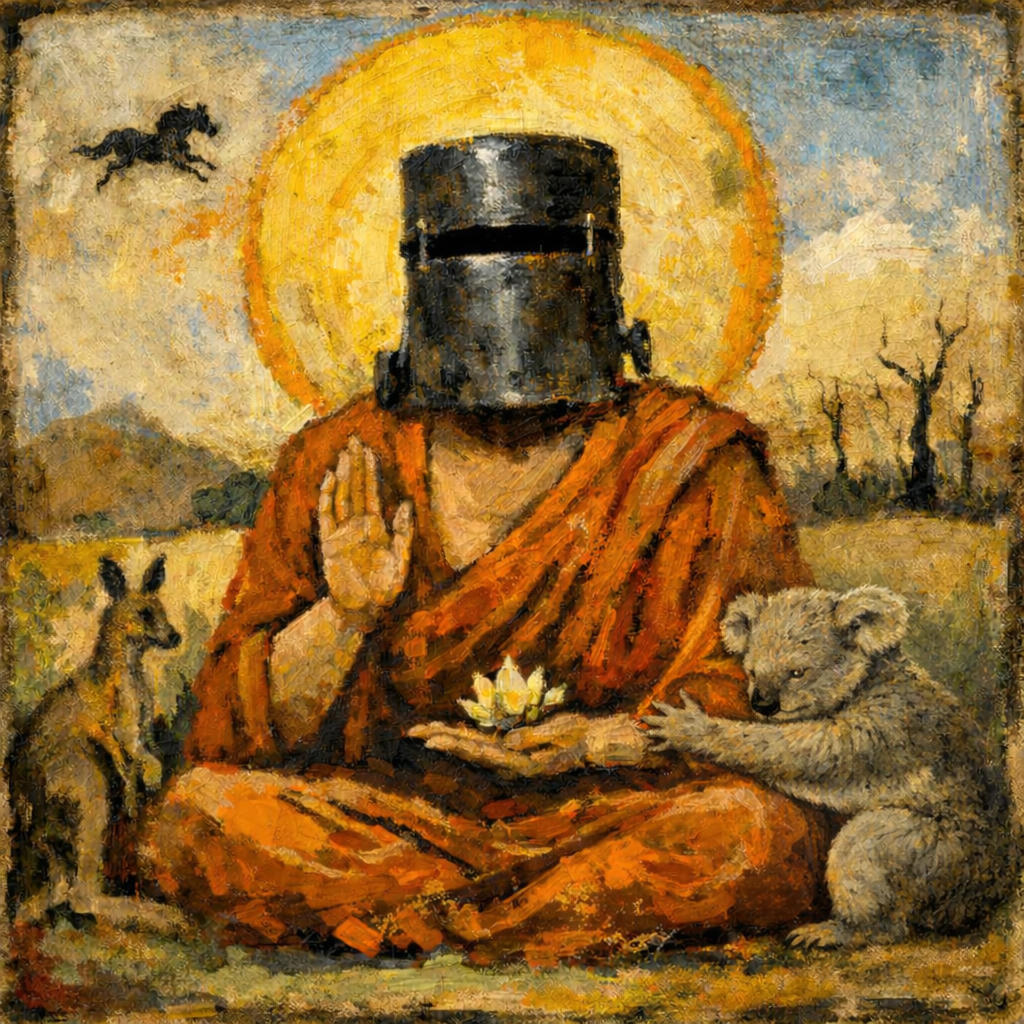
What is missing precedes the language with which we attempt to describe its consequences.

Socio-political order does not arise because disorder has been removed, nor because conflict has been resolved. Large human systems endure by carrying tension and strain they cannot resolve: unequal interests, delayed consequences, institutional blind spots, competing stories, partial knowledge, uneven power, and the constant need to adapt. What looks like stability is usually a local […]

It is a strange and quietly dangerous habit of our age to treat peace, language, and meaning as though they arrive fully formed at the end of history, fixed as semiotic anchors to be engineered, stabilised, and installed, rather than as fragile continuities that persist only because the relations that give them form are never […]
E pluribus unum, a phrase born of an early republic trying to hold together difference without crushing it, means quite plainly out of many, one, yet its force lies not in patriotism or unanimity but in the harder truth that a coherent whole does not precede its parts but arises only because distinct lives, voices, […]

