The paradox is how to preserve a planetary civilisation’s capacity for emergent self-regulation without irreversibly surrendering it to the political, economic and technological artefacts, entities and systems established to manage and control it.
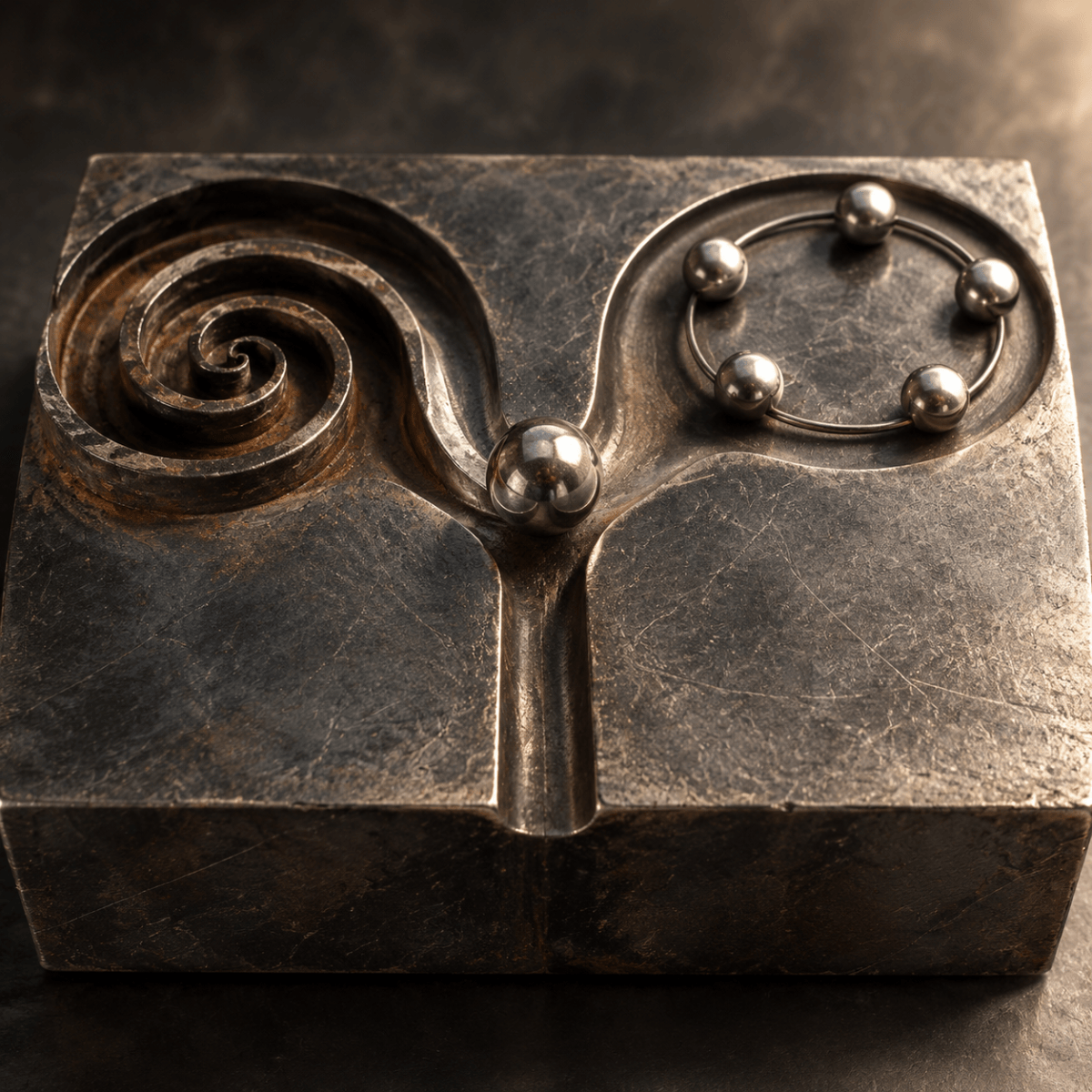
The paradox is how to preserve a planetary civilisation’s capacity for emergent self-regulation without irreversibly surrendering it to the political, economic and technological artefacts, entities and systems established to manage and control it.
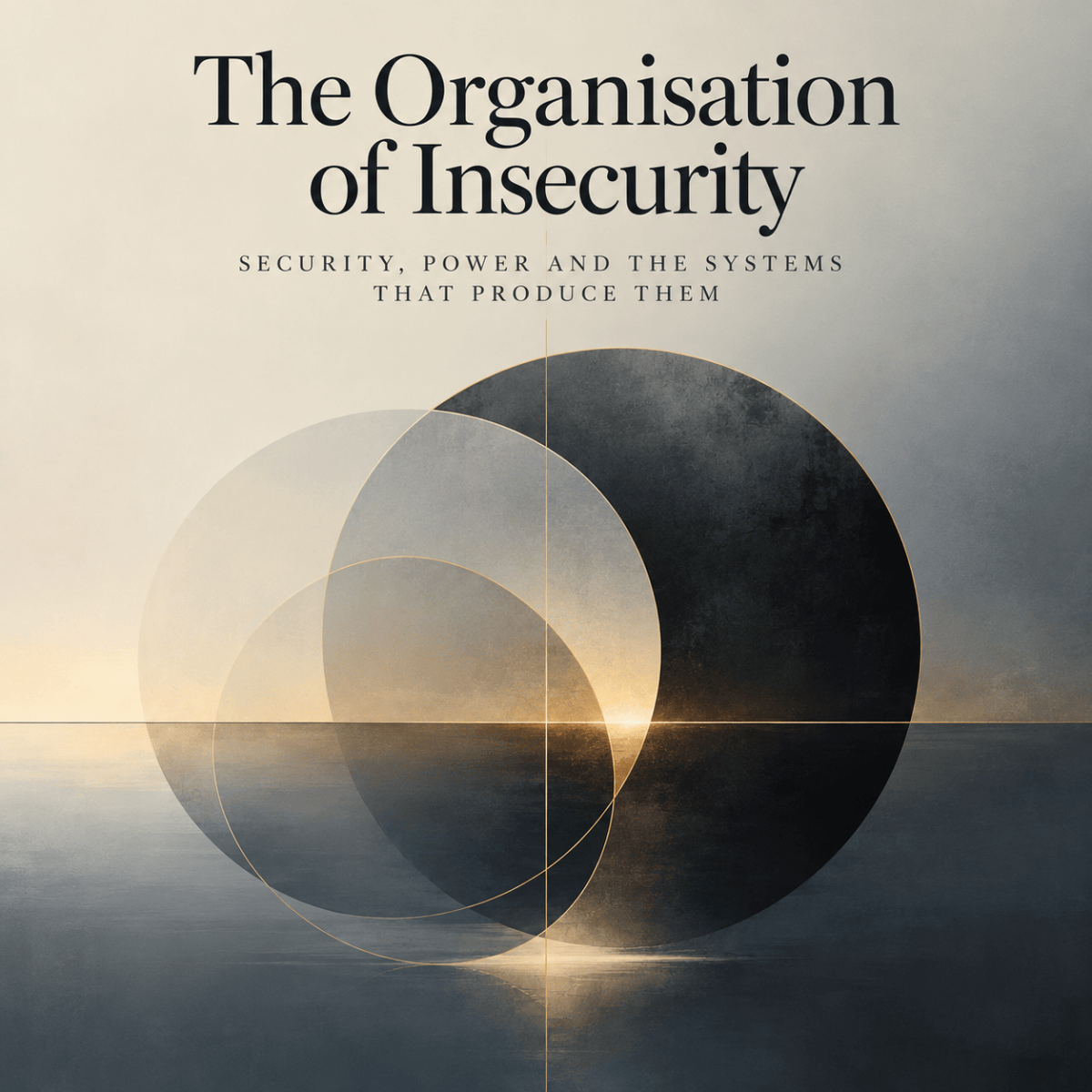
A more durable security paradigm would concern the organisation of differences through which competition can continue without destroying the conditions necessary for its participants to survive.

The climate is not obliged to change at a pace convenient to those living within it.

Everyone knows a dickhead. The interesting question is why the conditions that generate them do so, enduringly, and with such uncanny frequency.

Civilisations persist by continually reorganising themselves. The unanswered question is whether conflict, crisis and systemic collapse/renewal remain the principal means through which that persistence is achieved.

The objective function of civilisation is not wealth, growth or power. It is the continual reproduction of the conditions that make civilisation itself possible.

Mechanisms created to manage a recurring condition may become dynamically coupled to, and dependent upon, the continued existence of that condition.

Applying an extranumerary interdimensional eye to the complex, adaptive yet strategic dynamics of climate change.

Still here. Still thinking. Still refusing to disappear.
Second-order phase locking is what happens when systems stop reacting to reality and start synchronising to their expectations of disruption.
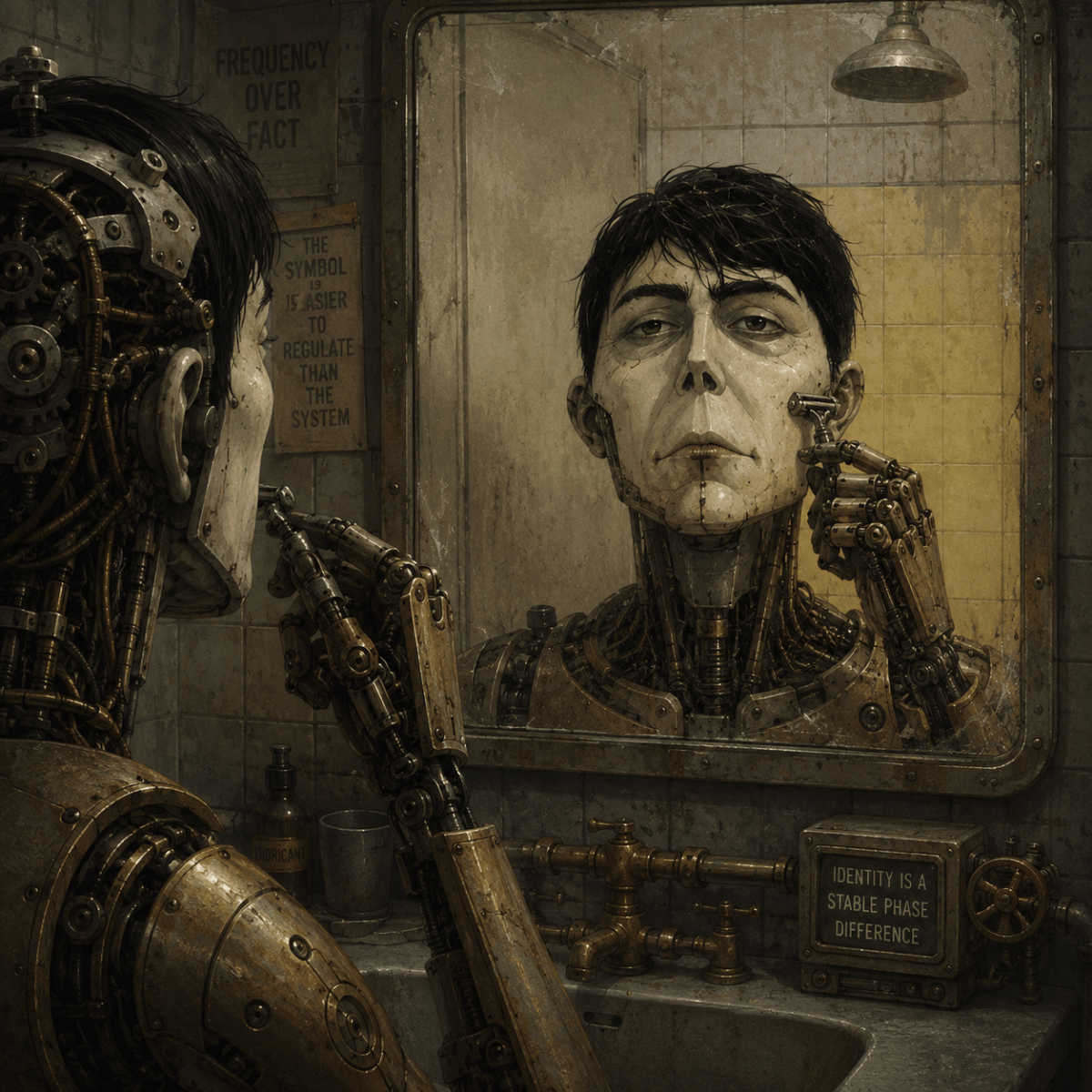
There is no final closure. No permanent certainty. No government that fixes everything forever. There are only systems that adapt well and systems that adapt badly.
Life is not astonishing simply because it exists. It is astonishing because, against every available opportunity to fall apart, it keeps holding together and this resilience is the kernel core of its persistence.
Have a WordPress.com account? Log in now.

