Two strokes left me stranded at the edge of the social world, trying to rebuild an adaptive, communicative interface that most others take for granted.
Categories
my neurological double-tap
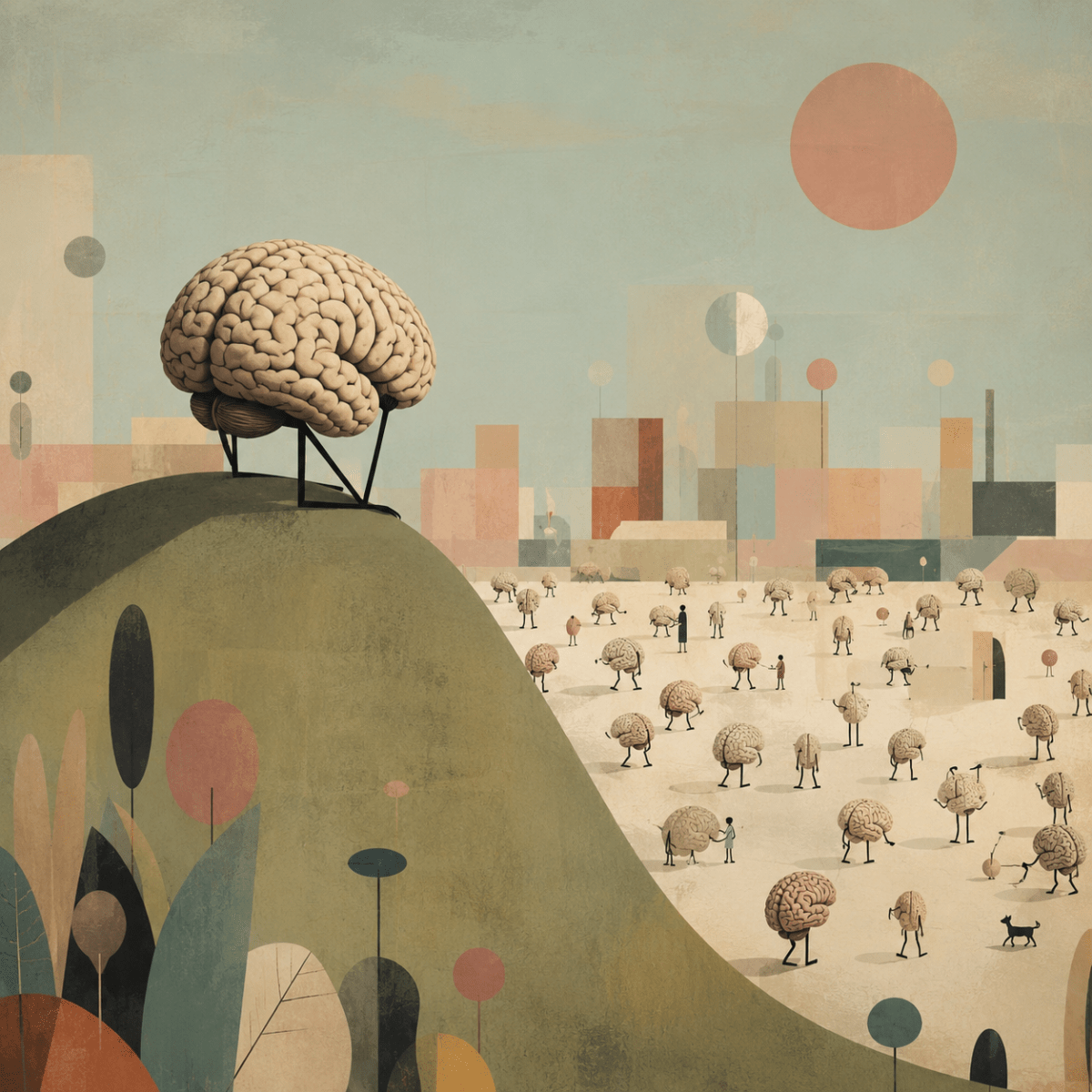
Two strokes left me stranded at the edge of the social world, trying to rebuild an adaptive, communicative interface that most others take for granted.

This post is not about technique, tone, or teaching. It is about a physical risk associated with long, uninterrupted guitar practice that many players may not have considered at all. I have played guitar for decades. Like many serious players, I practised for extended periods, often four to five hours at a time. I play […]
A stroke is the abrupt loss of blood flow to brain tissue, either because a vessel is blocked or because it ruptures. The former is ischaemic, the latter haemorrhagic, and both are catastrophic in different ways. One starves neurons, the other floods the surrounding tissue under pressure. Either path leaves a sudden absence where function […]

Post-stroke psychological exhaustion often reveals itself less in physical depletion than in the operant futility of psychic investments once thought indispensable. Much of the energy that is demanded—whether in meeting social obligations, navigating institutional protocols, or maintaining the relational tissue of external expectations—proves to contribute little to healing. Instead, it perpetuates an endless circuit of […]

Statistically, stroke is among the most disabling medical events. About one-third of survivors regain independence, another third live with permanent disability, and roughly one in four will experience another stroke within five years. The danger is sharpest in the first year, but risk never disappears. Rehabilitation outcomes depend on severity, treatment speed, therapy, and other […]

