Consciousness, free will and the philosophical consequences of asking the wrong question.

Consciousness, free will and the philosophical consequences of asking the wrong question.
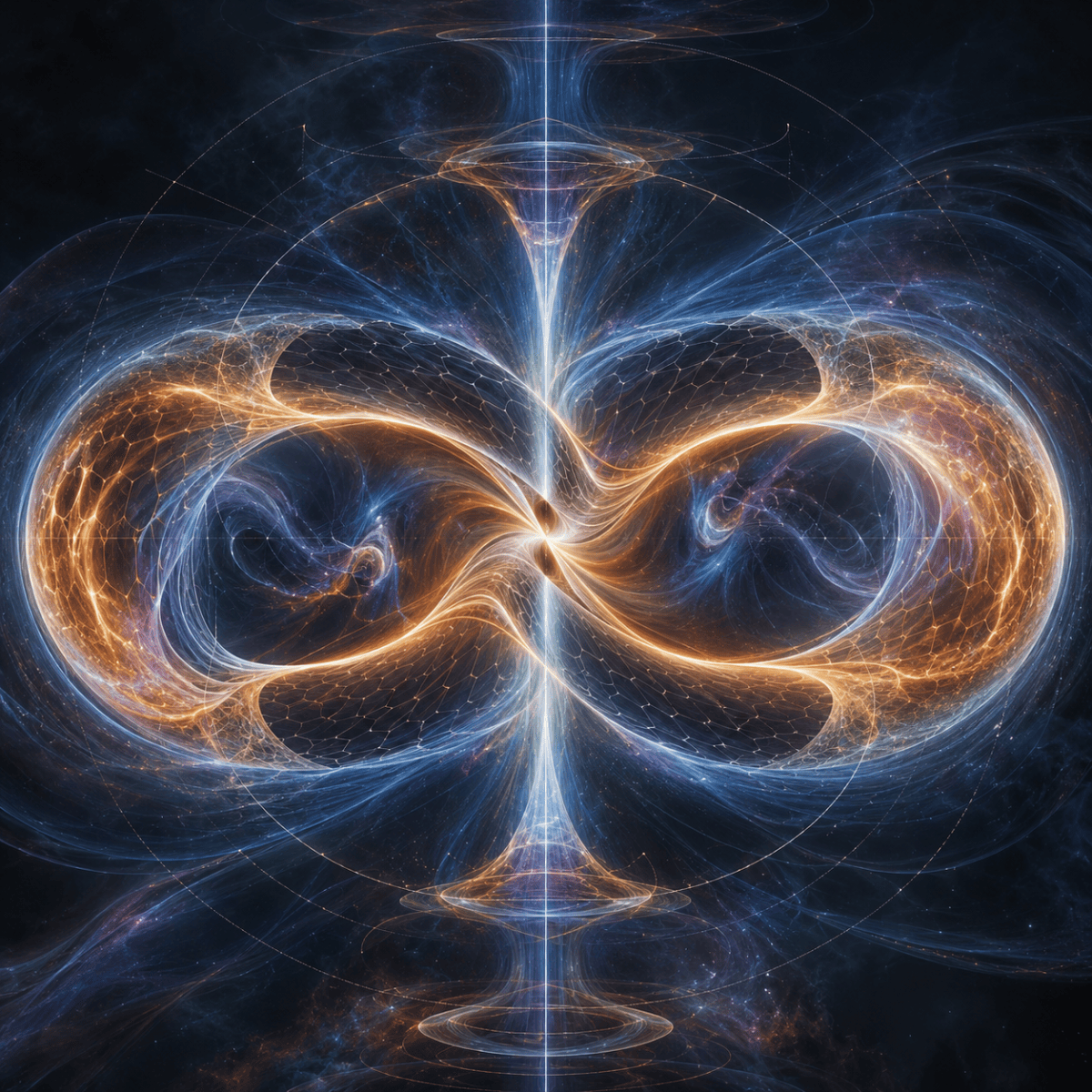
Many years exploring the relationships underlying existence have taught me that understanding requires no permission. Life is short, and eternity remains indifferent to worldy vanity.

We can contemplate the absence of experience only through experience itself. The deepest sadness is not that we die, but how readily we diminish the extraordinary possibility of being alive.

Is artificial intelligence conscious? The deeper question is whether complex mathematical structuire is conscious; what happens when physics, mathematics and technology converge.

From social media and human psychology to Gaia and cosmic self-regulation, an exploration of identity, feedback, emergence and the illusion of control.

What if immortality is not living forever, but something more fundamental? An exploration of consciousness, logical incompleteness, spiritual existence and the possibility that death is essential to life.

Exploring harmonic structure, observation, language and consciousness, and why uncertainty is fundamental to reality and the possibility of knowledge.

Absence is not the opposite of existence, but the generative condition through which difference, organisation, consciousness and cosmos emerge and persist.
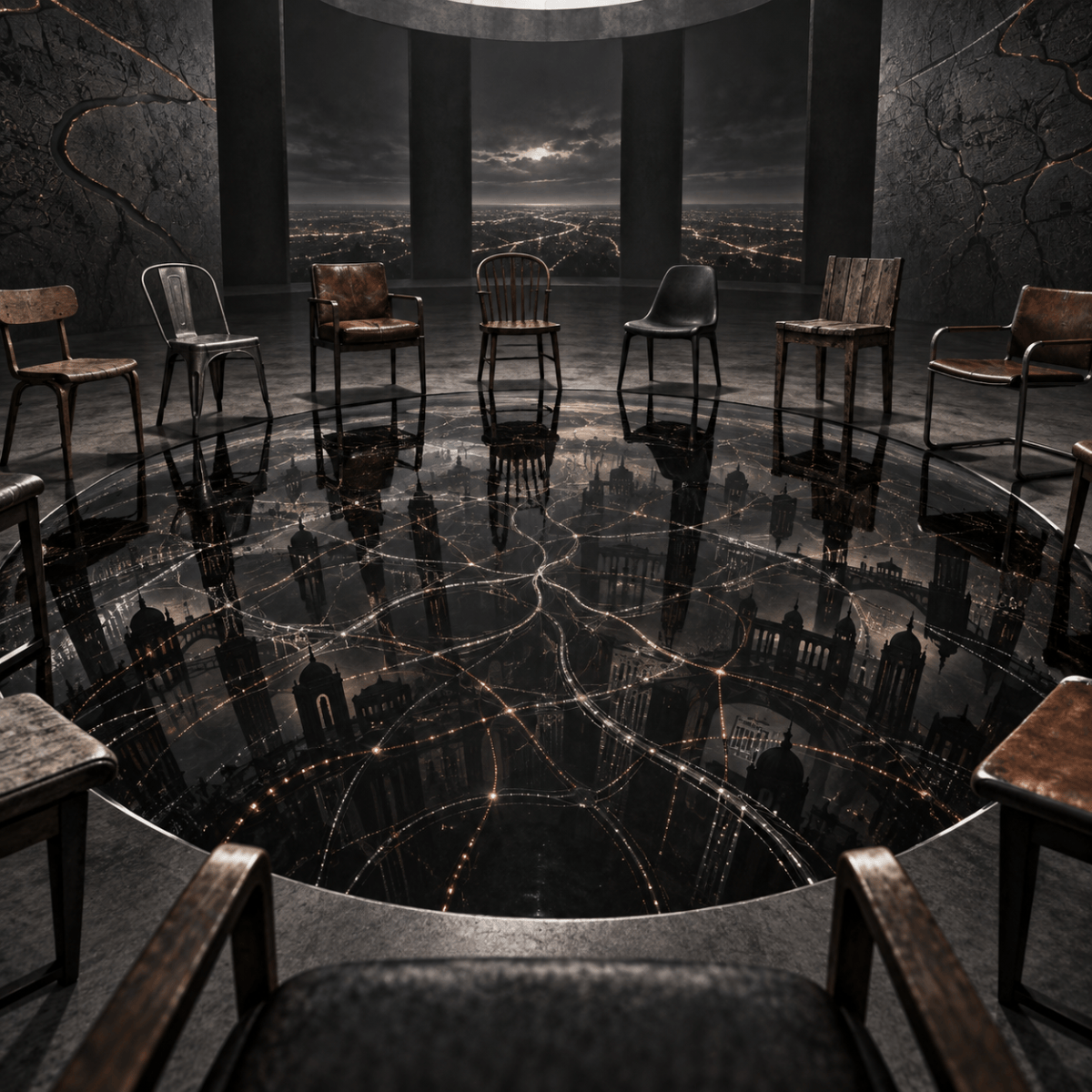
We are not outside the world we are trying to understand. We are (all) implicated in its disorders, participants in its reproduction, and responsible for what happens next.

Heaven is not somewhere beyond the world; if it can be said to exist at all, it must be found within the inexhaustibly complex structure already here.

Absence is not a flaw in the structure. Absence is the engine.
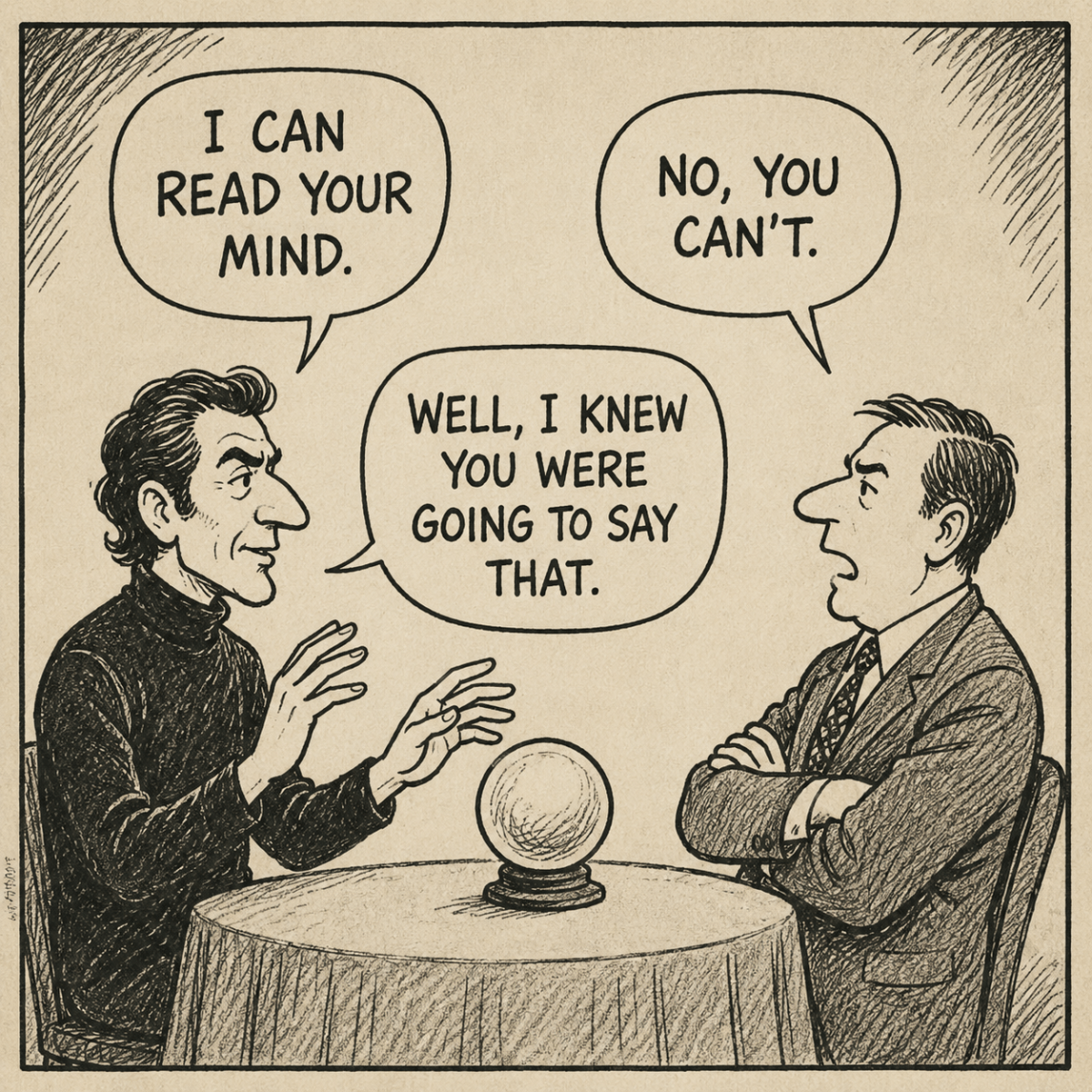
The self depends on a membrane of belief separating “me” from the world, though almost everything constructing that “me” comes from elsewhere.
Have a WordPress.com account? Log in now.

