We mistake the brain for the seat of intelligence and the individual for its owner. Both depend upon a much larger system.
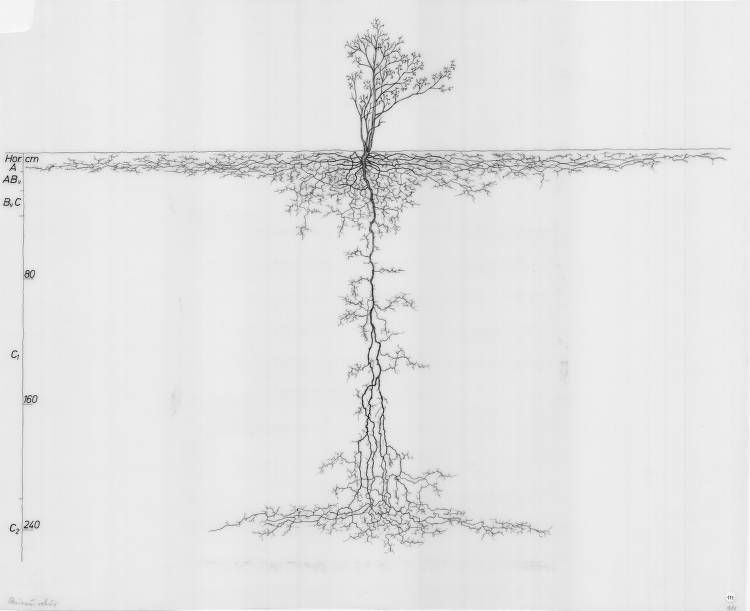
We mistake the brain for the seat of intelligence and the individual for its owner. Both depend upon a much larger system.
Exploring harmonic structure, observation, language and consciousness, and why uncertainty is fundamental to reality and the possibility of knowledge.
The paradox is that philosophy, a discipline nominally concerned with questioning assumptions, has become remarkably accomplished at preserving its own.
Language does more than convey meaning. Its recursive rhythms reproduce belief, conflict and the conditions through which societies persist.
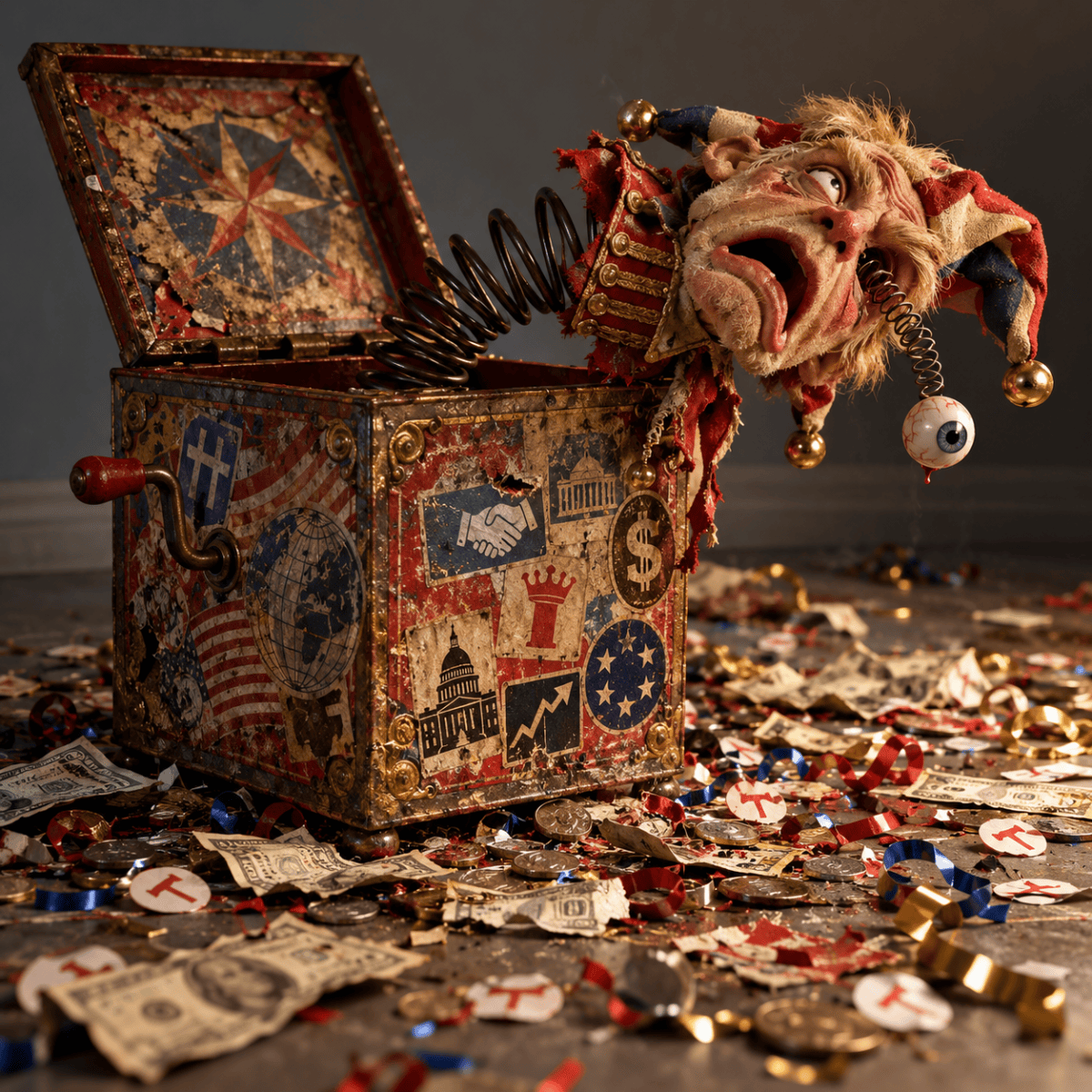
The madness of America is not an isolated national pathology. It reveals how communication synchronises ordinary human vulnerabilities, reproducing antagonism, institutional authority and collective irrationality.
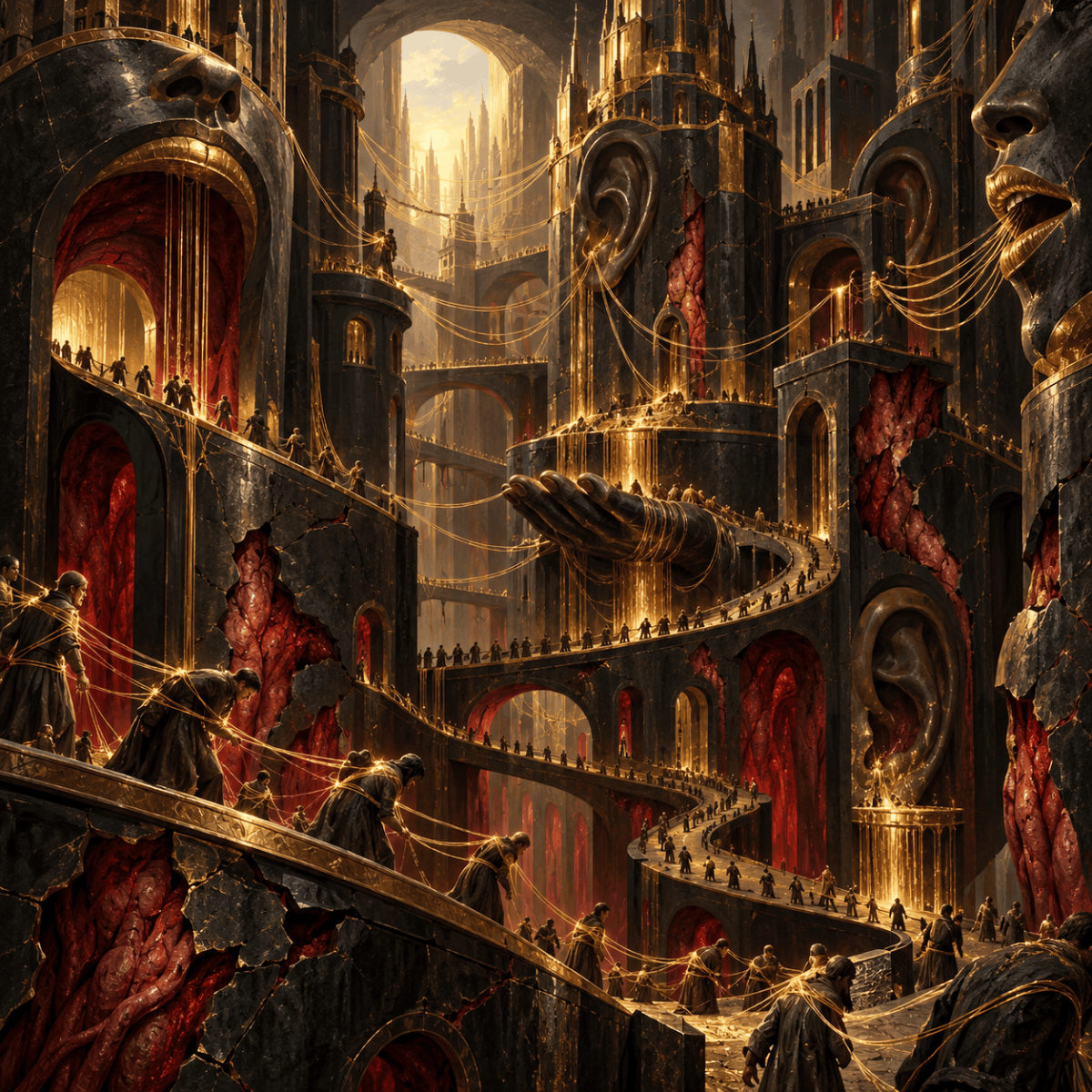
Cruelty grows through small, rational choices that make power easier to preserve and other people easier to discard.
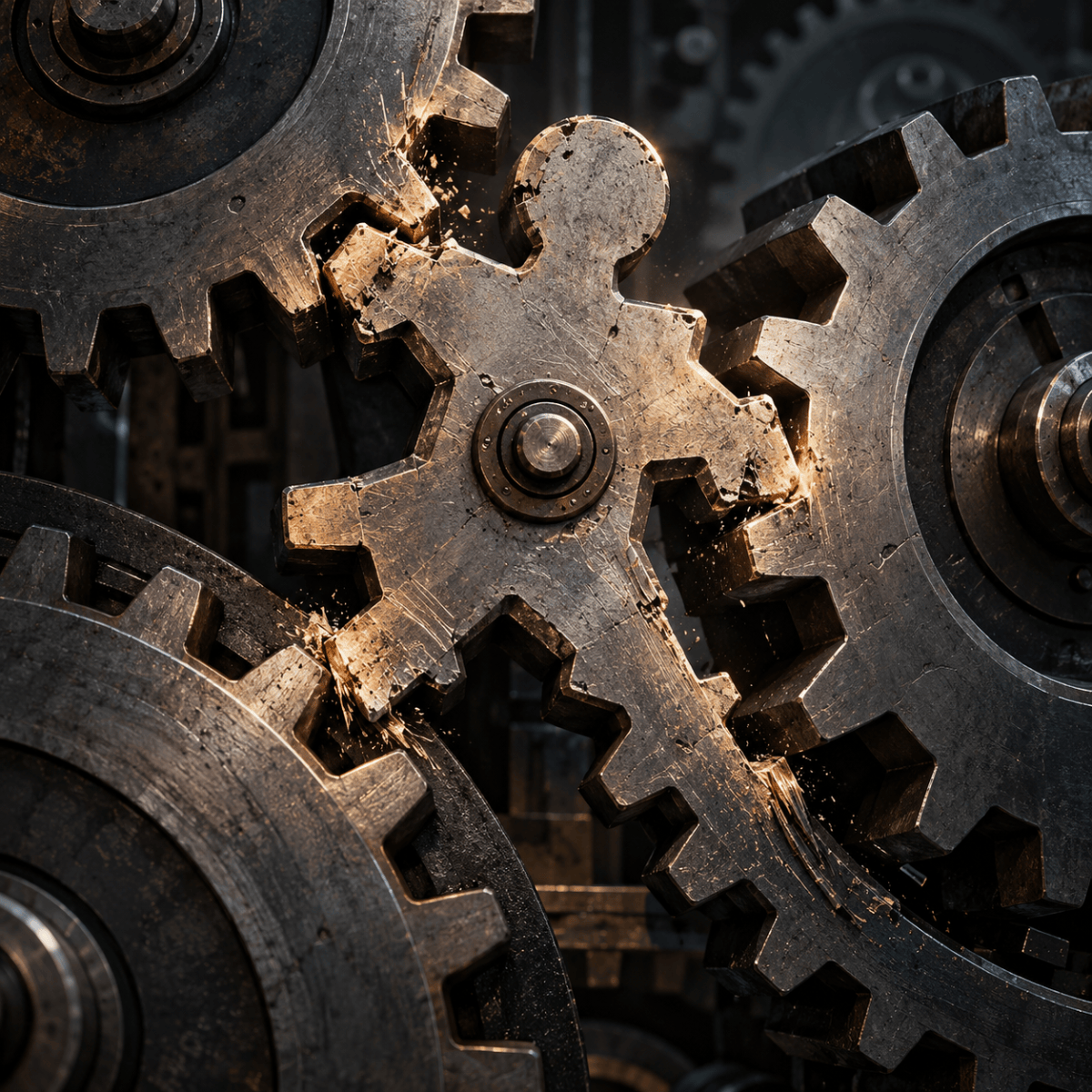
Ideas are fragile, and their expression more so. In a culture increasingly synchronised by fear, hatred and repetition, independent thought becomes an act of integrity, and the freedom to communicate something genuinely different becomes increasingly precious.
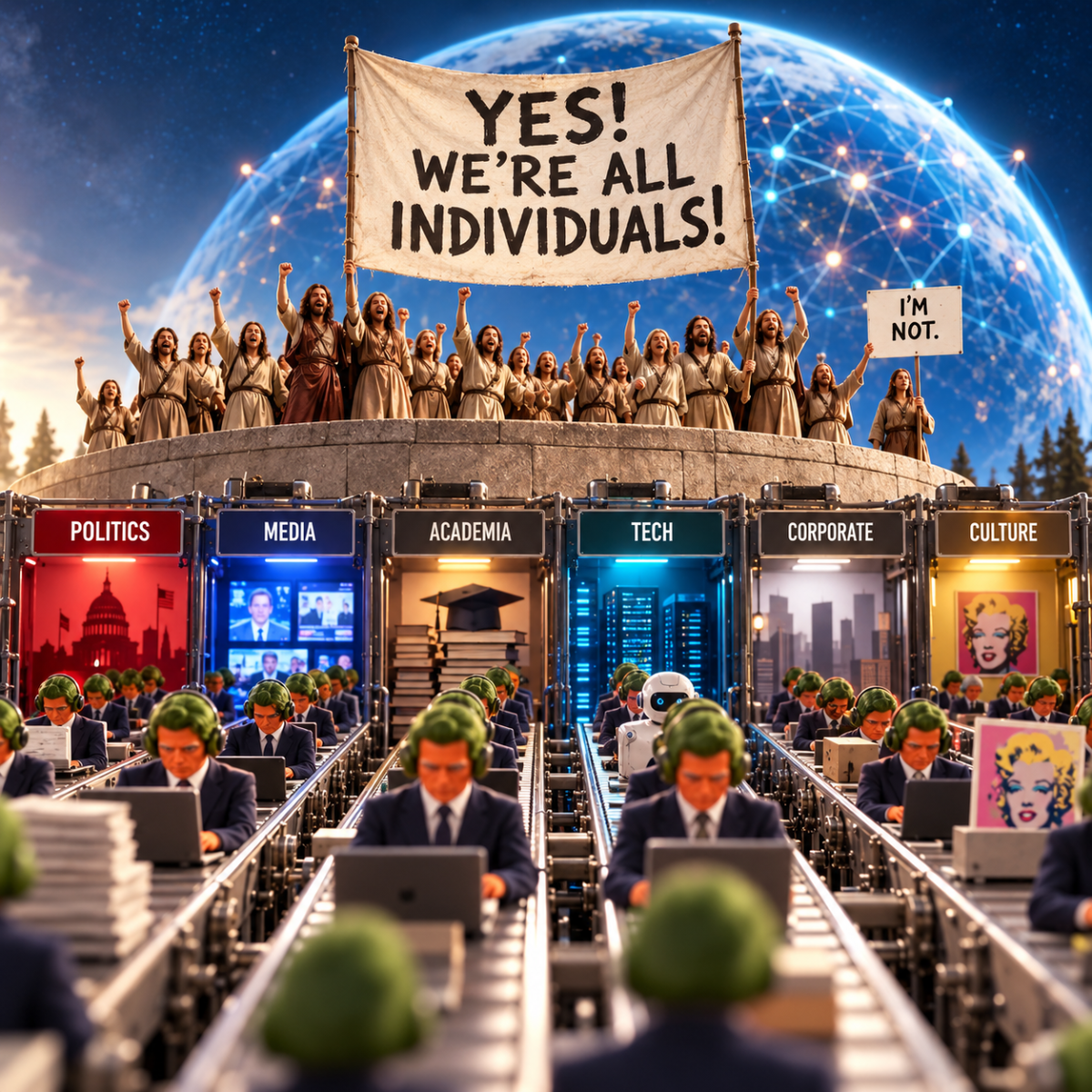
Why institutions, political movements and intellectual communities reproduce the same patterns of identity, conformity and exclusion while insisting on their differences.

The question is no longer whether writers use generative technology. It is what remains of the writer after the technology becomes indispensable.
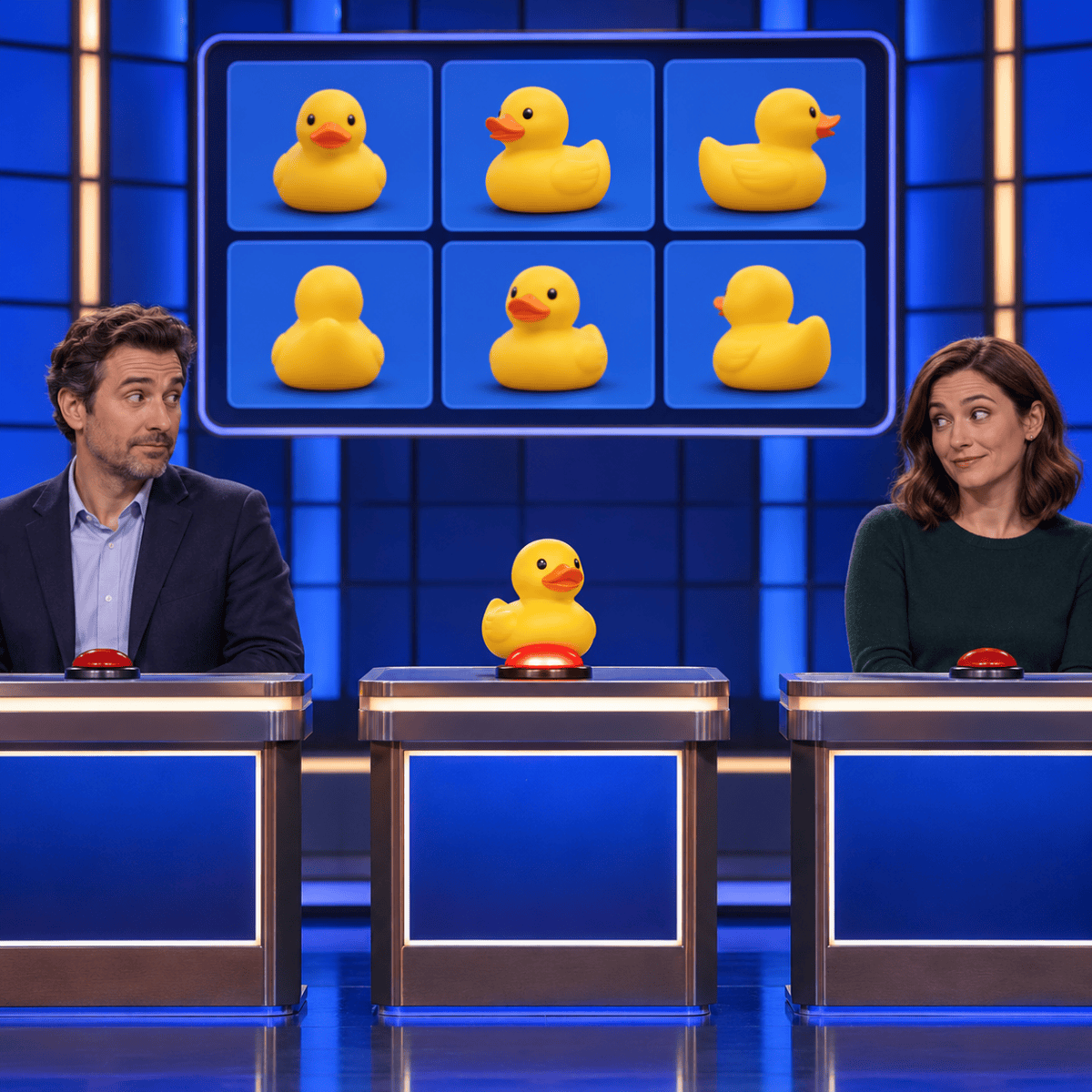
The cast changes. The relations keep coming back. Popular culture makes visible how complex adaptive systems persist through transformation.

Ask a logician an “or” question and you may get the most annoying correct answer in existence: yes.

We built machines to finish our sentences. Now they are helping us finish the world.
Have a WordPress.com account? Log in now.

