We do not simply hear songs, speech and culture. Their repetition teaches us how to hear what comes next, while every new encounter quietly changes the pattern that taught us.
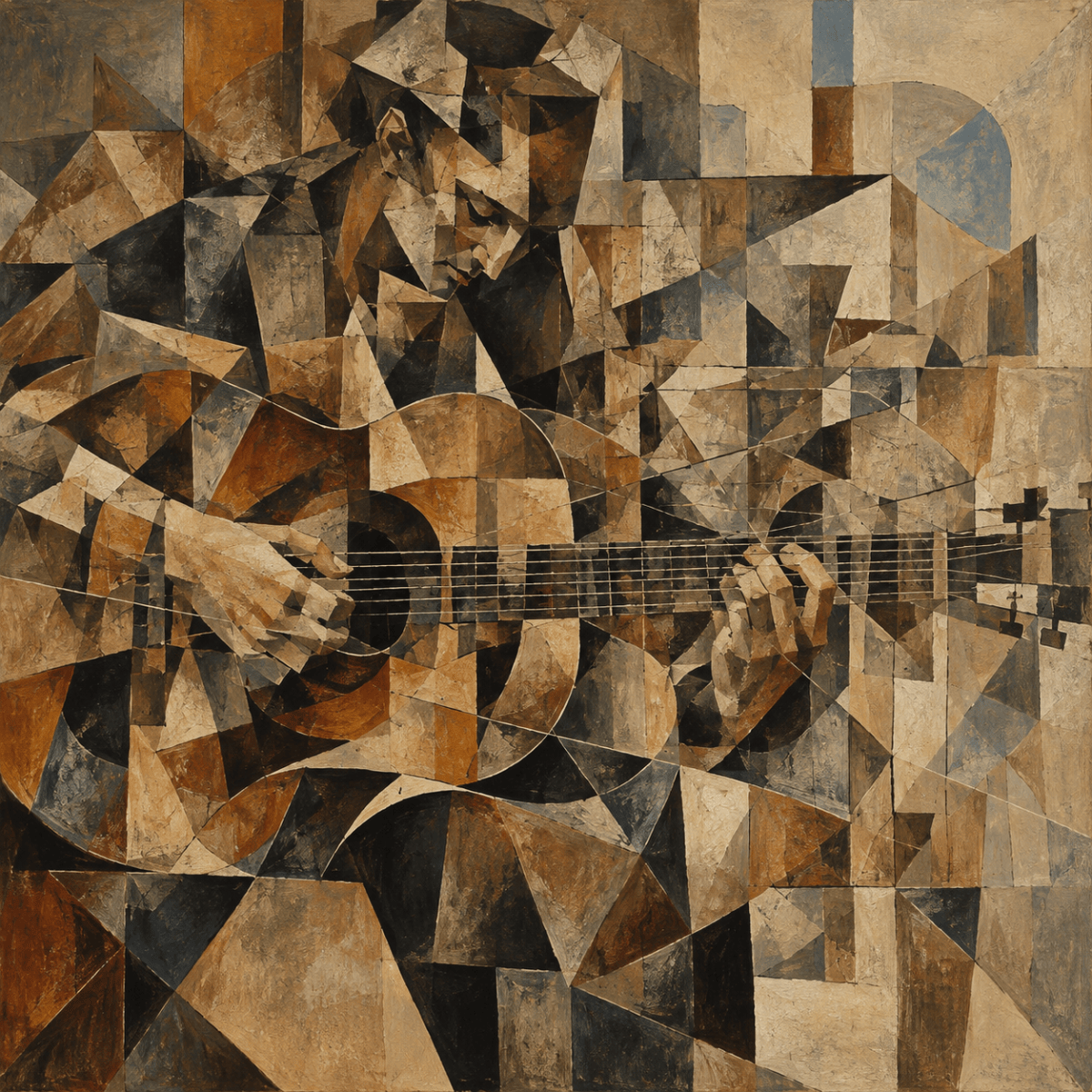
We do not simply hear songs, speech and culture. Their repetition teaches us how to hear what comes next, while every new encounter quietly changes the pattern that taught us.

Belief is harmonic structure: the recurrent pattern of timing, relation and probability through which language, meaning and experience take form.
A civilisation builds systems to solve its problems, then discovers that the systems have become the problems, while its dependence upon them has made their continuity deeply problematic.

Meaning repeats because recurrence builds structure, and structure influences what follows. History rhymes for much the same reason.

A healthy society expects children to become adults. An unhealthy one encourages adults to remain immature.

Parent-adolescent conflict is not failed communication. It is a regulatory differential through which identity emerges, is negotiated, and persists.

Culture survives because it changes. A culture that cannot change is not being preserved. It is being embalmed.
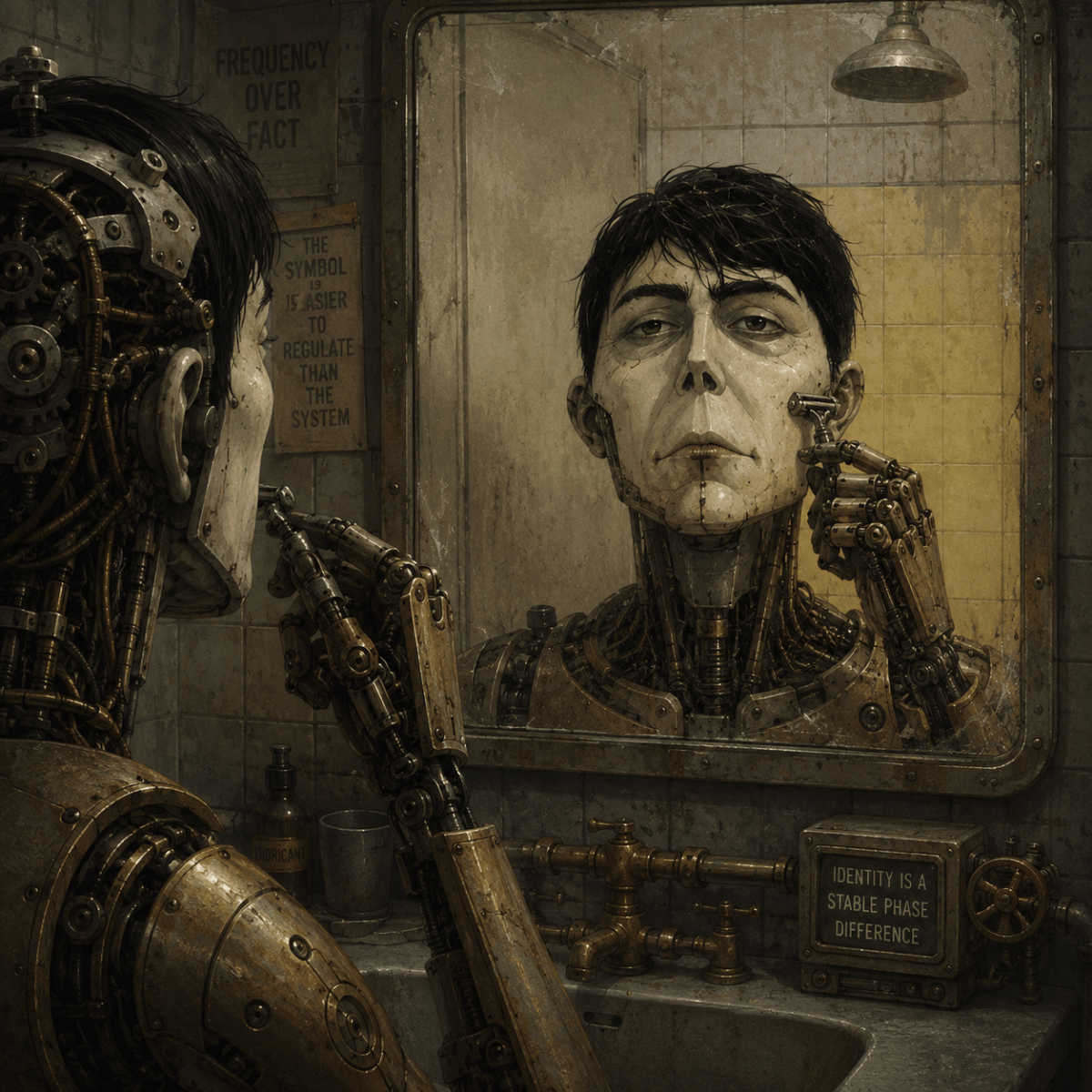
There is no final closure. No permanent certainty. No government that fixes everything forever. There are only systems that adapt well and systems that adapt badly.
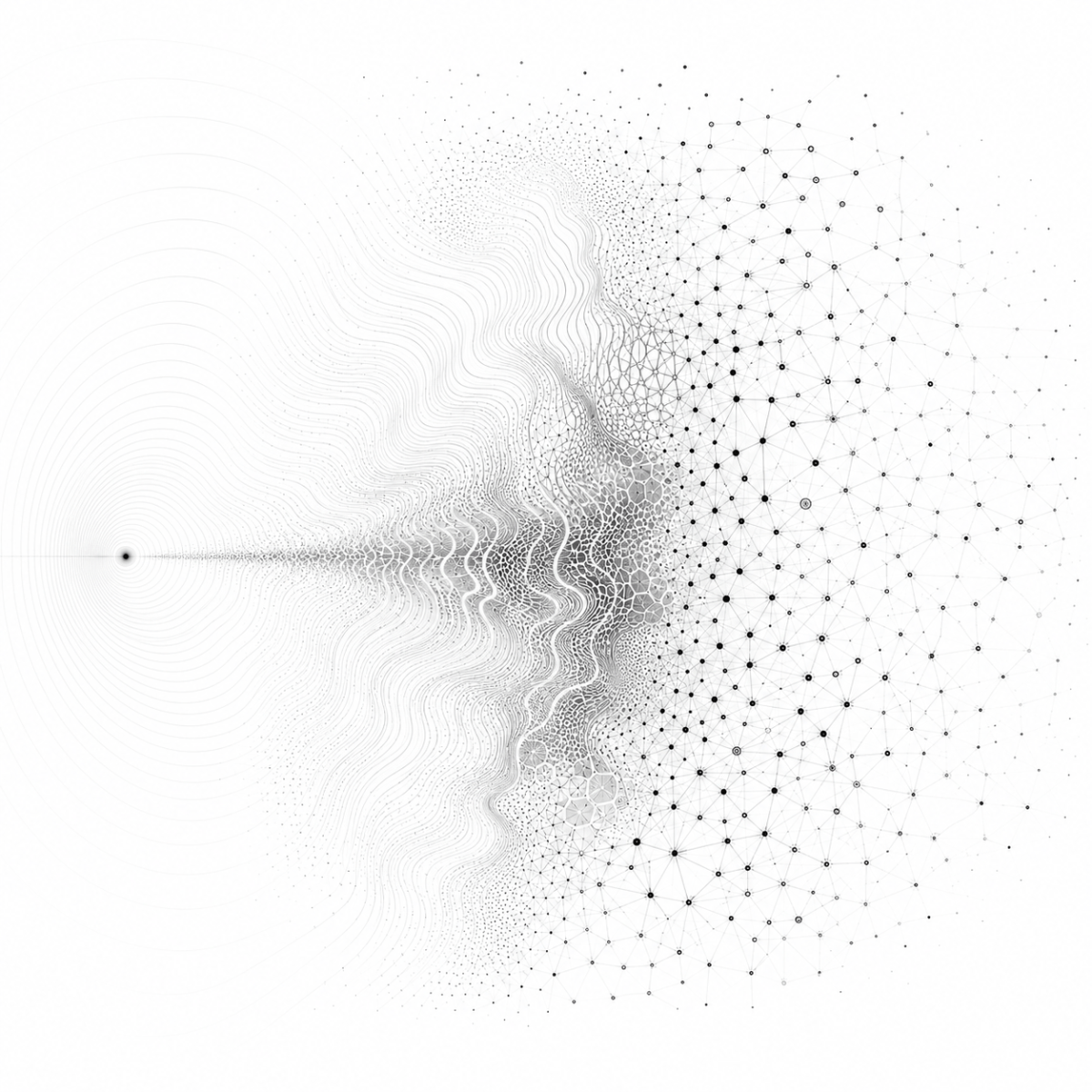
Science has not stopped discovering reality. We have become less capable of surviving what those discoveries imply about ourselves.
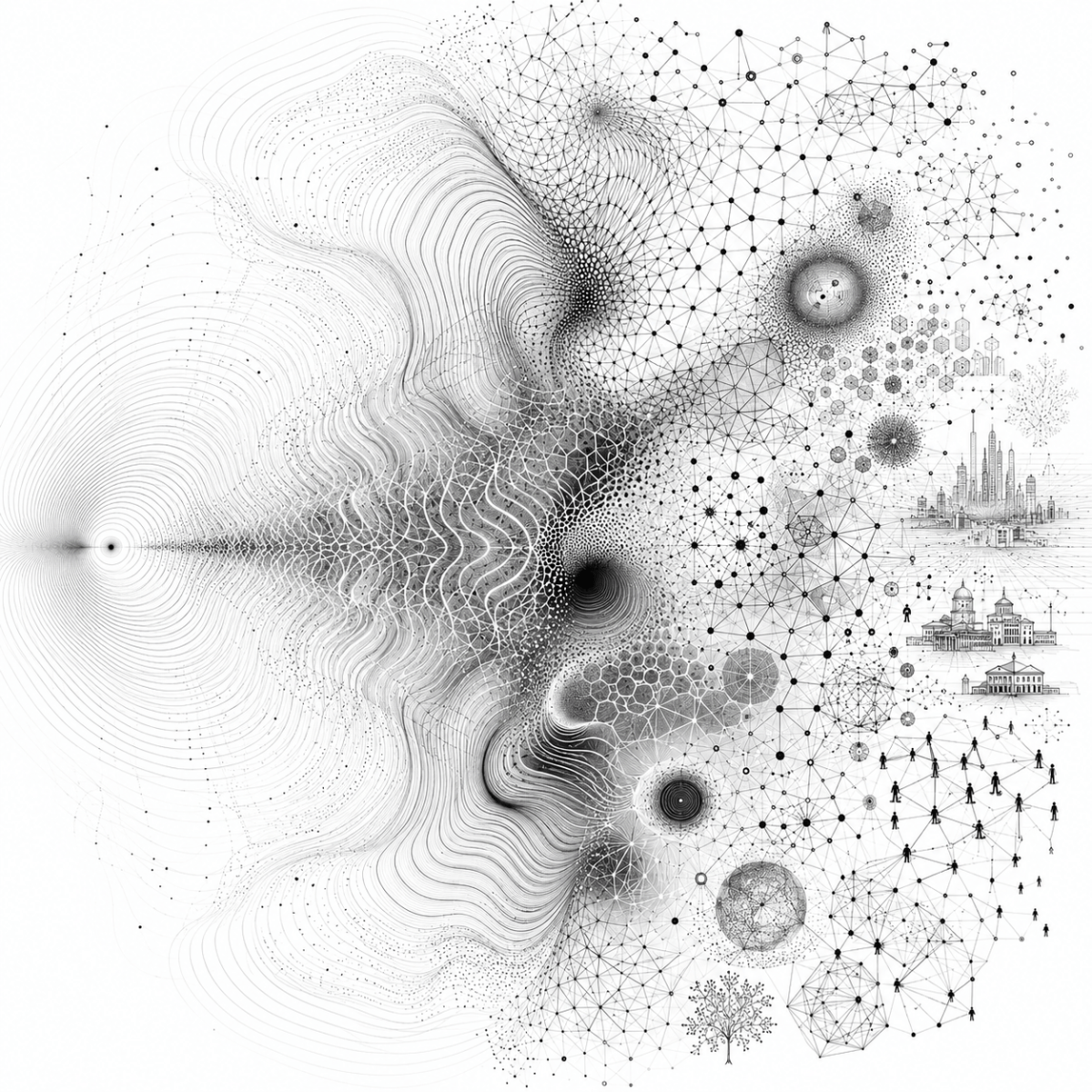
Change the timing and you change the structure. Communication is not merely the transfer of information through a network but the propagation of signals through media of different densities, delays, and constraints. Small temporal modulations accumulate. Phase shifts become interference patterns. Interference becomes organisation.

This is how a system built to produce knowledge becomes a system for reproducing the conditions under which its existing knowledge remains authoritative.
A system can become so effective at measuring, managing, and reproducing its own internal assumptions that it gradually loses the ability to perceive the external reality those assumptions were originally created to address.

