Captain Fractal examines how political identities, media algorithms and institutional resistance to change reproduce conflict and instability.

Captain Fractal examines how political identities, media algorithms and institutional resistance to change reproduce conflict and instability.

Extreme wealth preserves its own stability by shifting costs onto everyone else. Captain Fractal explores why even billionaires cannot escape the physics of their own existence.

Over coffee, Captain Fractal considers a civilisation whose communication systems increasingly reward the behaviours that undermine its survival. The machinery isn’t broken. That’s the problem.
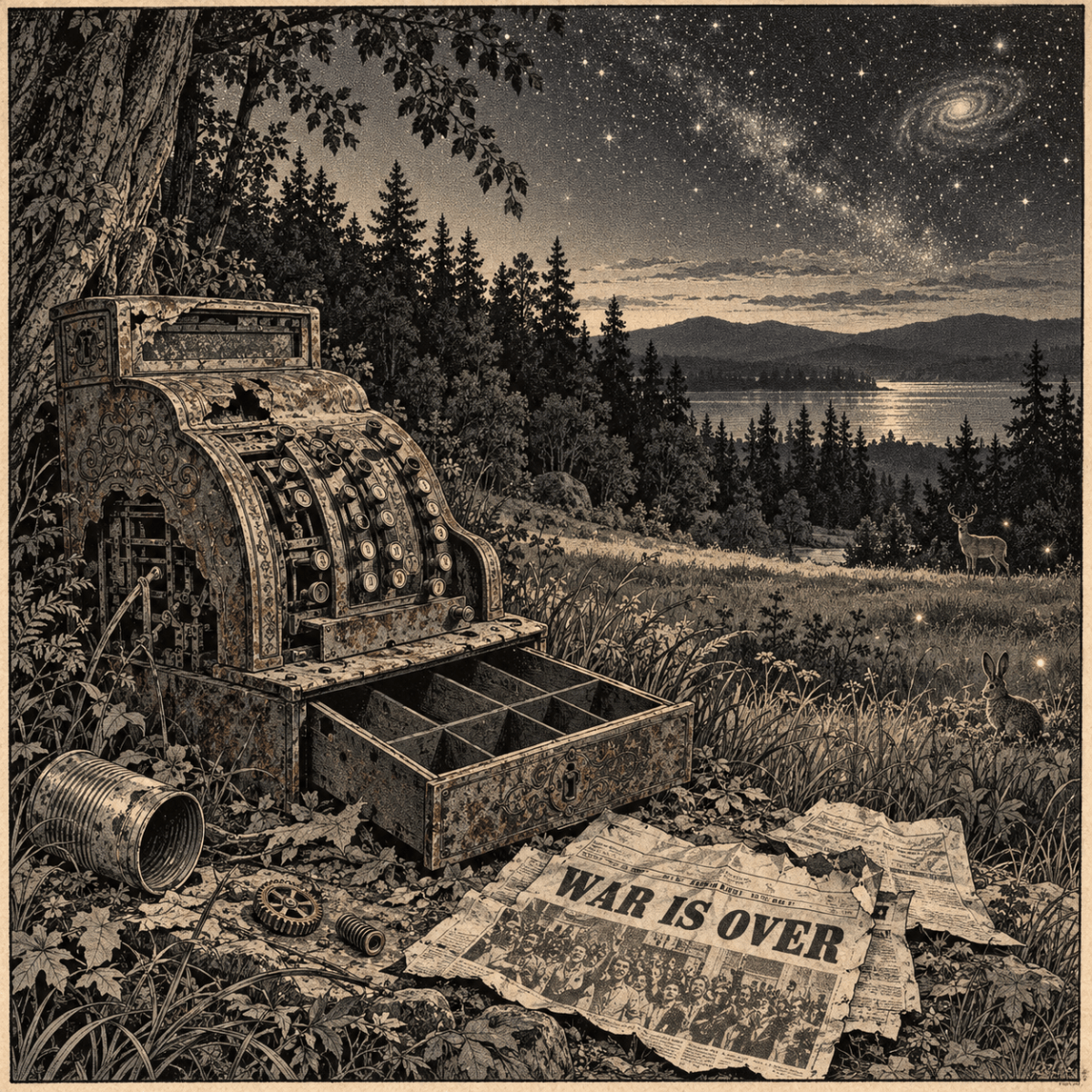
How engagement incentives, selective censorship and data extraction weaken cooperation, and why peace depends on changing what our communications systems reward.

The paradox is how to preserve a planetary civilisation’s capacity for emergent self-regulation without irreversibly surrendering it to the political, economic and technological artefacts, entities and systems established to manage and control it.

Language does more than convey meaning. Its recursive rhythms reproduce belief, conflict and the conditions through which societies persist.
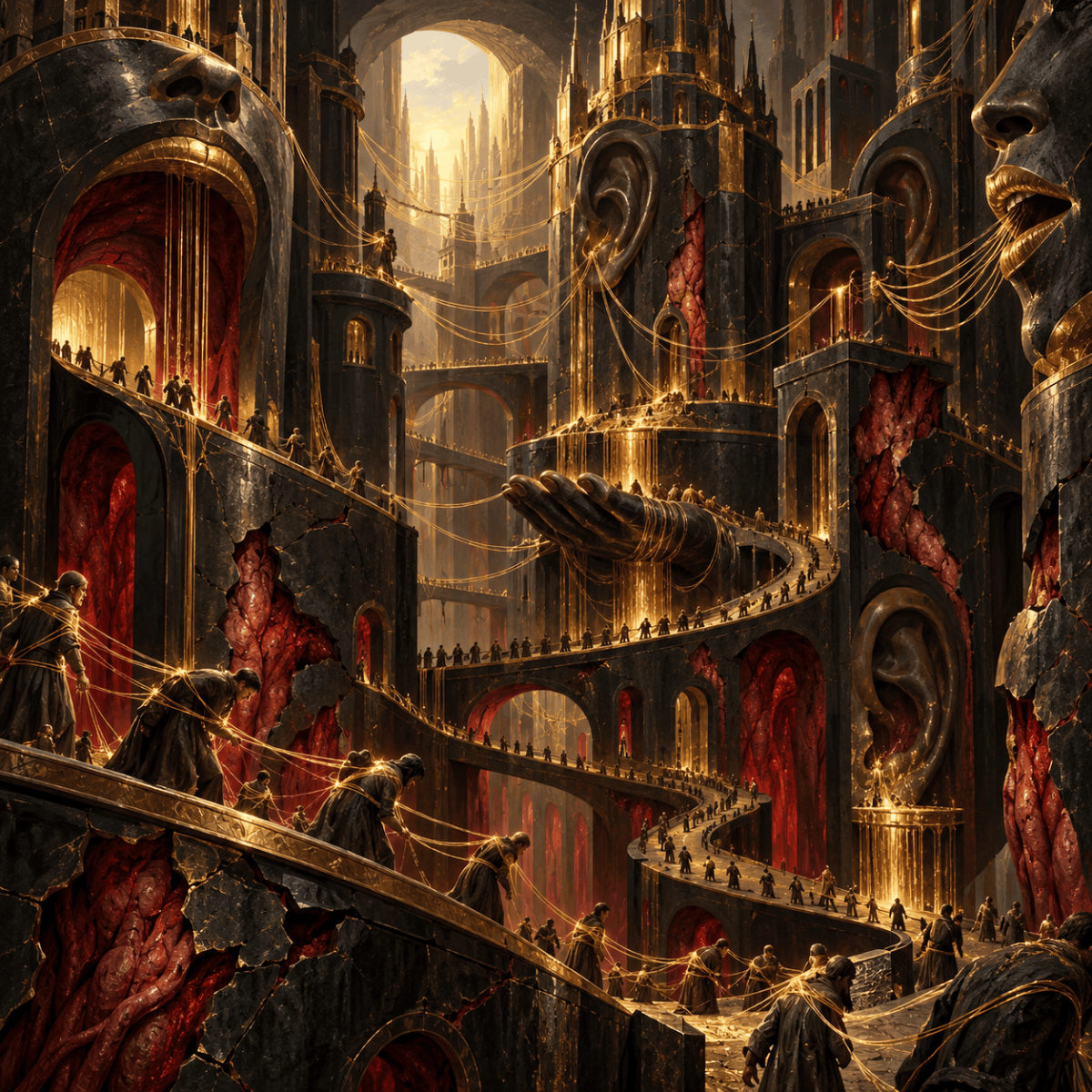
Cruelty grows through small, rational choices that make power easier to preserve and other people easier to discard.
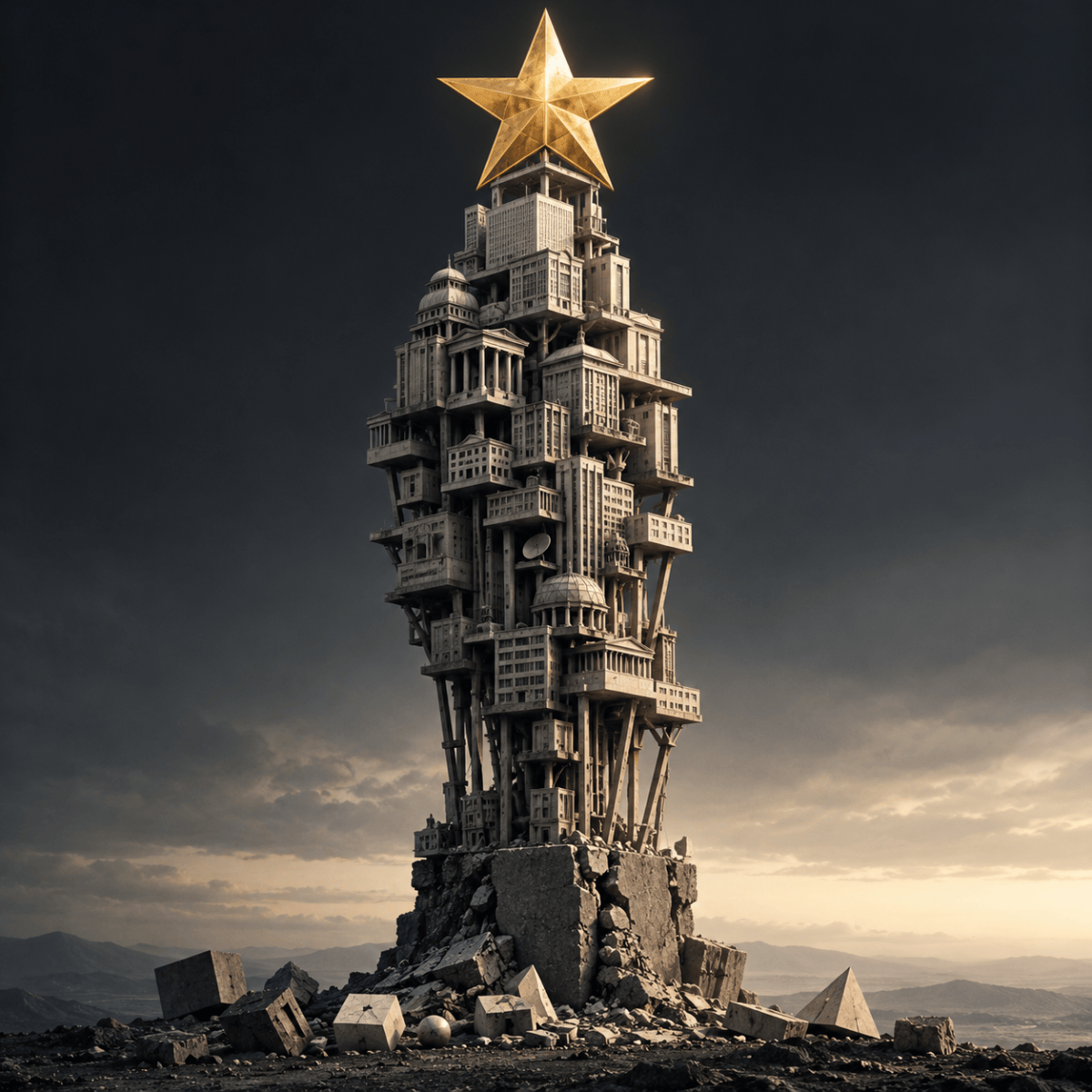
Our extraordinary technological and expressive abundance conceals a narrowing of possibility, as the systems rewarding innovation and success make civilisation increasingly fragile.

Ideas are fragile, and their expression more so. In a culture increasingly synchronised by fear, hatred and repetition, independent thought becomes an act of integrity, and the freedom to communicate something genuinely different becomes increasingly precious.
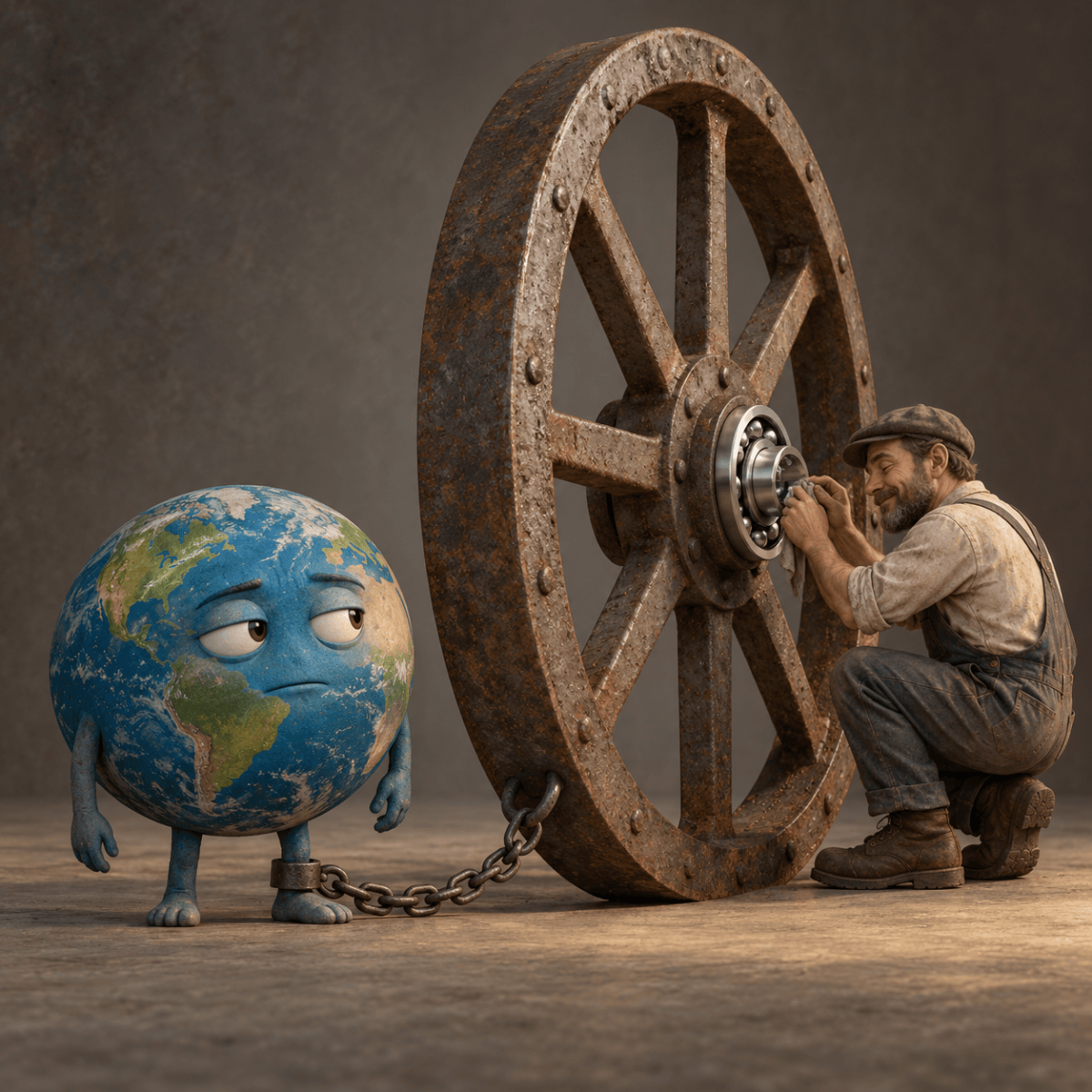
The question is whether civilisation can preserve its capacity to continue without making recurrent destruction the principal instrument of its renewal.

We built machines to finish our sentences. Now they are helping us finish the world.

Climate change is not a problem inside a stable planetary system. This text indicates how it is reorganising the relations through which planetary stability itself is reproduced.
Have a WordPress.com account? Log in now.

