We have become extraordinarily good at pricing the world. Less obvious is whether we still understand how to value it. Those are not the same question. Modern civilisation increasingly treats price as though it were value itself, as though markets reveal reality rather than merely describing one narrow aspect of it. We measure what can be bought, sold, owned, traded, and accumulated with astonishing sophistication, then quietly assume everything else is sentimental decoration. The accounting system has become our philosophy. Conveniently, it also invoices us for the privilege.
This confusion runs deeper than economics. Value is not a property that objects possess in isolation. It emerges from the relationships that make those objects possible and meaningful. Money, property, influence, and status are all local expressions within a much larger field of organisation. A hospital has value because of generations of accumulated knowledge, public trust, education, infrastructure, sanitation, law, electricity, and countless people who will never meet one another. A loaf of bread contains farmers, soil, weather, transport, machinery, microbiology, roads, institutions, and centuries of cultural refinement. The market prices the loaf. It does not price the civilisation.
The same is true of wealth and poverty. They are not separate worlds occupied by different kinds of people. They are complementary expressions of the same relational architecture. Every concentration of wealth is sustained by an immense network of indirect relationships extending far beyond itself. Every concentration of poverty reflects that same network organised differently. The connection is difficult to see precisely because it is distributed. Millions of ordinary interactions, decisions, incentives, technologies, laws, expectations, and historical accidents collectively produce outcomes that appear, from close enough, to be simply “how things are.” Complexity becomes an alibi. Distance becomes innocence.
This is where our definition of value begins to fail. We reward the visible products of organisation while overlooking the organisation itself. Trust rarely appears on a balance sheet. Functional public institutions do not trade on stock exchanges. Healthy ecosystems send remarkably few invoices. Families, teachers, neighbours, scientific communities, cultural memory, clean water, stable climates, and social cooperation all perform extraordinary amounts of work while being treated as background conditions rather than primary sources of value. They become, economically speaking, almost nothing. Until they begin to disappear. Suddenly everyone discovers how expensive “nothing” really was.
Perhaps that is why alternative ways of thinking about value provoke such strong reactions. They are heard not as philosophical arguments but as attacks on reality itself. If wealth has been defined through a particular symbolic economy for centuries, questioning that definition feels like questioning civilisation. Yet civilisation has redefined value repeatedly. It once found immense value in conquest, slavery, child labour, colonial extraction, and exhausting landscapes that seemed too vast to damage. The fact that previous generations priced these things highly tells us remarkably little about whether they were genuinely valuable. Markets can optimise almost anything. They possess no intrinsic preference for wisdom.
The deeper question is therefore not whether wealth is good or bad. It is whether what we currently reward actually enlarges the capacity of civilisation to persist, adapt, repair itself, and create meaningful futures. If it does, it is generating value. If it merely concentrates today’s advantages while quietly consuming tomorrow’s possibilities, it is liquidating value and calling the proceeds wealth. That may be the most expensive accounting error our species has ever made. We know the price of almost everything. The value of nothing. And it turns out that “nothing” was carrying the whole civilisation all along.
Categories
the value of nothing
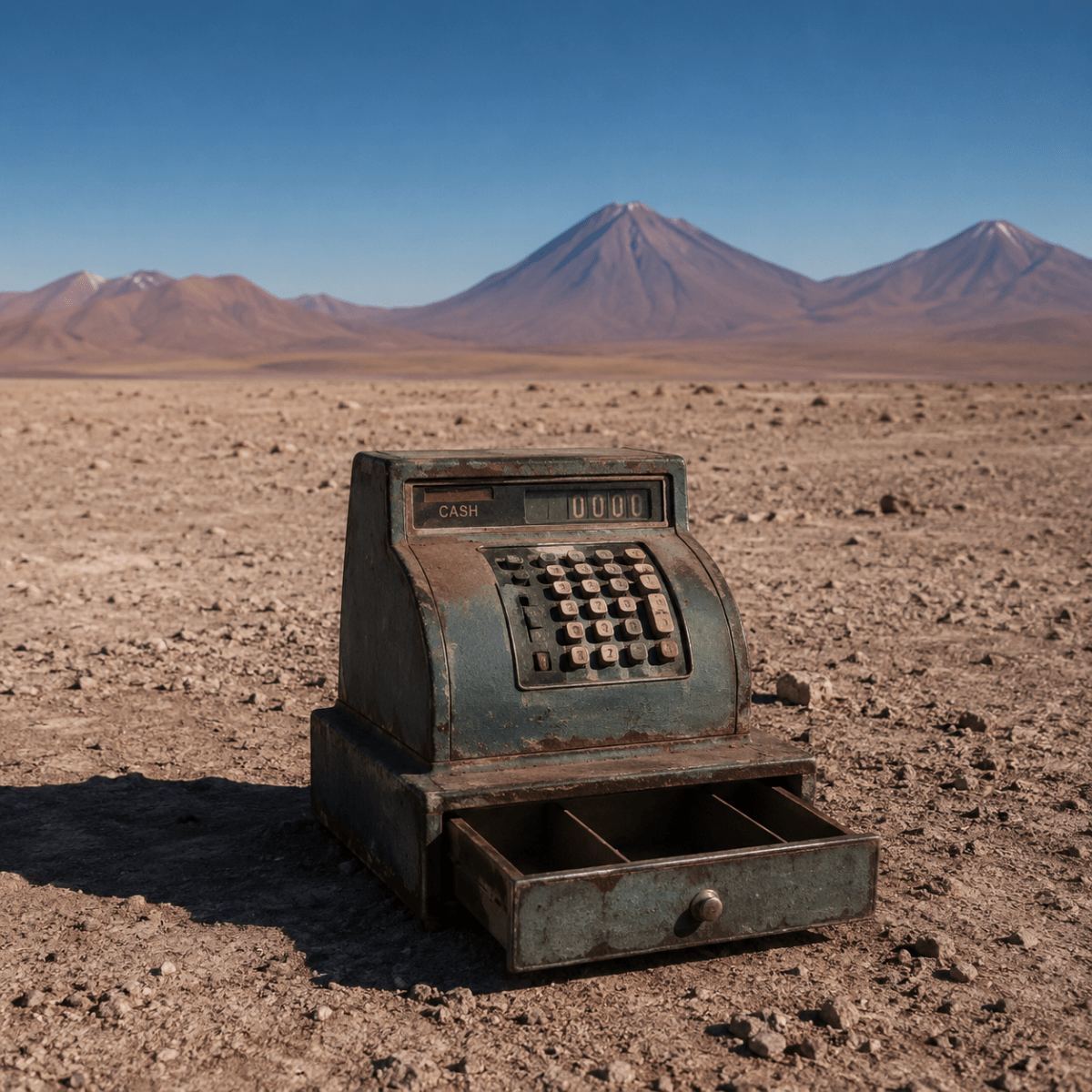
The question is whether what we currently reward actually assists the capacity of civilisation to persist, adapt, repair itself, and create meaningful futures.


One reply on “the value of nothing”
Extreme wealth is evidence of value that has stopped circulating. The fortunes accumulated around platforms such as Amazon or PayPal are often treated as proof that their founders created extraordinary value, and in one sense they did: these systems connect buyers and sellers, move goods, enable exchange, reduce friction, and coordinate economic activity at immense scale. But that is precisely the point. If the service has generated such vast value, then the resulting private fortune also measures how much of that value has been captured rather than returned to the wider social system that made it possible.
Nobody needs a thousand houses, yachts, or lifetimes of consumption. Beyond any reasonable threshold of comfort and security, accumulated wealth becomes less a reward for contribution than a reservoir of productive capacity, opportunity, resilience, and future possibility withdrawn from circulation. Various myths of merit, genius, innovation, and risk are then recruited to make this look natural. Yet the absurdity remains: the wealth is real because the social value was real, but the more extravagantly it pools in private kingdoms, the more clearly it demonstrates that the value is no longer flowing back through the civilisation that produced it.
LikeLike