Categories
cybernetics

The Organisation of Insecurity

A more durable security paradigm would concern the organisation of differences through which competition can continue without destroying the conditions necessary for its participants to survive.

Categories
Philosophy

The Madness of America: How Communication Reproduces Collective Irrationality

The madness of America is not an isolated national pathology. It reveals how communication synchronises ordinary human vulnerabilities, reproducing antagonism, institutional authority and collective irrationality.

Categories
cybernetics

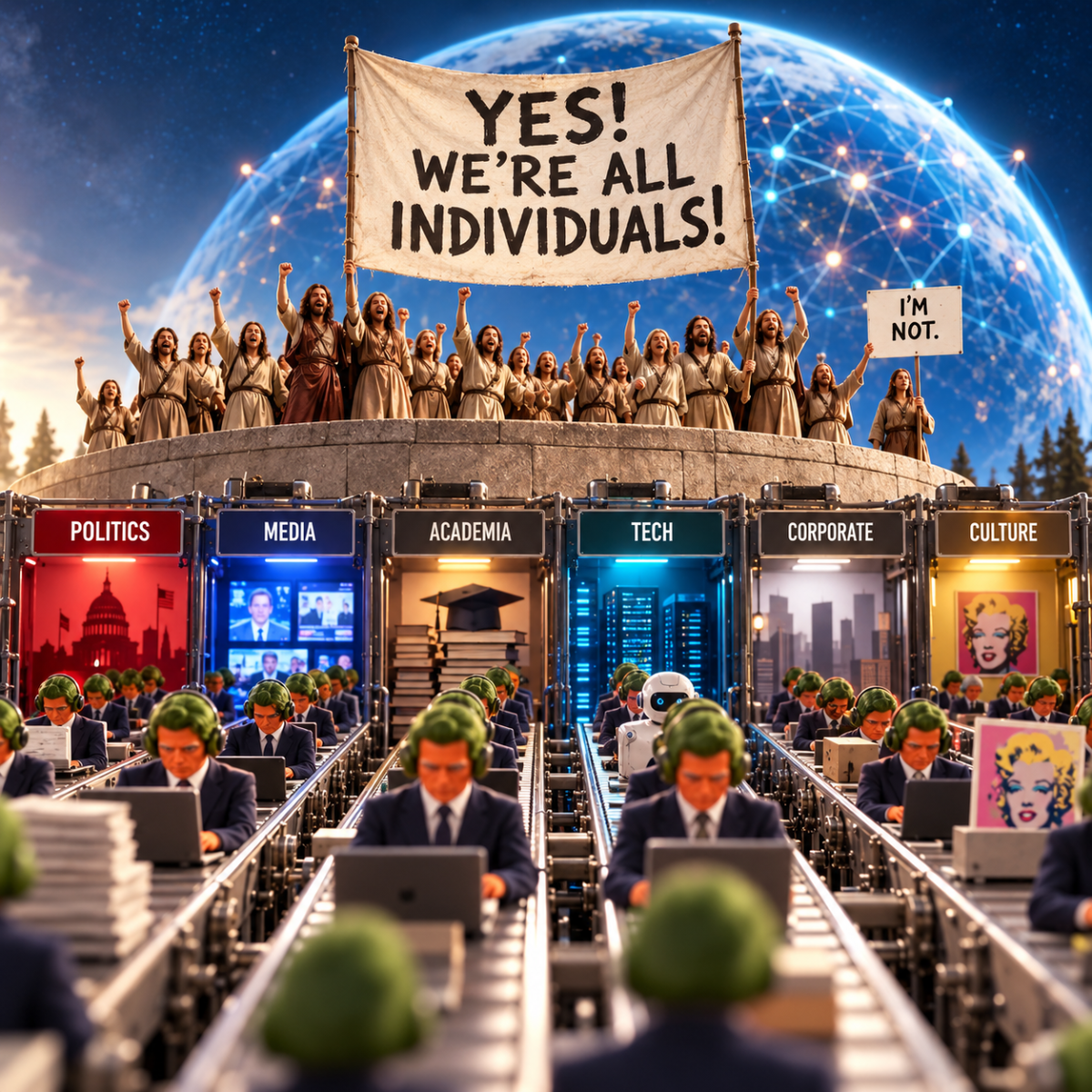
Yes, We’re All Individuals

Why institutions, political movements and intellectual communities reproduce the same patterns of identity, conformity and exclusion while insisting on their differences.

Categories
Philosophy

Tomorrow, and Tomorrow, and Another Upgrade

We have become extraordinarily good at making technology better, but much less skilled at recognising when good enough is enough. Much of what passes for progress now serves profit rather than people, so deeply embedded in our culture that we scarcely recognise the difference.

Categories
cybernetics

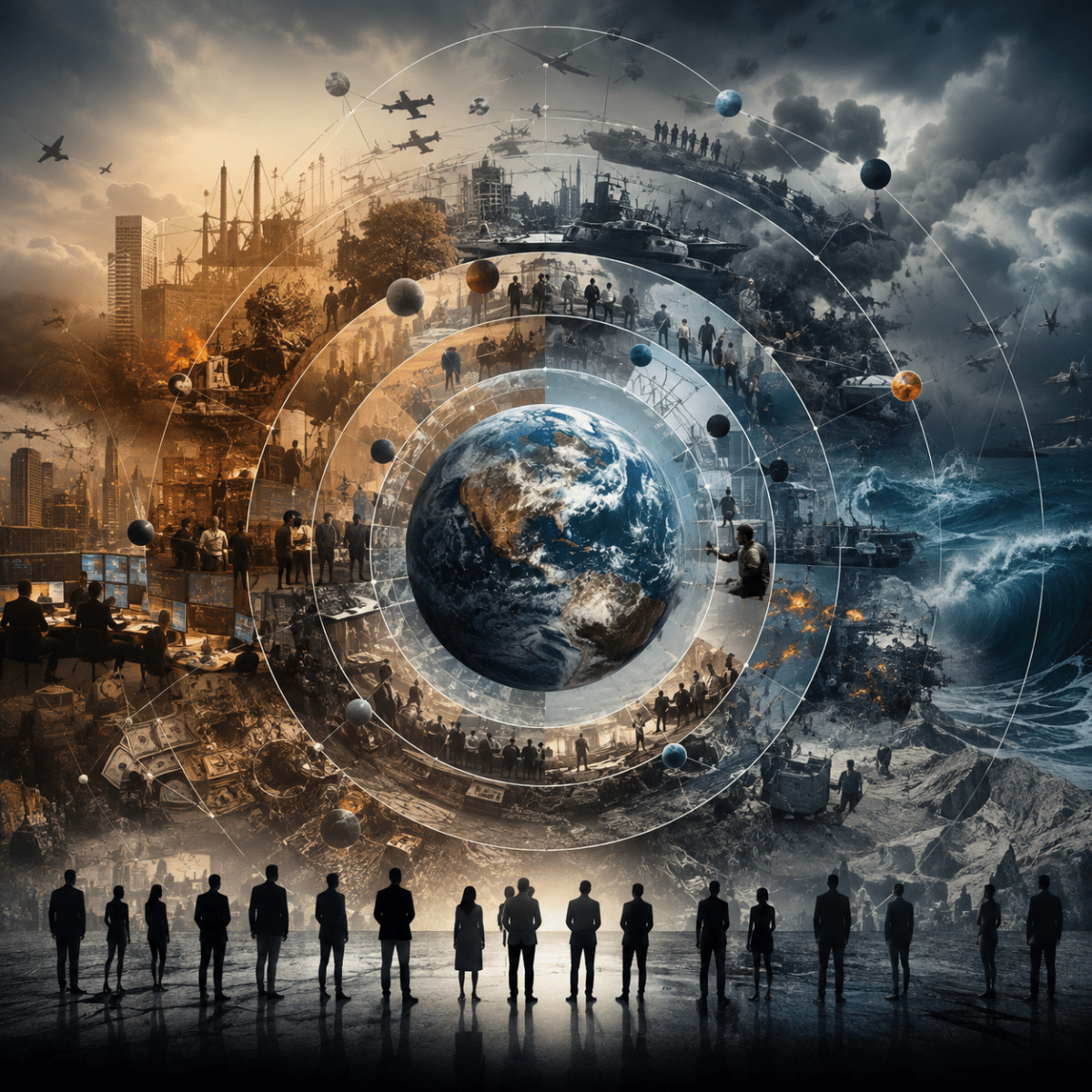
A Bit of a Geopolitical Pickle: The Security Trap

Every attempt to secure one part of the world changes the conditions of security for everyone else. Endlessly.

Categories
Philosophy

Selected Essays: Systems, Communication and Contemporary Life

Exploring how relation and difference generate the structures we experience as reality.

Categories
Philosophy

śūnyatā and the generative logic of absence

Absence is not a flaw in the structure. Absence is the engine.

Categories
Philosophy

the oldest questions

Life may not need a planet. It may only need matter, persistent gradients of energy, memory, and enough time for (ie self-) organisation to become aware of itself.

Categories
cybernetics Philosophy

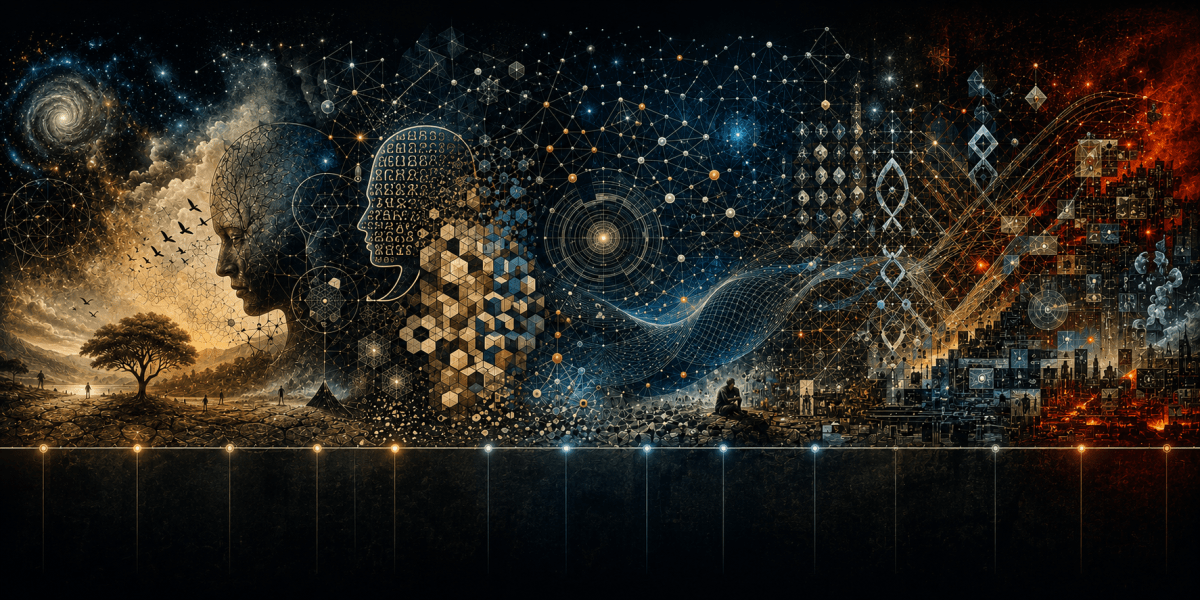
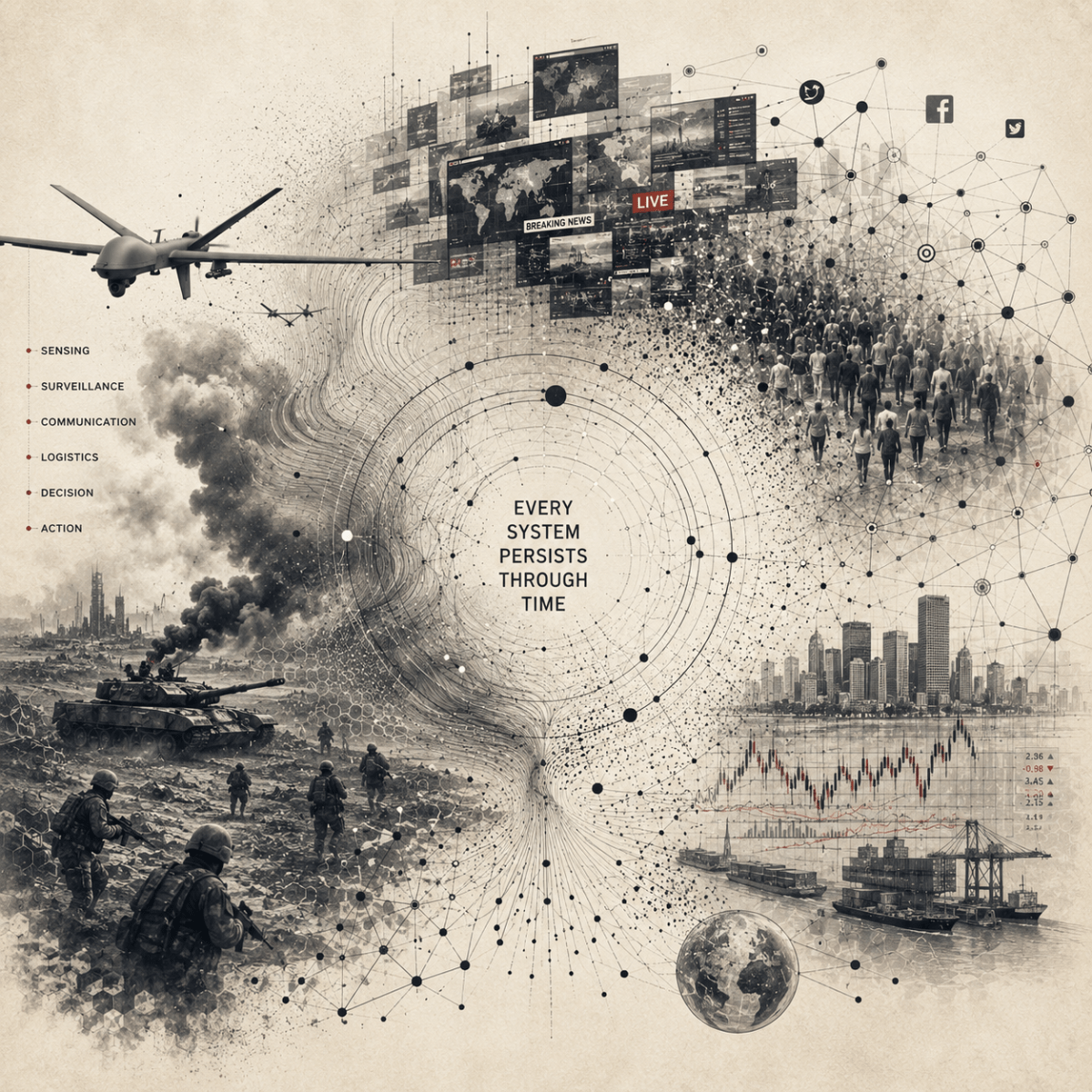
system time

Differential timing is the common language of organised systems.

Categories
cybernetics

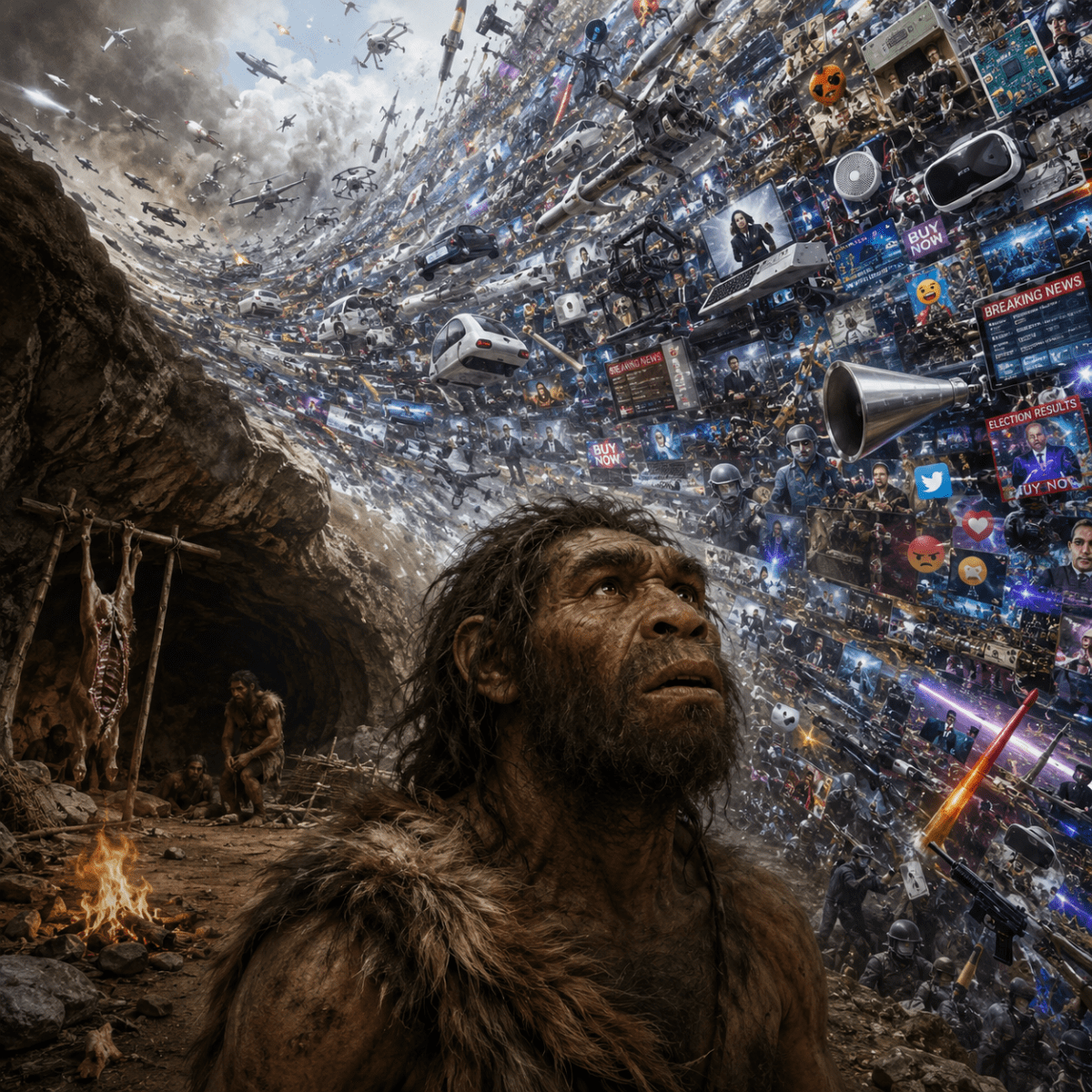
developmental delay

The defining challenge of this century is no longer building more powerful technologies. It is developing human and institutional capacities capable of understanding, governing, and surviving the systems we have already created.

Categories
cybernetics

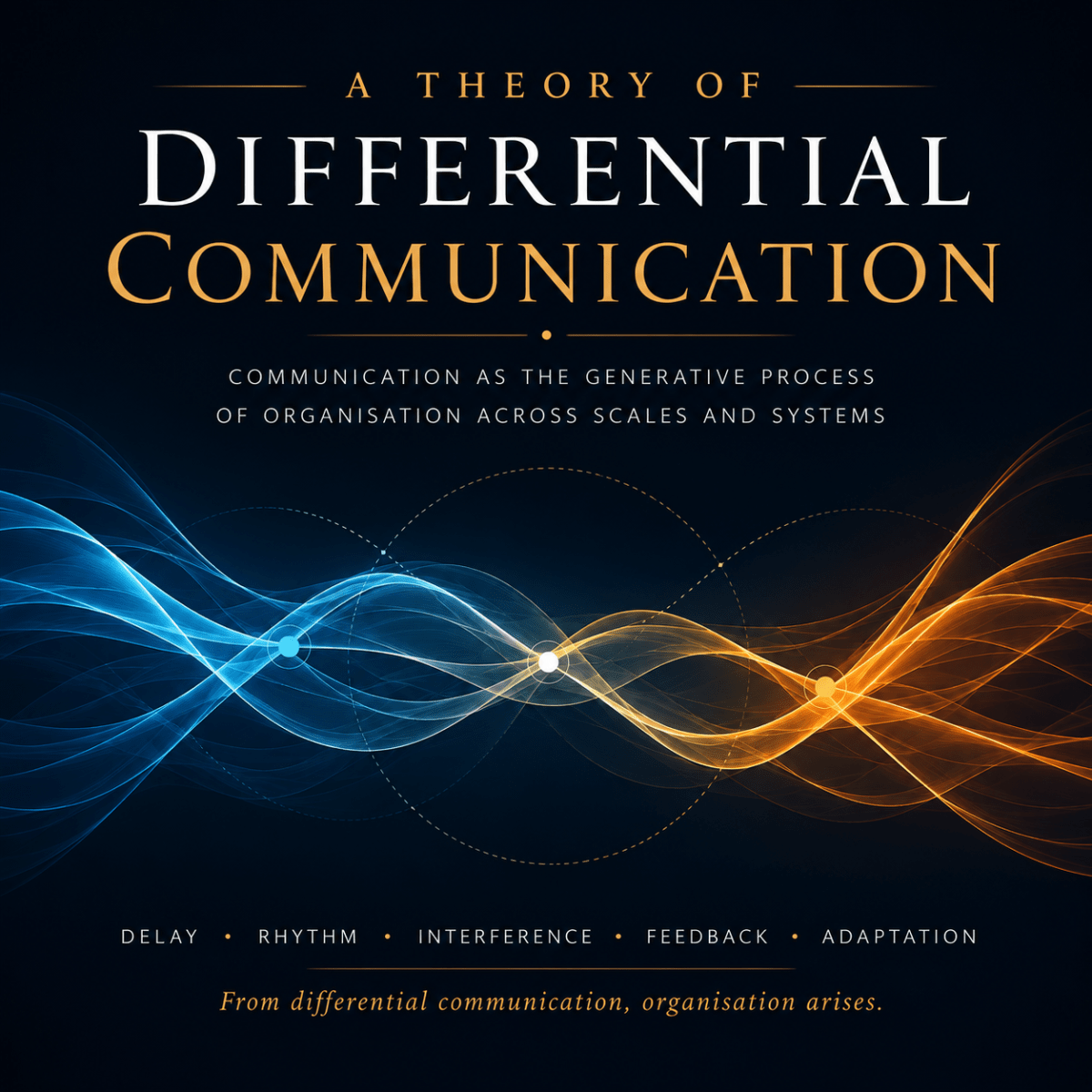
a theory of differential communication

Communication does not move through organised systems; organised systems emerge from the interference patterns of communication.

Categories
cybernetics

conflict, coherence, and the logic of recurrence

What unifies all processes is, quite simply, that they are processes: dynamical, temporal, contingent, and transient.