A more durable security paradigm would concern the organisation of differences through which competition can continue without destroying the conditions necessary for its participants to survive.
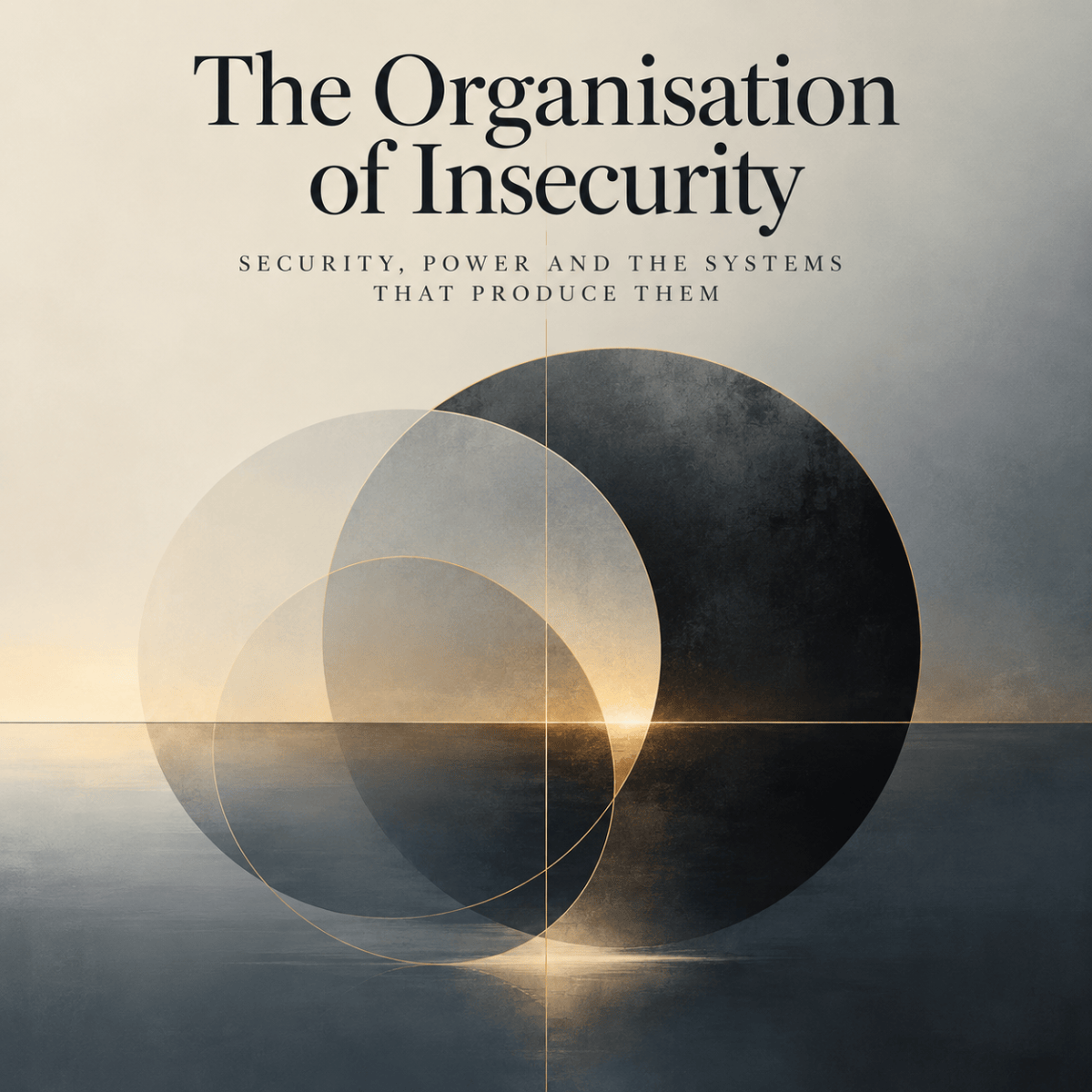
The Organisation of Insecurity
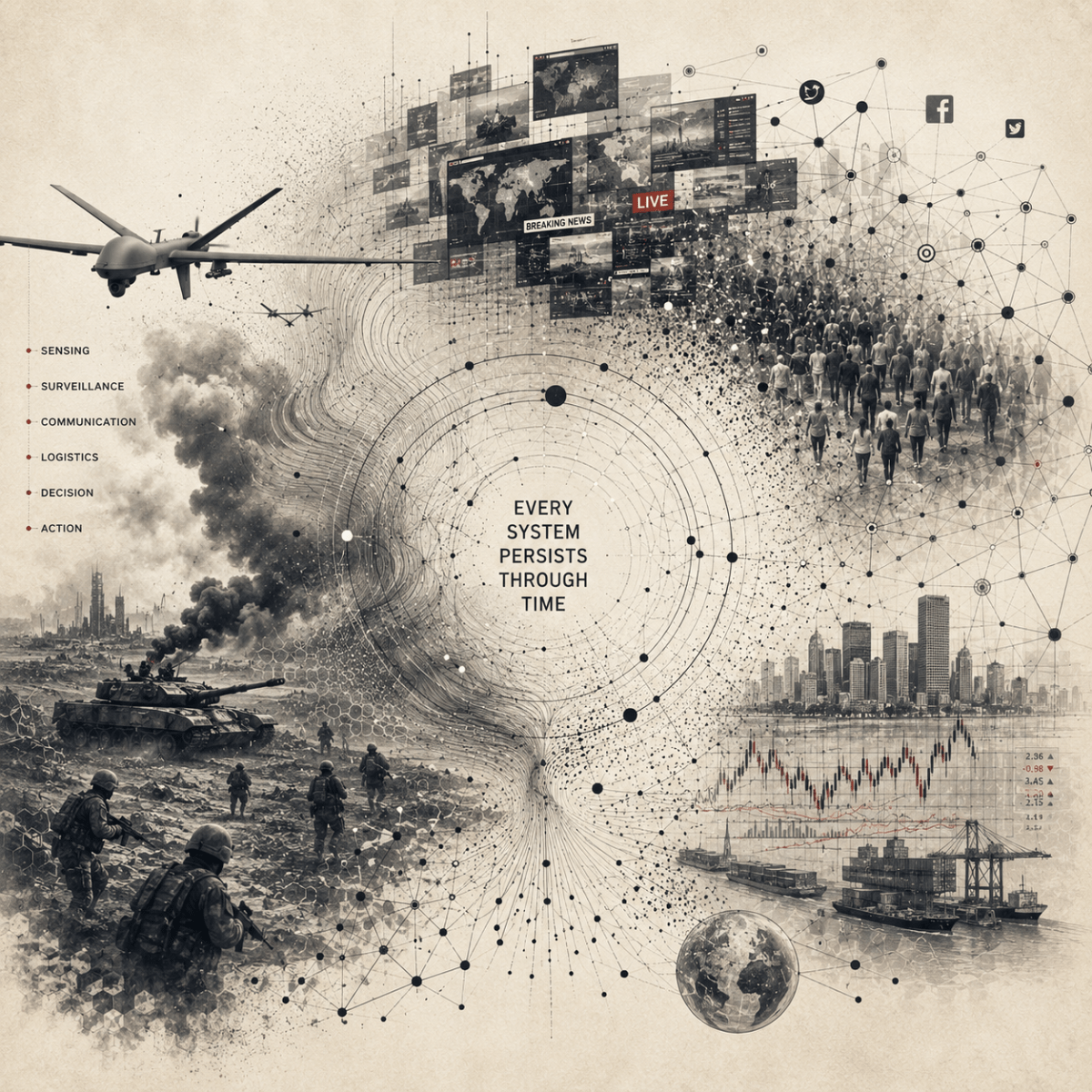
A more durable security paradigm would concern the organisation of differences through which competition can continue without destroying the conditions necessary for its participants to survive.
The madness of America is not an isolated national pathology. It reveals how communication synchronises ordinary human vulnerabilities, reproducing antagonism, institutional authority and collective irrationality.
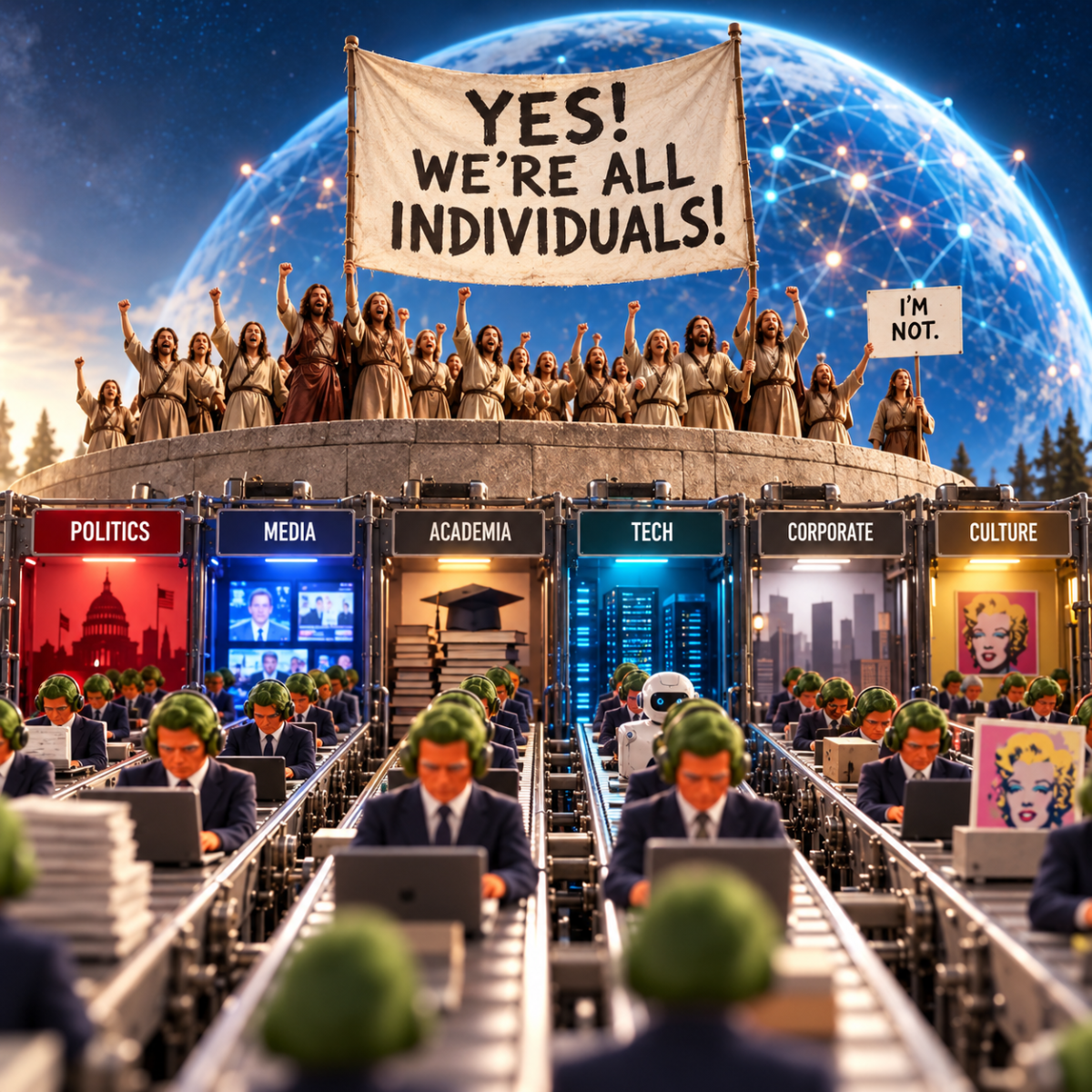
Why institutions, political movements and intellectual communities reproduce the same patterns of identity, conformity and exclusion while insisting on their differences.
We have become extraordinarily good at making technology better, but much less skilled at recognising when good enough is enough. Much of what passes for progress now serves profit rather than people, so deeply embedded in our culture that we scarcely recognise the difference.
Every attempt to secure one part of the world changes the conditions of security for everyone else. Endlessly.
Life may not need a planet. It may only need matter, persistent gradients of energy, memory, and enough time for (ie self-) organisation to become aware of itself.
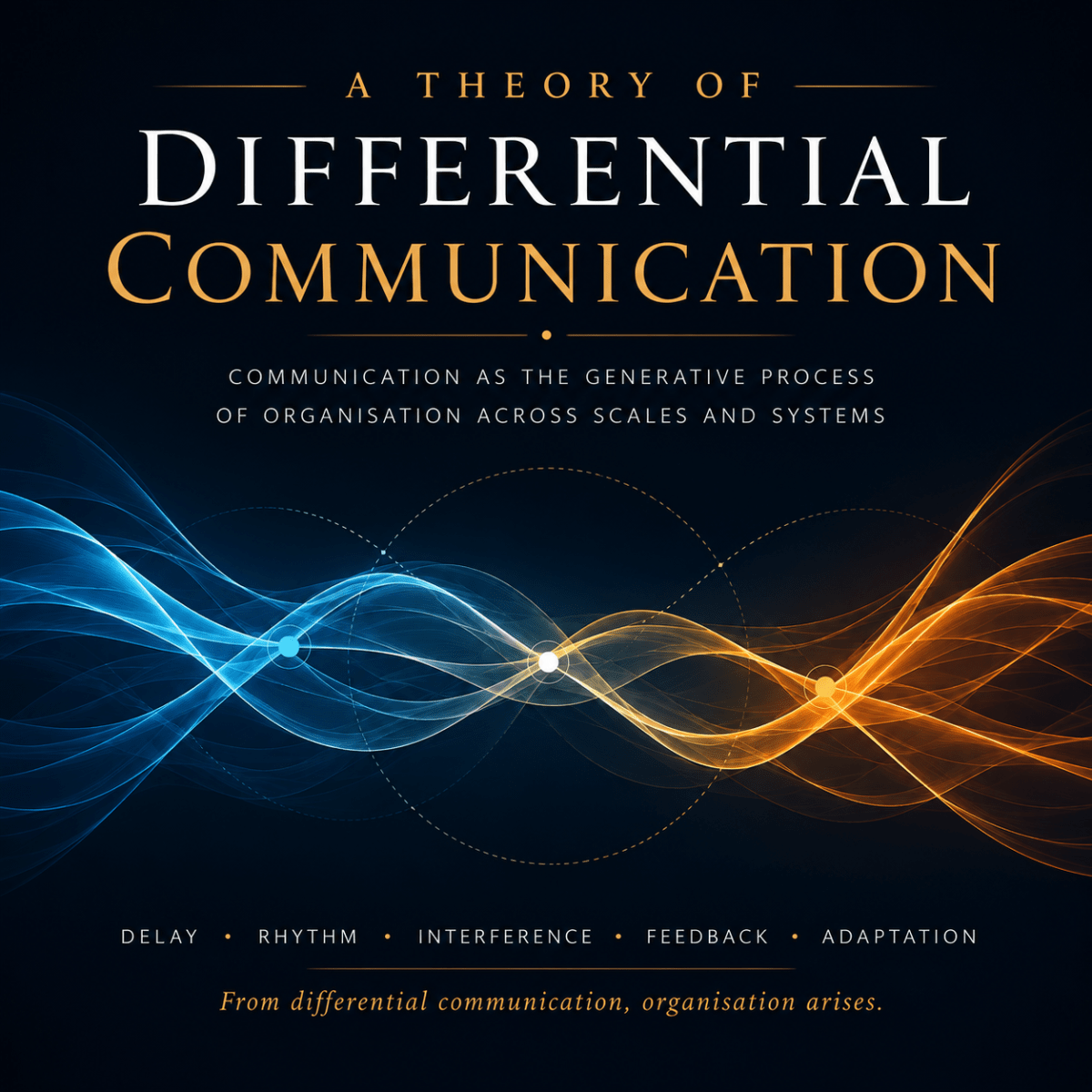
Differential timing is the common language of organised systems.
Communication does not move through organised systems; organised systems emerge from the interference patterns of communication.
What unifies all processes is, quite simply, that they are processes: dynamical, temporal, contingent, and transient.
Every age reaches for old stories to explain new realities. The irony is that most stories survive not because (or even if) they are true, but because they are easy to transmit, to remember, to tell.
Wealth is usually treated as evidence that society is working. But extreme accumulation may also reveal something stranger: a system increasingly organised around preserving wealth, whether or not that preservation still serves the world around it.
Corruption is not what happens when a healthy system breaks; it is what emerges when enough incentives, privileges, dependencies, and concentrations of power quietly align, turning private advantage into public infrastructure.