When humanity finally runs out of idiots to put in charge, it turns to Captain Fractal. Armed with decades of systems thinking, a ridiculous hat and a dangerous understanding of consequences, he sets about un-fucking civilisation.
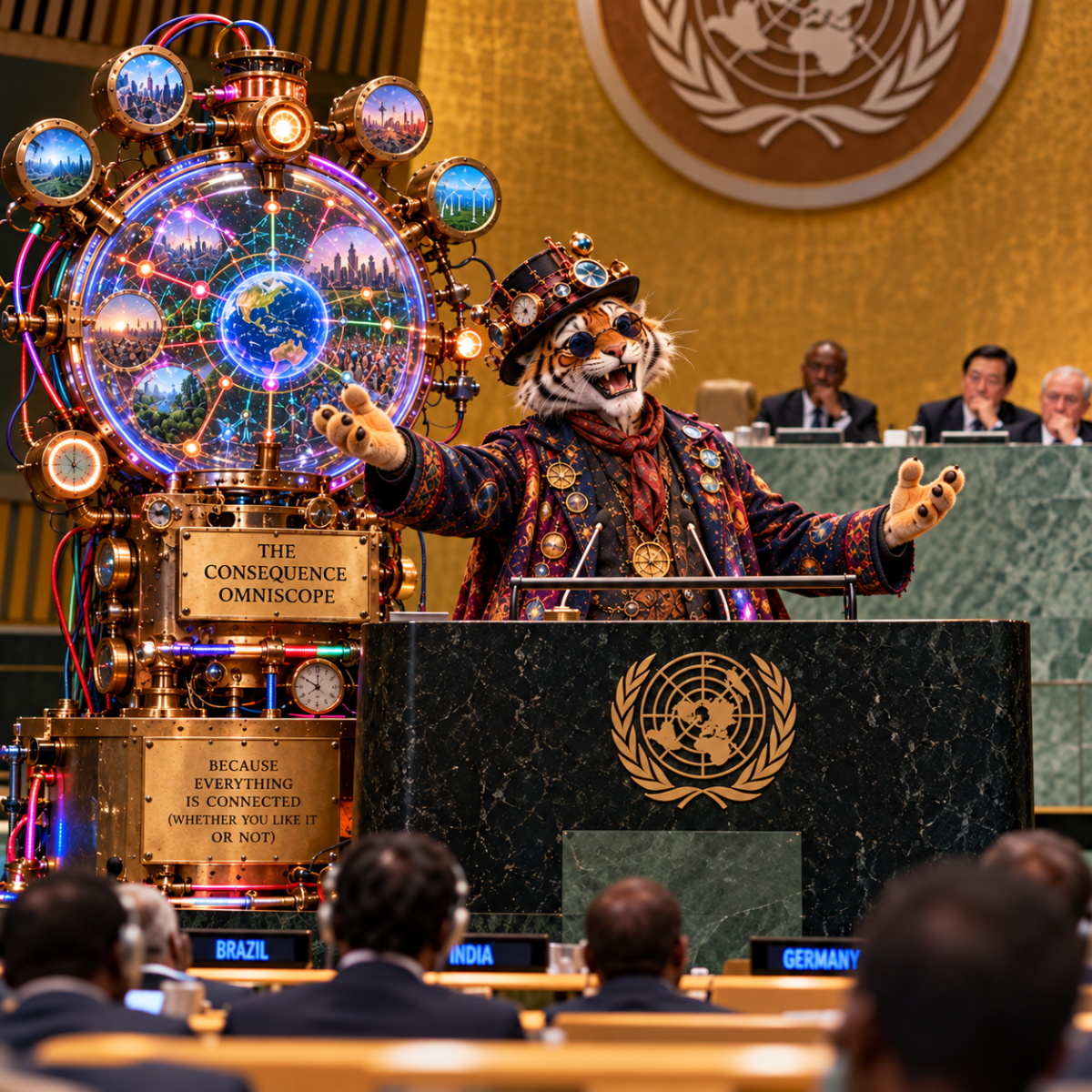
When humanity finally runs out of idiots to put in charge, it turns to Captain Fractal. Armed with decades of systems thinking, a ridiculous hat and a dangerous understanding of consequences, he sets about un-fucking civilisation.
Technology at scale preferentially industrialises the parts of human nature that are easiest to measure, repeat, monetise, automate, and weaponise. Those parts are rarely our best ones.
How engagement incentives, selective censorship and data extraction weaken cooperation, and why peace depends on changing what our communications systems reward.
When ignorance becomes politically powerful, socially respectable and commercially profitable, independent thought becomes a liability.
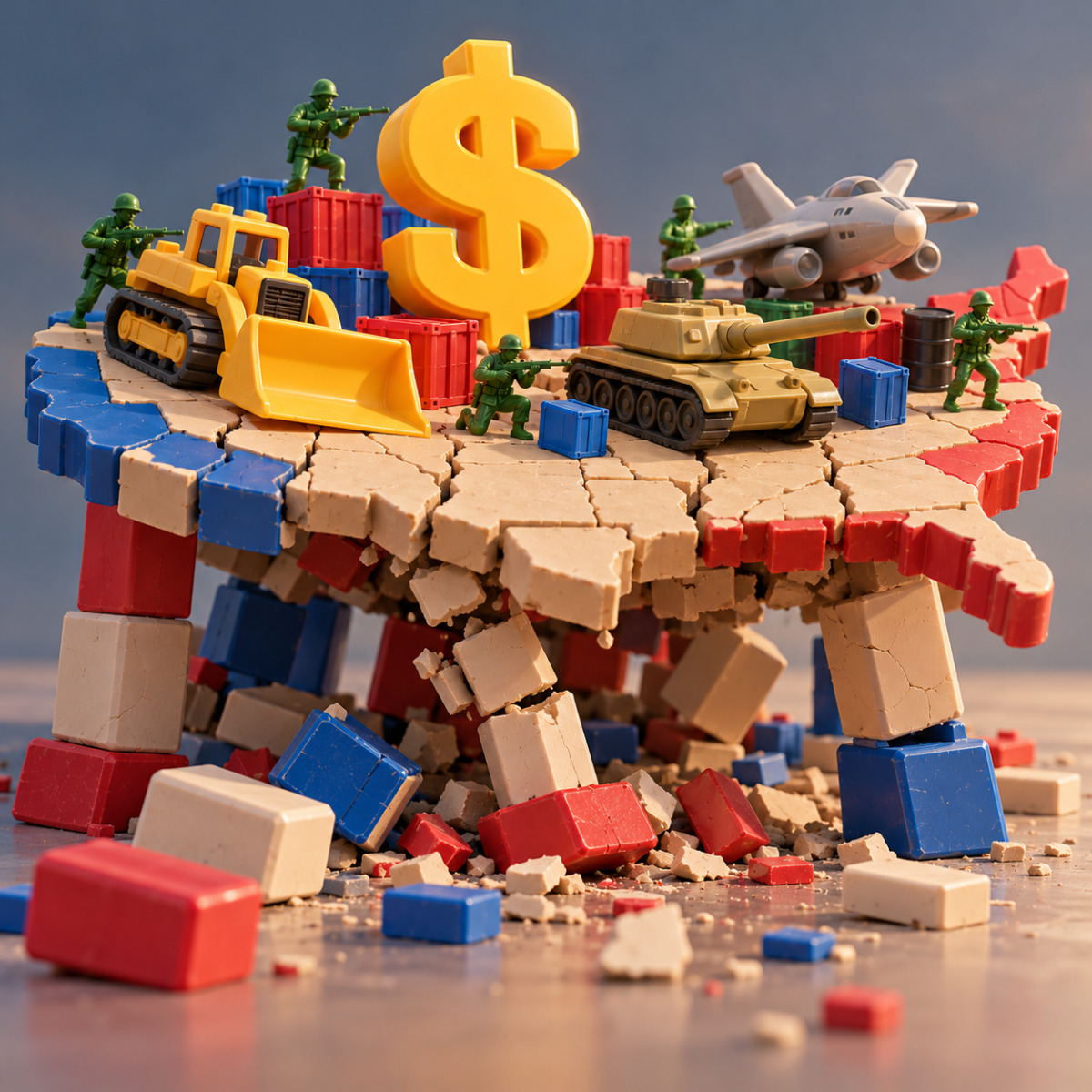
America’s greatest strength was never simply its wealth or military power, but the international relationships that sustained them. As Washington undermines those relationships, the world is learning to become less dependent upon America, with consequences that could be difficult to reverse.
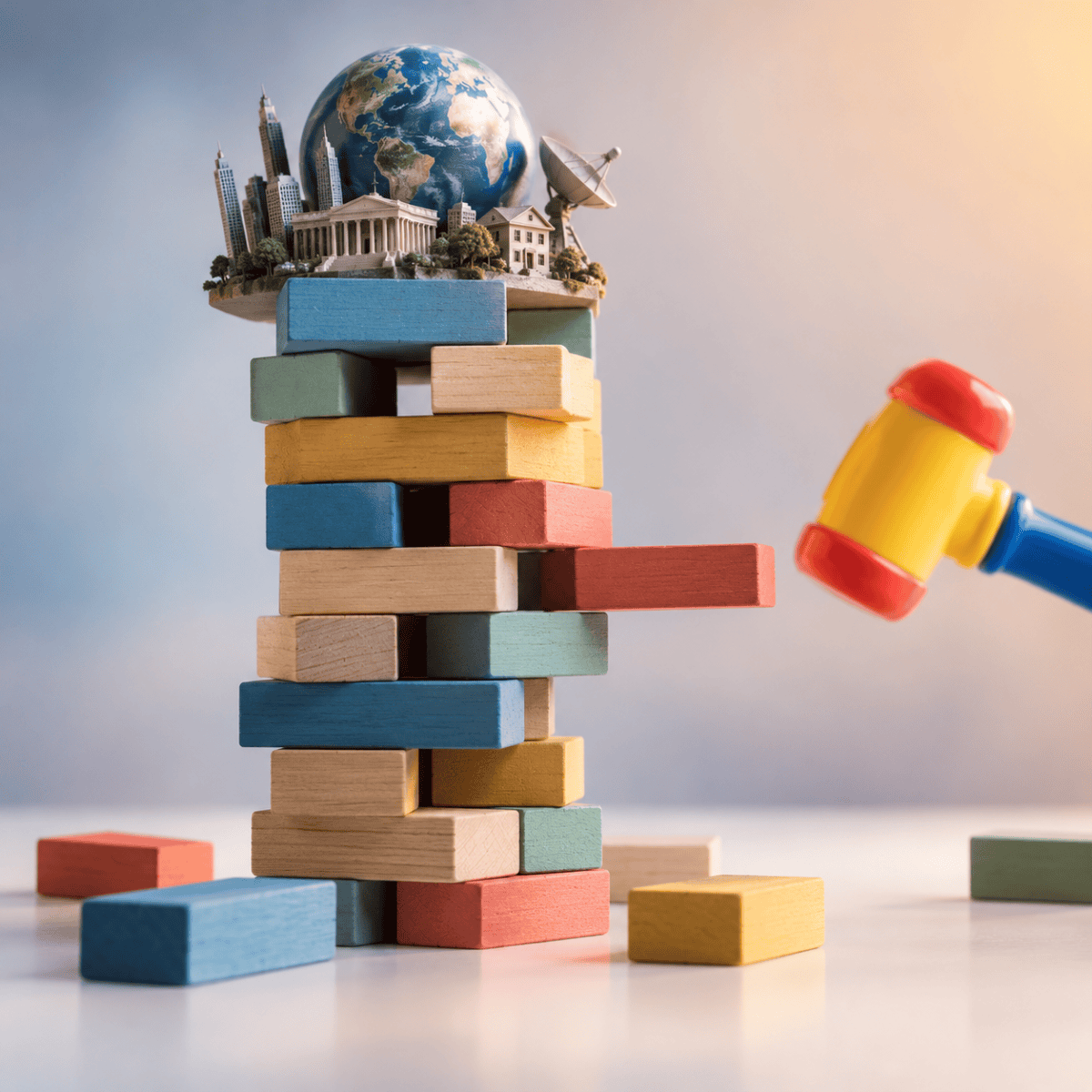
From Starlink and Ukraine to everyday technology, technocratic overextension exposes a dangerous paradox: civilisation increasingly depends on systems that (mostly) function as intended, but whose continued availability is controlled elsewhere, by political and ideological interests we may not share.
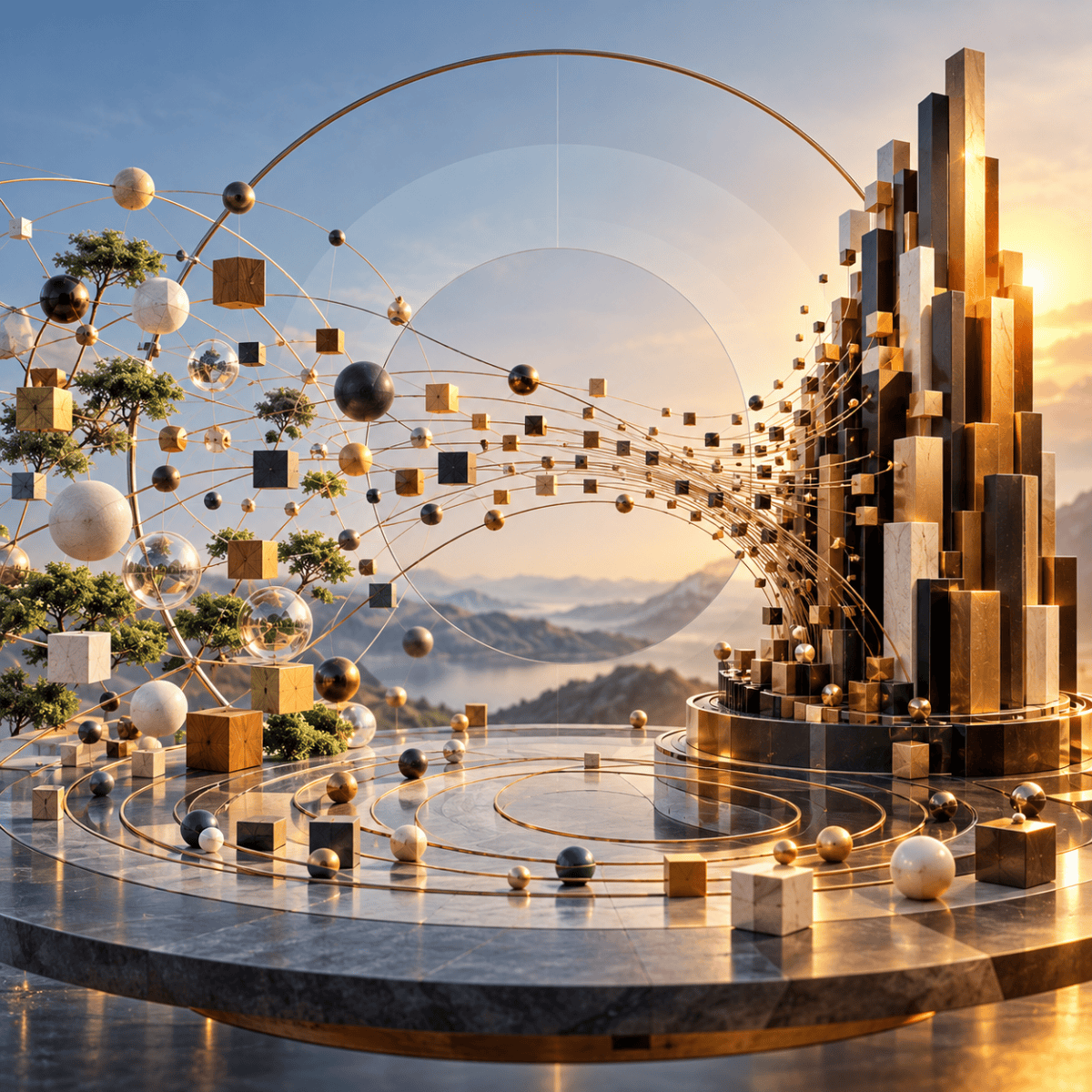
The problem is not capitalism or competition, but the concentration of wealth and power that progressively undermines the conditions through which meaningful competition, economic freedom and social resilience remain possible.

Independent knowledge becomes a social burden when learning is treated as competition and established opinions become territories to defend. Genuine enquiry begins when understanding becomes a shared endeavour rather than a contest over who knows more.
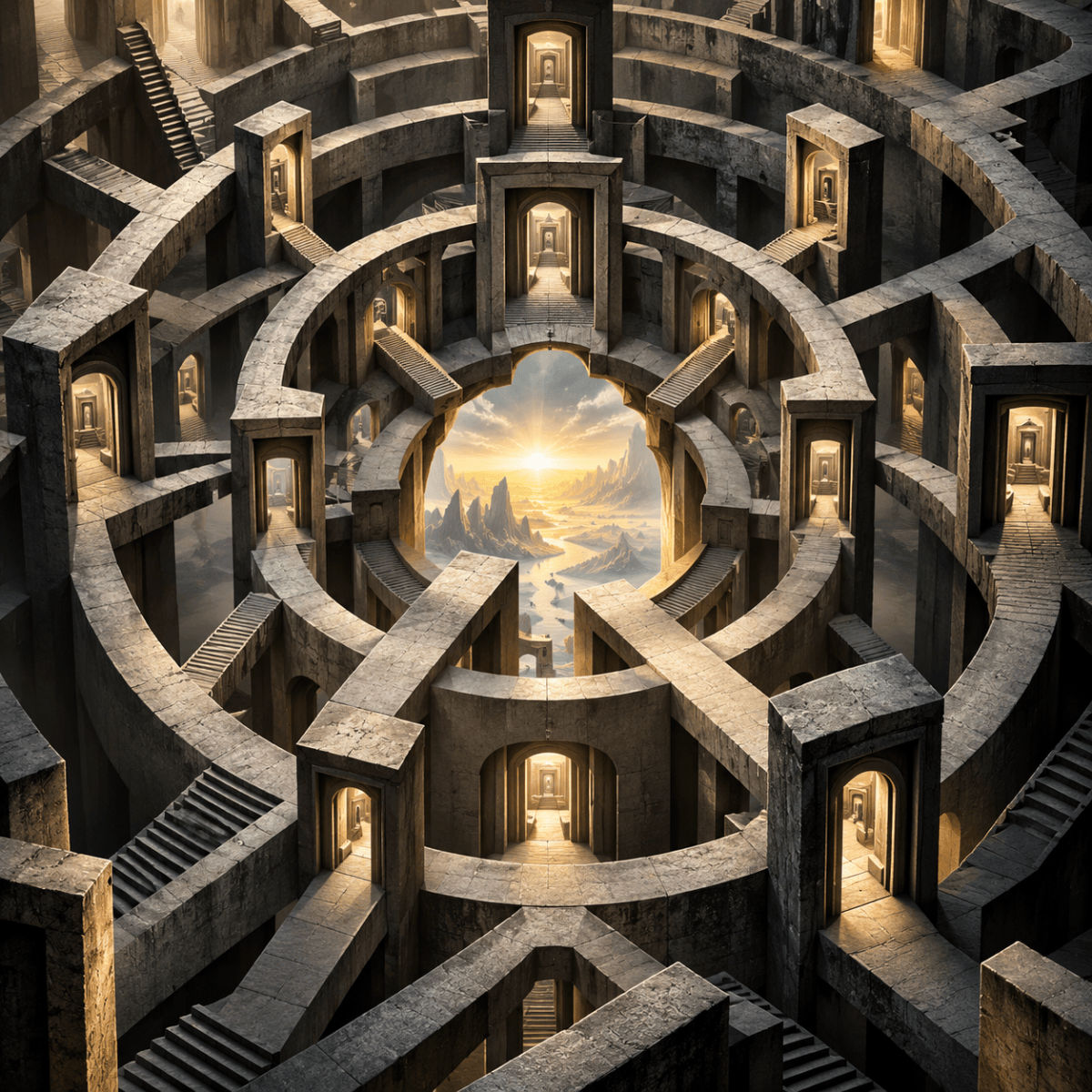
The paradox is that philosophy, a discipline nominally concerned with questioning assumptions, has become remarkably accomplished at preserving its own.

Language does more than convey meaning. Its recursive rhythms reproduce belief, conflict and the conditions through which societies persist.
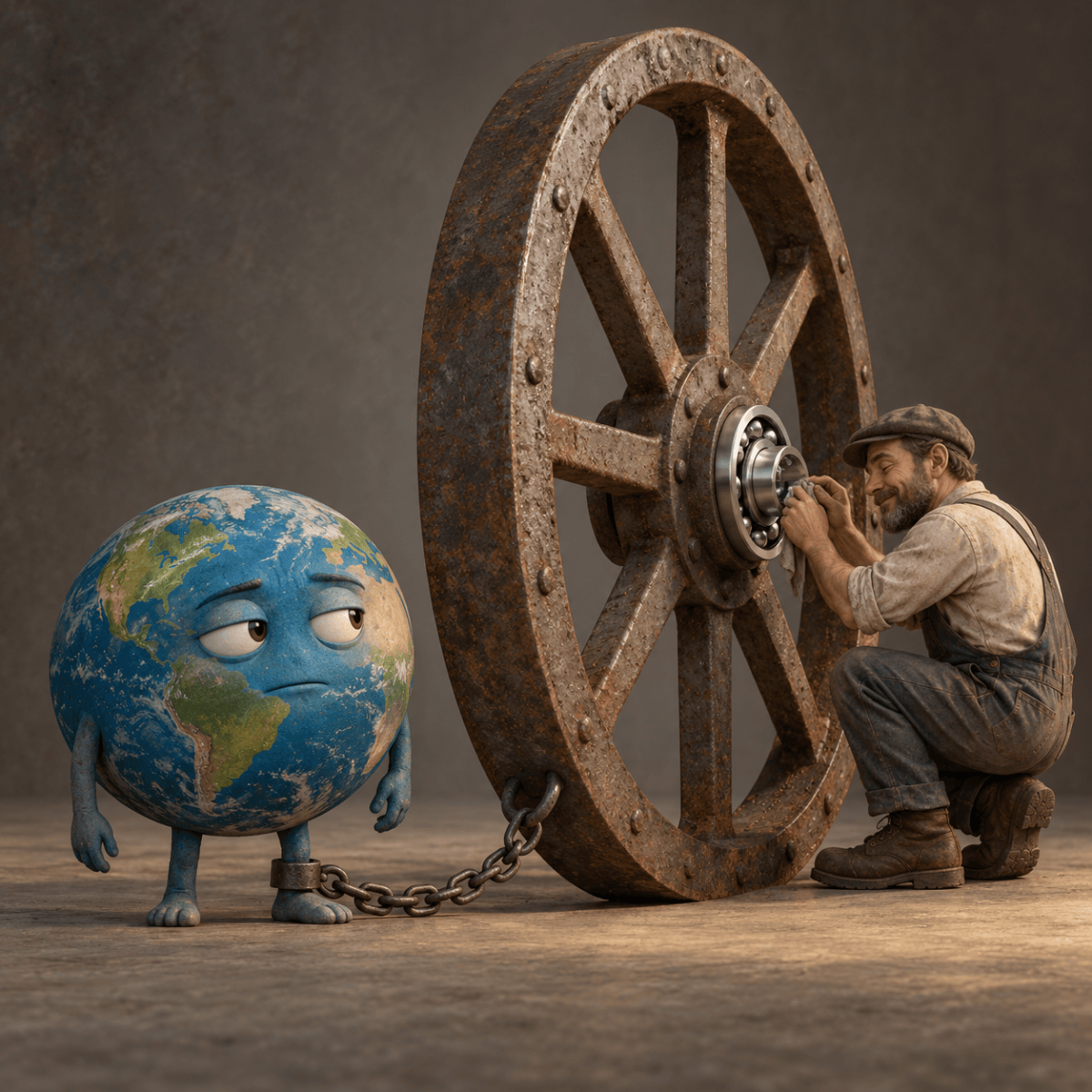
The question is whether civilisation can preserve its capacity to continue without making recurrent destruction the principal instrument of its renewal.
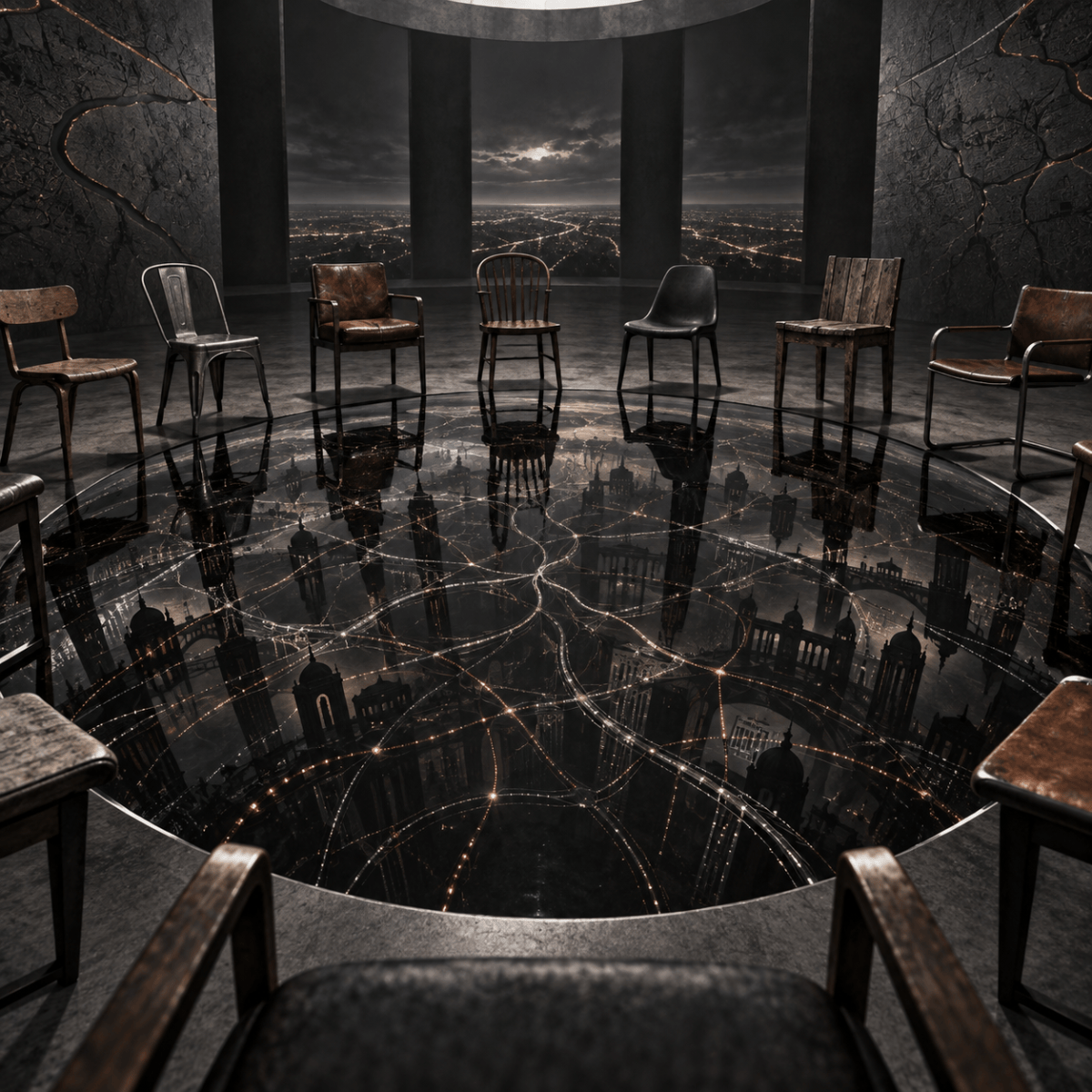
We are not outside the world we are trying to understand. We are (all) implicated in its disorders, participants in its reproduction, and responsible for what happens next.
Have a WordPress.com account? Log in now.

