The internet promised to make life easier. Instead, we increasingly organise our lives around its demands, adapting to systems that profit from the dependencies, distractions and frustrations they perpetuate.
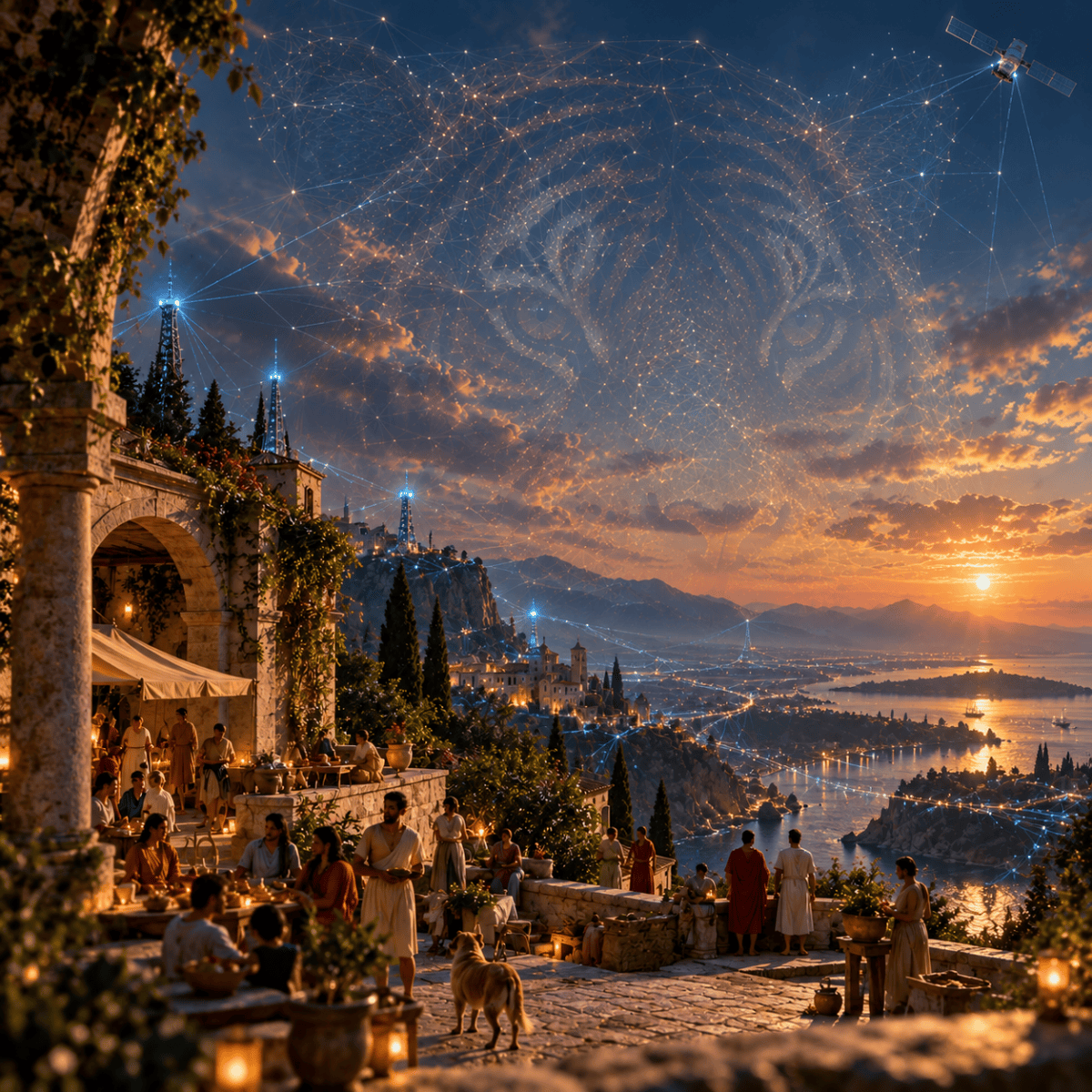
The internet promised to make life easier. Instead, we increasingly organise our lives around its demands, adapting to systems that profit from the dependencies, distractions and frustrations they perpetuate.

Things do not exist first and then form relationships. They emerge through relationships that sustain them. Identity, time and existence arise from differences that can never be completely resolved.

Language is more than a means of exchanging information. Beneath meaning and communication lie physical dynamics of rhythm, resonance and persistence that shape collective behaviour, social reality and the patterns through which we understand the world.
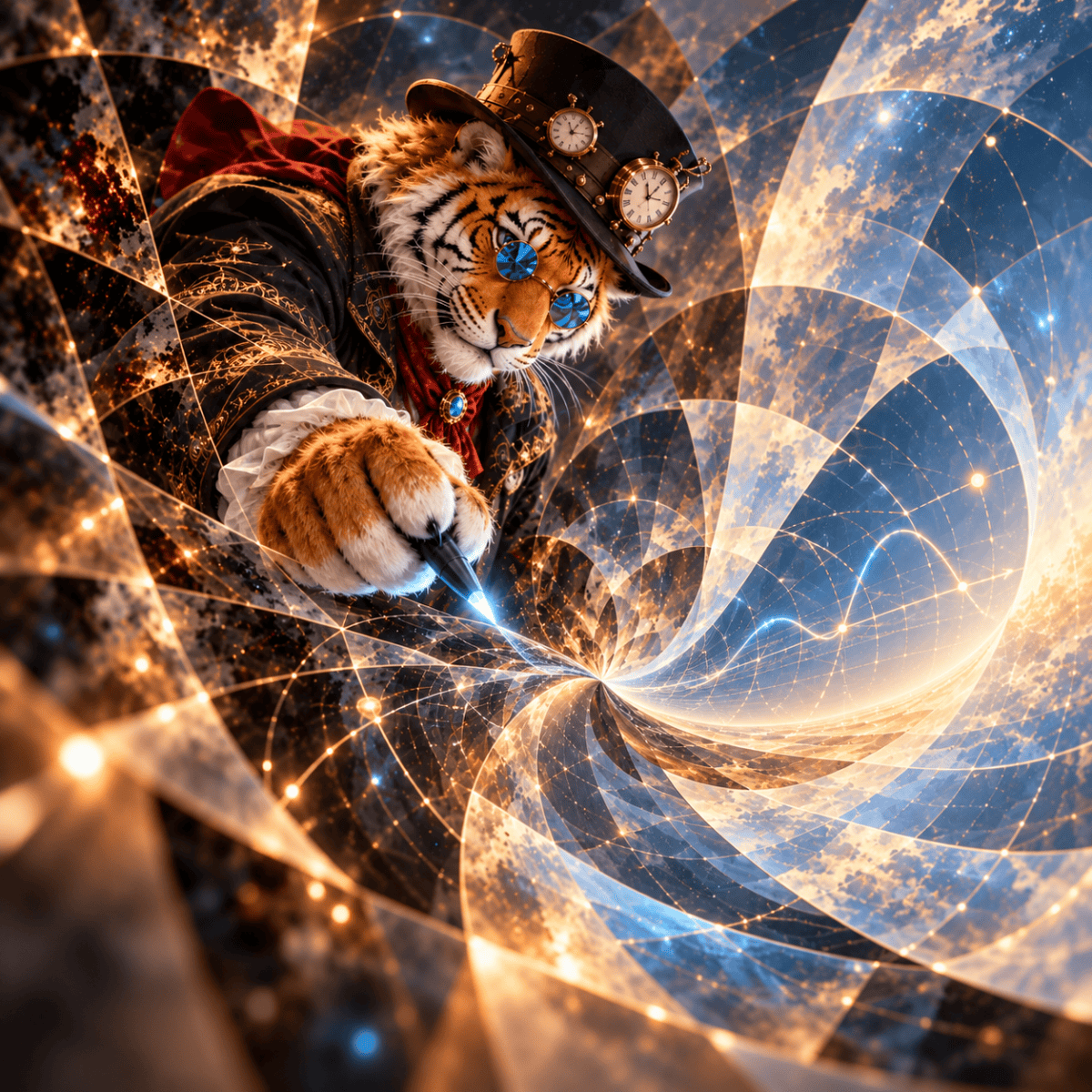
Is artificial intelligence conscious? The deeper question is whether complex mathematical structuire is conscious; what happens when physics, mathematics and technology converge.

Technology at scale preferentially industrialises the parts of human nature that are easiest to measure, repeat, monetise, automate, and weaponise. Those parts are rarely our best ones.
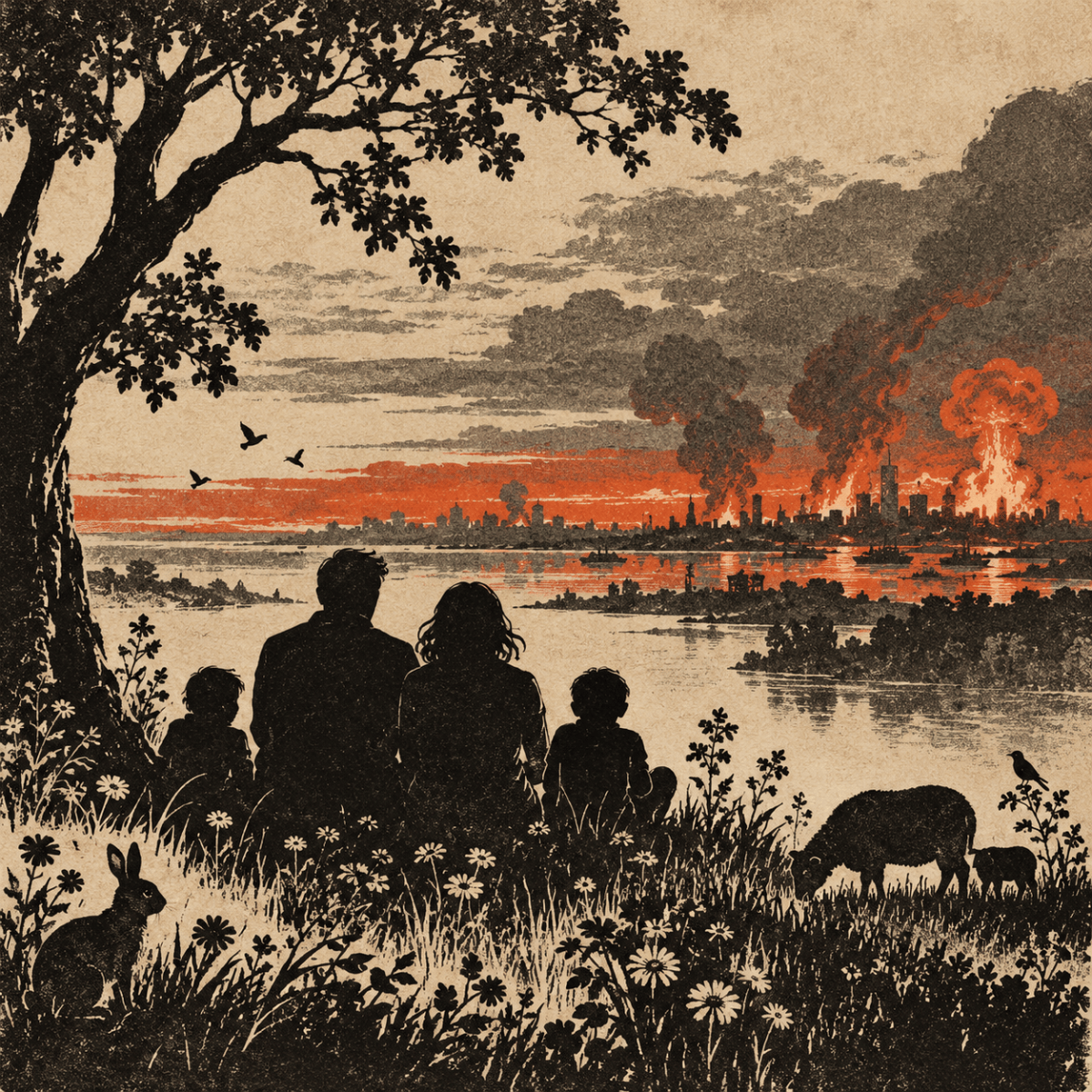
We have spent billions of years becoming what we are, yet our political and economic systems increasingly reward the destruction of the complex relationships that sustain us. What we stand to lose is beyond calculation, and the tragedy is how unnecessary so much of it is.

The paradox is how to preserve a planetary civilisation’s capacity for emergent self-regulation without irreversibly surrendering it to the political, economic and technological artefacts, entities and systems established to manage and control it.

We mistake the world we inherit for a world that must be this way. History, habit and collective belief conceal a more uncomfortable truth: our civilisation is simply what did happen, not what had to happen.

Technology, corporate power, political division and institutional decay are undermining civilisation. Understanding how these forces reproduce themselves is the beginning of change.

A system that discourages difference eventually undermines its own capacity to learn, adapt and survive.

Popularity is not a measure of significance. The economics of attention systematically rewards familiar ideas while disadvantaging those capable of changing how we think.
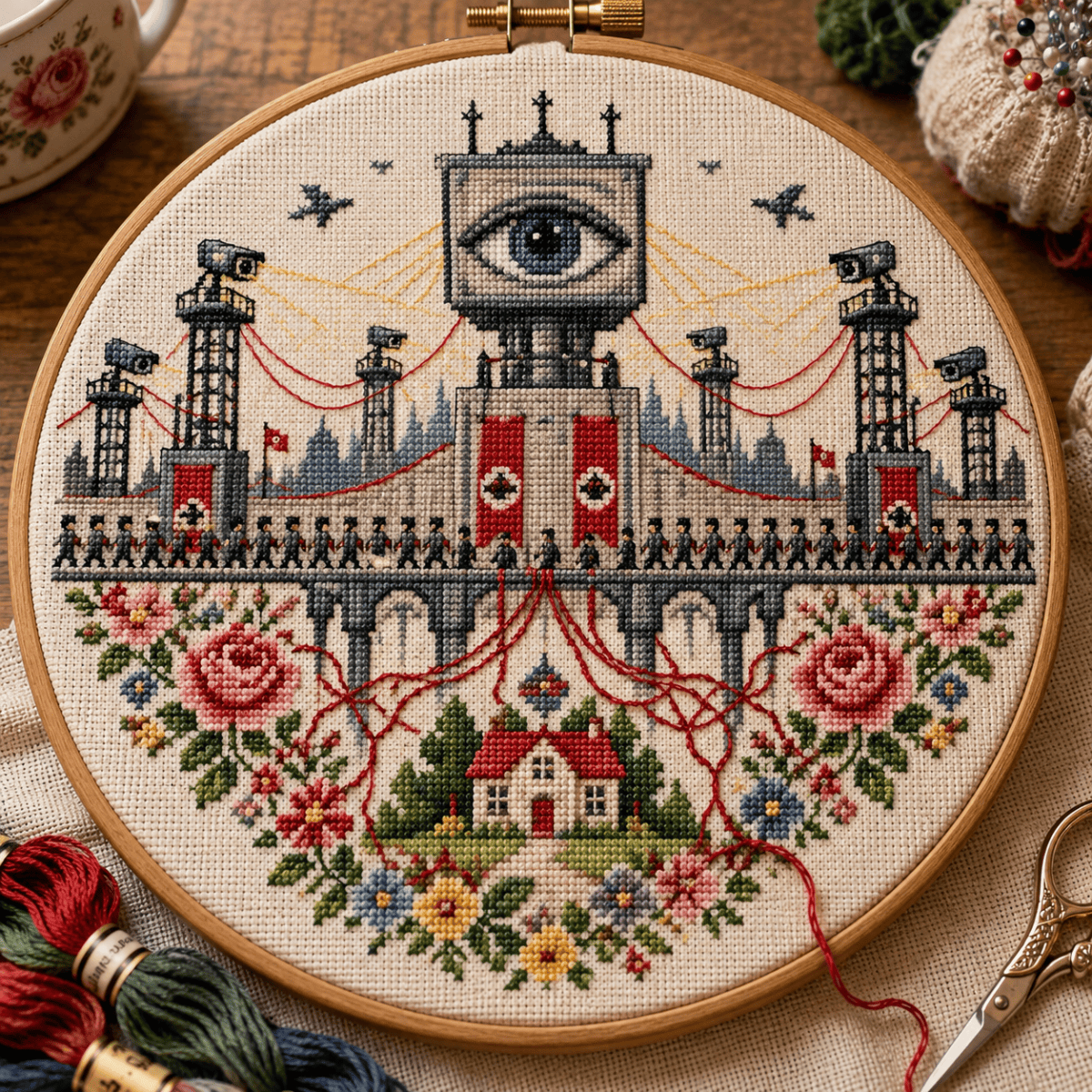
When ignorance becomes politically powerful, socially respectable and commercially profitable, independent thought becomes a liability.
Have a WordPress.com account? Log in now.

