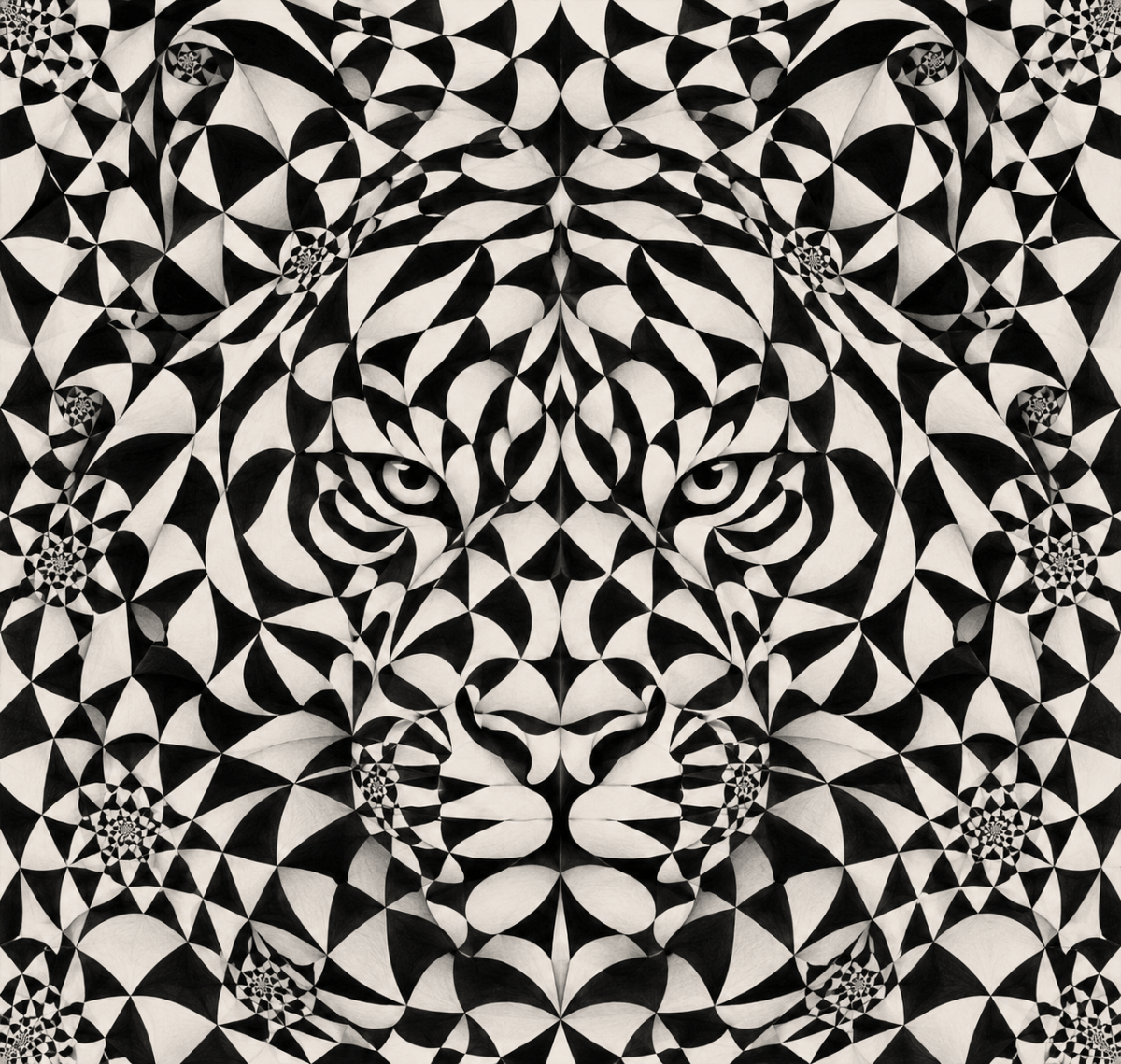
Existence is not constituted by things that subsequently enter into relationships. Relations are primary, and things are the provisional identities sustained through them.
The proposition that existence arises through relationships rather than preceding them has deep roots in philosophy and science. Alfred North Whitehead understood reality through processes of becoming rather than enduring substances, while Gilbert Simondon examined identity as something emerging through individuation, rather than something already complete. Carlo Rovelli’s relational quantum mechanics describes physical properties through interactions between systems, while Maturana and Varela’s autopoiesis explains living continuity through recurrent processes of self-production. Prigogine and Stengers extend this understanding into irreversible thermodynamics, where order emerges and persists through exchanges of energy and matter. These are distinct approaches, but they converge on a fundamental question: how does anything remain recognisable when everything involved in its existence is changing?
Across the Daedelus Kite corpus, this question runs through Reality, which examines the primacy of relationships, and Before Continuity, which explores how difference and delay sustain persistence. The Unpluggable Hole develops absence as a generative condition of existence, while Persistence of Reality examines how opposing tendencies sustain one another without becoming identical. The Distributed Brain of Culture carries these principles into language, cognition and collective life. The underlying argument is consistent: life and death, presence and absence, continuity and transformation do not exist as separate things that subsequently interact. Each arises through its relationship with the other. Their differences are not obstacles to existence but conditions through which existence becomes possible. Existence does not persist despite its contradictions, but through the differences that sustain its continuity.

