Things do not exist first and then form relationships. They emerge through relationships that sustain them. Identity, time and existence arise from differences that can never be completely resolved.
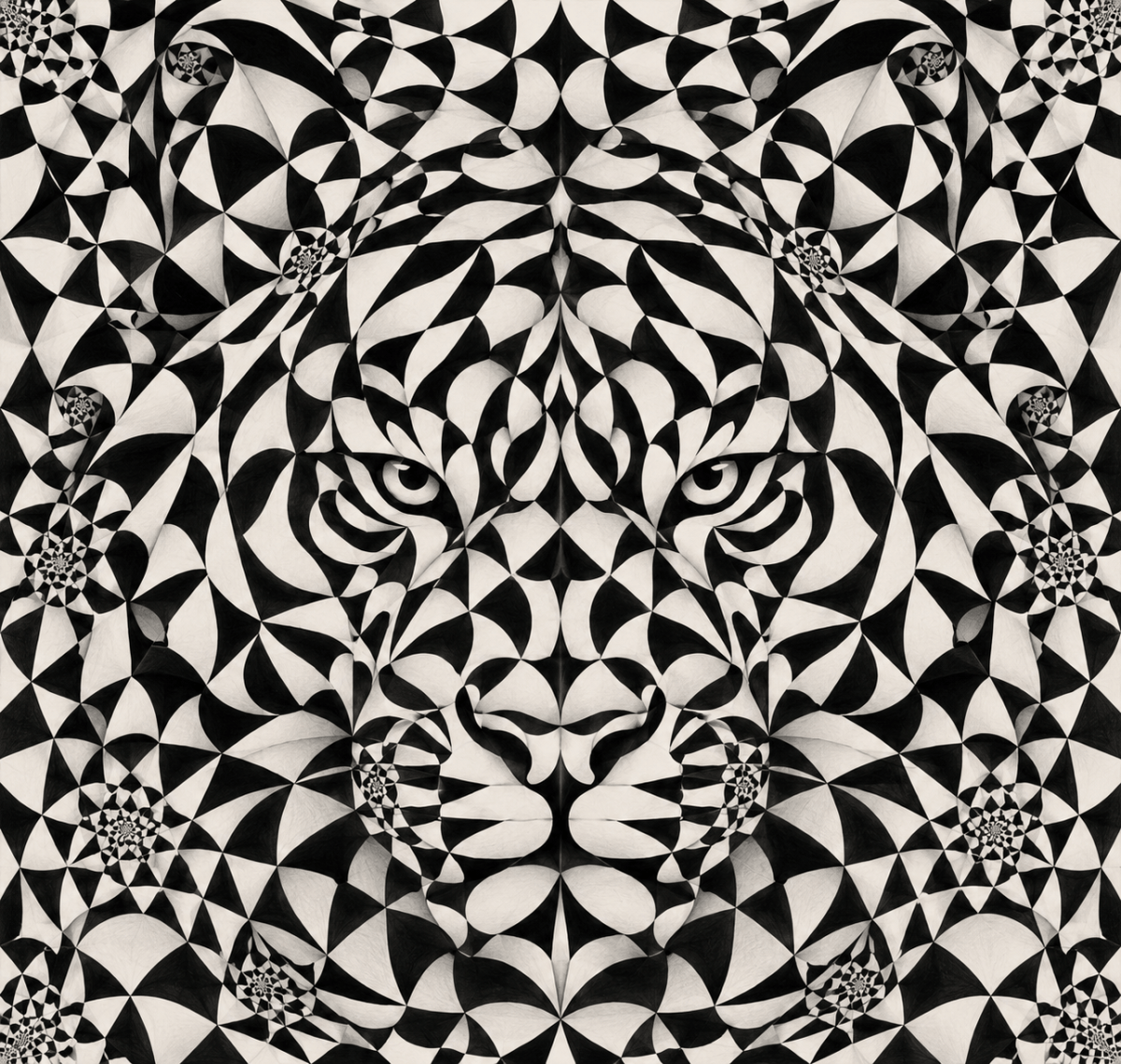
Things do not exist first and then form relationships. They emerge through relationships that sustain them. Identity, time and existence arise from differences that can never be completely resolved.

Language does more than convey meaning. Its recursive rhythms reproduce belief, conflict and the conditions through which societies persist.

Formal logic works with identities and distinctions. Understanding complex systems requires explaining how both emerge and persist through the relations that sustain them.

Reality cannot be complete: absence, difference and delay sustain the recursive probabilistic dynamics through which (self-) organisation persists.
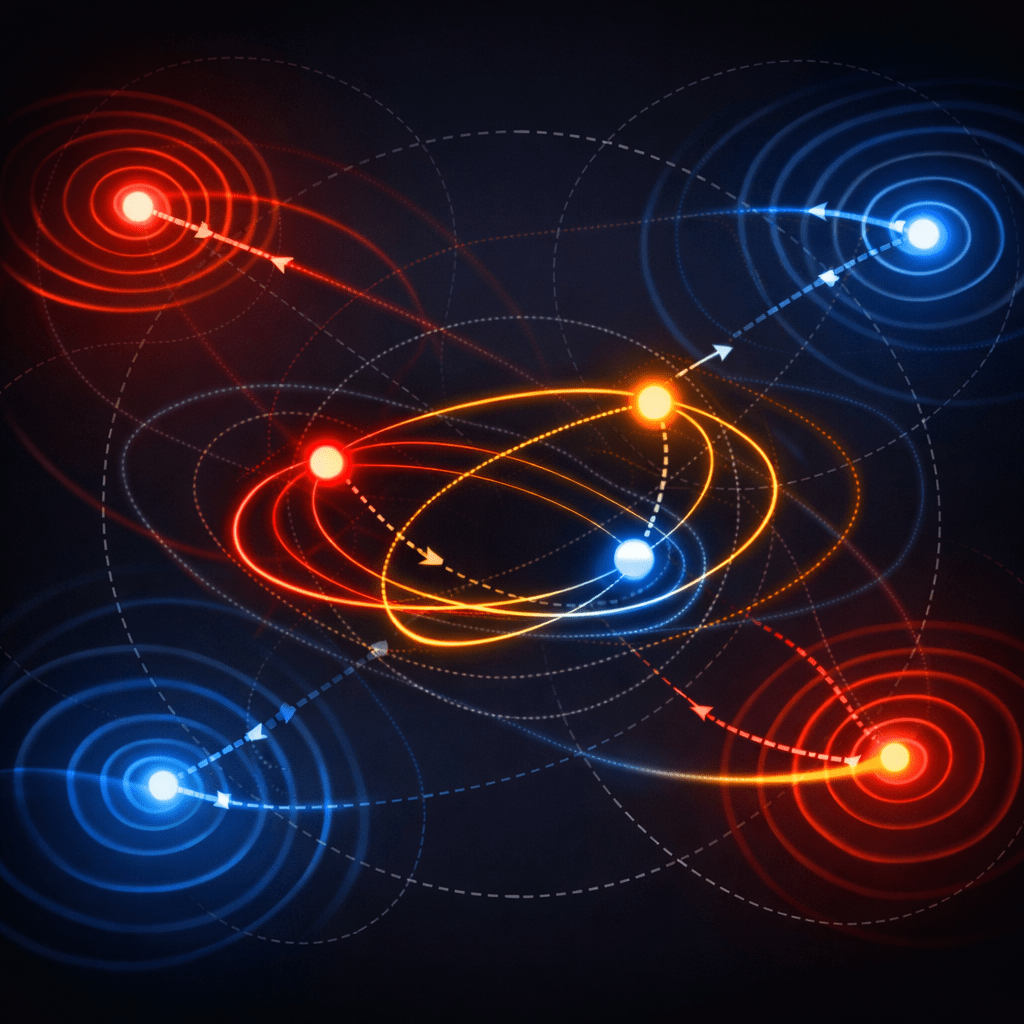
Reality persists because nothing (and only nothing!) ever fully coincides with itself.

The machinery does not need to fail. It only needs to keep working in ways that make more of itself necessary.

Communication persists not by preserving messages, but because each exchange reshapes the system that makes further exchange possible.

What persists is neither order nor entropy, but the organised difference through which each continually transforms the conditions of the other.

A is A. The interesting question is how it keeps getting away with it.
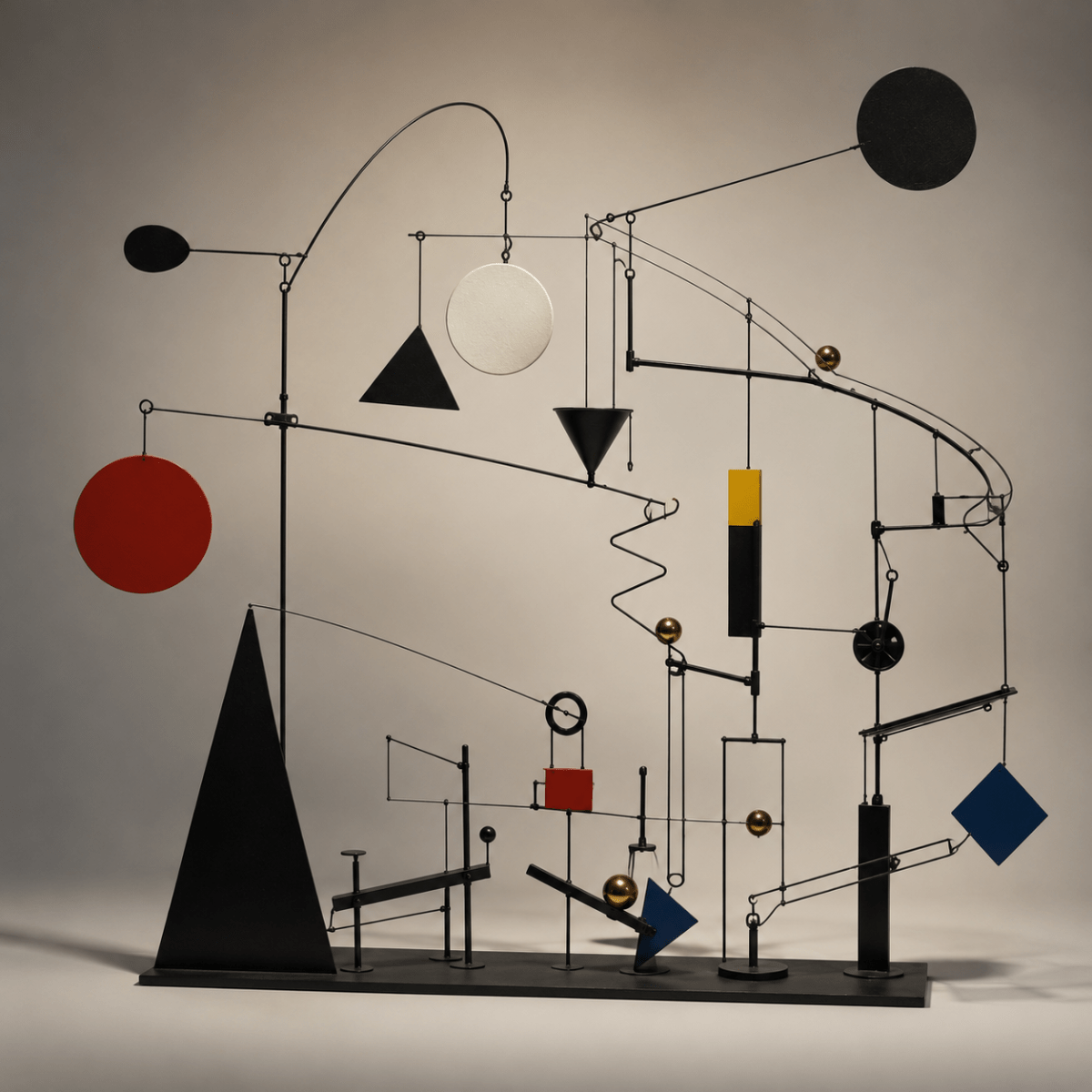
Enduring systems do not survive by resisting change, but by metabolising its consequences into temporary coherence.

Still here. Still thinking. Still refusing to disappear.
Applied Field Logic proposes that persistence is not found in things, but in maintained relationships. This paper develops the mathematical foundations of that claim.
Have a WordPress.com account? Log in now.

