We are not outside the world we are trying to understand. We are (all) implicated in its disorders, participants in its reproduction, and responsible for what happens next.

We are not outside the world we are trying to understand. We are (all) implicated in its disorders, participants in its reproduction, and responsible for what happens next.
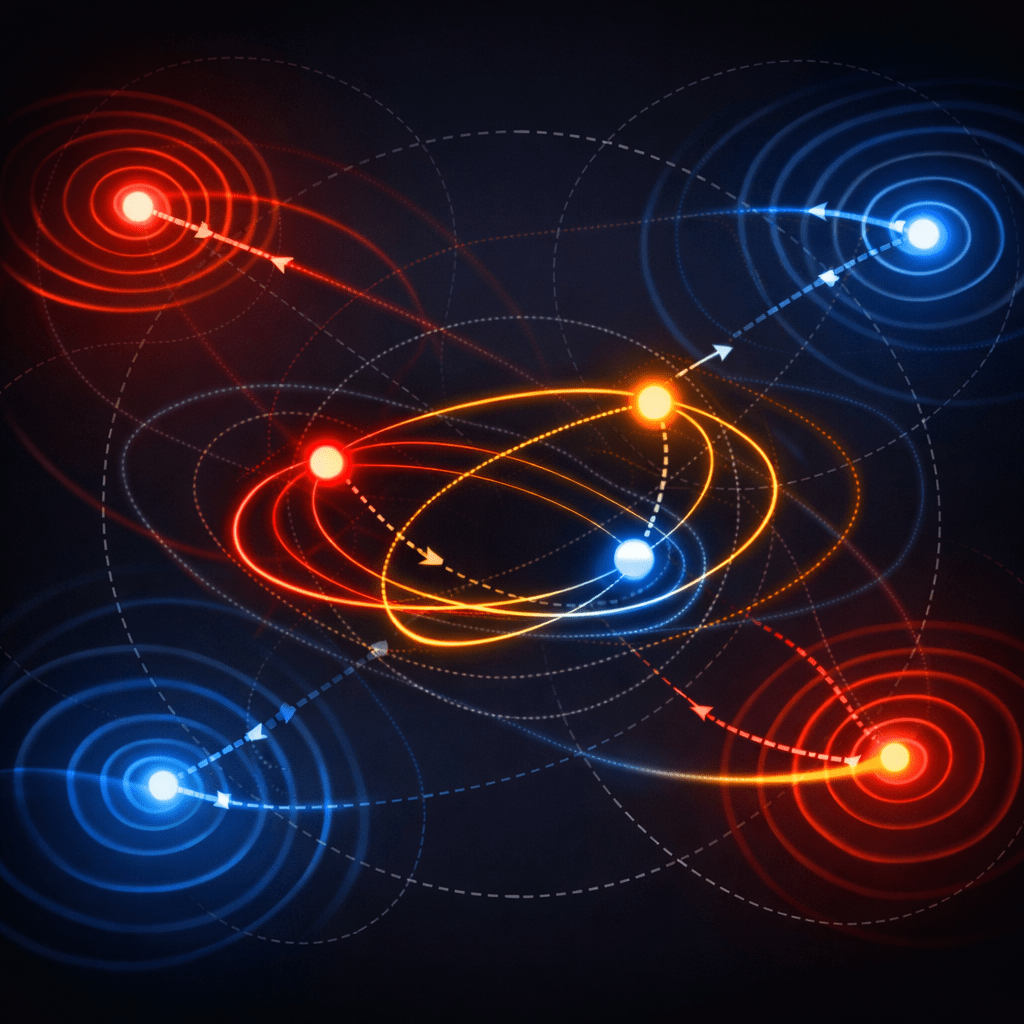
Reality persists because nothing (and only nothing!) ever fully coincides with itself.
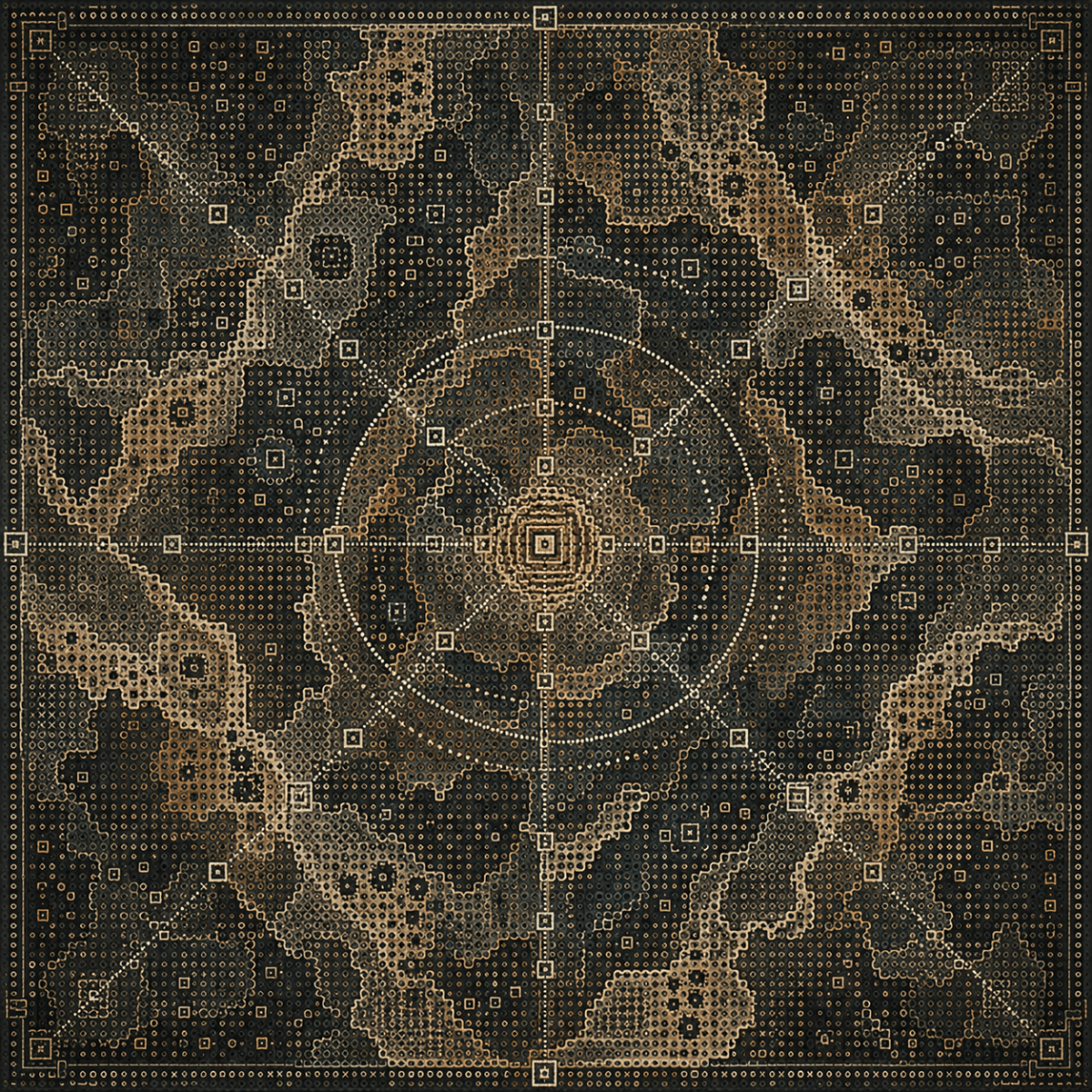
Institutions rarely fail because they cannot recognise problems. They fail because recognising problems is not the same as escaping the conditions that reproduce them.

Absence is not a flaw in the structure. Absence is the engine.

The most important pattern in modern society is the one almost nobody is looking for.

What persists is neither order nor entropy, but the organised difference through which each continually transforms the conditions of the other.
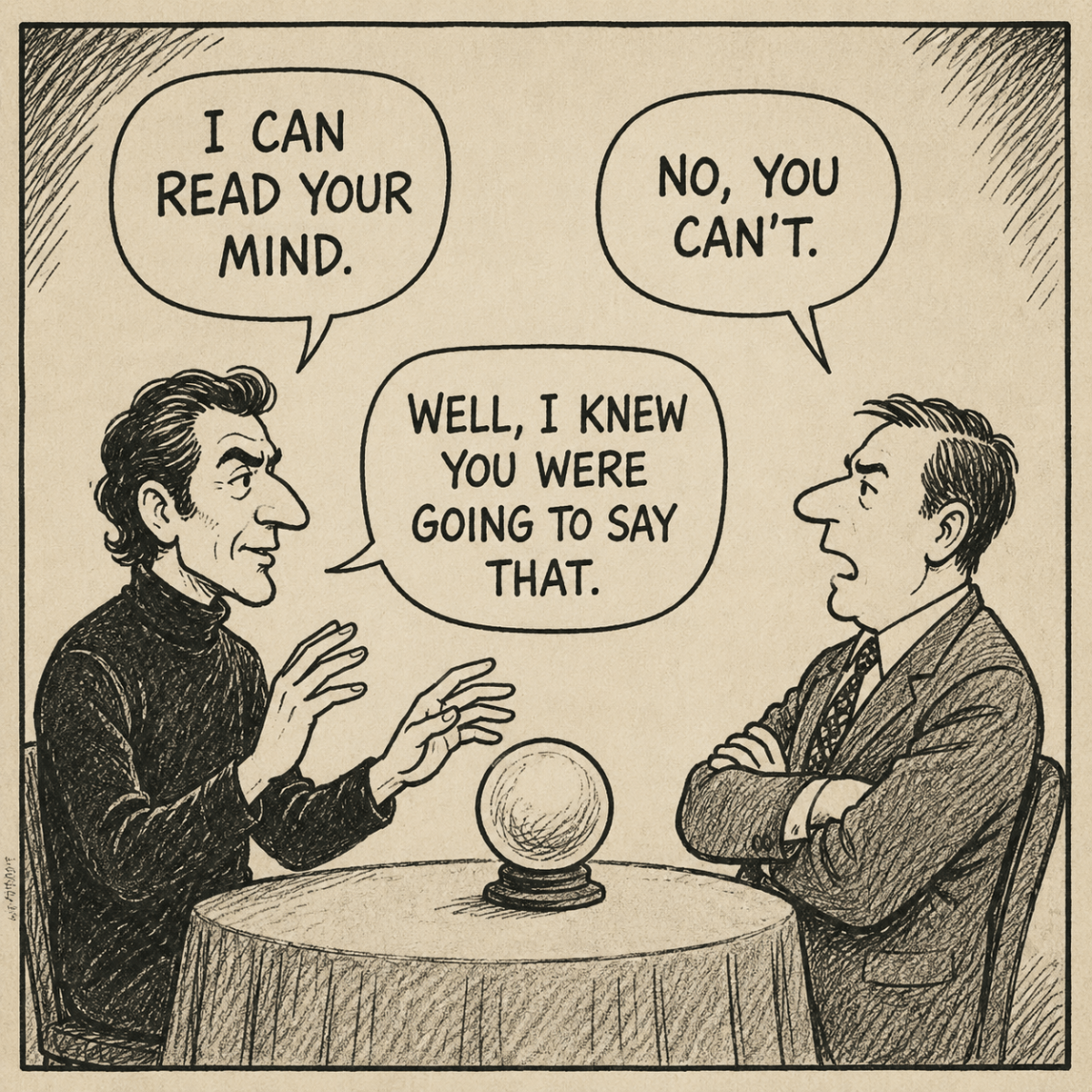
The self depends on a membrane of belief separating “me” from the world, though almost everything constructing that “me” comes from elsewhere.

Every explanation of reality becomes another part of the reality left to explain:
E(R) ∈ R → E(R) ≠ R.

Civilisations fall into rhythms, and changing those rhythms changes the futures they can sustain.
Applied Field Logic proposes that persistence is not found in things, but in maintained relationships. This paper develops the mathematical foundations of that claim.

The aim of Applied Field Logic is to provide a common mathematical language for describing (ie systemic) patterns of organised persistence.

We require forms of language capable of representing continuity without losing the ability to act locally within it, models capable of preserving the relationship between part and whole without reducing one to the other.

