The absence of violence is not necessarily peace. From personal relationships to international affairs, insecurity persists when attempts to resolve conflict reproduce the conditions that generate it.
The absence of violence is not necessarily peace. From personal relationships to international affairs, insecurity persists when attempts to resolve conflict reproduce the conditions that generate it.

War, money and political insecurity reproduce the threats they ostensibly intend to resolve, sustaining destructive relationships whose continuity subsequently appears necessary.

Things do not exist first and then form relationships. They emerge through relationships that sustain them. Identity, time and existence arise from differences that can never be completely resolved.

Language is more than a means of exchanging information. Beneath meaning and communication lie physical dynamics of rhythm, resonance and persistence that shape collective behaviour, social reality and the patterns through which we understand the world.
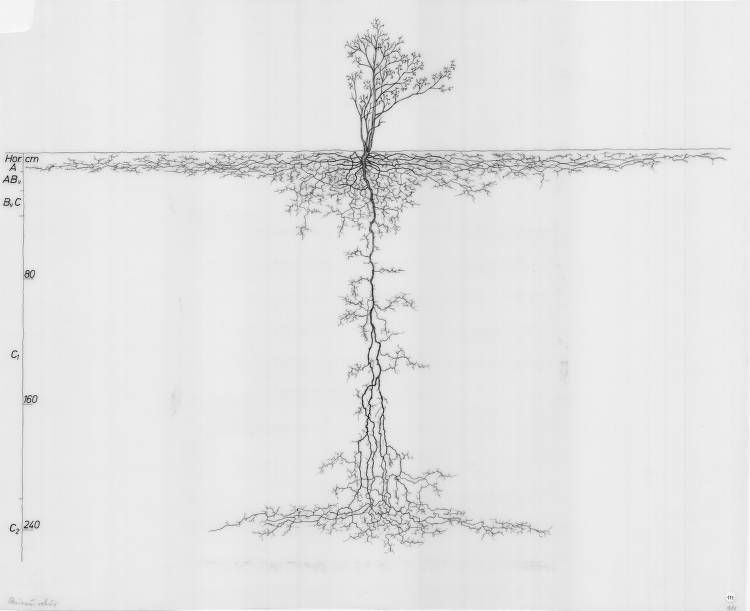
We mistake the brain for the seat of intelligence and the individual for its owner. Both depend upon a much larger system.
From social media and human psychology to Gaia and cosmic self-regulation, an exploration of identity, feedback, emergence and the illusion of control.

The paradox is how to preserve a planetary civilisation’s capacity for emergent self-regulation without irreversibly surrendering it to the political, economic and technological artefacts, entities and systems established to manage and control it.

We mistake the world we inherit for a world that must be this way. History, habit and collective belief conceal a more uncomfortable truth: our civilisation is simply what did happen, not what had to happen.

Popularity is not a measure of significance. The economics of attention systematically rewards familiar ideas while disadvantaging those capable of changing how we think.
The problem is not capitalism or competition, but the concentration of wealth and power that progressively undermines the conditions through which meaningful competition, economic freedom and social resilience remain possible.
Language does more than convey meaning. Its recursive rhythms reproduce belief, conflict and the conditions through which societies persist.
A society sustains peace through care, difference and collective intelligence, organising its institutions to preserve life, enable participation and adapt to changing circumstances.
Have a WordPress.com account? Log in now.

