Reality cannot be complete: absence, difference and delay sustain the recursive probabilistic dynamics through which (self-) organisation persists.

Reality cannot be complete: absence, difference and delay sustain the recursive probabilistic dynamics through which (self-) organisation persists.
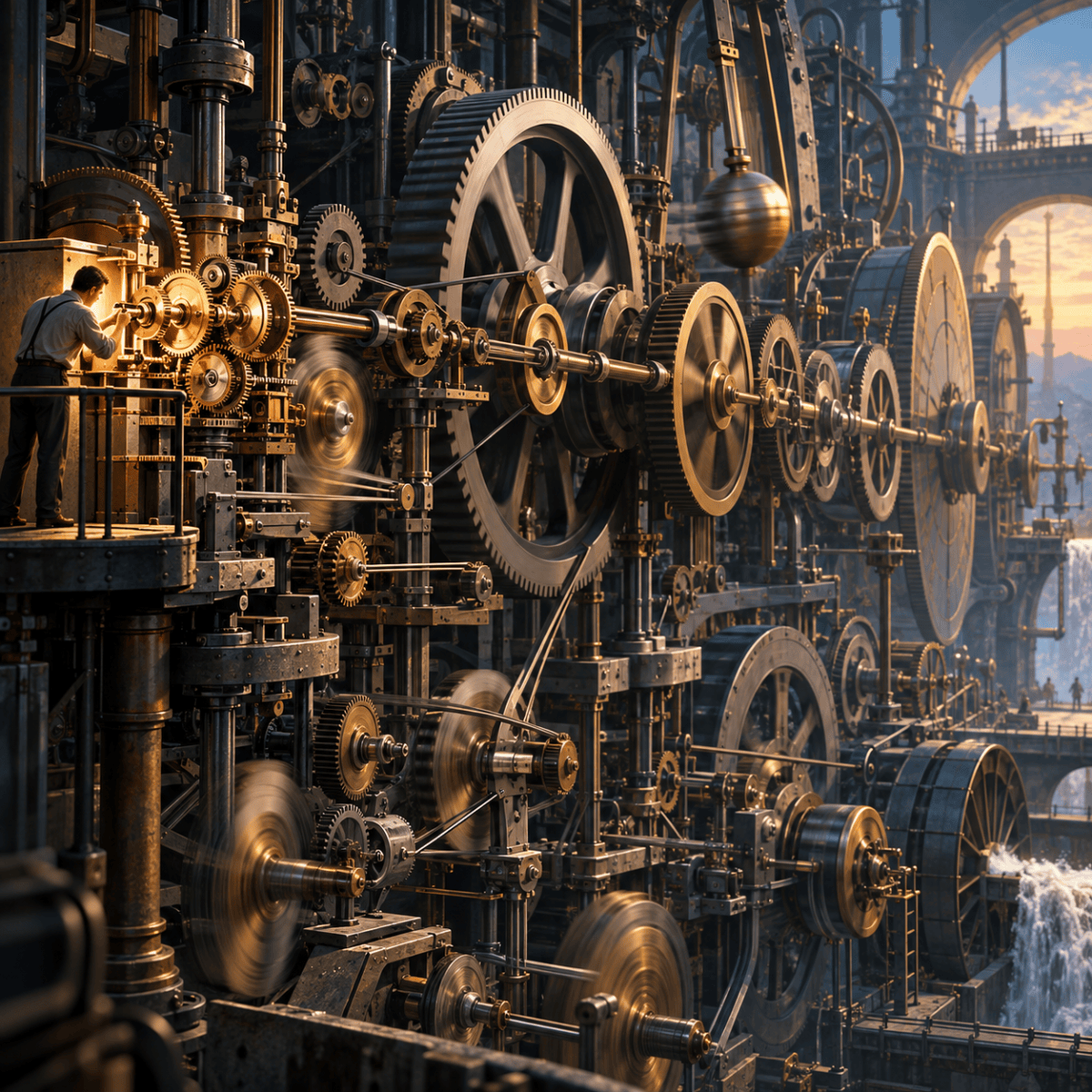
A humanistic philosophy informed by system dynamics: why simple solutions often displace problems across time and systems rather than resolving them.
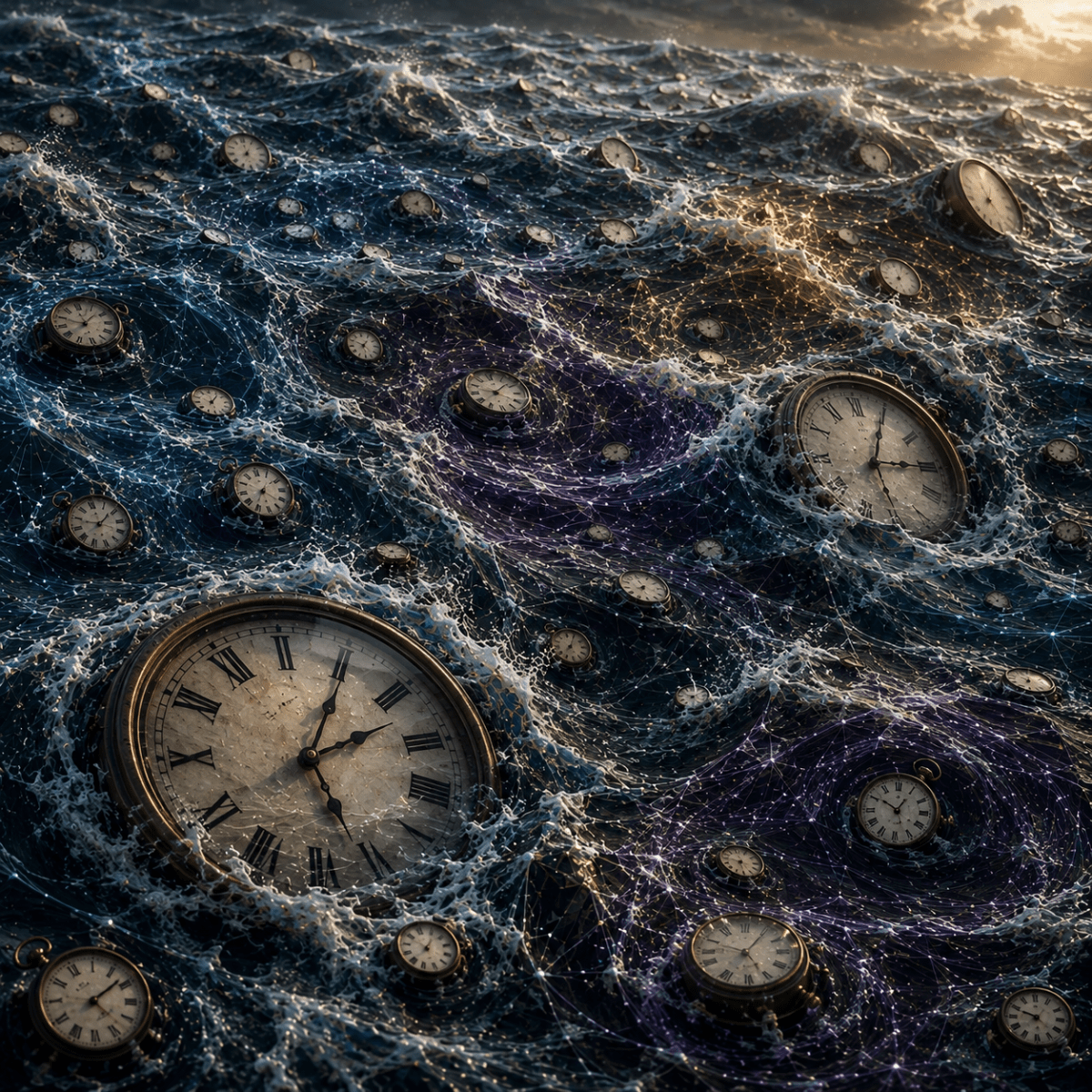
The present is not where possibility ends. It is where an immeasurably larger field of possible futures acquires one local history.

Differential timing is the common language of organised systems.
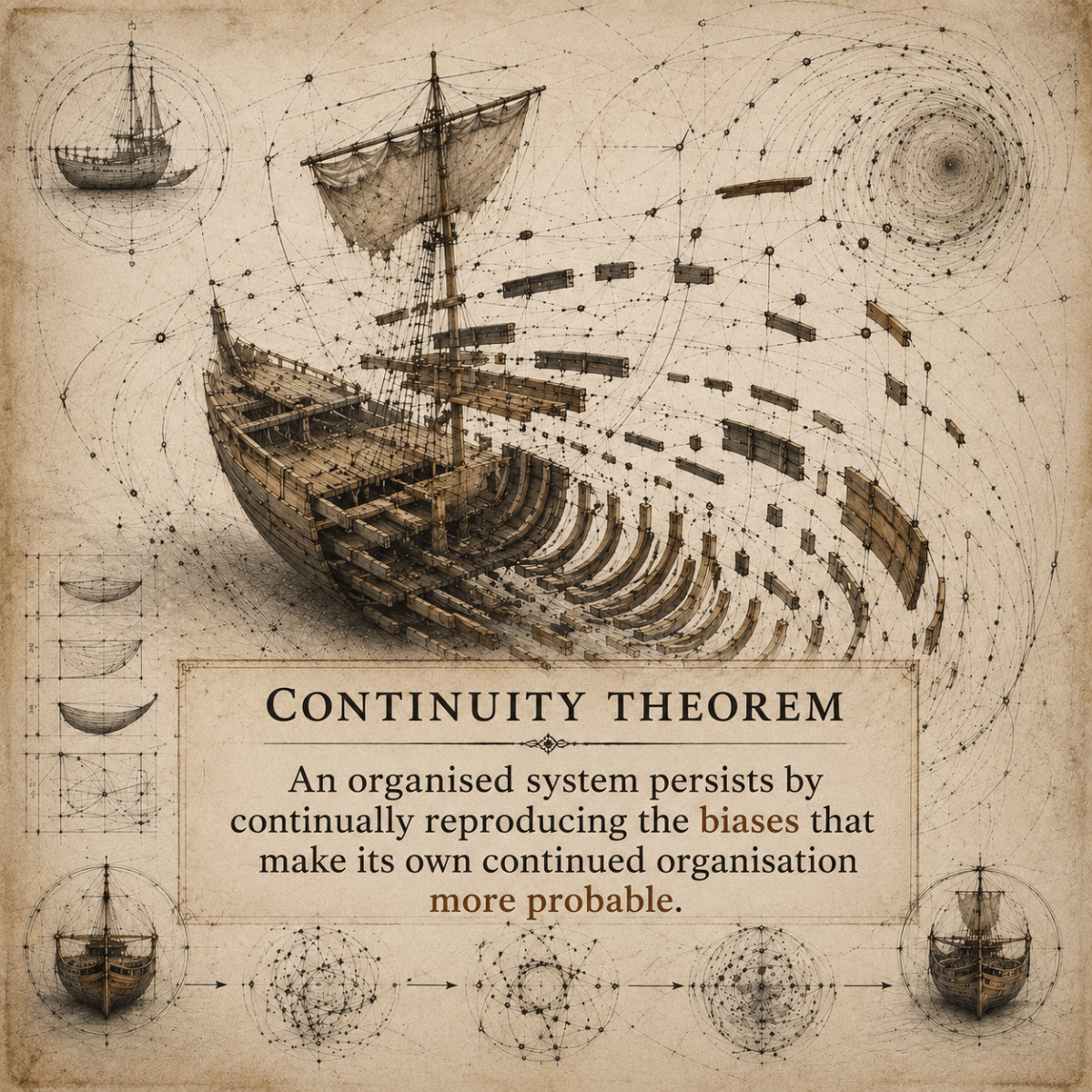
Organised systems persist by reproducing the biases that make their own continuity more probable.
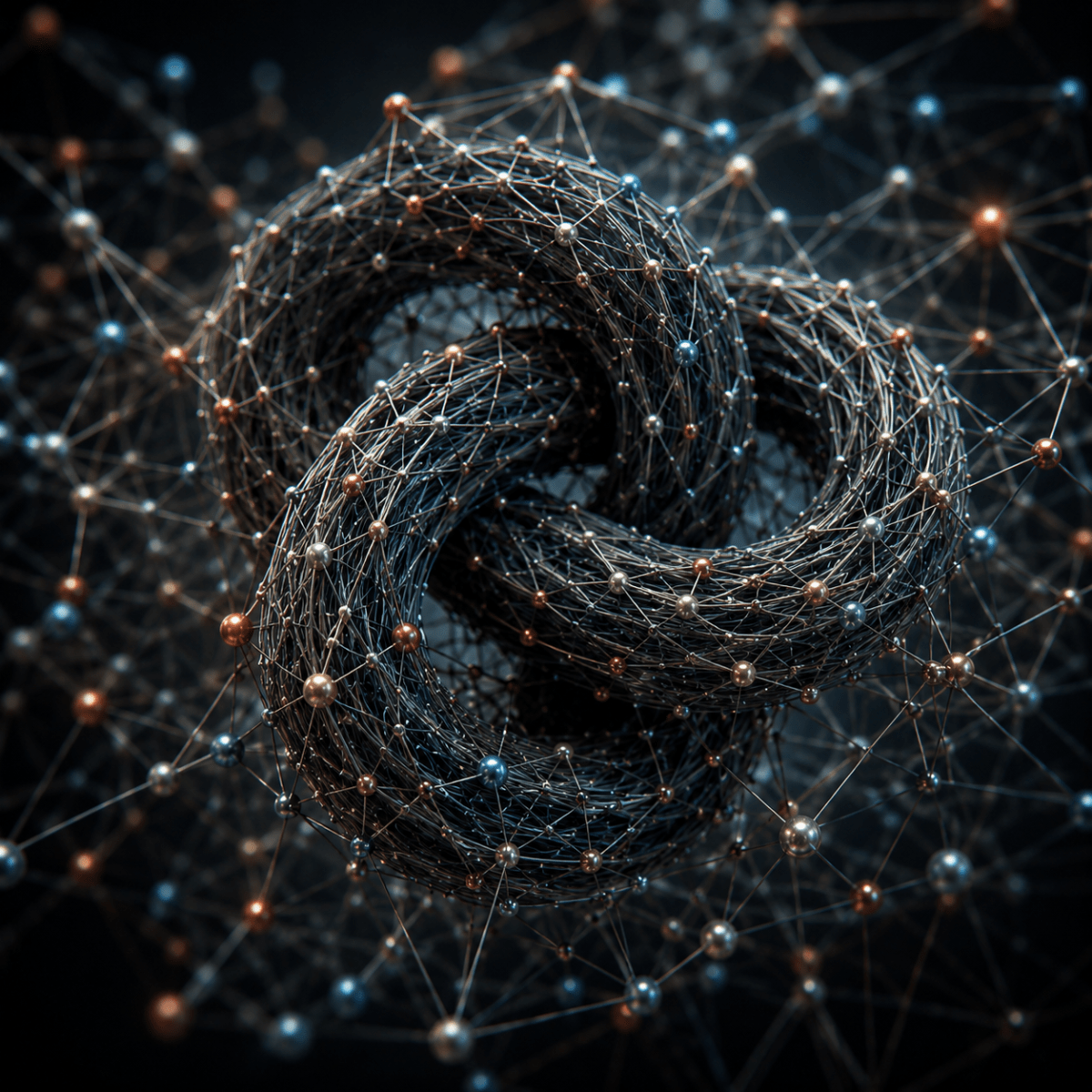
Time is not something through which relations pass. Time is the finite propagation of relation itself.
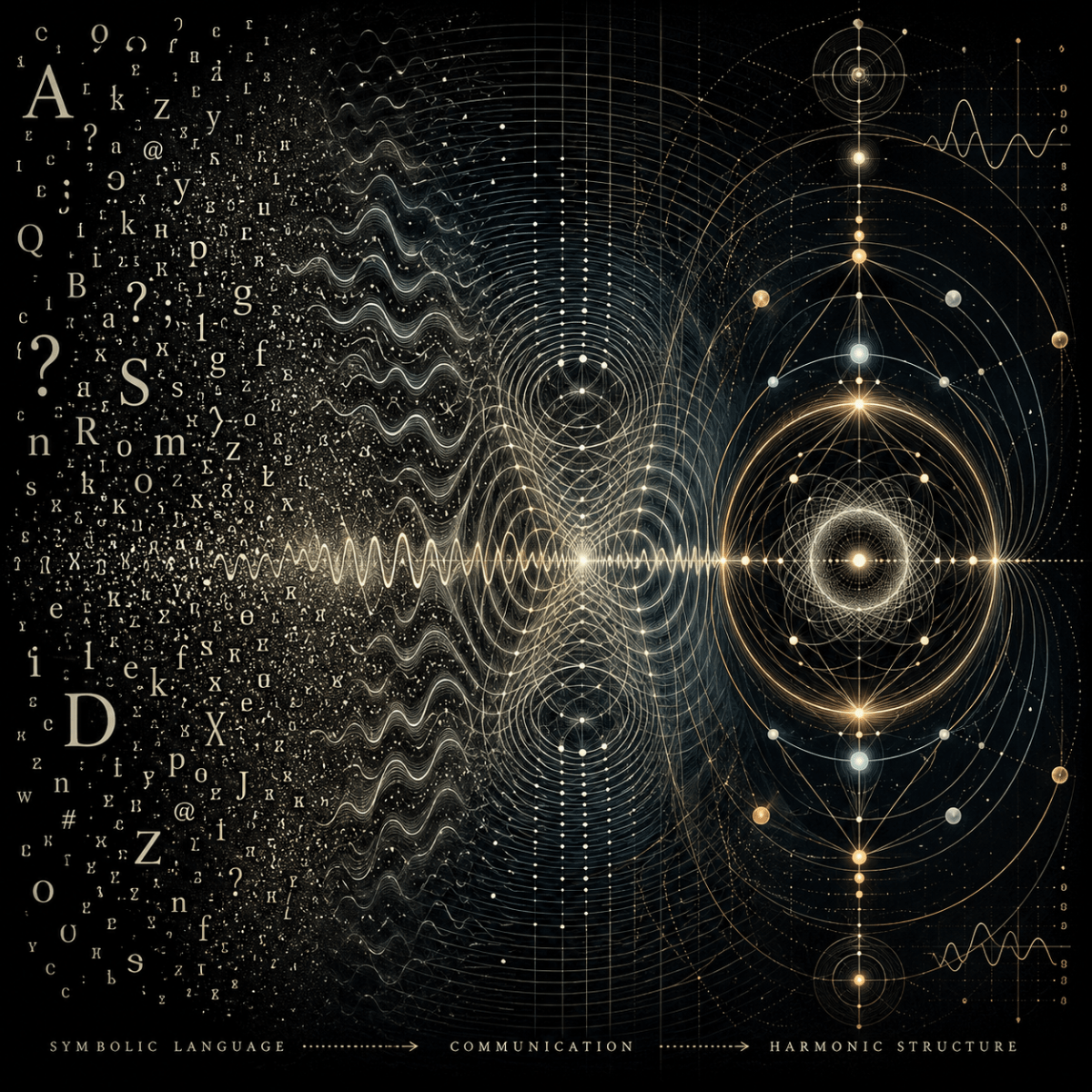
Meaning is not stored in words; it emerges as harmonic structure through time.

Sitting alone, observing cloud define, design, drift and diffuse themselves across the sky. Tidal flows of moisture, heat and thermal rhythm: a moment of quiet reflection. It takes a universe to make a cloud. I wonder if it might also, and in some counter-intuitively enigmatic sense, take a cloud to make a universe. Can the […]

How possibility becomes reality, and why that gap keeps us alive. Time is what turns possibility into fact, starlight into living dust, experience into oblivion. Holding a stone in your hand is holding a pocket full of unrealised futures: nothing has moved, yet movement is waiting. Let it go and those possibilities rush into action […]

Marcus Aurelius observed that all we ever encounter — this continuous present in which the world appears at all — is precisely what stands to be lost at the moment of death, not as a possession but as the condition of experience itself. Past and future exist only as internal operations within this aperture, memory […]
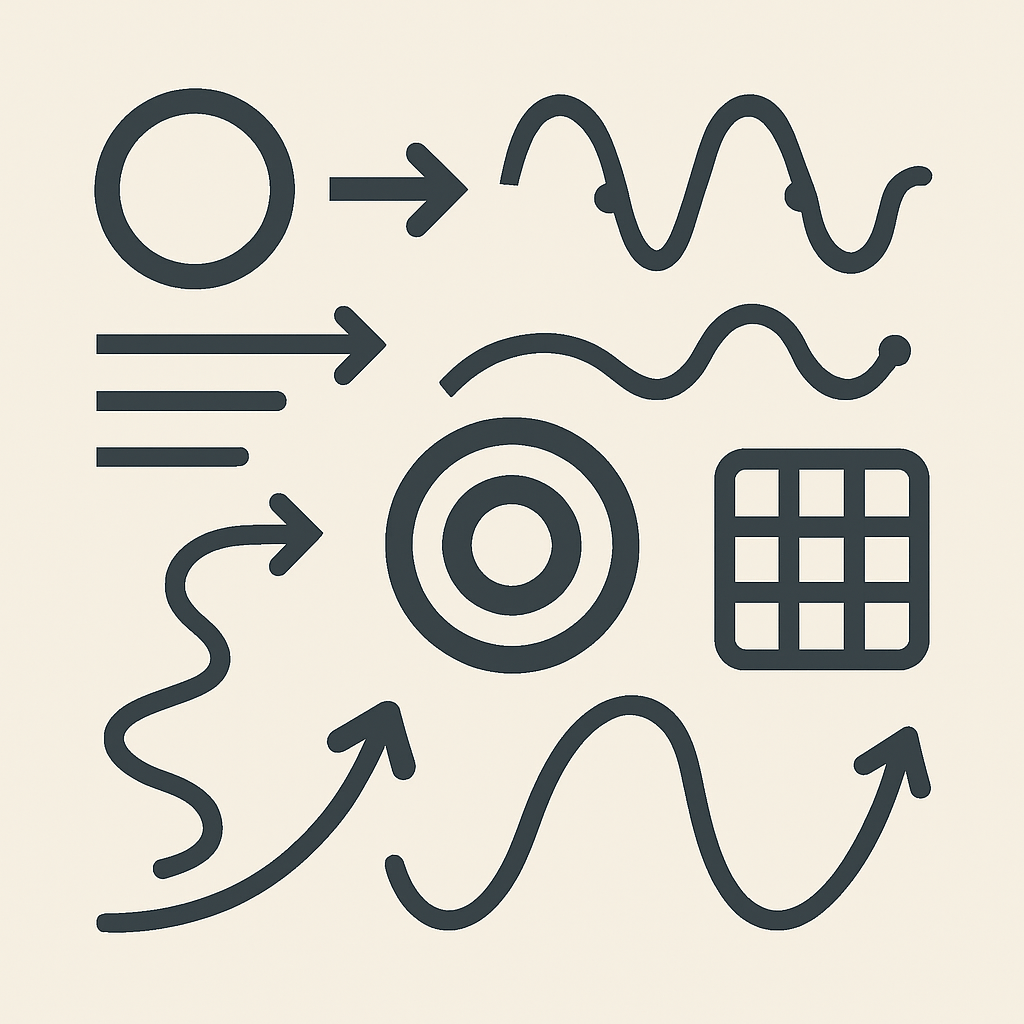
In engineering, delay is commonly treated as a problem to be minimised. Time lags introduce phase differences, destabilise feedback loops and limit how quickly a system can respond without losing control. This is practically correct, but ontologically incomplete. Delay is not an imperfection imposed upon relation. It is the inevitable consequence of the finite propagation […]

In recent years, large language models have moved along a gradient from research artefacts into everyday infrastructure—search, email, design tools, call centres, legal drafting, medical triage. They operate by predicting the next token in a sequence, trained on vast corpora of text and code. Their fluency comes from compression, not comprehension. They do not possess […]

