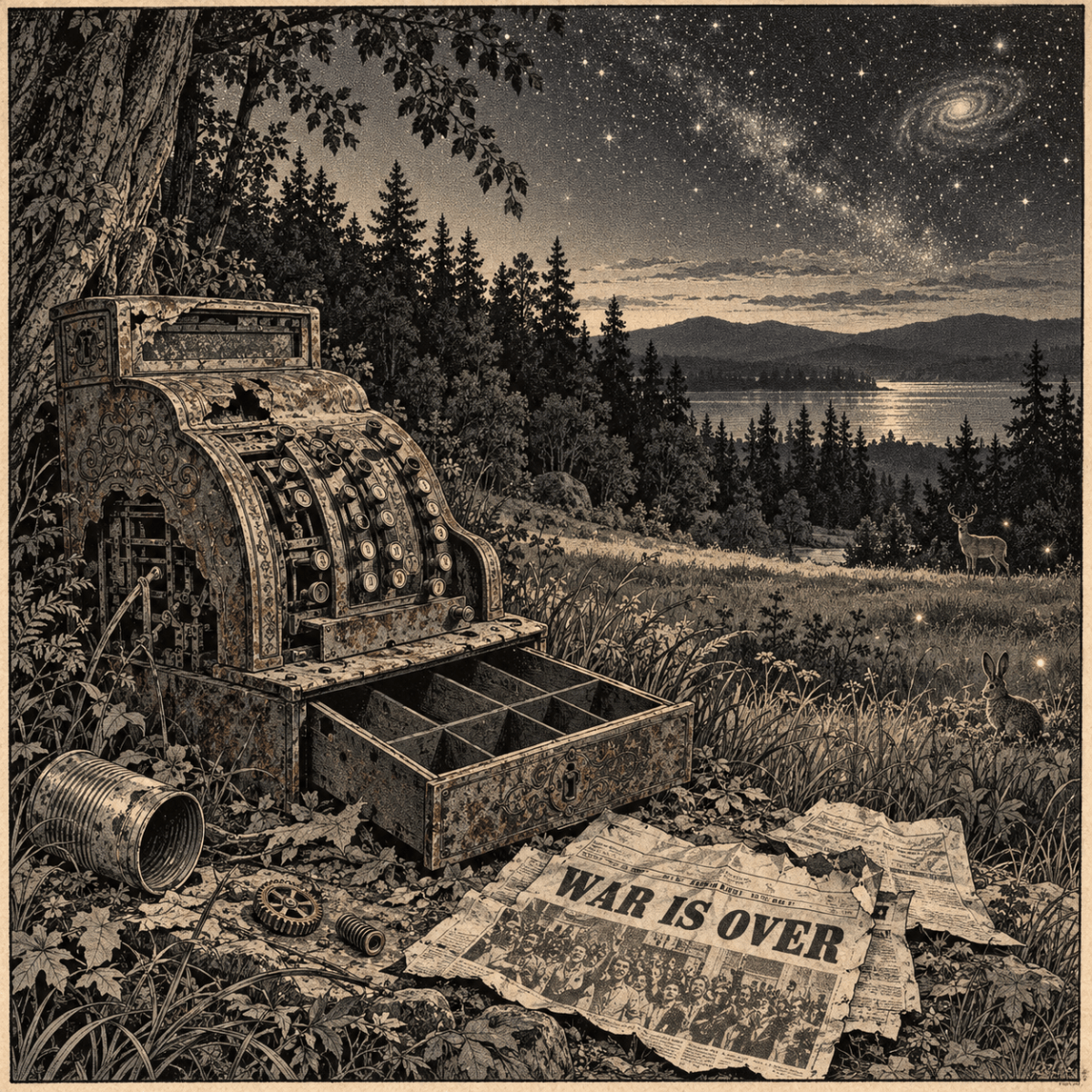
A rigged game constrains probabilities; it does not determine every outcome.
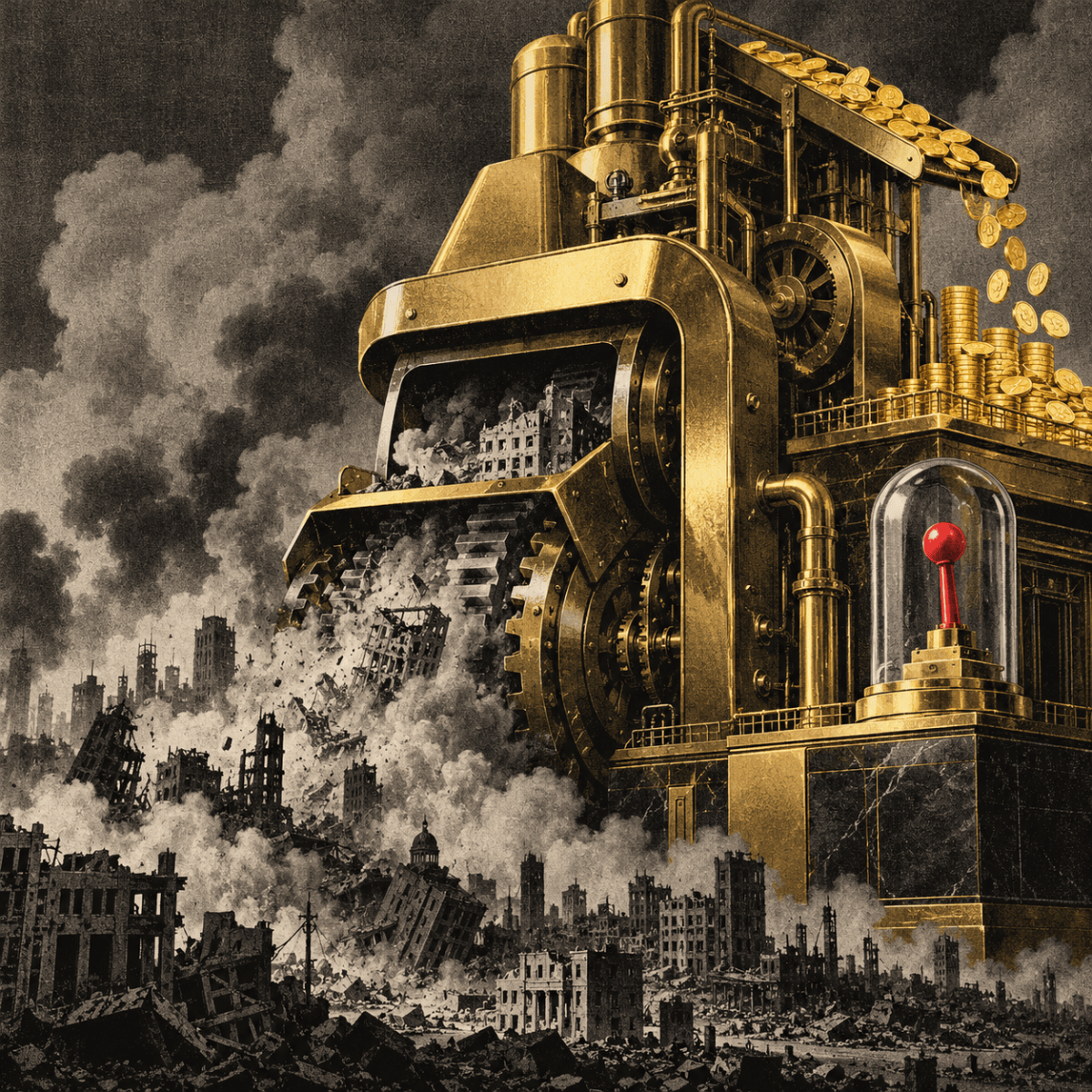
We have constructed a civilisation in which recognising existential risk has become another reason to continue producing it.
Conflict builds technology, technology reorganises conflict, and somewhere inside the loop every new problem becomes someone’s next investment opportunity.
Education stabilises knowledge long enough to transmit it, even as the machinery through which knowledge is produced and interpreted accelerates the movement of the epistemic attractor itself.
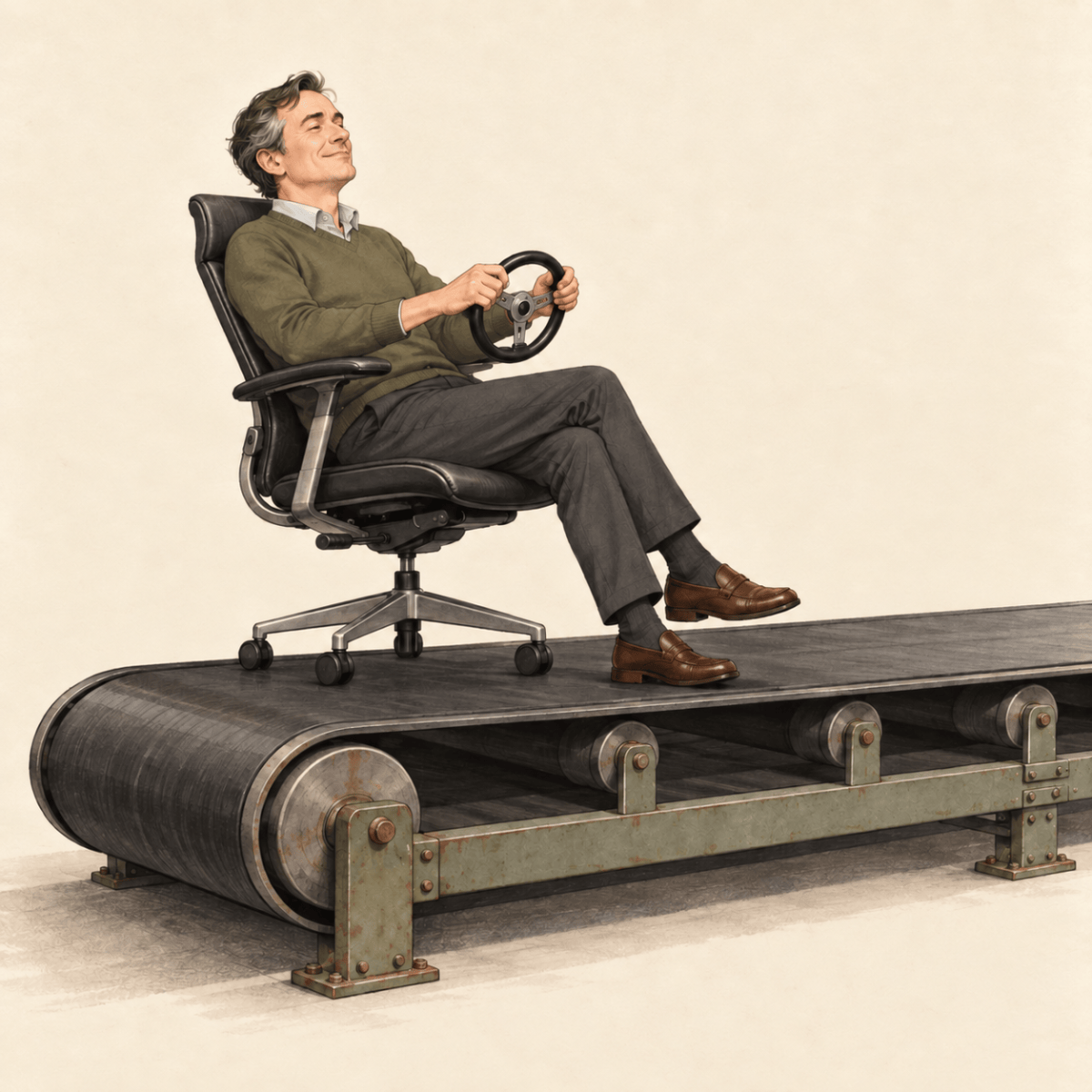
A civilisation builds systems to solve its problems, then discovers that the systems have become the problems, while its dependence upon them has made their continuity deeply problematic.
The manosphere promises strength and control, yet its communities, platforms and markets are structurally and commercially dependent on reproducing the insecurities they claim to resolve.
AI is building the dependencies that make its own expansion increasingly necessary.
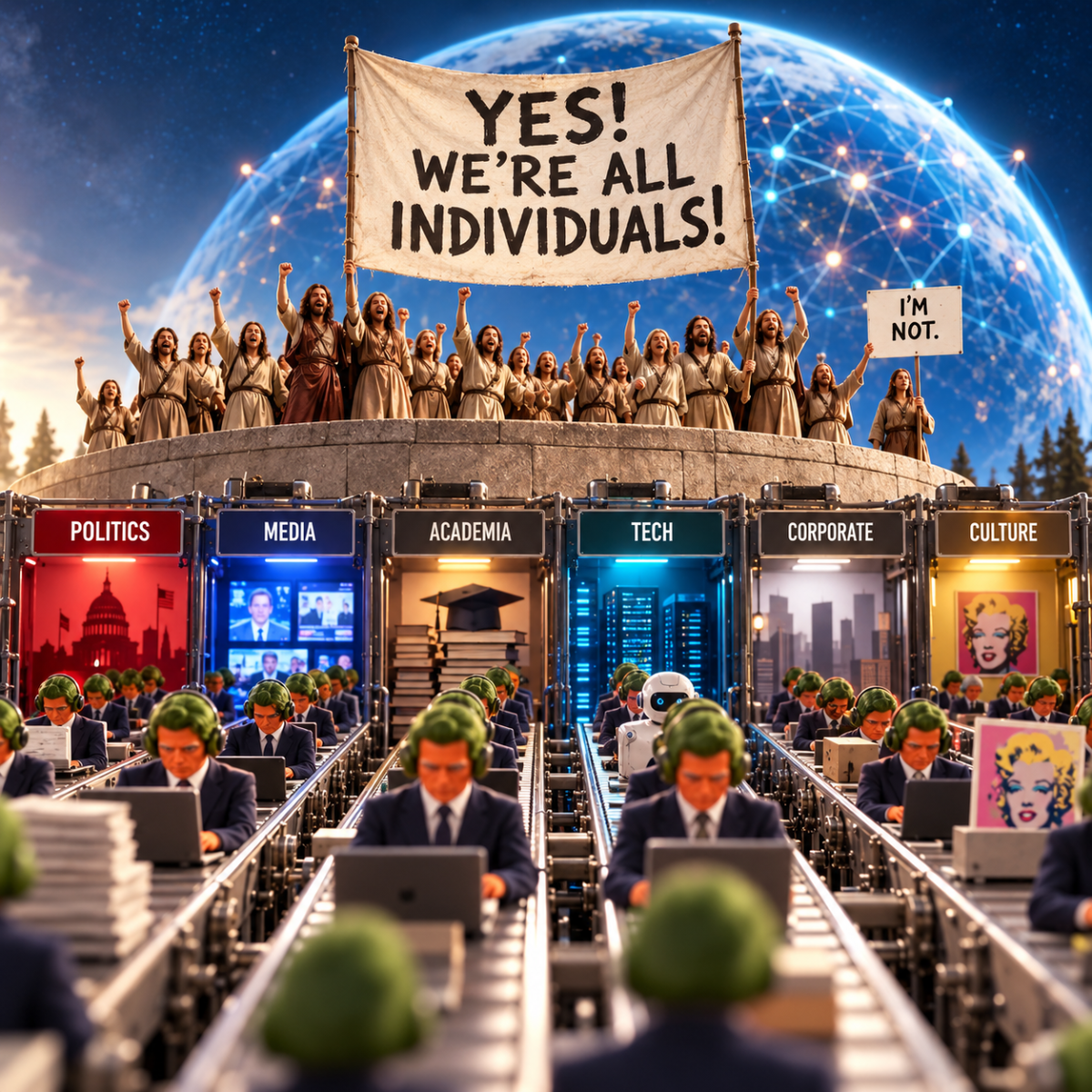
The technological system cannot perceive its full costs because that blindness is one of the conditions of its success.
We are passing a turning point at which the value of human cleverness becomes actively obscured and wilfully excluded by technocratic over-reach.
AI can not save us, but it will facilitate a vast amount of short-term profit. The actual human and environmental cost will be considerable.
Institutions rarely fail because they cannot recognise problems. They fail because recognising problems is not the same as escaping the conditions that reproduce them.
Language does not merely describe civilisation. It quietly engineers the conditions of its own persistence through us.