The absence of violence is not necessarily peace. From personal relationships to international affairs, insecurity persists when attempts to resolve conflict reproduce the conditions that generate it.

The absence of violence is not necessarily peace. From personal relationships to international affairs, insecurity persists when attempts to resolve conflict reproduce the conditions that generate it.

Language does more than convey meaning. Its recursive rhythms reproduce belief, conflict and the conditions through which societies persist.

We have become exceptionally capable of reproducing (our, collective) insecurity in the name of security.
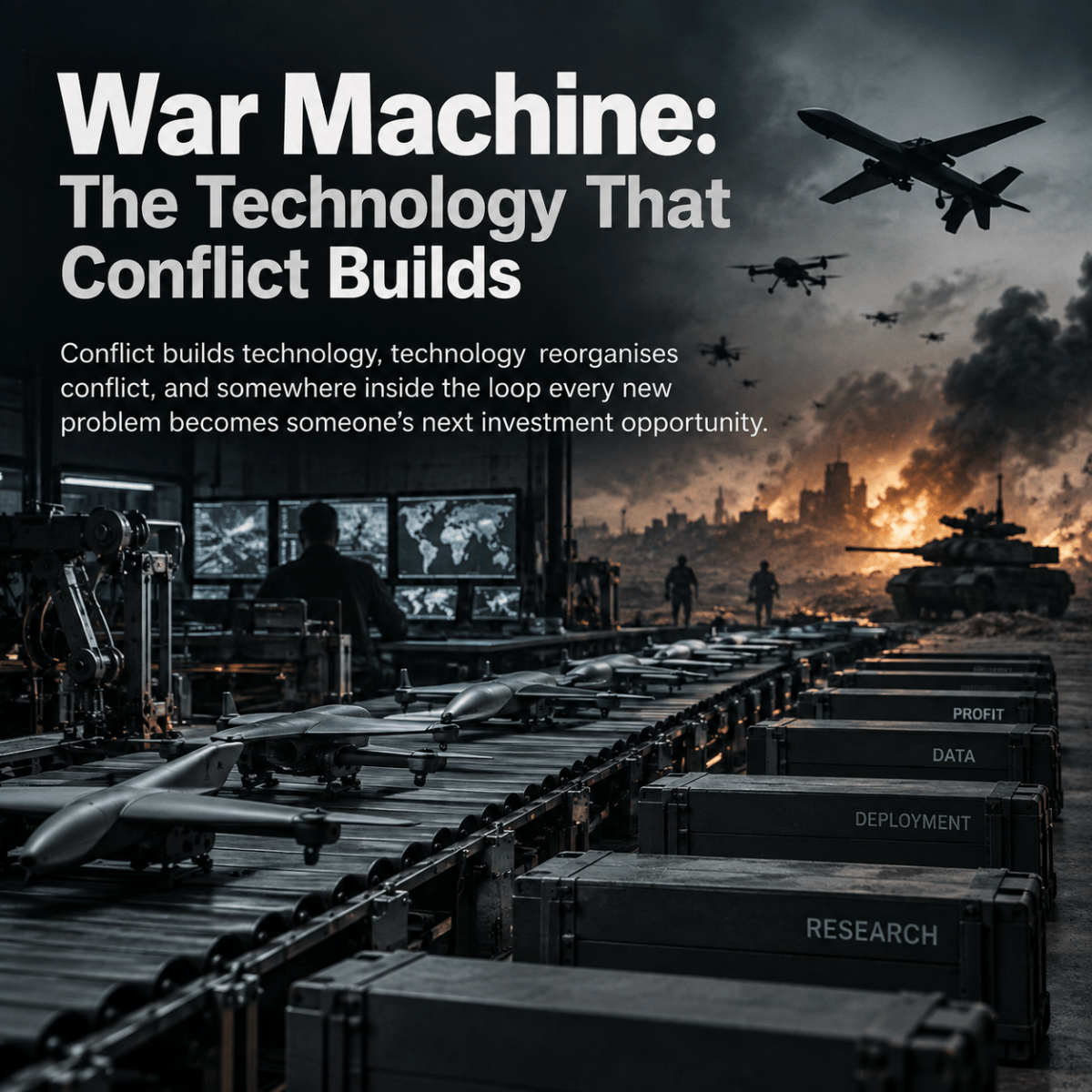
Conflict builds technology, technology reorganises conflict, and somewhere inside the loop every new problem becomes someone’s next investment opportunity.

Peace is not merely difficult. We have built institutions, identities, economies and languages whose coherence depends upon the persistence of conflict.

We keep telling the same stories in different ways. The faces, crises and characters change. The same tribal pattern keeps finding new forms.

The machinery does not need to fail. It only needs to keep working in ways that make more of itself necessary.

Civilisations persist by continually reorganising themselves. The unanswered question is whether conflict, crisis and systemic collapse/renewal remain the principal means through which that persistence is achieved.

AI accelerates language’s own tendency to reproduce its most probable forms through us.
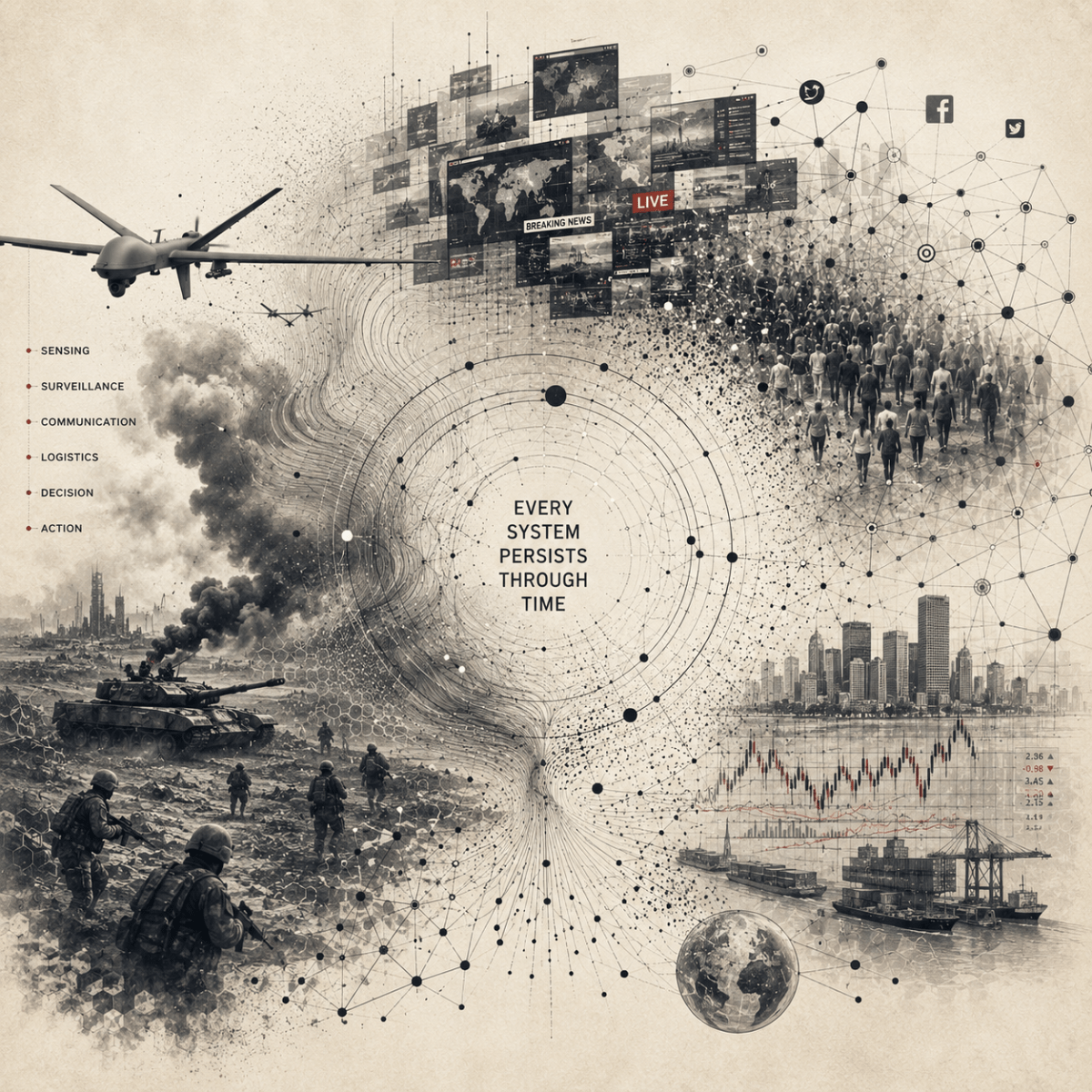
What unifies all processes is, quite simply, that they are processes: dynamical, temporal, contingent, and transient.
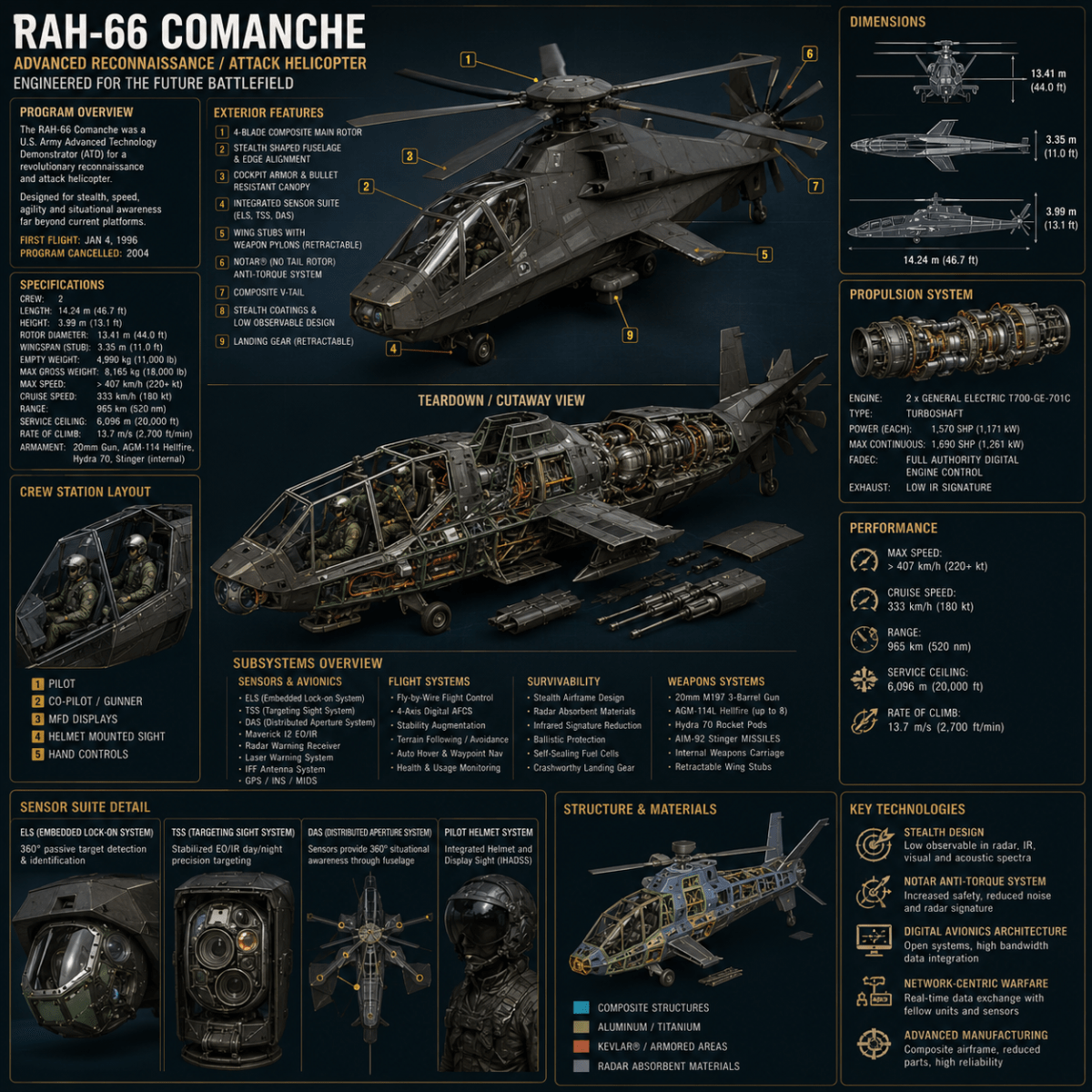
Technology and conflict do not simply cause one another; they emerge from the same relational mechanism, where volatility, advantage, fear, and opportunity make their mutual reproduction increasingly probable.
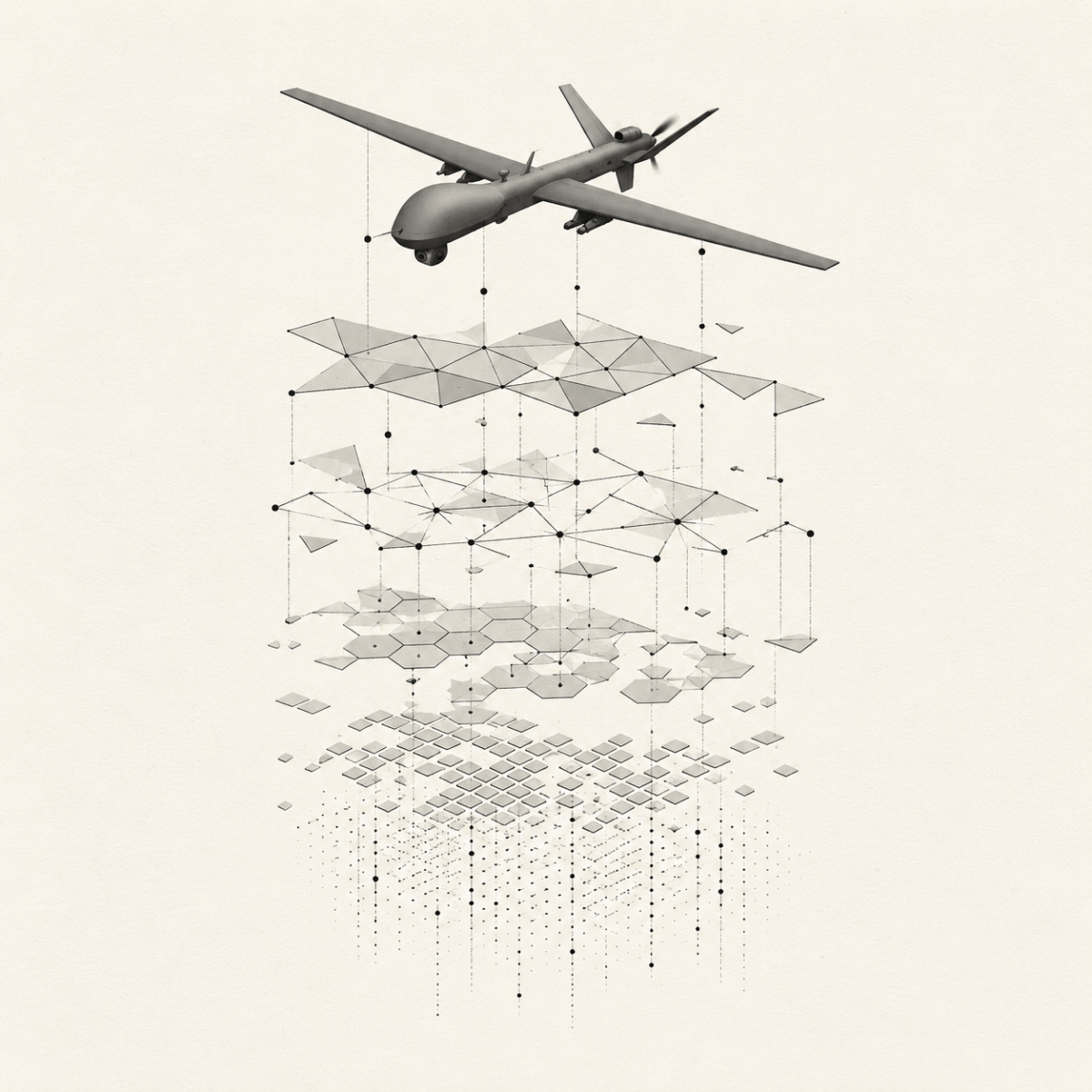
A country does not collapse when it disagrees; it collapses when disagreement becomes the structure that holds it together.
Have a WordPress.com account? Log in now.

