Exploring harmonic structure, observation, language and consciousness, and why uncertainty is fundamental to reality and the possibility of knowledge.

Exploring harmonic structure, observation, language and consciousness, and why uncertainty is fundamental to reality and the possibility of knowledge.

Ideas are fragile, and their expression more so. In a culture increasingly synchronised by fear, hatred and repetition, independent thought becomes an act of integrity, and the freedom to communicate something genuinely different becomes increasingly precious.

We built machines to finish our sentences. Now they are helping us finish the world.
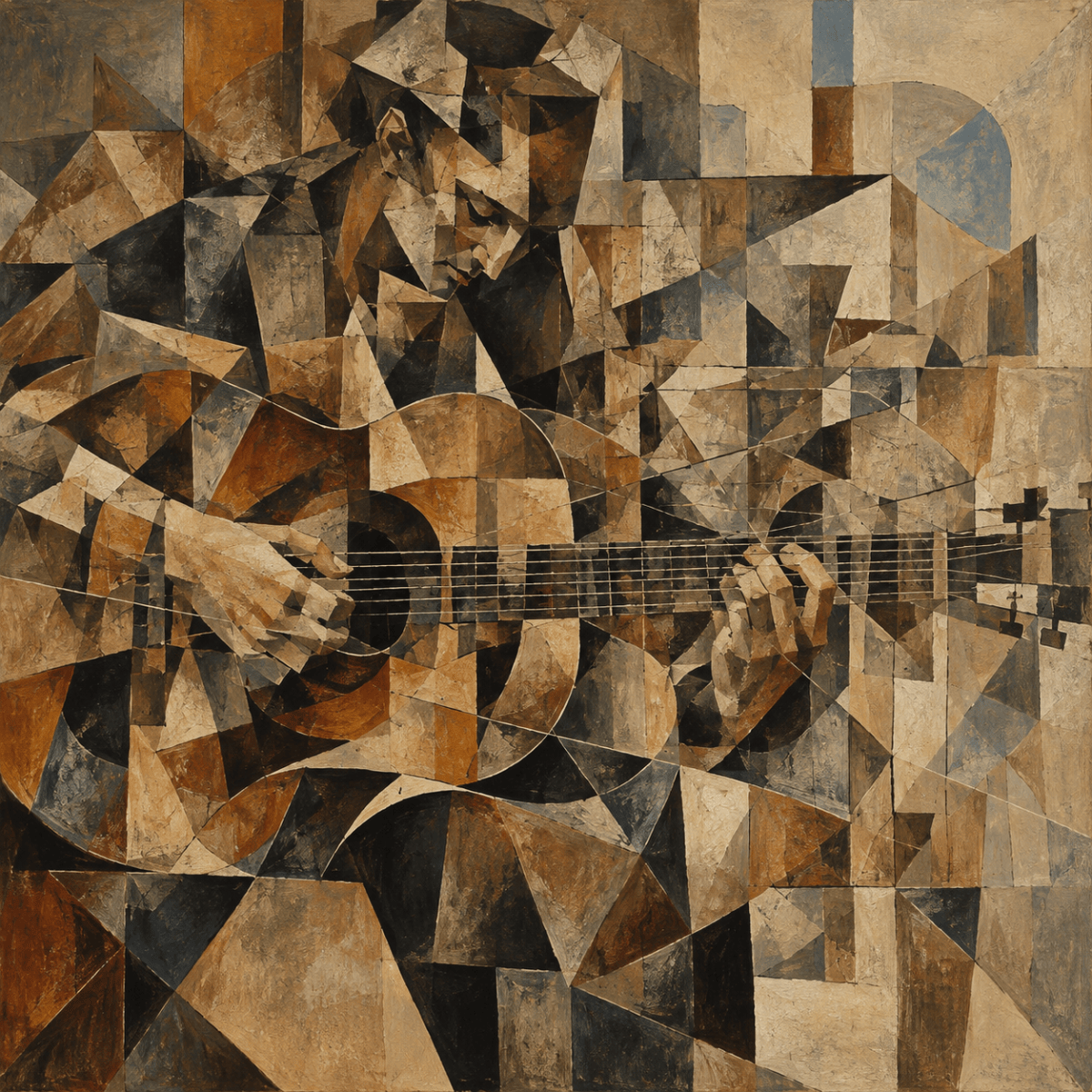
We do not simply hear songs, speech and culture. Their repetition teaches us how to hear what comes next, while every new encounter quietly changes the pattern that taught us.
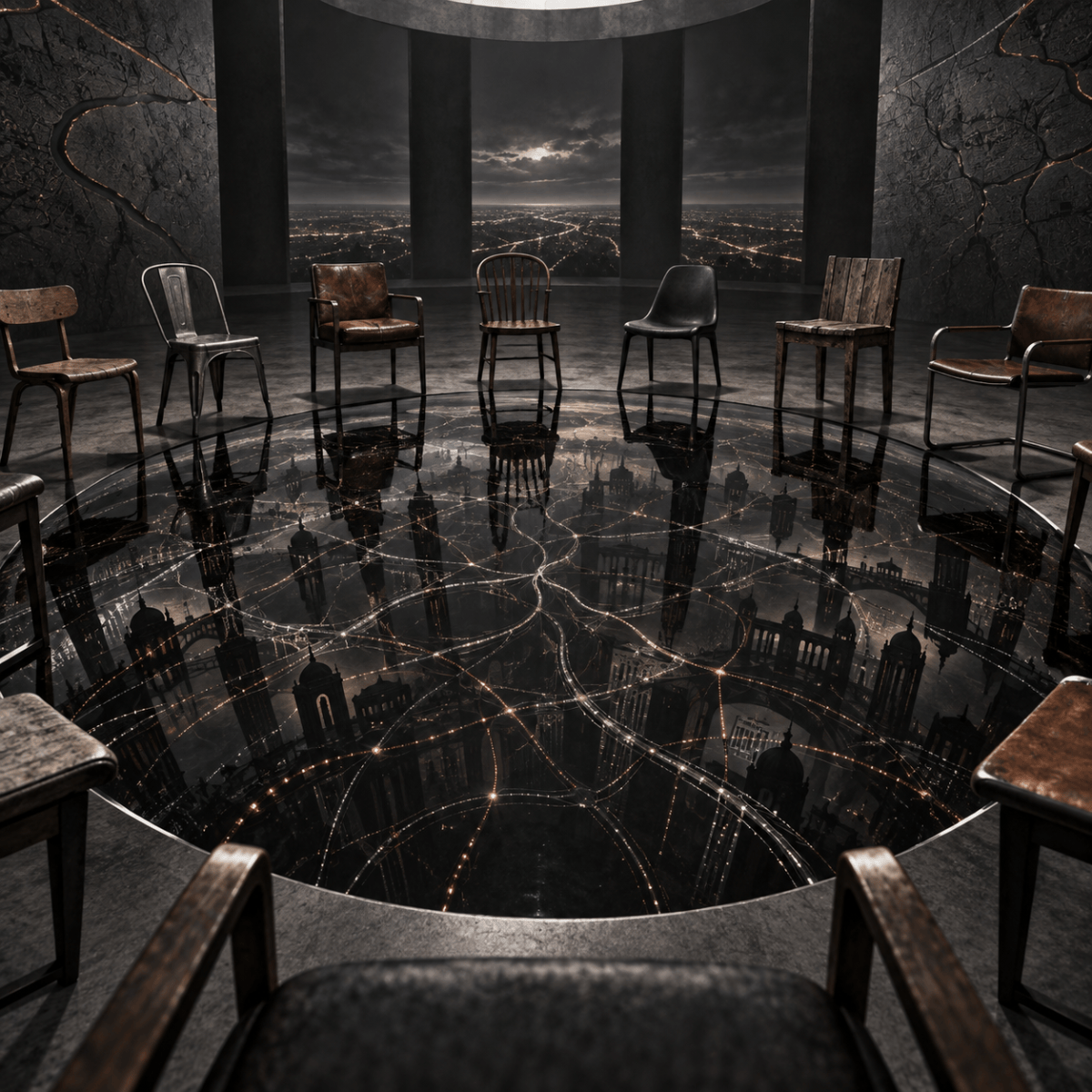
We are not outside the world we are trying to understand. We are (all) implicated in its disorders, participants in its reproduction, and responsible for what happens next.
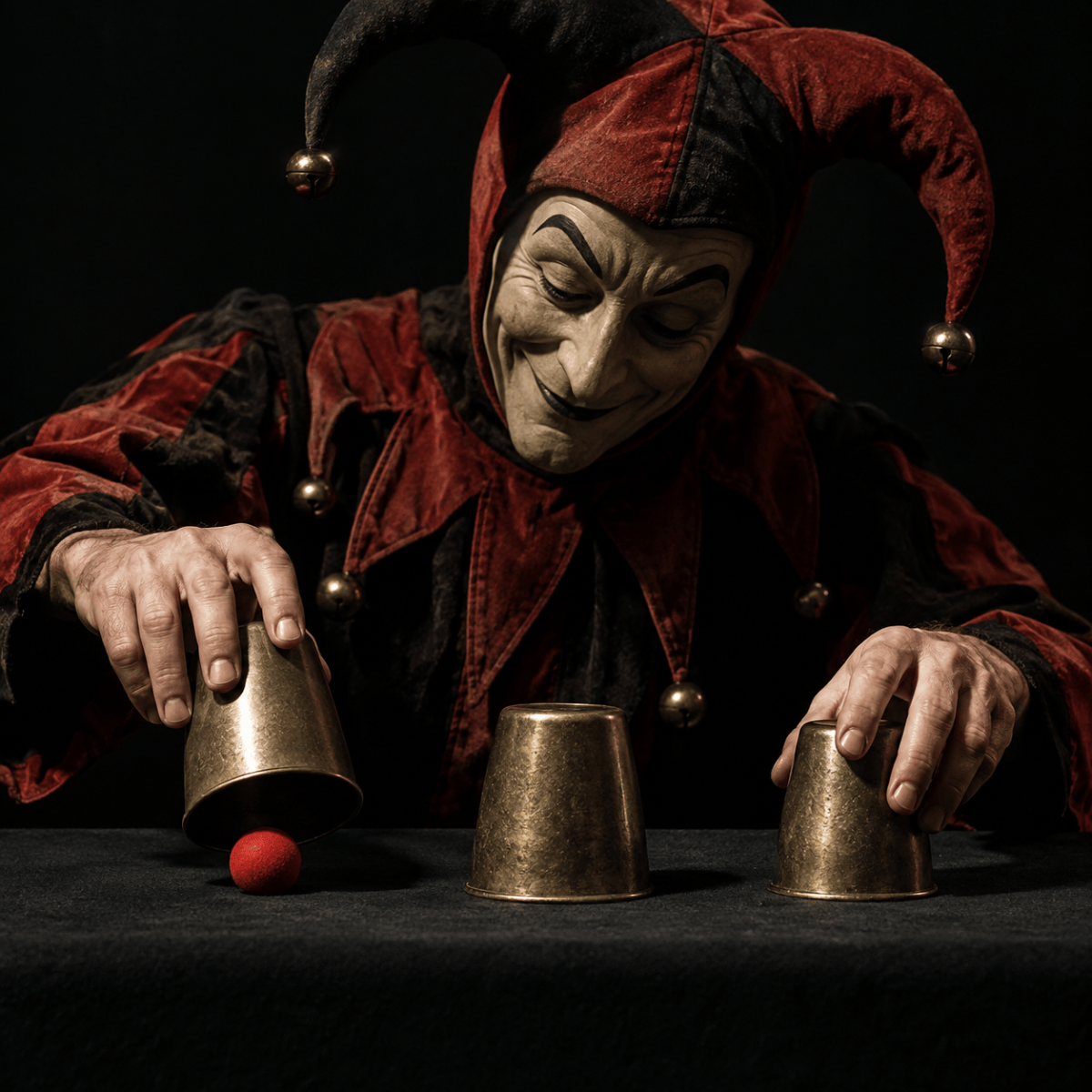
Why Deception Is Irreducible in Communication

Language, like all communication systems, holds together not despite displacement, delay and uncertainty, but because of them.
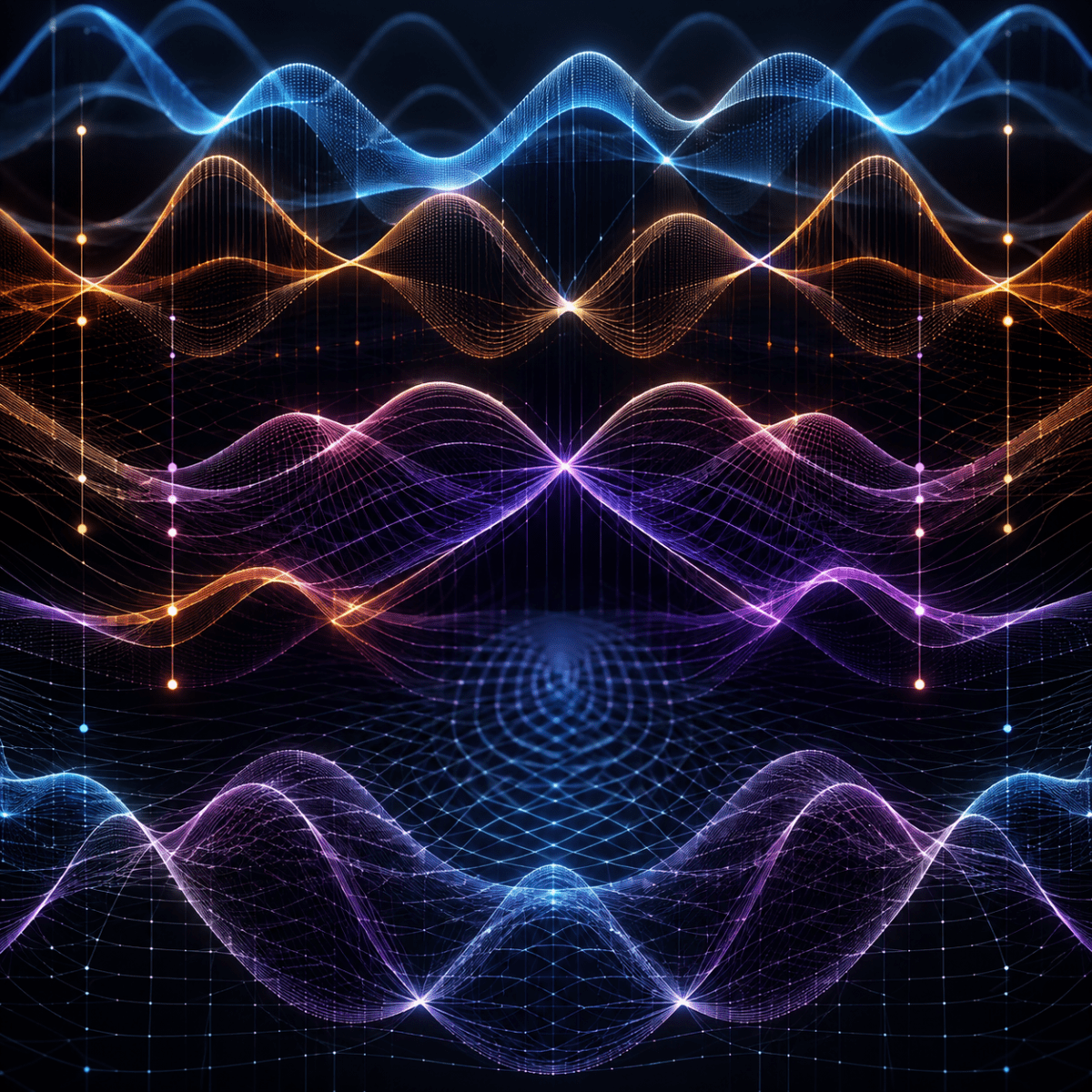
Belief is harmonic structure: the recurrent pattern of timing, relation and probability through which language, meaning and experience take form.

The present is not where possibility ends. It is where an immeasurably larger field of possible futures acquires one local history.

Meaning repeats because recurrence builds structure, and structure influences what follows. History rhymes for much the same reason.
Disinformation does not persist because individual false claims survive. It persists because the communicative relations that make those claims meaningful continue to reproduce themselves.

Communication persists not by preserving messages, but because each exchange reshapes the system that makes further exchange possible.

