When religious language does more work for political identity than religious ethics do for moral conduct, God becomes useful in ways we should all probably question.

When religious language does more work for political identity than religious ethics do for moral conduct, God becomes useful in ways we should all probably question.
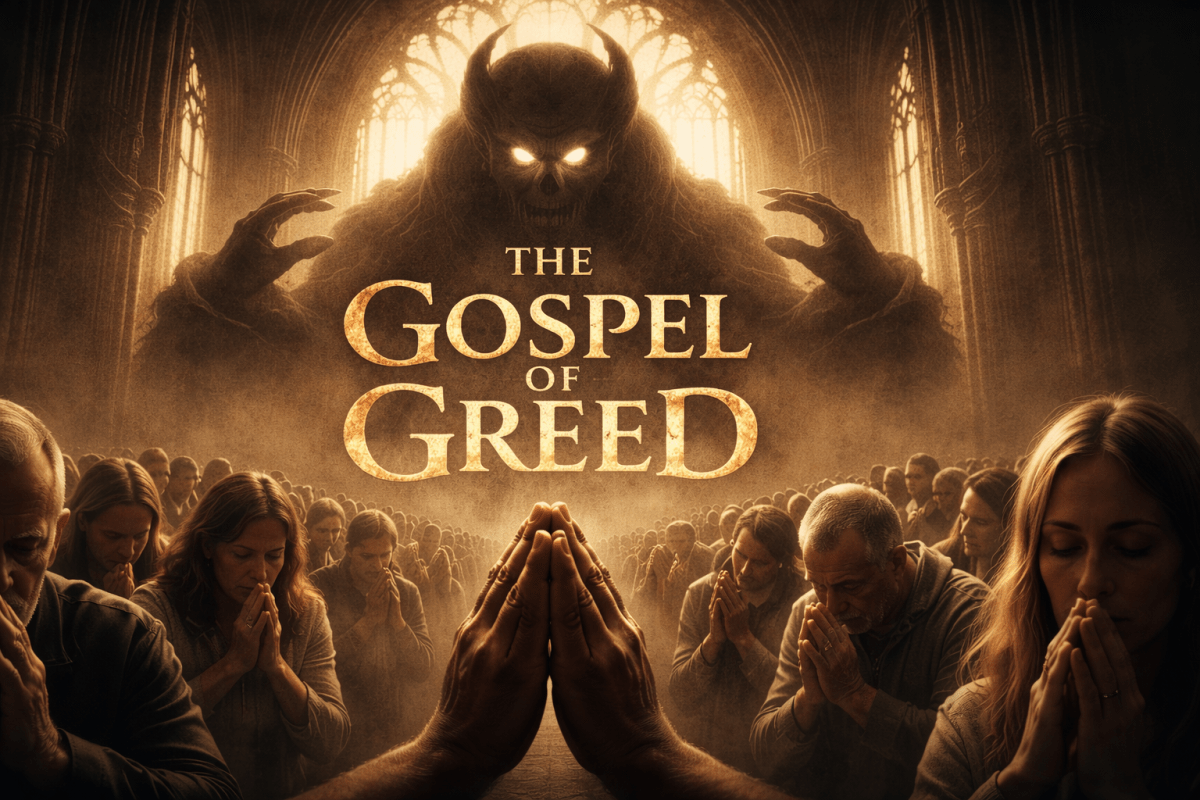
There is a grim existential irony in how those most convinced of possessing an absolute moral truth, acting within a field shaped by fear, reflex, and desire, come to cultivate greed, cruelty, and exclusion in the name of that certainty, mistaking the felt coherence of dominance for righteousness, and remaining largely unaware that what they […]

Conflict and competitive adversarialism are not necessarily moral failures or aberrations. They are contingent, historically acquired, culturally entrained mechanisms by which complex cognitive, cultural, and communicative systems reliably differentiate, learn, and reproduce themselves over time. These mechanisms arise because complexity does not form around completeness, nor does it arise from closure, certainty, or final resolution. […]

The triumph of greed is not simply a matter of moral collapse but the sad, sick flowers of history, a dark blossoming in which the most heinous acts of selfish, self-determining political and corporate identity serve as an optimal transmission medium for forces and flows that precede us, exceed us, and remain beyond our ken […]

Nationalism and anti-immigration movements recycle the same script: identify an external group, blame them for decline, and convert frustration into political capital. Yet the structural causes—corporate monopolies, rent-seeking industries, regulatory capture—remain largely unexamined. People misattribute the erosion of wages, housing affordability, and job security to migrants because scapegoating offers a simple, visceral answer where systemic […]

