Our existential crisis lies in this entanglement: the relations through which we could create different, better, futures keep being recruited into the continuation of the arrangements that restrict them.

Our existential crisis lies in this entanglement: the relations through which we could create different, better, futures keep being recruited into the continuation of the arrangements that restrict them.

We are building extraordinarily intelligent machines to solve a problem whose governing assumptions remain remarkably primitive.

We are building a world that needs to know more and more about us, just as being unknown becomes increasingly valuable.

How lawfare converts institutional status and financial power into pressure that silences criticism and makes public disagreement prohibitively expensive.
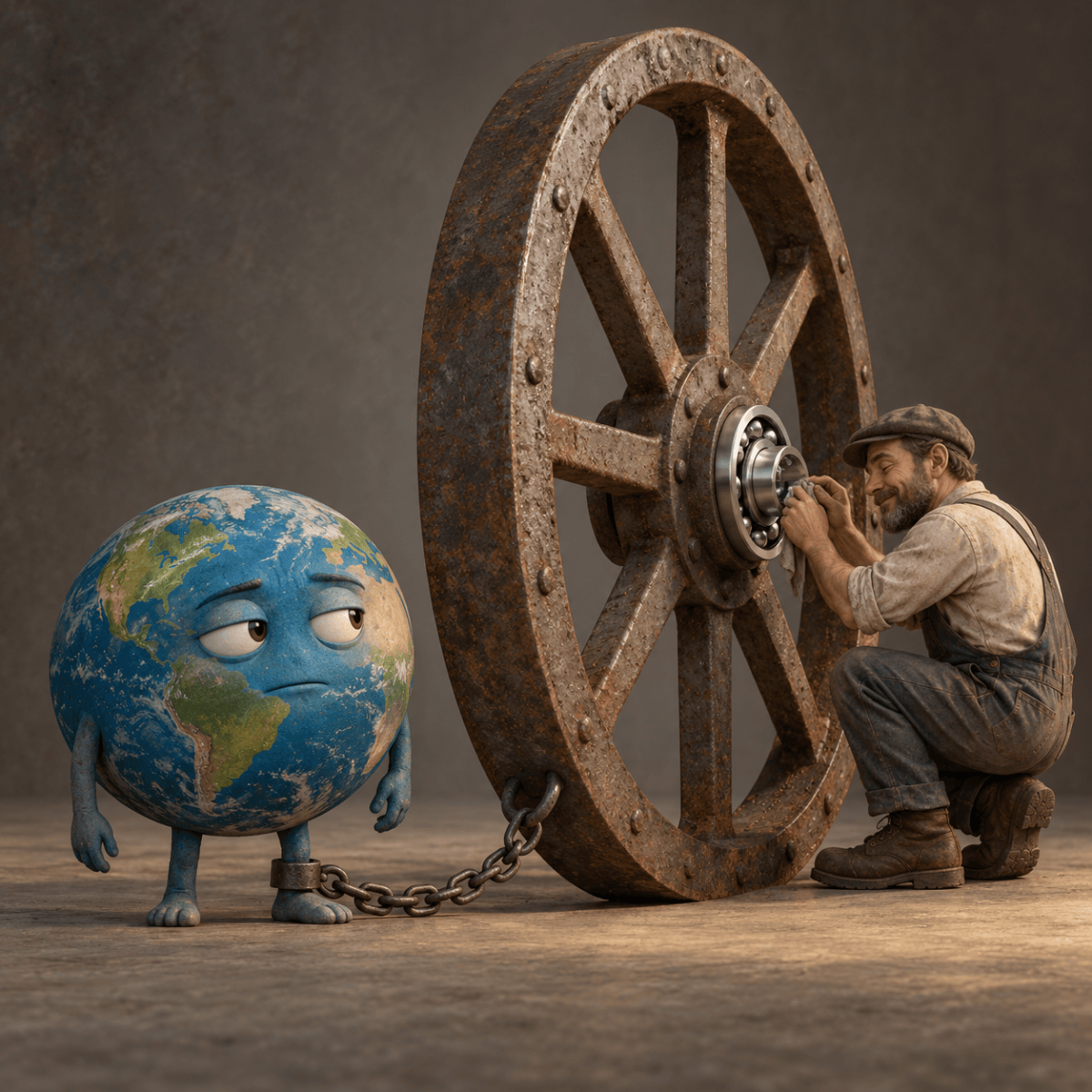
The question is whether civilisation can preserve its capacity to continue without making recurrent destruction the principal instrument of its renewal.
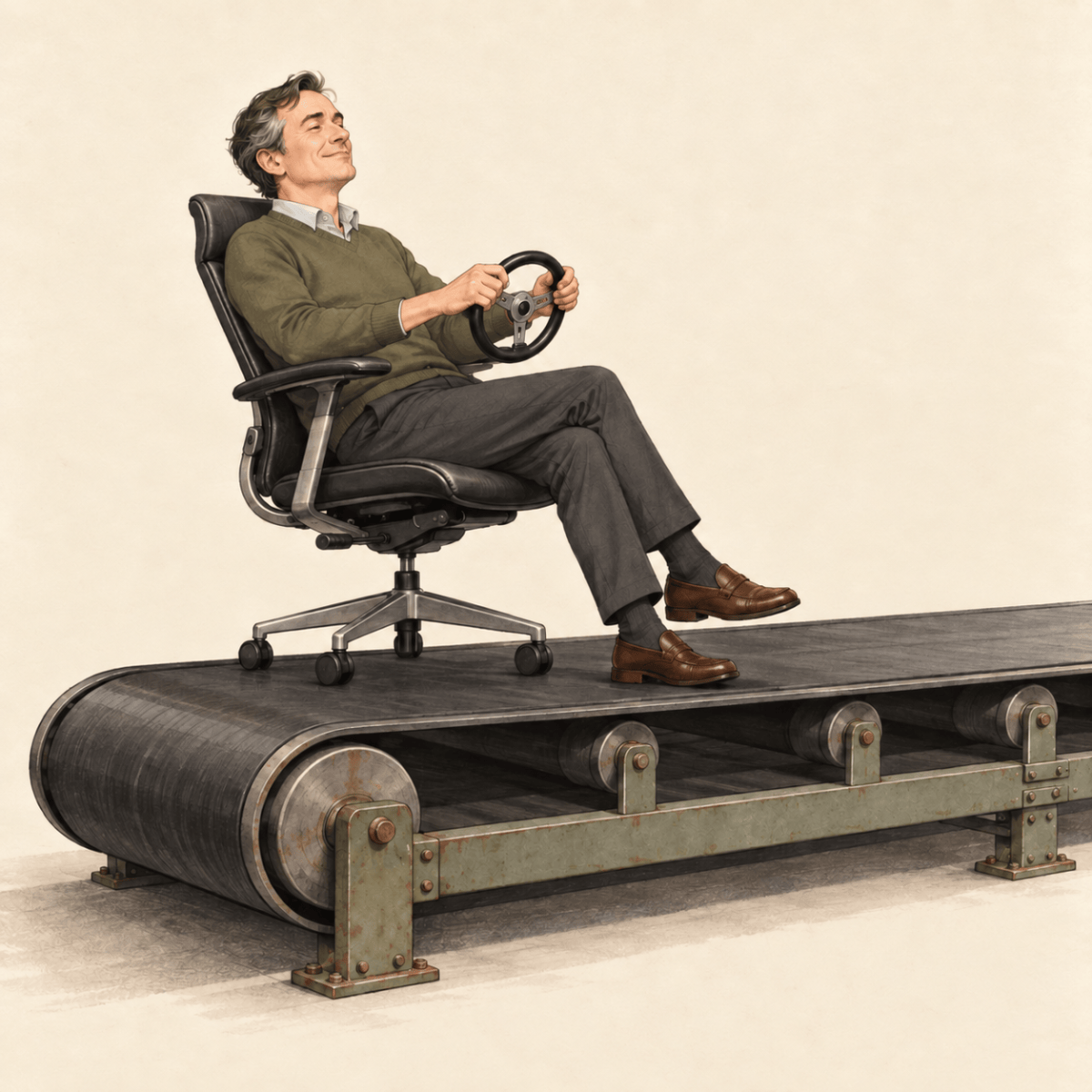
Tech CEOs mistake being rewarded by the machinery for understanding it. The resulting confusion is being offered as humanity’s only available future.
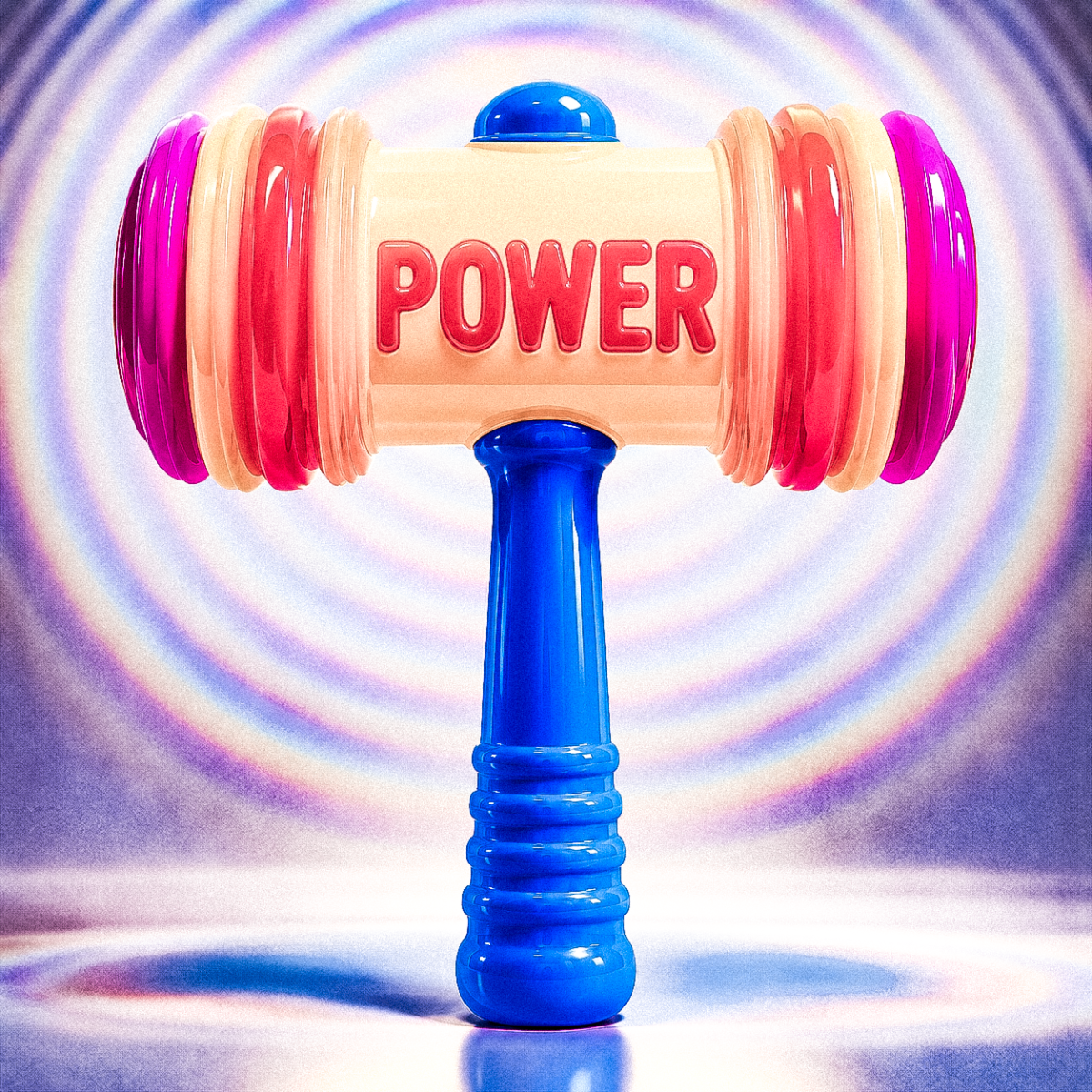
The scale of the consequences has changed while the competitive selection tests for authority remain embarrassingly small.
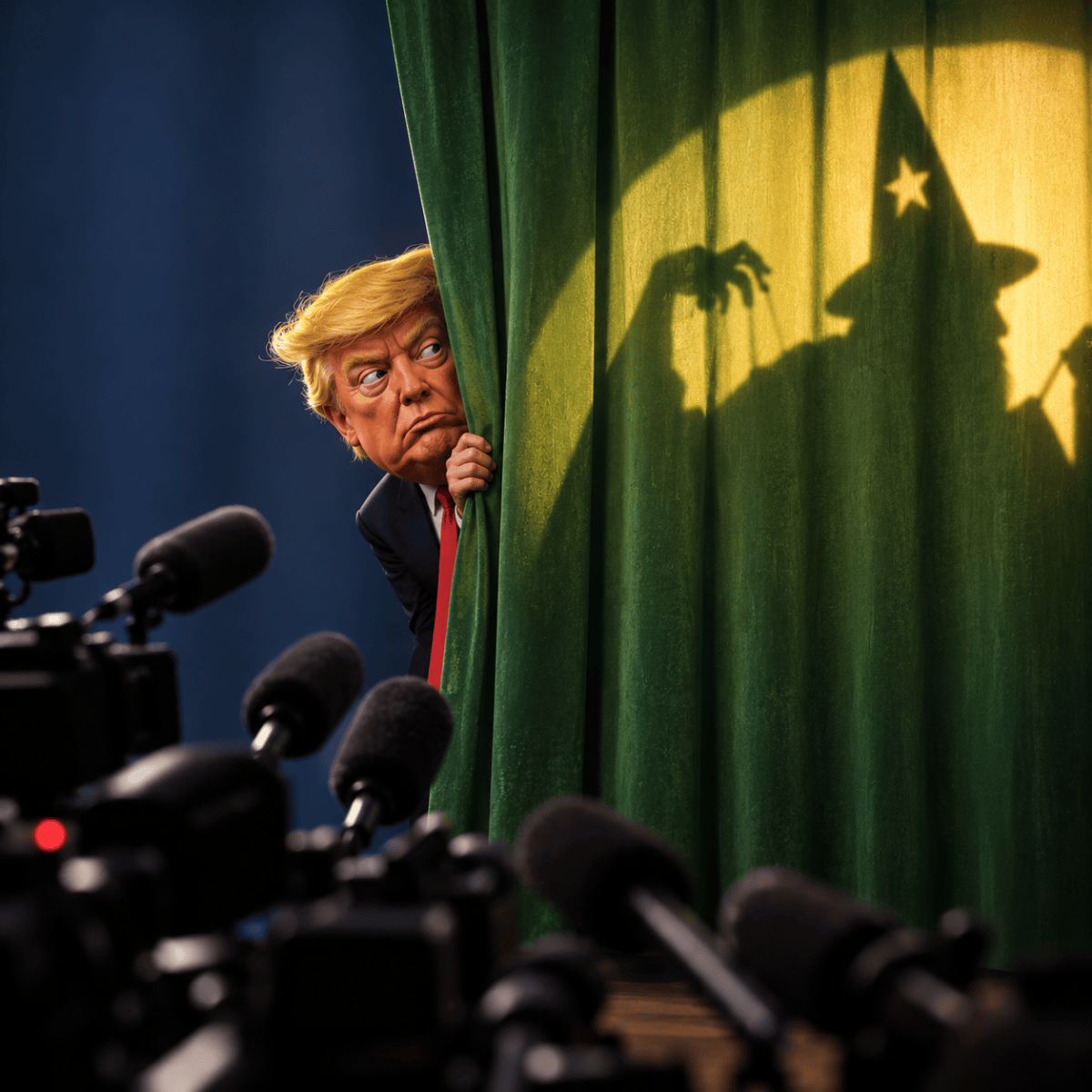
Trump depends upon the opposing media he seeks to exclude. Its opposition generates the conflict through which his political identity acquires force. The wizard needs the curtain, but he also needs someone on the other side insisting that we look behind it.
Political systems are historical constructions, not immutable necessities. Their persistence does not establish their continuing adequacy.

A rigged game constrains probabilities; it does not determine every outcome.

We have constructed a civilisation in which recognising existential risk has become another reason to continue producing it.
When religious language does more work for political identity than religious ethics do for moral conduct, God becomes useful in ways we should all probably question.

