When religious language does more work for political identity than religious ethics do for moral conduct, God becomes useful in ways we should all probably question.
When religious language does more work for political identity than religious ethics do for moral conduct, God becomes useful in ways we should all probably question.
Belief is harmonic structure: the recurrent pattern of timing, relation and probability through which language, meaning and experience take form.
Ideology is what happens when a way of seeing the world becomes part of the world itself, shaping not only what we believe, but what becomes easier to believe next.

A healthy society expects children to become adults. An unhealthy one encourages adults to remain immature.

We are passing a turning point at which the value of human cleverness becomes actively obscured and wilfully excluded by technocratic over-reach.
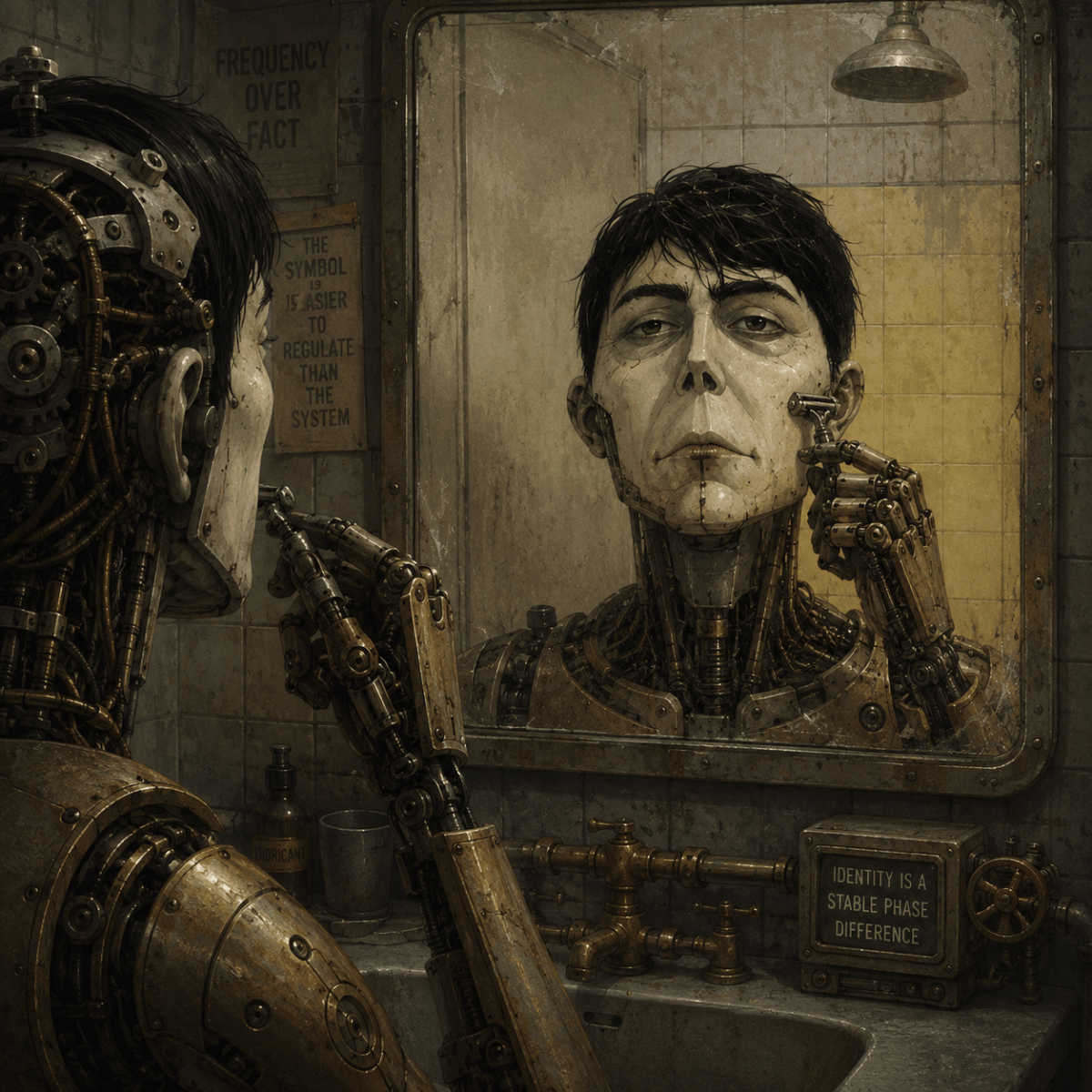
Much of what capitalism conditions us to fear in communism is what concentrated capitalism already does: centralise power, narrow freedom, restrict opportunity and preserve poverty as structural necessity.
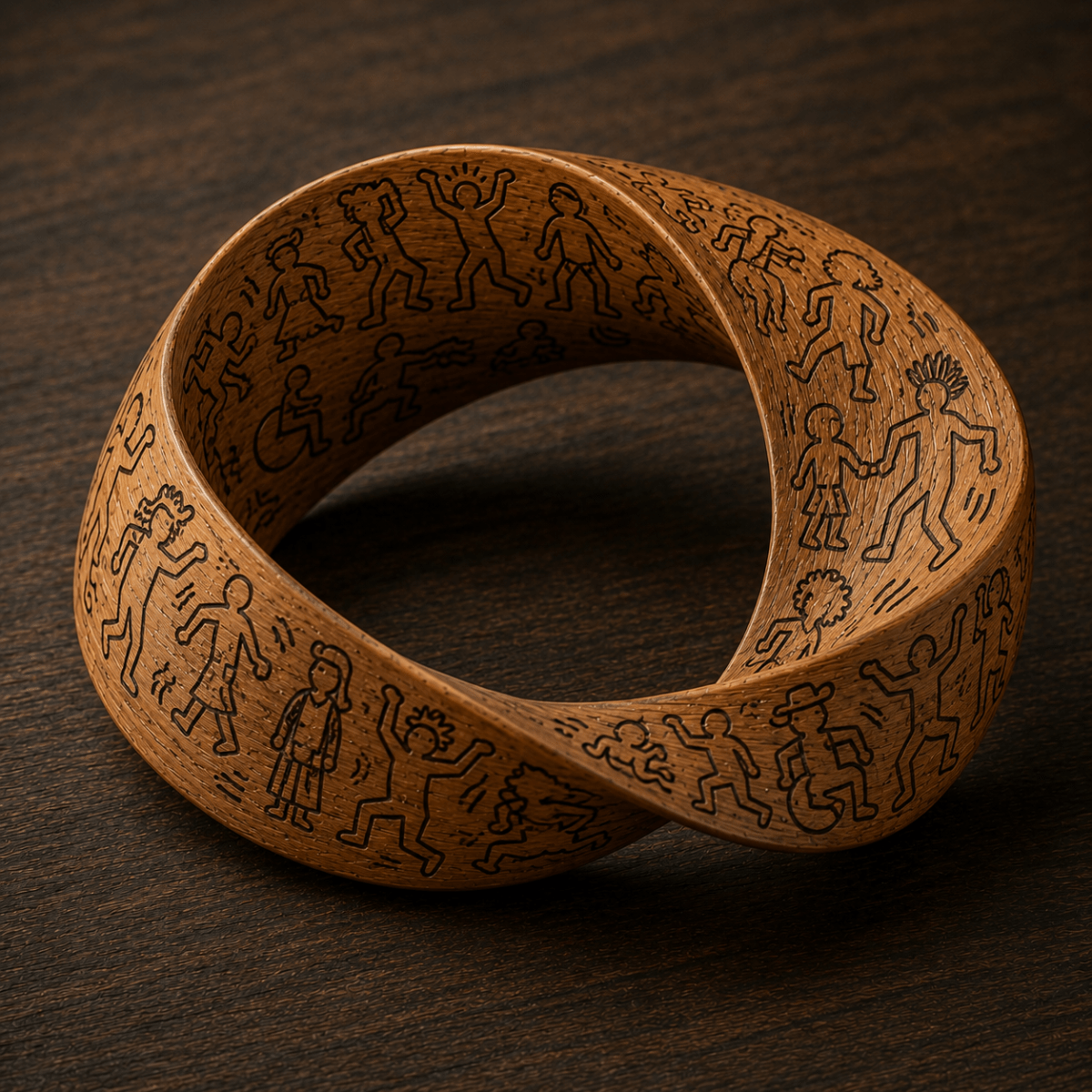
Ideology may not be the primary problem. The deeper question is what kind of world produces the need for the identities that ideology can stabilise.
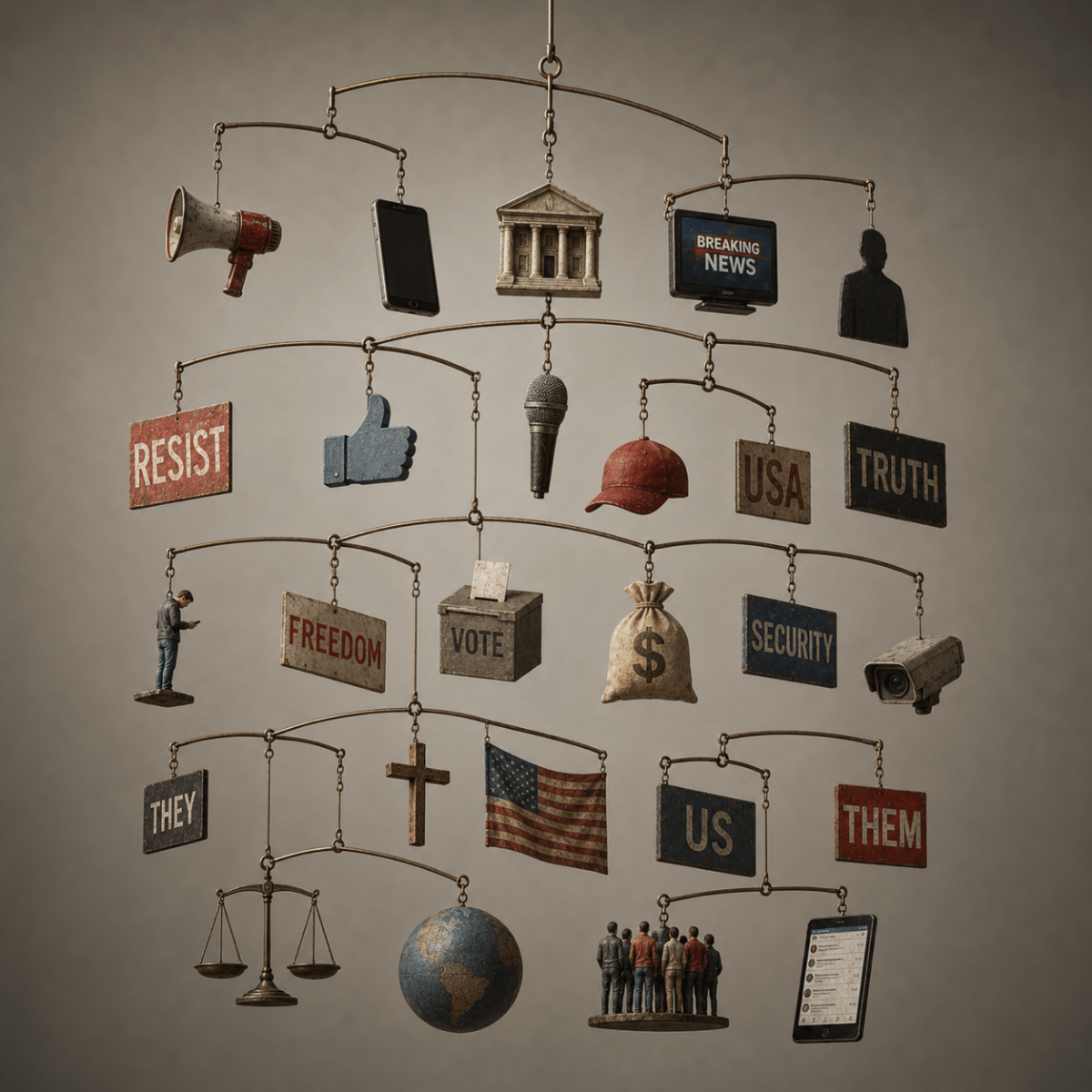
Politics is an abstraction that leverages human beings as an extraordinarily effective method of self-propagation.
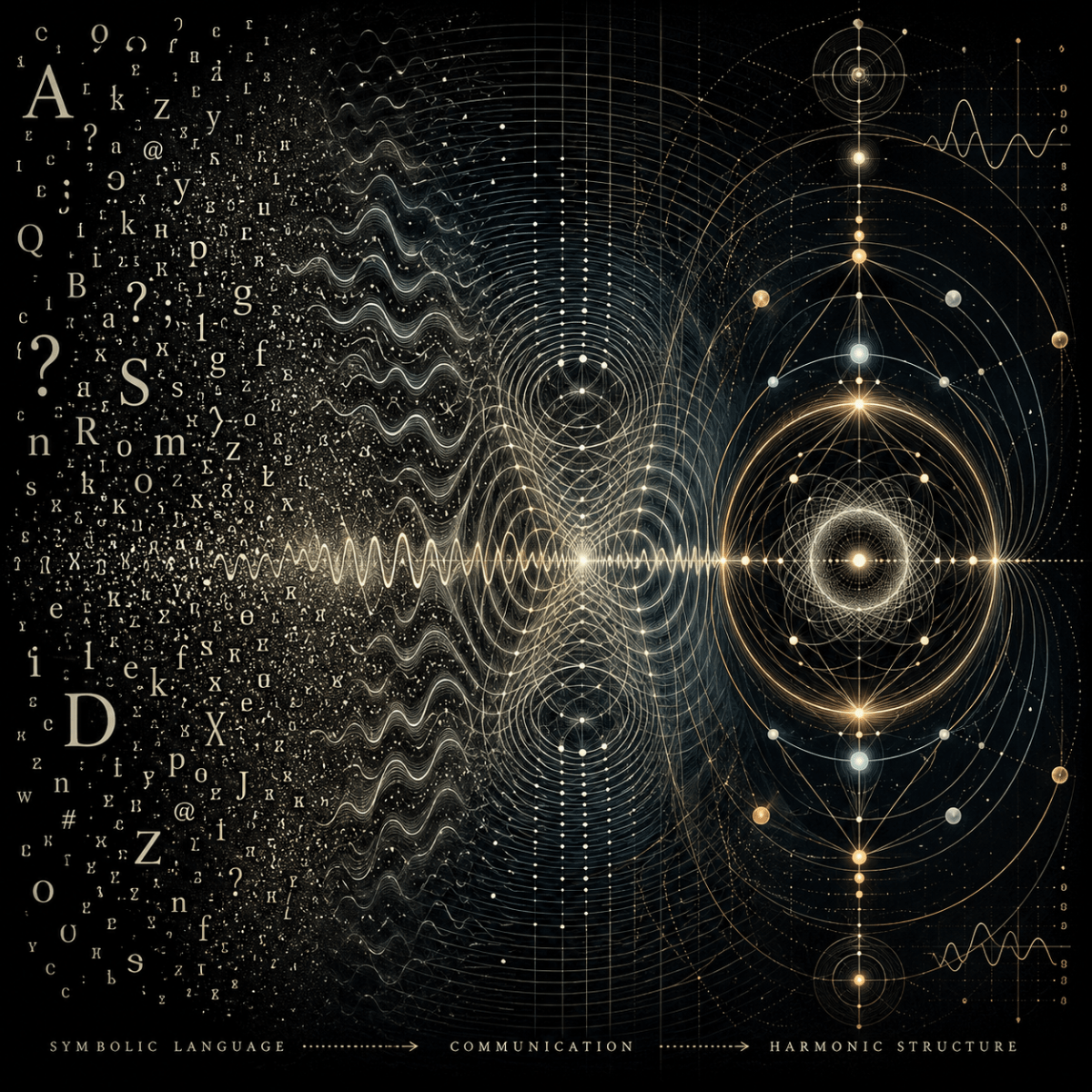
The ugly implication is that communicative success bears no necessary relationship to truth, intelligence, morality or long-term viability.

Every age reaches for old stories to explain new realities. The irony is that most stories survive not because (or even if) they are true, but because they are easy to transmit, to remember, to tell.

Populism is not an opinion. It is a phase dynamic.
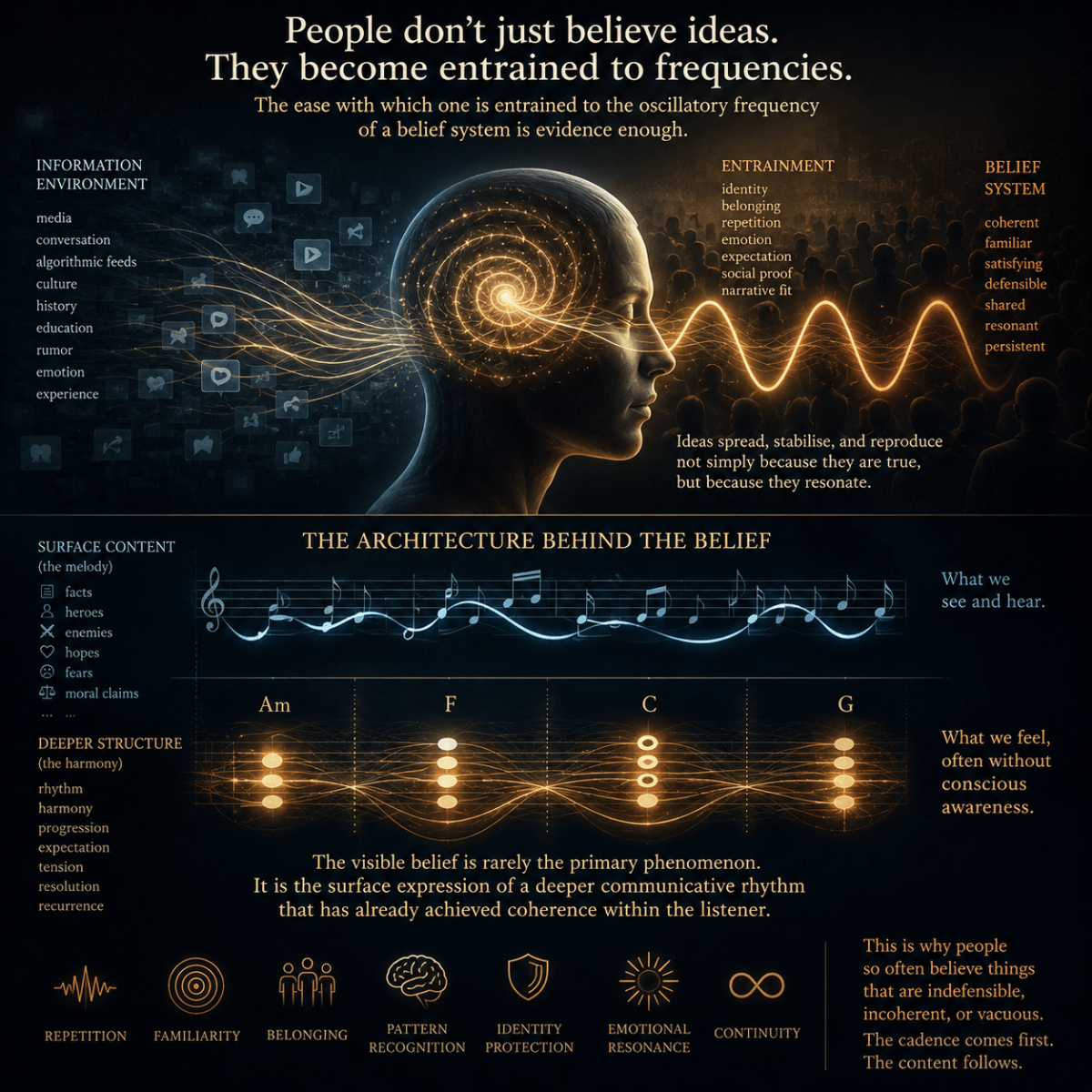
Beliefs persist less because they are true than because they provide the transient continuity of narrative as semantic coherence.
Have a WordPress.com account? Log in now.

