Natural philosophy, harmonic structure and the cybernetics of social complexity.
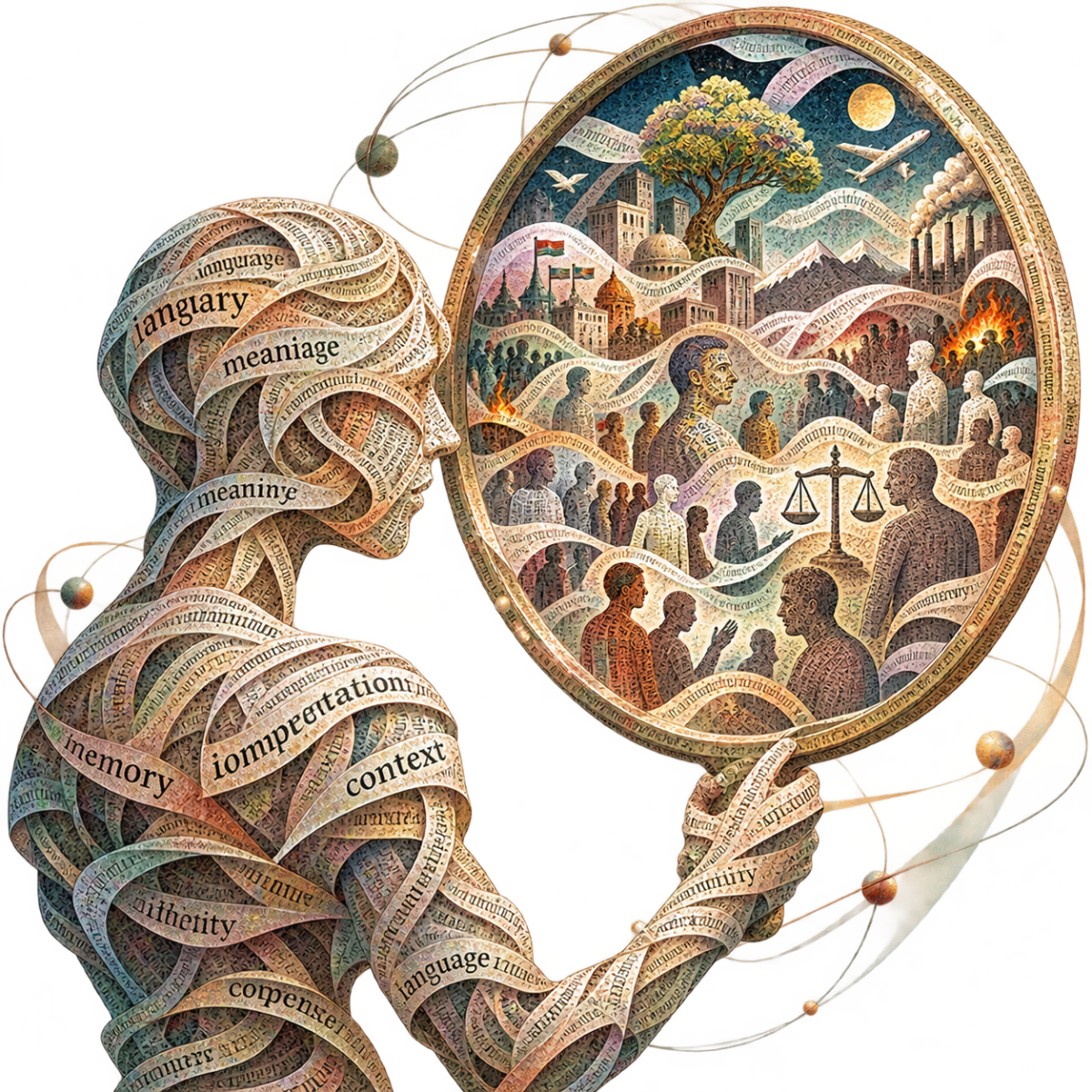
Natural philosophy, harmonic structure and the cybernetics of social complexity.

We have built institutions that teach people how to think, then reward them for knowing when not to.

Ideas are fragile, and their expression more so. In a culture increasingly synchronised by fear, hatred and repetition, independent thought becomes an act of integrity, and the freedom to communicate something genuinely different becomes increasingly precious.

The story of Ignaz Semmelweis, whose life-saving discovery reveals how established practices can obstruct new knowledge, with profound human consequences.

A protest becomes something different when separate grievances begin moving at the same time. France offers a glimpse of how synchronisation amplifies communicative affect.
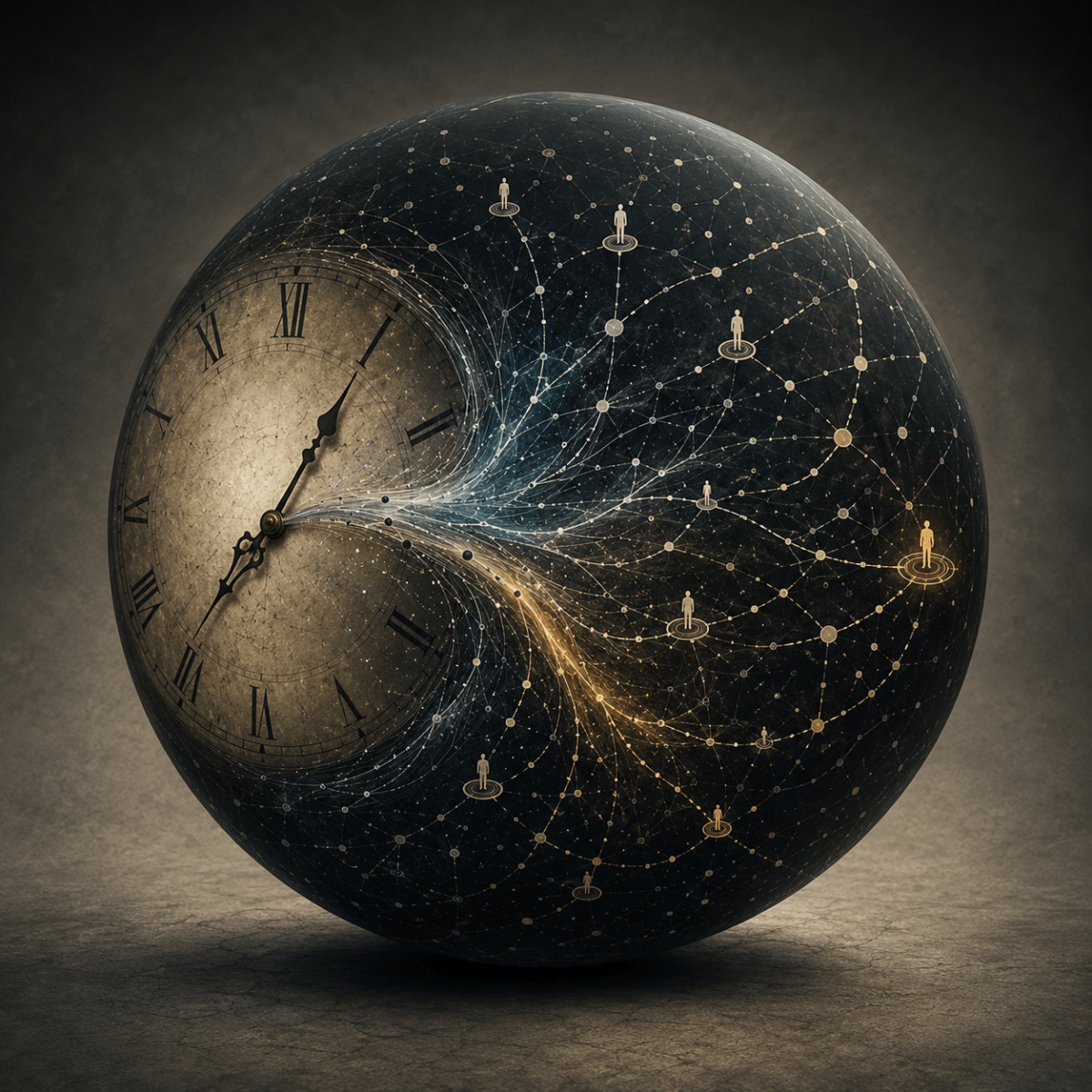
Ideology is what happens when a way of seeing the world becomes part of the world itself, shaping not only what we believe, but what becomes easier to believe next.

Politics is an abstraction that leverages human beings as an extraordinarily effective method of self-propagation.

Populism is not an opinion. It is a phase dynamic.
Nationalism and anti-immigration movements recycle the same script: identify an external group, blame them for decline, and convert frustration into political capital. Yet the structural causes—corporate monopolies, rent-seeking industries, regulatory capture—remain largely unexamined. People misattribute the erosion of wages, housing affordability, and job security to migrants because scapegoating offers a simple, visceral answer where systemic […]

Rich people shitting on poor people isn’t news. That’s history. That’s the shape of it. Empires, estates, banks, data farms—it’s all the same system, just re-encoded. The mechanisms change—feudalism becomes finance, whips become wage contracts, enclosure becomes copyright—but the structure doesn’t. Power aggregates. Wealth consolidates. And the people underneath are expected to be grateful for […]
Have a WordPress.com account? Log in now.

