The Soviet Union collapsed, capitalism declared victory, and everyone went shopping. Now political instability is a profitable industry, foreign adversaries exploit the machinery, and the race to the bottom has become self-financing.
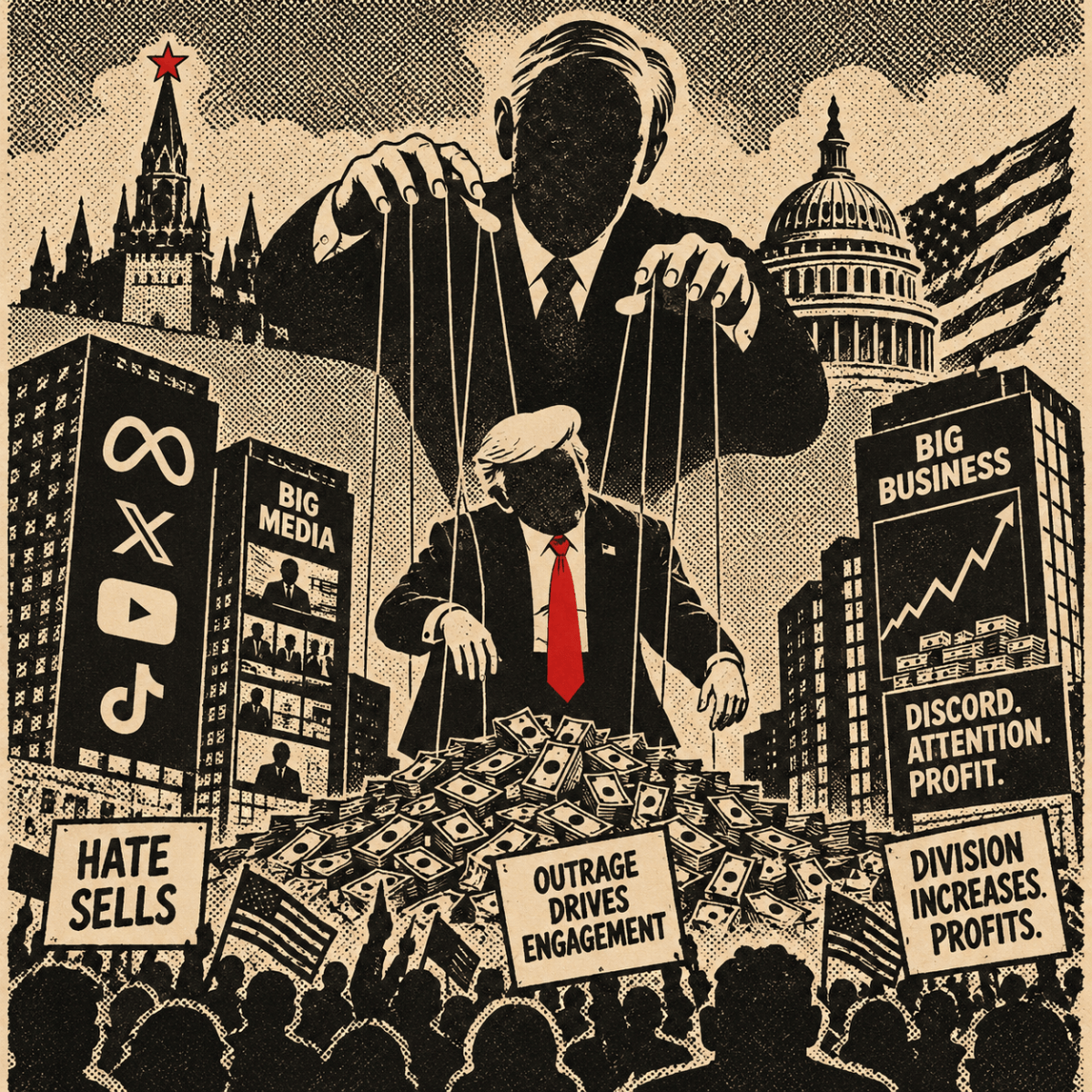
The Soviet Union collapsed, capitalism declared victory, and everyone went shopping. Now political instability is a profitable industry, foreign adversaries exploit the machinery, and the race to the bottom has become self-financing.

Governments invest heavily in defending against foreign interference while neglecting the administrative failures that make societies vulnerable. Bureaucracy has perfected the art of becoming indispensable without necessarily becoming useful.

America’s greatest strength was never simply its wealth or military power, but the international relationships that sustained them. As Washington undermines those relationships, the world is learning to become less dependent upon America, with consequences that could be difficult to reverse.

We have become exceptionally capable of reproducing (our, collective) insecurity in the name of security.

The machinery does not need to fail. It only needs to keep working in ways that make more of itself necessary.

Socio-political order does not arise because disorder has been removed, nor because conflict has been resolved. Large human systems endure by carrying tension and strain they cannot resolve: unequal interests, delayed consequences, institutional blind spots, competing stories, partial knowledge, uneven power, and the constant need to adapt. What looks like stability is usually a local […]
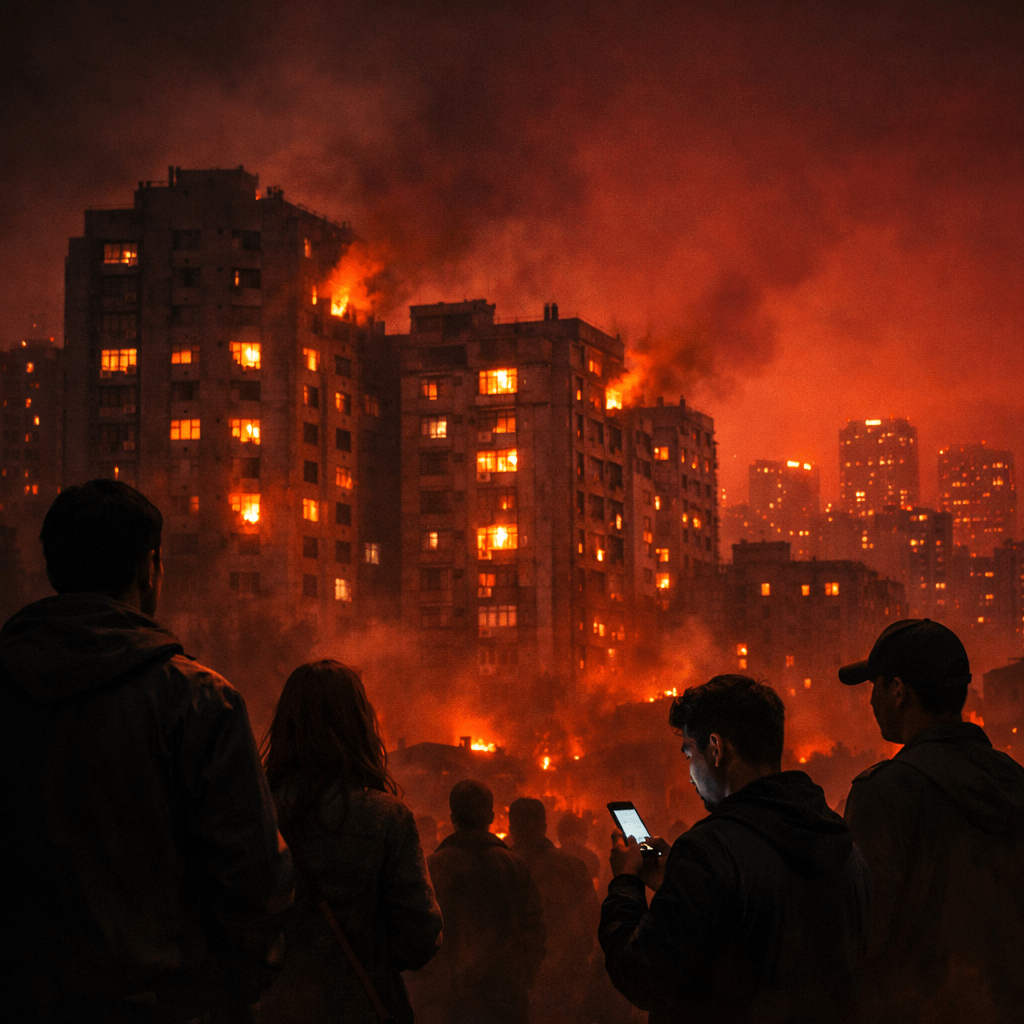
When Jimi Hendrix released House Burning Down on Electric Ladyland, American cities were already unstable. The assassinations of Martin Luther King Jr. and Robert F. Kennedy ignited unrest across neighbourhoods shaped by segregation, economic decline, and deteriorating apartment blocks. Buildings burned in riots, but also through opportunism. Some landlords torched failing properties for insurance. Some […]

An autocratic turn accelerates self-destructive collapse not because it is immoral, but because it forces a distributed system into a shape it cannot sustain. Short-term unity is purchased by suppressing variation, and the centre begins to confuse resistance with disobedience rather than information about system limits. Feedback from courts, states, agencies, markets, and elections is […]
Have a WordPress.com account? Log in now.

