Nobody needs to control the machinery. Repeated communication changes what people notice, expect and respond to, gradually reshaping the culture and politics that emerge from those interactions.
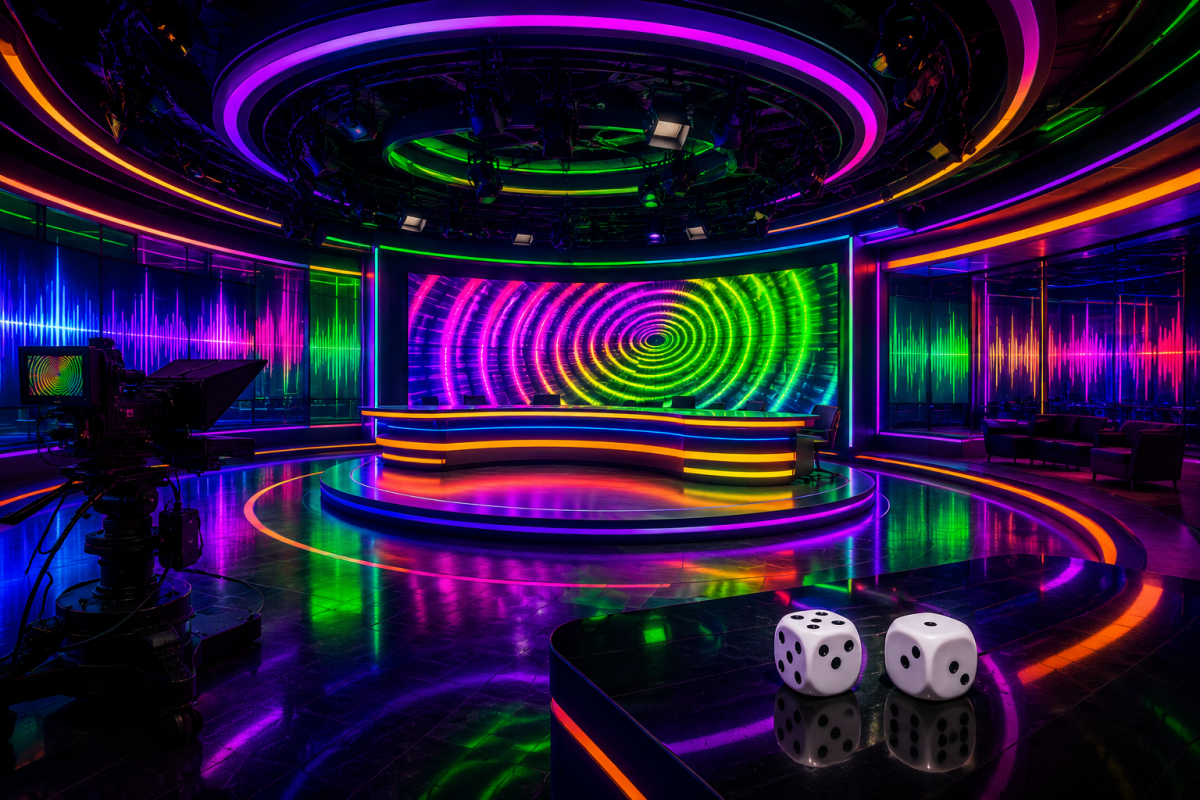
Nobody needs to control the machinery. Repeated communication changes what people notice, expect and respond to, gradually reshaping the culture and politics that emerge from those interactions.

At the limit lies bullshit: language sufficiently detached from external constraint that its capacity to provoke another cycle of response becomes more important than what it describes.
01-DD
02-DD
03-DD
04-DD
05-DD
06-DD
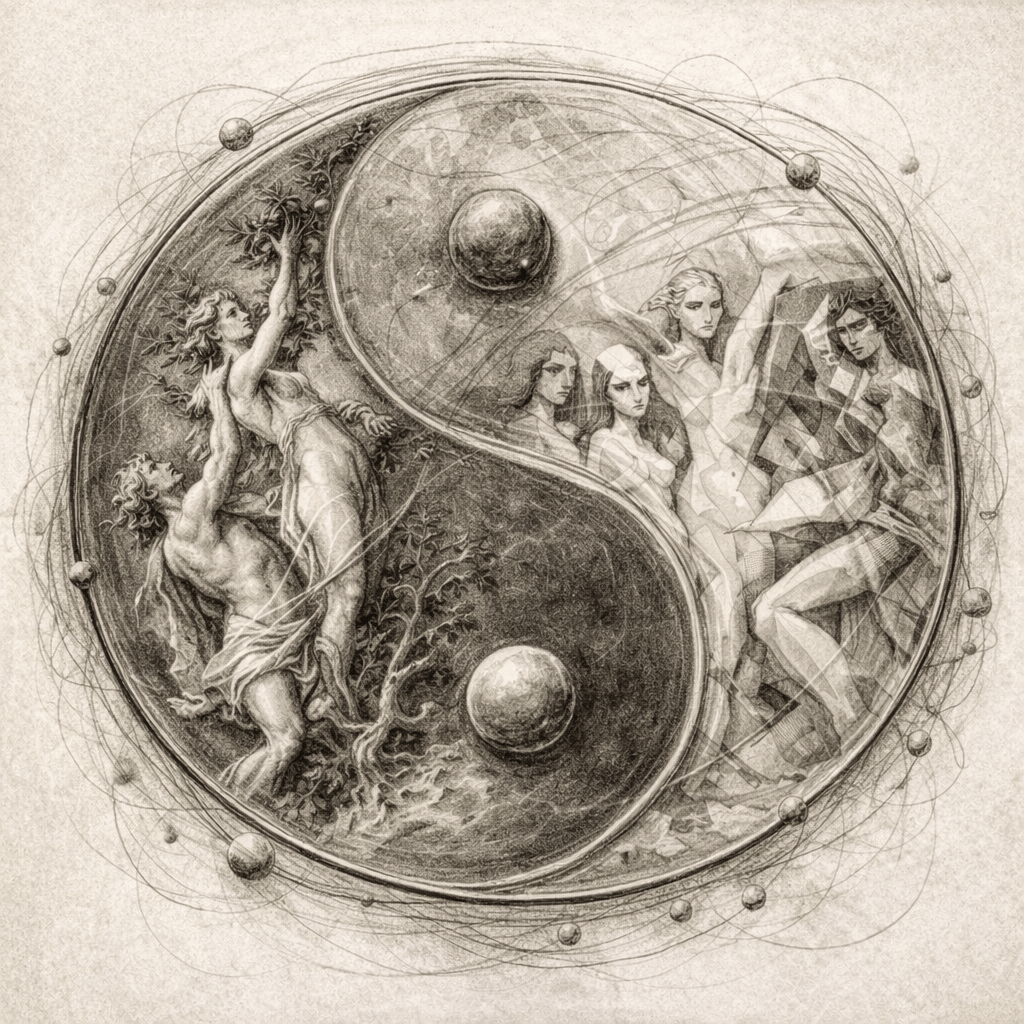
Loneliness becomes a market when technology makes itself the bridge between people.

Populism is not an opinion. It is a phase dynamic.
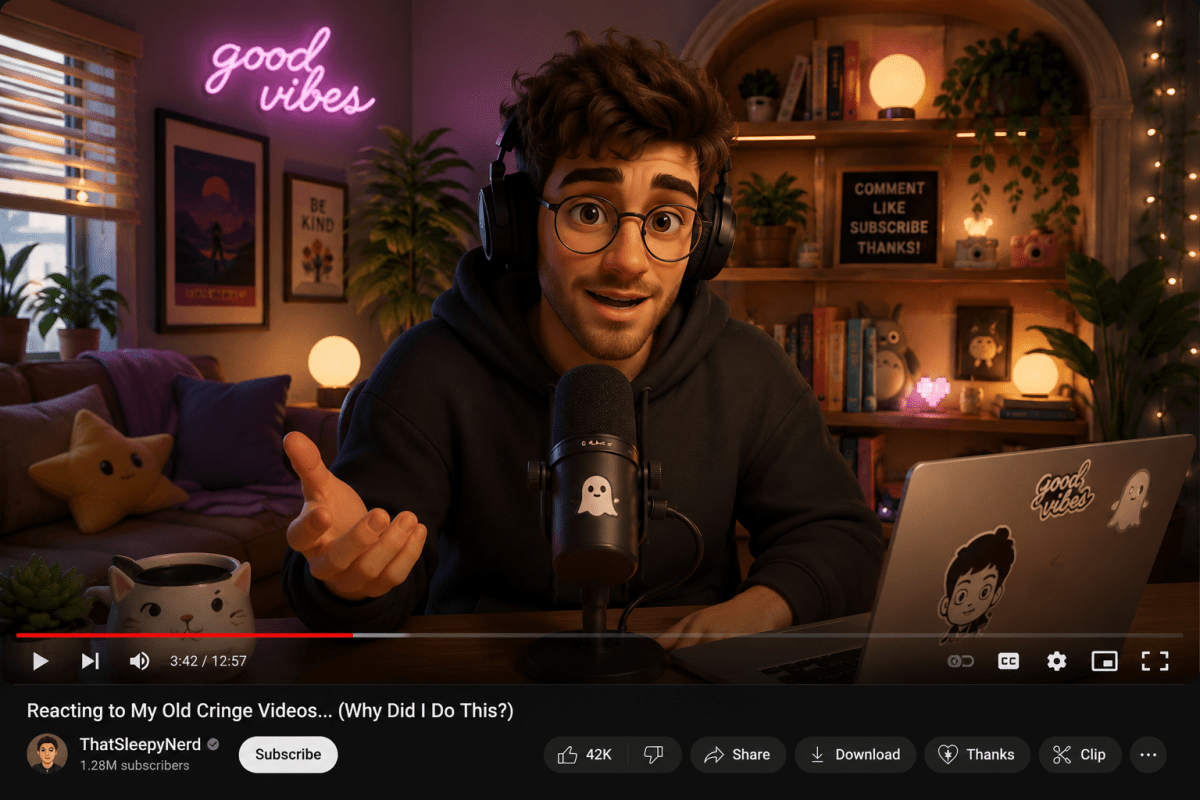
Authenticity is not destroyed by media so much as converted into an interface problem: a carefully arranged background, a handful of familiar signals, and the strange little theatre by which the network teaches the self how to appear real.
Disinformation is not the opposite of information, but one of the ways communication organises uncertainty into meaning. Its deeper structure belongs less to politics than to the philosophical problem of how truth, coherence, and identity emerge at all.

