Civilisations fall into rhythms, and changing those rhythms changes the futures they can sustain.

Civilisations fall into rhythms, and changing those rhythms changes the futures they can sustain.

In post-industrial Western societies, relationships increasingly pass through technological and transactional systems before they pass directly between people. Friendship, intimacy, courtship, status, belonging: much of social life now moves through screens, platforms, metrics, services, and algorithmic surfaces. Distance has collapsed. Presence has become persistent. The modern person can remain linked to hundreds, even thousands, of […]

Social media platforms are usually described as communication technologies, but their deeper operational logic is closer to behavioural recurrence management. They do not optimise for resolution, understanding, repair, or psychological settlement. They optimise for continued return. That means the platform is not primarily designed to complete the user’s need, but to make the user come […]

Populist tribalism is not merely a political mood. It is a communication environment unusually rich in signal, repetition, affect, antagonism, identity, fear, loyalty, humiliation, accusation, and recurrence. This matters because large digital platforms are not neutral carriers of public feeling. Their commercial systems depend on sustained engagement, behavioural prediction, data extraction, and increasingly fine-grained user […]

The Mad King is usually treated as a personality problem. History supplies familiar figures. Erratic rulers, impulsive leaders, volatile decision makers whose behaviour appears to bend events. Yet this framing may be backwards. Instability at the top of power hierarchies may emerge not from individual psychology but from the structure of complex social systems themselves, […]

Meaning arises and endures only because experience and symbolic encoding remain out of phase, and when technology collapses that difference into immediacy and semiotic isomorphism, thought and behaviour collapse into preordained reflex, short-circuiting cognitive voltage into volatility, simplicity, and coercive transmissibility, turning language into a direct instrument of behavioural modulation.
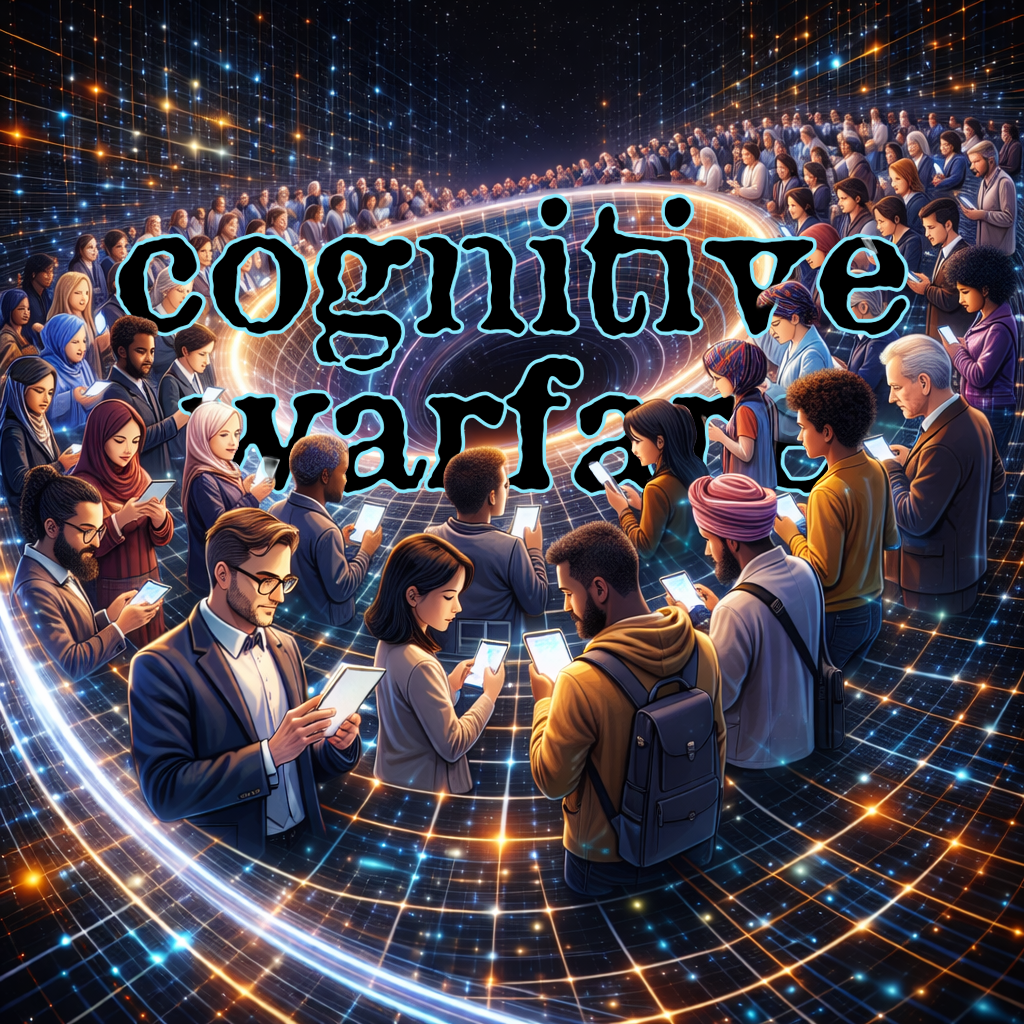
A cognitive war is not simply about what you think. It is a war over how you think, because once the structure, code, and cadence of thought, of language, of behaviour are altered, the content becomes easy to steer. Some of these biases are ancient, natural, even necessary: shortcuts of perception, habits of inferential prediction, […]

Intelligence is becoming a liability. Not socially ornamental intelligence, not credentialed cleverness, but actual understanding. The kind that sees structure, delay, recursion, consequence. The kind that notices when a system is lying to itself. That form of intelligence generates friction. It interrupts performance. It destabilises belonging. It exposes the hidden costs that simple stories are […]
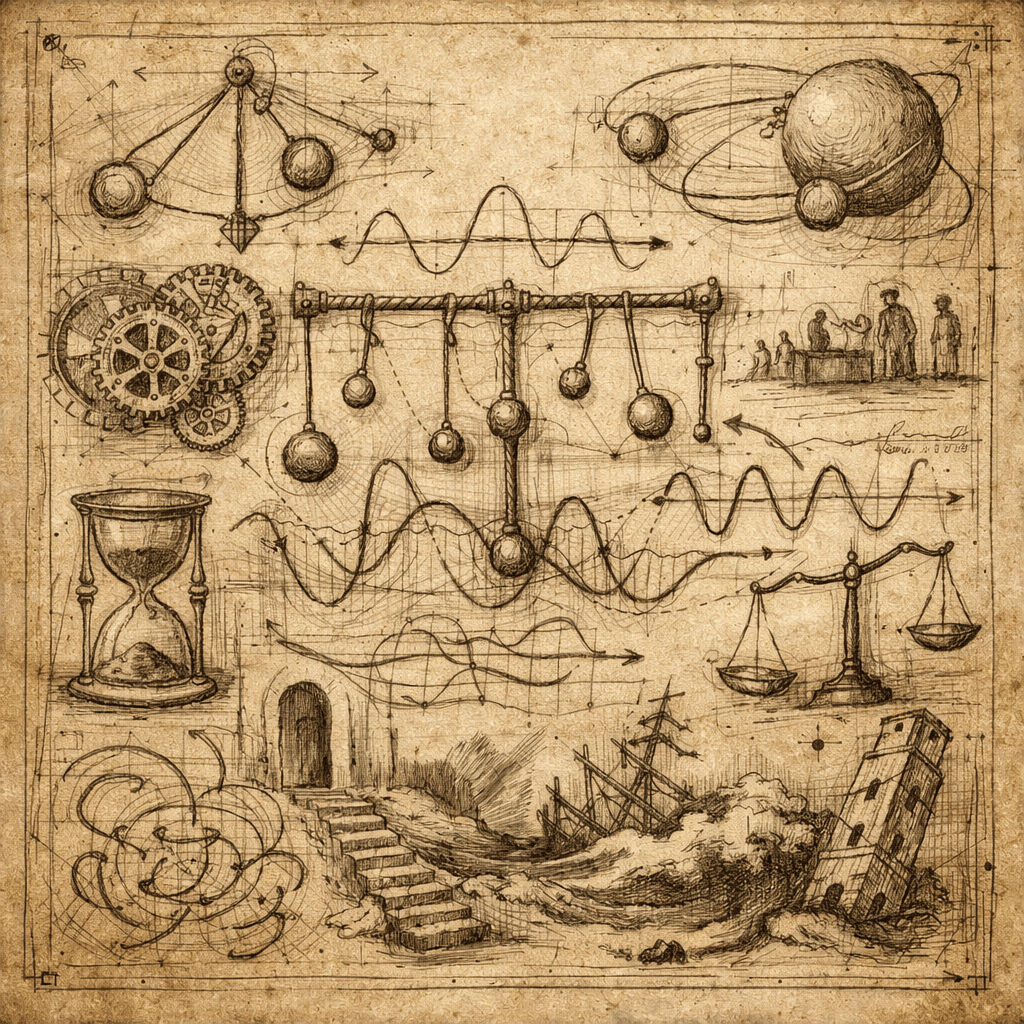
It does not matter whether you write with generative technologies or not. If you have no ideas, no curiosity, no necessity to think, then artificial intelligence will simply amplify the emptiness. It will generate fluent noise, decorative coherence, and nothing else. The result is regurgitated pattern-matching, consumed as novelty and mistaken for intelligence. Most people […]
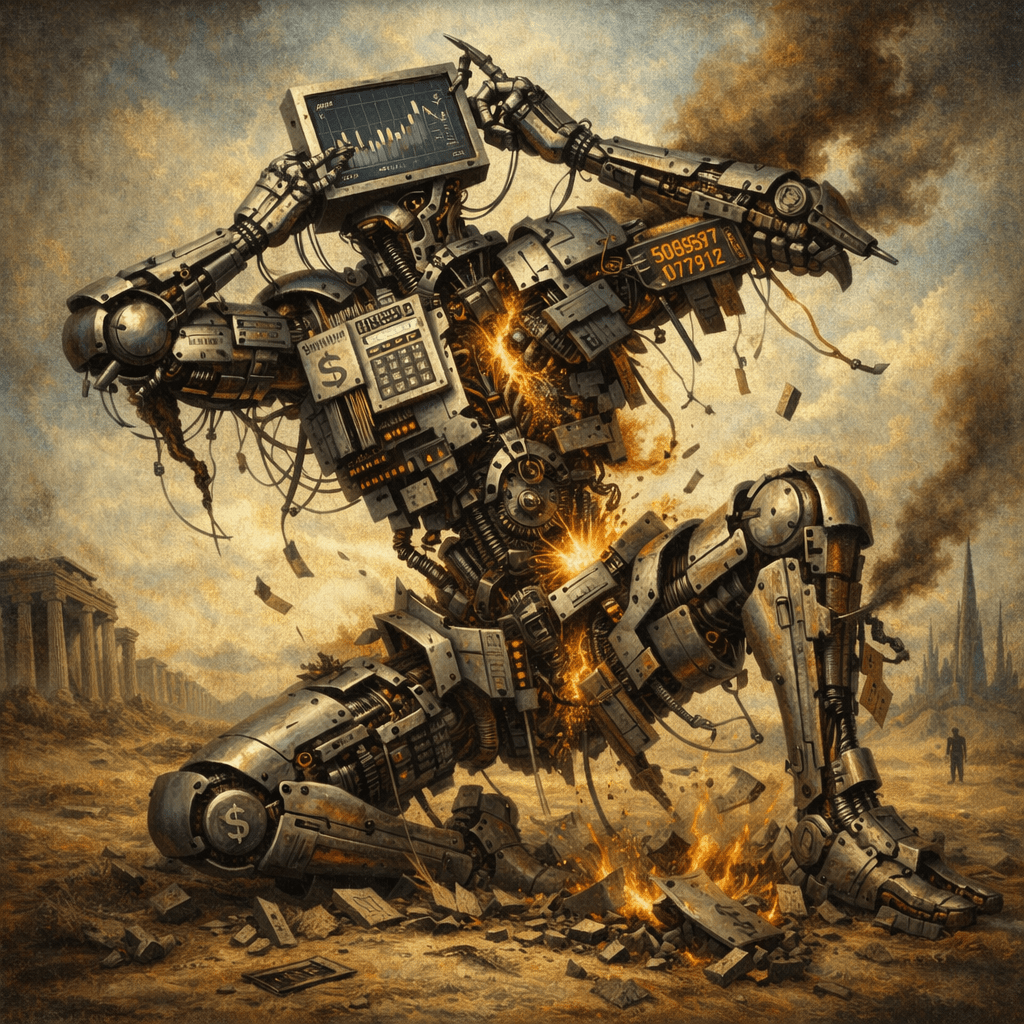
Systems of governance and regulation, insofar as they attempt to secure social, economic, and existential continuity, are structurally compromised. Their primary function is not effective service delivery, but the preservation of administrative and status hierarchies. Continuity of role, office, and influence comes first; the public good follows, if at all. Politics becomes theatre. Institutions become […]

Writing about contemporary politics, especially what is now unfolding globally and with particular intensity in the United States, has become an aesthetically risky and expressively constricted act. Insight itself is treated as partisan. Intelligence, systems thinking, and even basic factual literacy are read as “progressive” positions regardless of intent or content. This is not simply […]

Nietzsche’s The Antichrist was not written to identify a villain in the conventional sense. It was an intervention aimed at disturbing complacency. His target was not a person, but a reversal: a situation in which values publicly affirmed as moral, spiritual, or redemptive had become detached from the practices and dispositions they purported to sanctify. […]
Have a WordPress.com account? Log in now.

