We mistake the world we inherit for a world that must be this way. History, habit and collective belief conceal a more uncomfortable truth: our civilisation is simply what did happen, not what had to happen.

We mistake the world we inherit for a world that must be this way. History, habit and collective belief conceal a more uncomfortable truth: our civilisation is simply what did happen, not what had to happen.

We mistake extreme wealth for extraordinary human worth, celebrating billionaires as visionaries while overlooking the collective labour, public investment and institutional power behind their fortunes. It’s time to stop confusing wealth with wisdom.

A humanistic philosophy informed by system dynamics: why simple solutions often displace problems across time and systems rather than resolving them.

A civilisation builds systems to solve its problems, then discovers that the systems have become the problems, while its dependence upon them has made their continuity deeply problematic.

Everyone knows a dickhead. The interesting question is why the conditions that generate them do so, enduringly, and with such uncanny frequency.
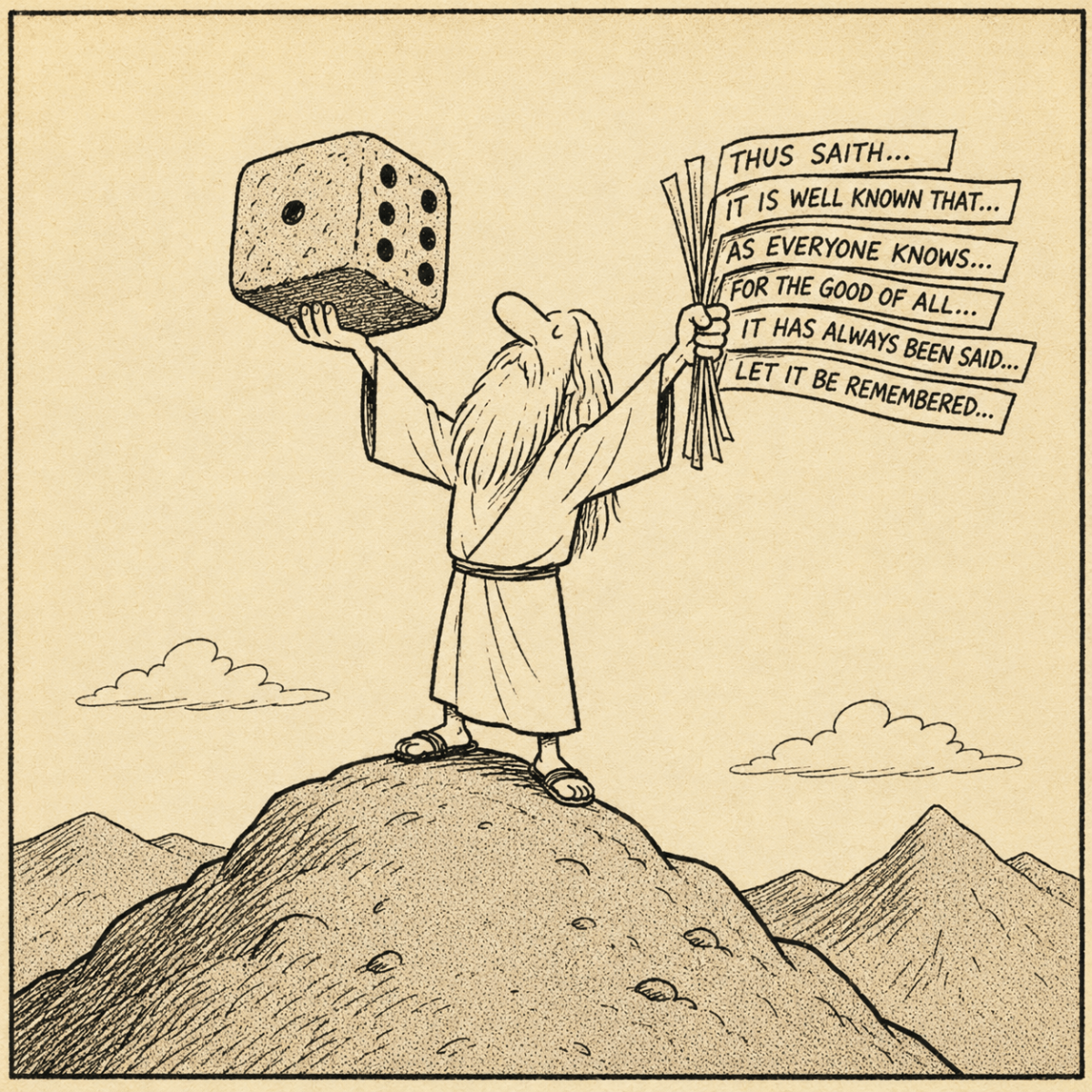
The probable is a proper subset of the possible. Old habits die hard because viable communication preferentially reproduces patterns that make themselves more likely to recur.
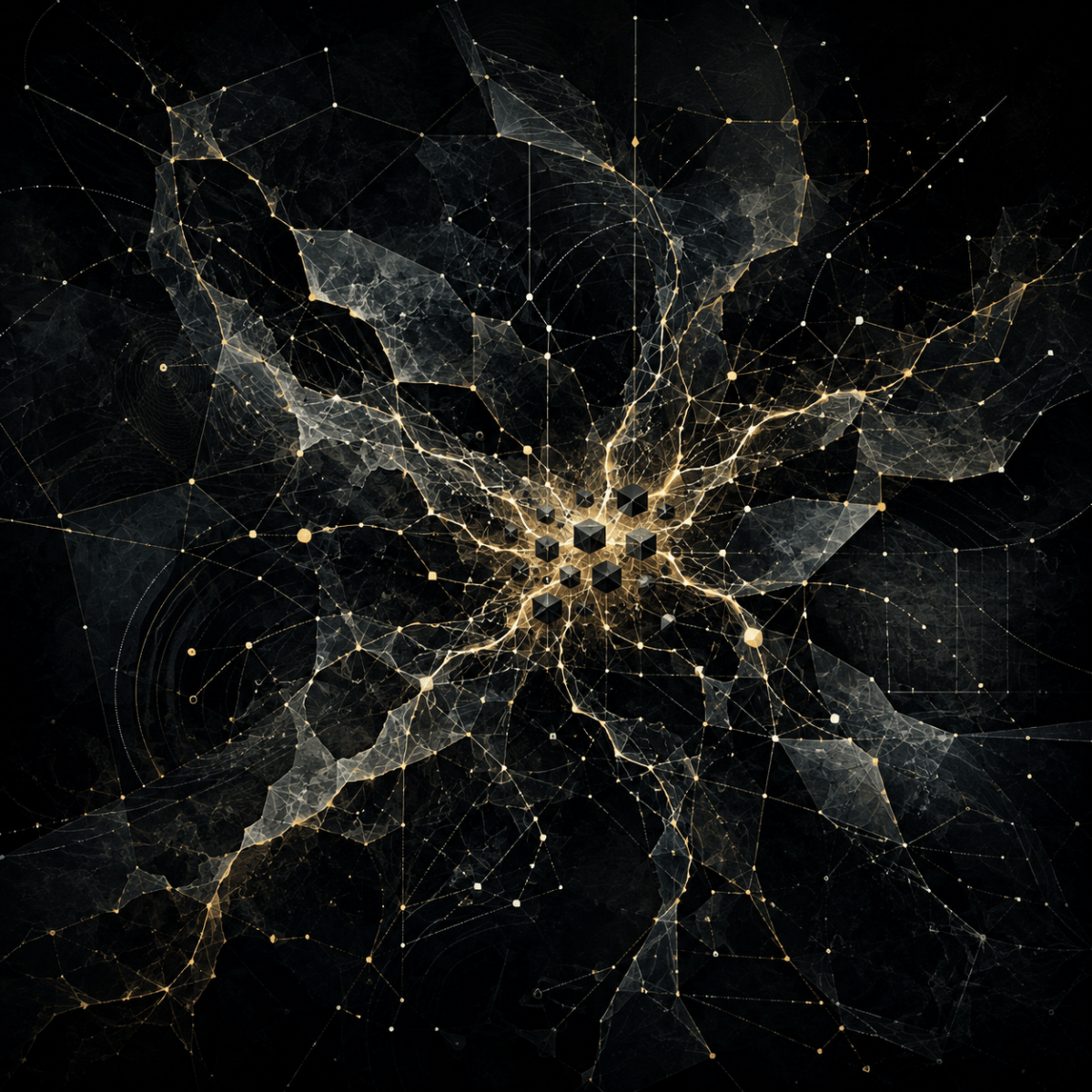
Disinformation does not persist because individual false claims survive. It persists because the communicative relations that make those claims meaningful continue to reproduce themselves.

Civilisations persist by continually reorganising themselves. The unanswered question is whether conflict, crisis and systemic collapse/renewal remain the principal means through which that persistence is achieved.
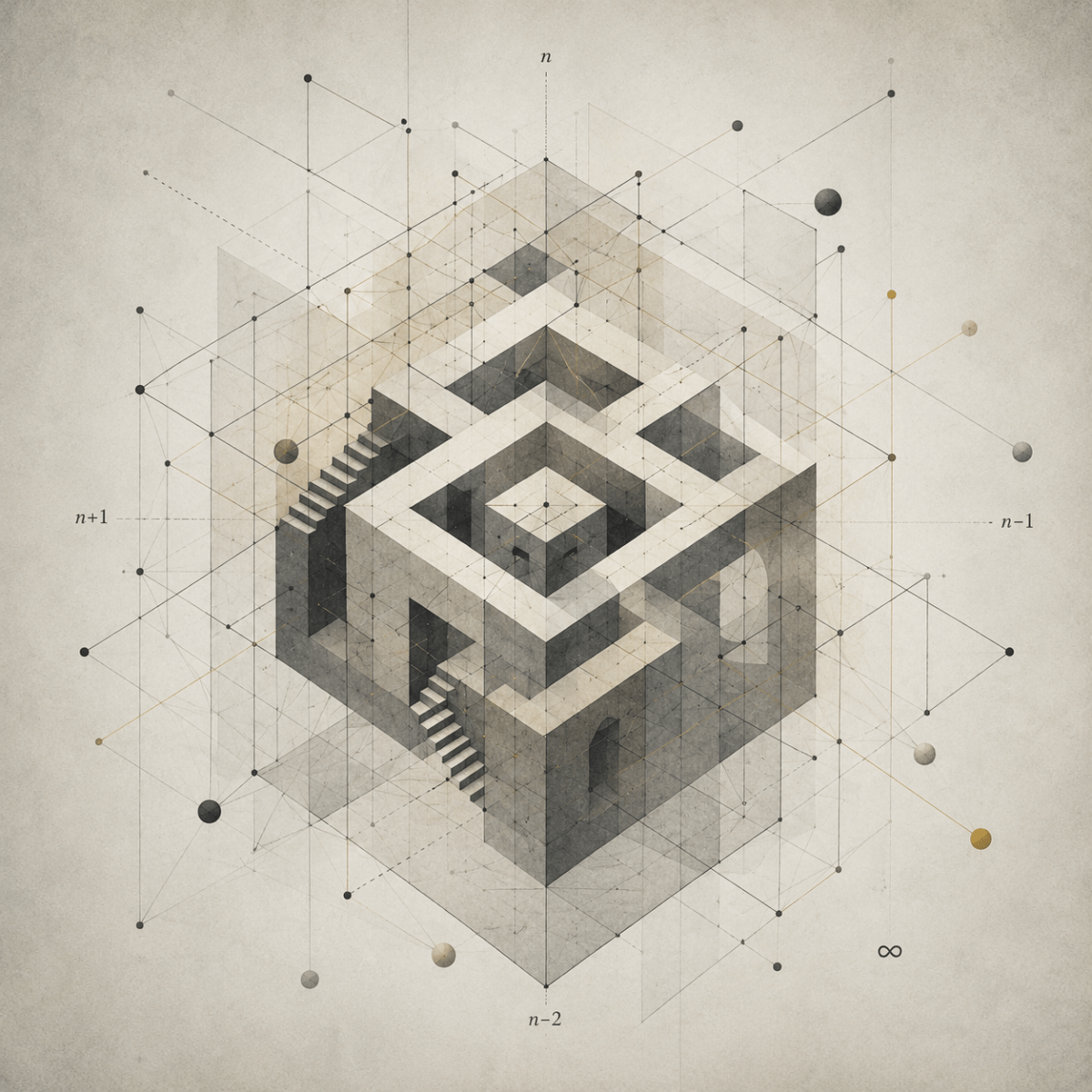
AI can not save us, but it will facilitate a vast amount of short-term profit. The actual human and environmental cost will be considerable.
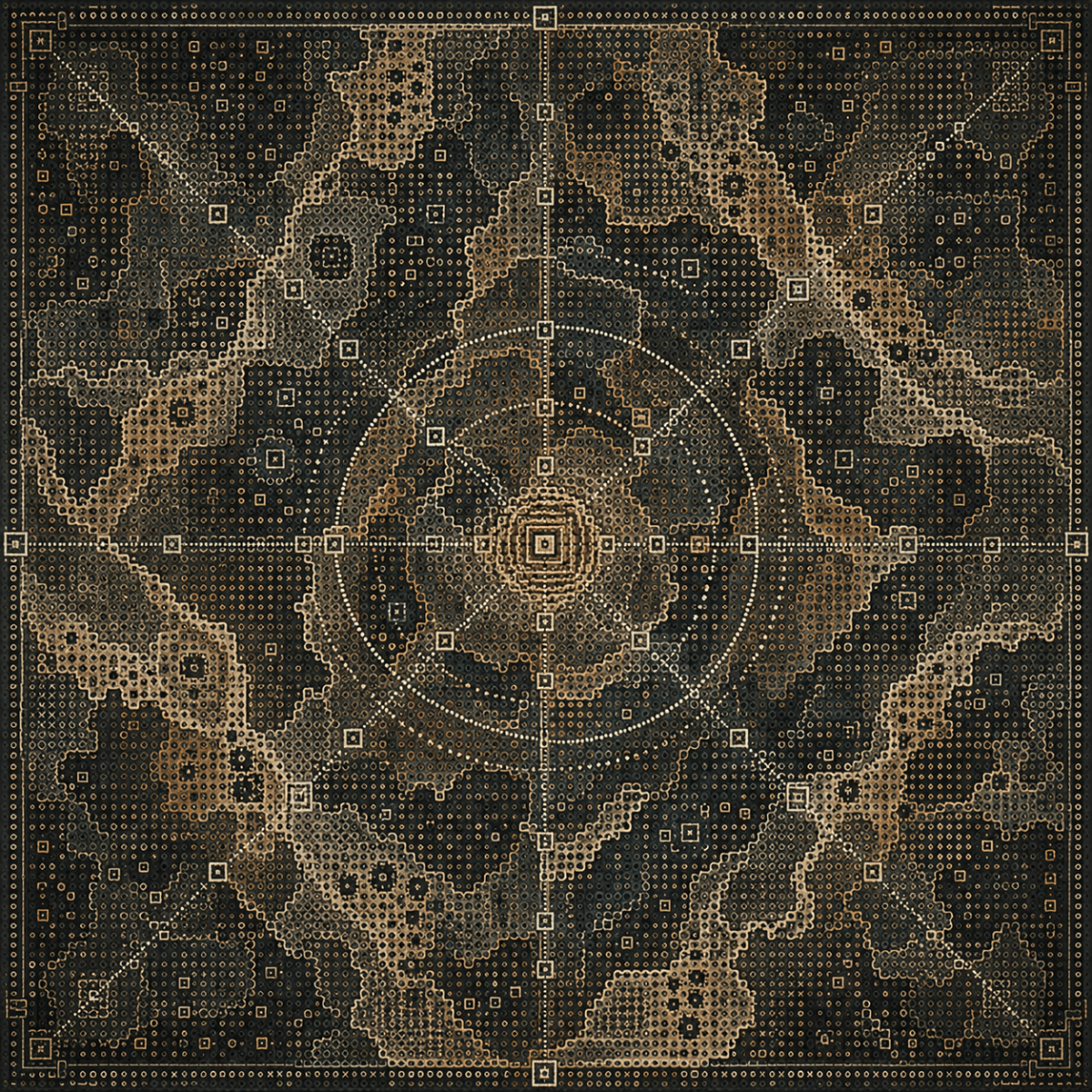
Institutions rarely fail because they cannot recognise problems. They fail because recognising problems is not the same as escaping the conditions that reproduce them.

The most important pattern in modern society is the one almost nobody is looking for.
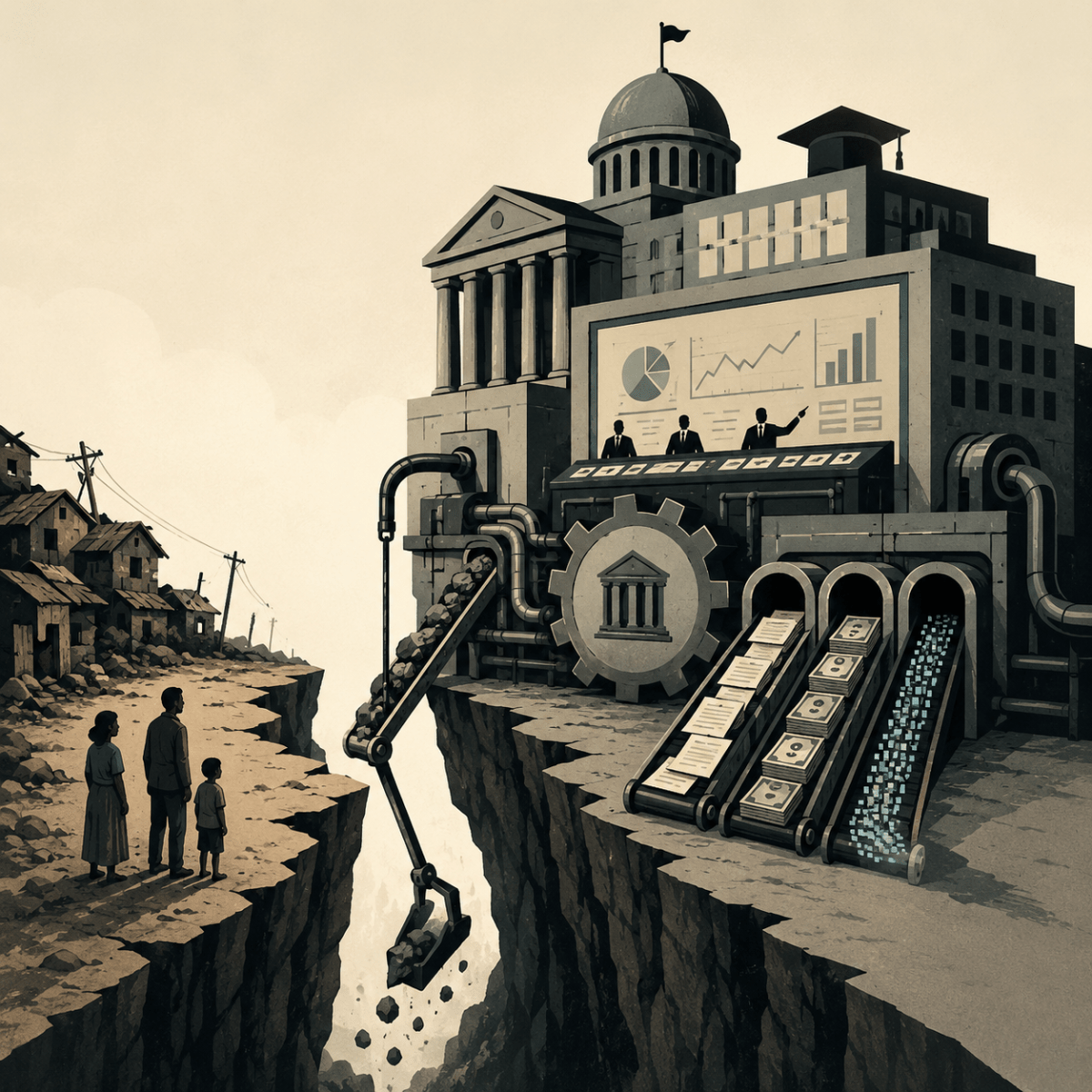
The institutions assigned to solve our deepest problems are sustained by these, the very relations they are unable and/or unwilling to question.
Have a WordPress.com account? Log in now.

