War, money and political insecurity reproduce the threats they ostensibly intend to resolve, sustaining destructive relationships whose continuity subsequently appears necessary.

War, money and political insecurity reproduce the threats they ostensibly intend to resolve, sustaining destructive relationships whose continuity subsequently appears necessary.

Language is more than a means of exchanging information. Beneath meaning and communication lie physical dynamics of rhythm, resonance and persistence that shape collective behaviour, social reality and the patterns through which we understand the world.
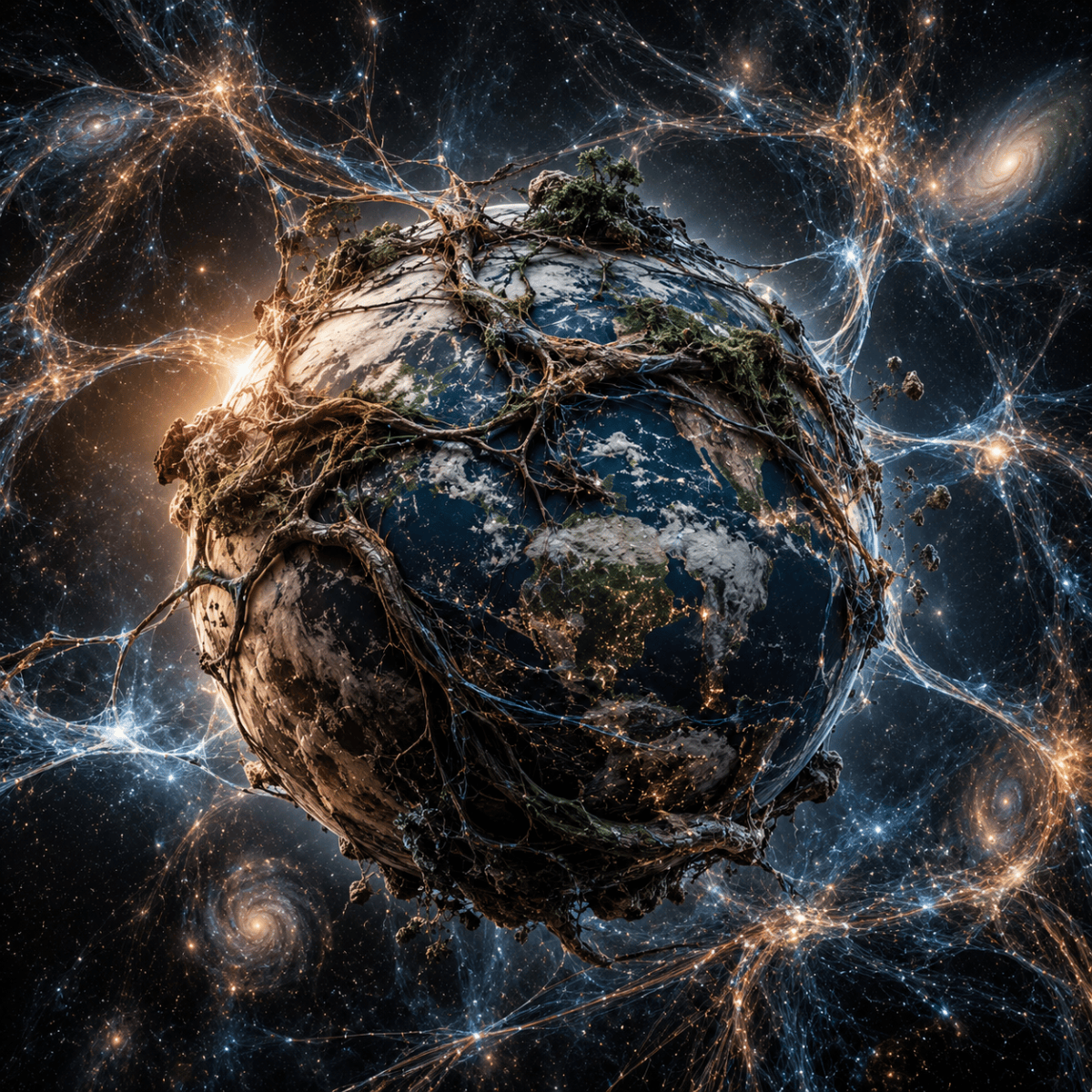
From social media and human psychology to Gaia and cosmic self-regulation, an exploration of identity, feedback, emergence and the illusion of control.
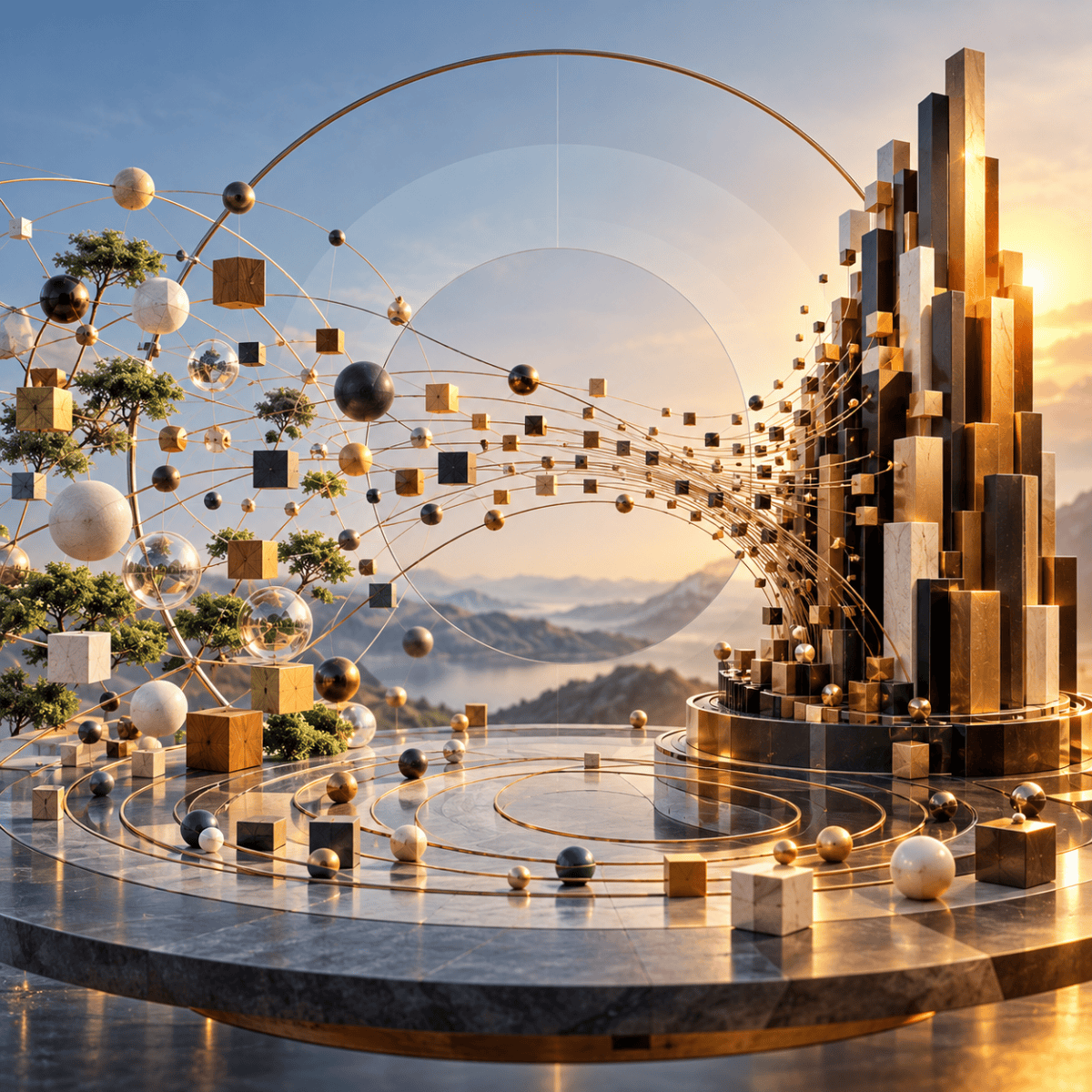
The problem is not capitalism or competition, but the concentration of wealth and power that progressively undermines the conditions through which meaningful competition, economic freedom and social resilience remain possible.

Formal logic works with identities and distinctions. Understanding complex systems requires explaining how both emerge and persist through the relations that sustain them.
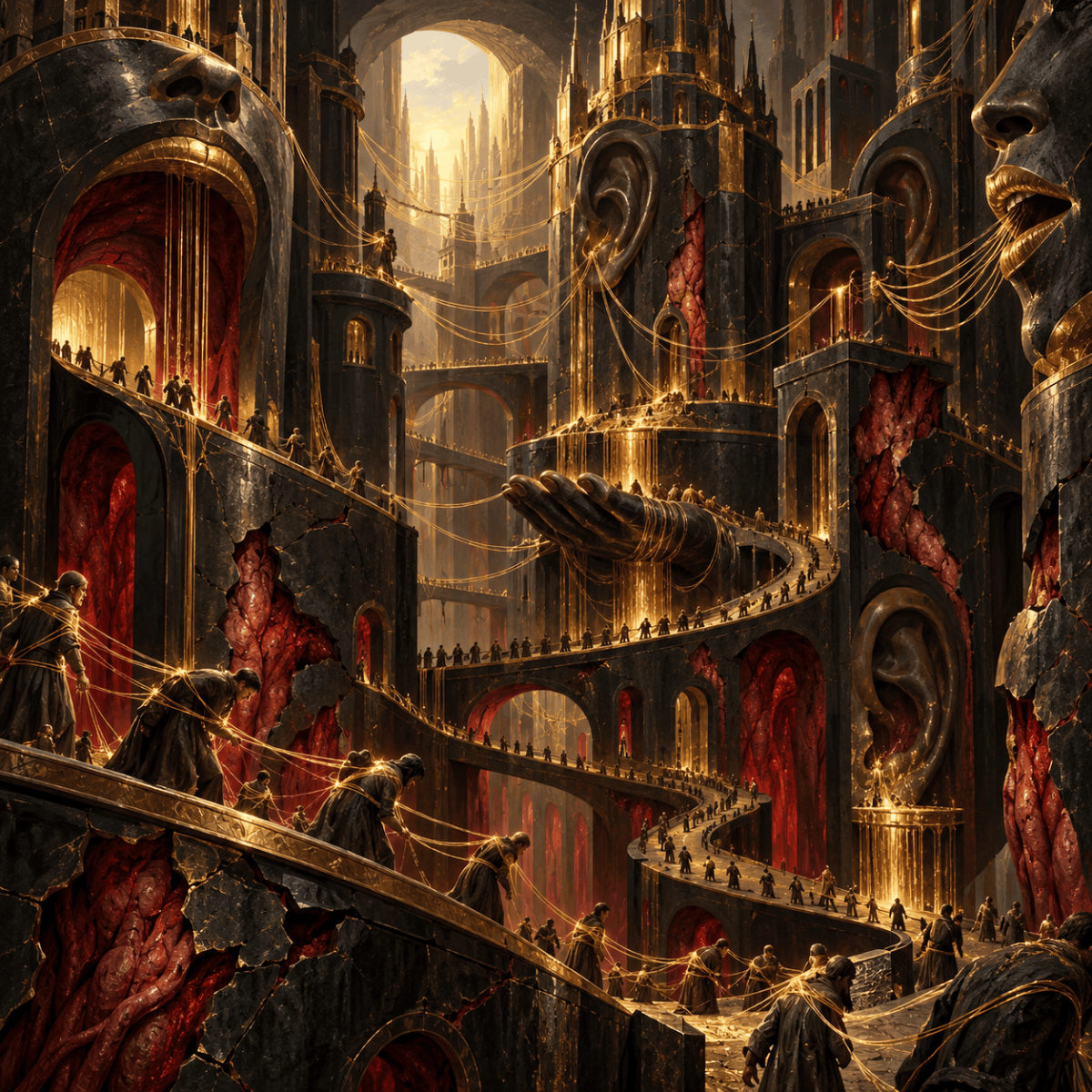
Cruelty grows through small, rational choices that make power easier to preserve and other people easier to discard.

I went to a School of Cybernetics hoping to develop ideas about how systems organise and reproduce themselves. My experience instead prompted an unexpected examination of institutional authority, intellectual exclusion and the patterns through which institutions reproduce themselves.

Our extraordinary technological and expressive abundance conceals a narrowing of possibility, as the systems rewarding innovation and success make civilisation increasingly fragile.

The story of Ignaz Semmelweis, whose life-saving discovery reveals how established practices can obstruct new knowledge, with profound human consequences.

A protest becomes something different when separate grievances begin moving at the same time. France offers a glimpse of how synchronisation amplifies communicative affect.
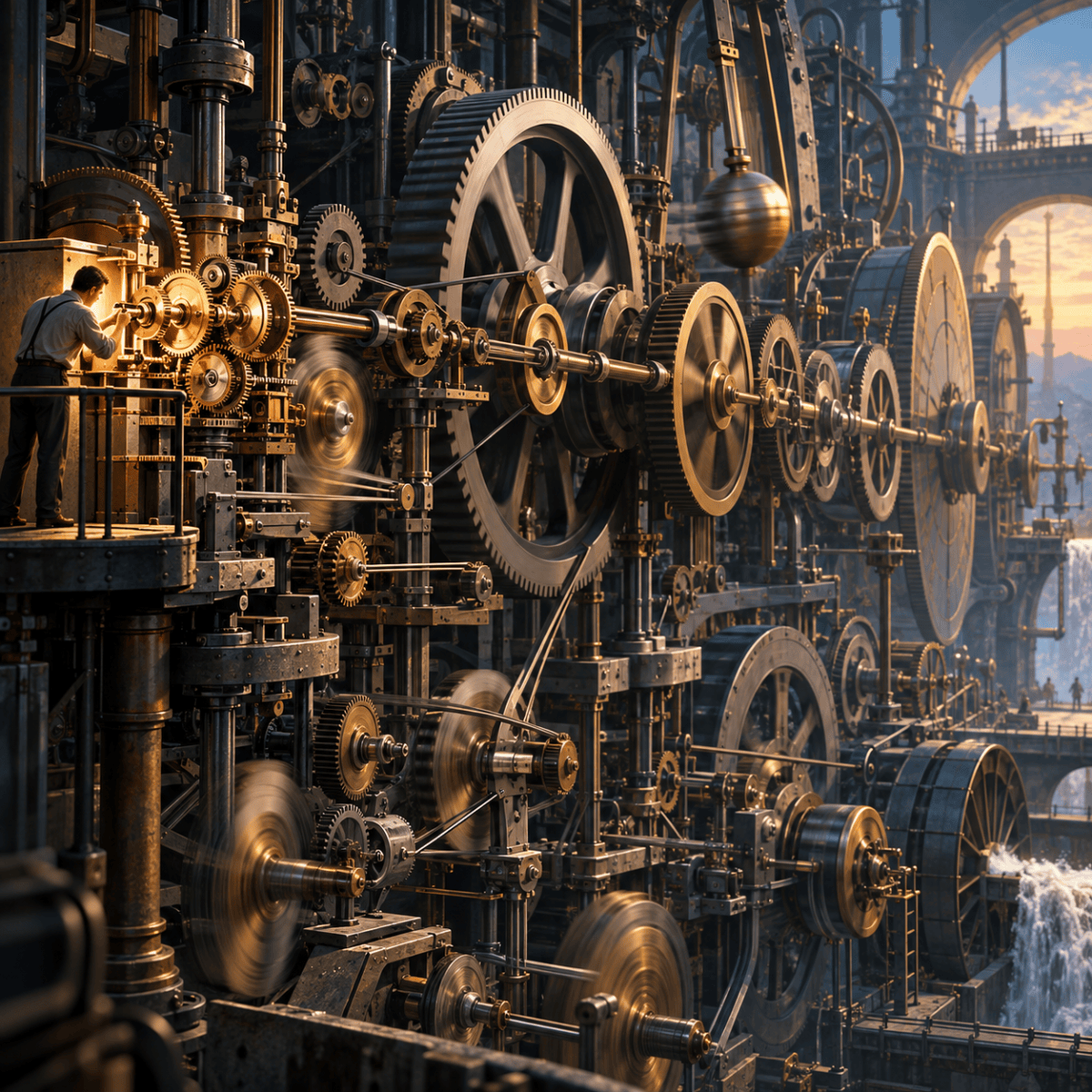
A humanistic philosophy informed by system dynamics: why simple solutions often displace problems across time and systems rather than resolving them.

Nobody needs to control the machinery. Repeated communication changes what people notice, expect and respond to, gradually reshaping the culture and politics that emerge from those interactions.
Have a WordPress.com account? Log in now.

