Extreme wealth preserves its own stability by shifting costs onto everyone else. Captain Fractal explores why even billionaires cannot escape the physics of their own existence.

Extreme wealth preserves its own stability by shifting costs onto everyone else. Captain Fractal explores why even billionaires cannot escape the physics of their own existence.
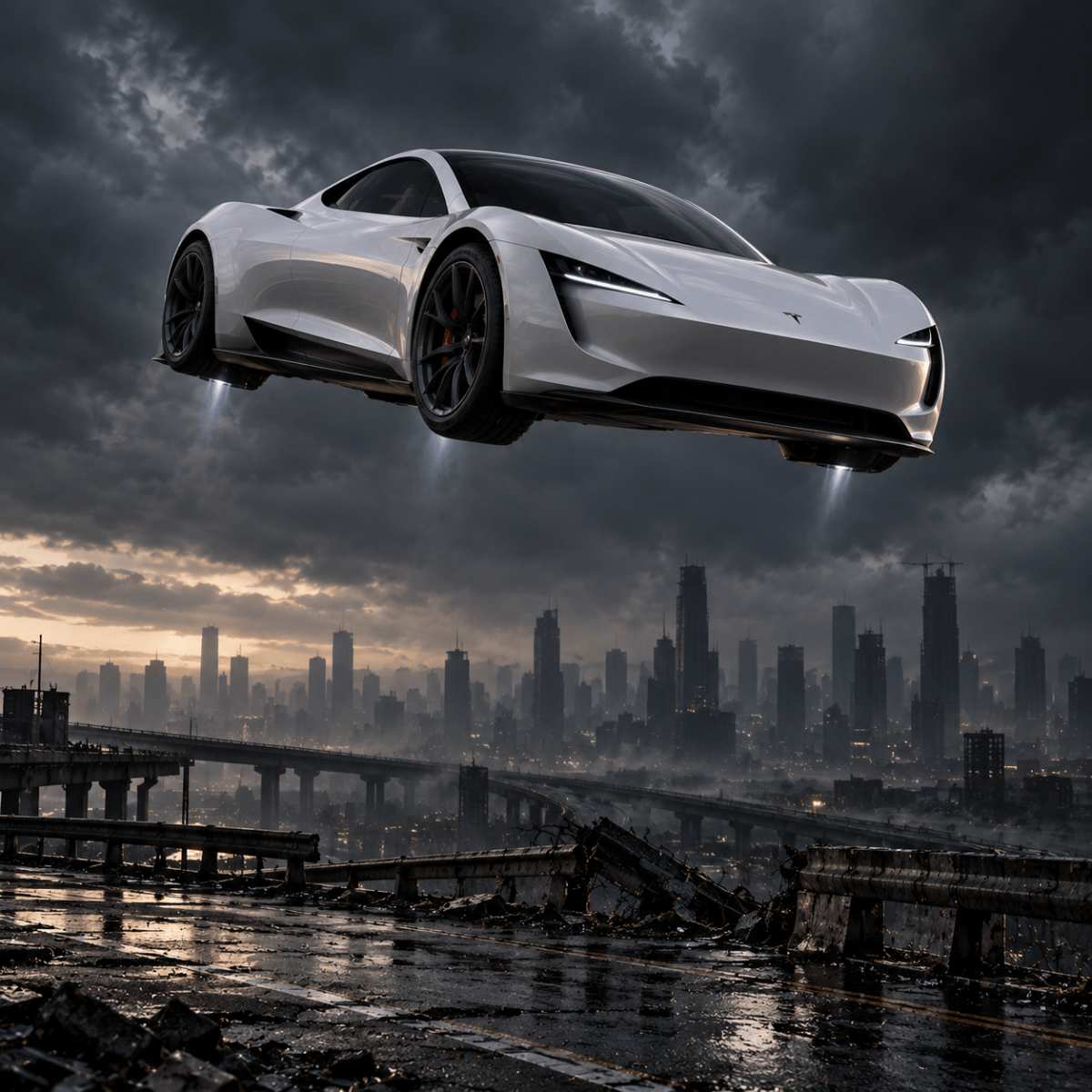
The flying car illustrates the peculiar absurdity of developing increasingly sophisticated means of getting somewhere while losing collective control over where we are going.
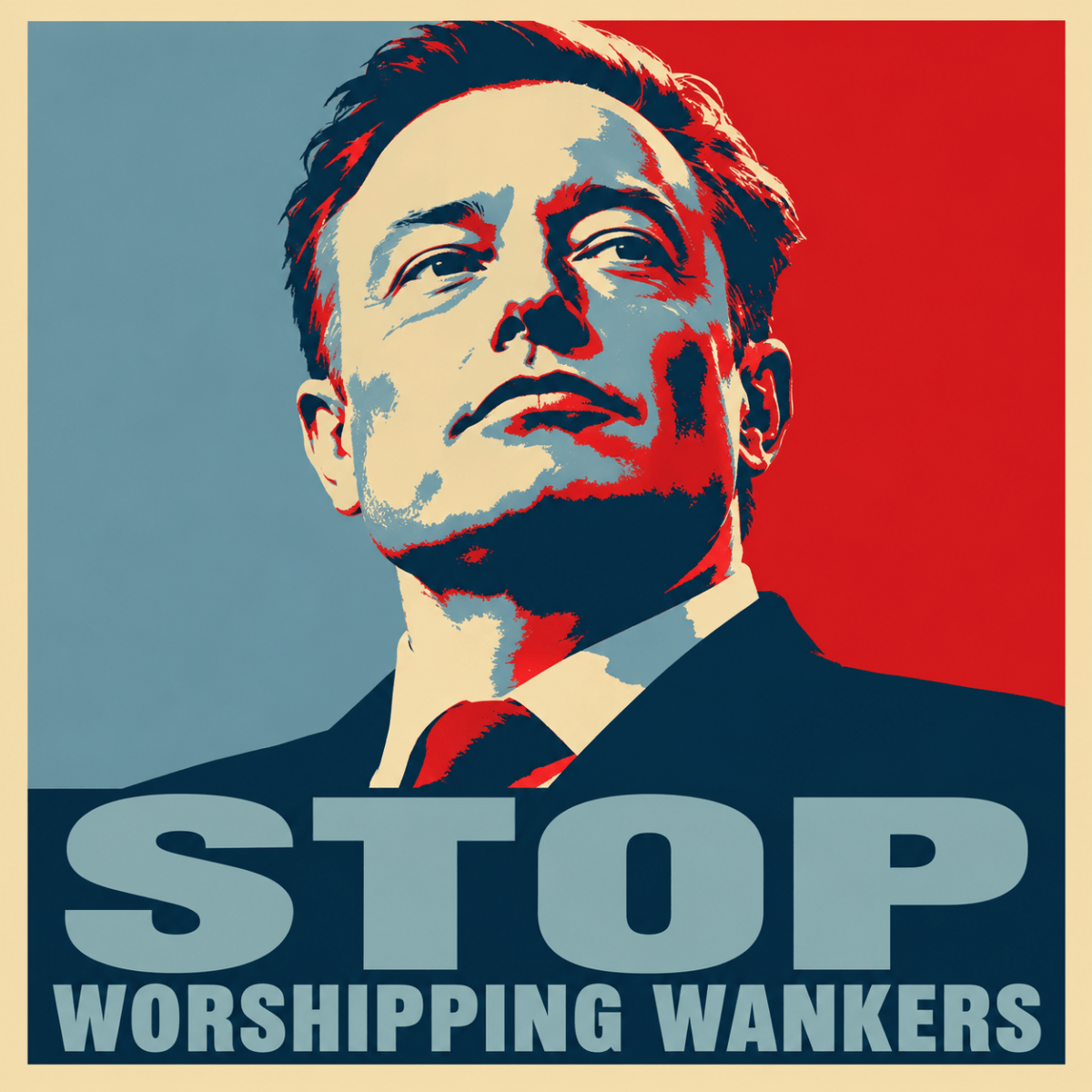
We mistake extreme wealth for extraordinary human worth, celebrating billionaires as visionaries while overlooking the collective labour, public investment and institutional power behind their fortunes. It’s time to stop confusing wealth with wisdom.
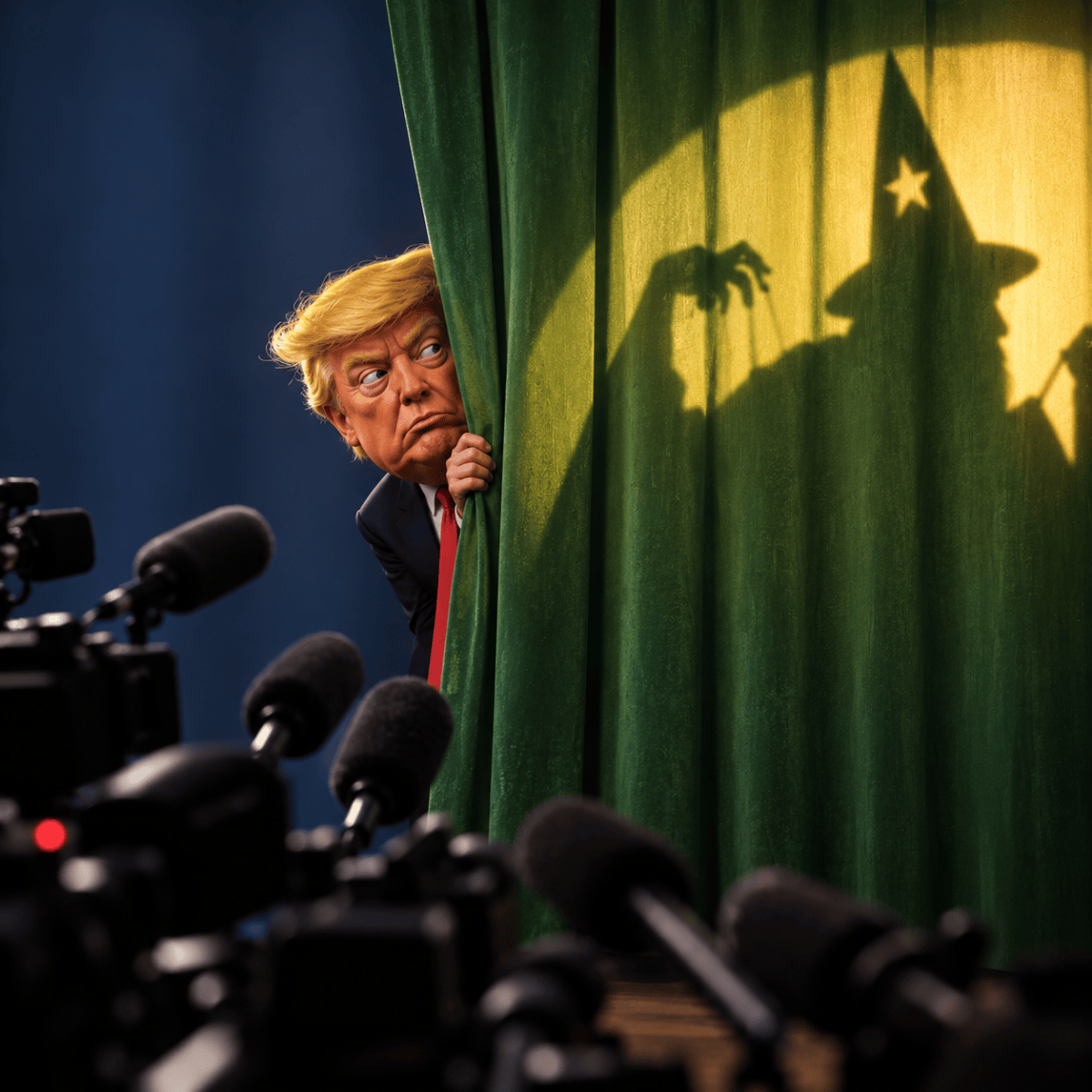
Trump depends upon the opposing media he seeks to exclude. Its opposition generates the conflict through which his political identity acquires force. The wizard needs the curtain, but he also needs someone on the other side insisting that we look behind it.
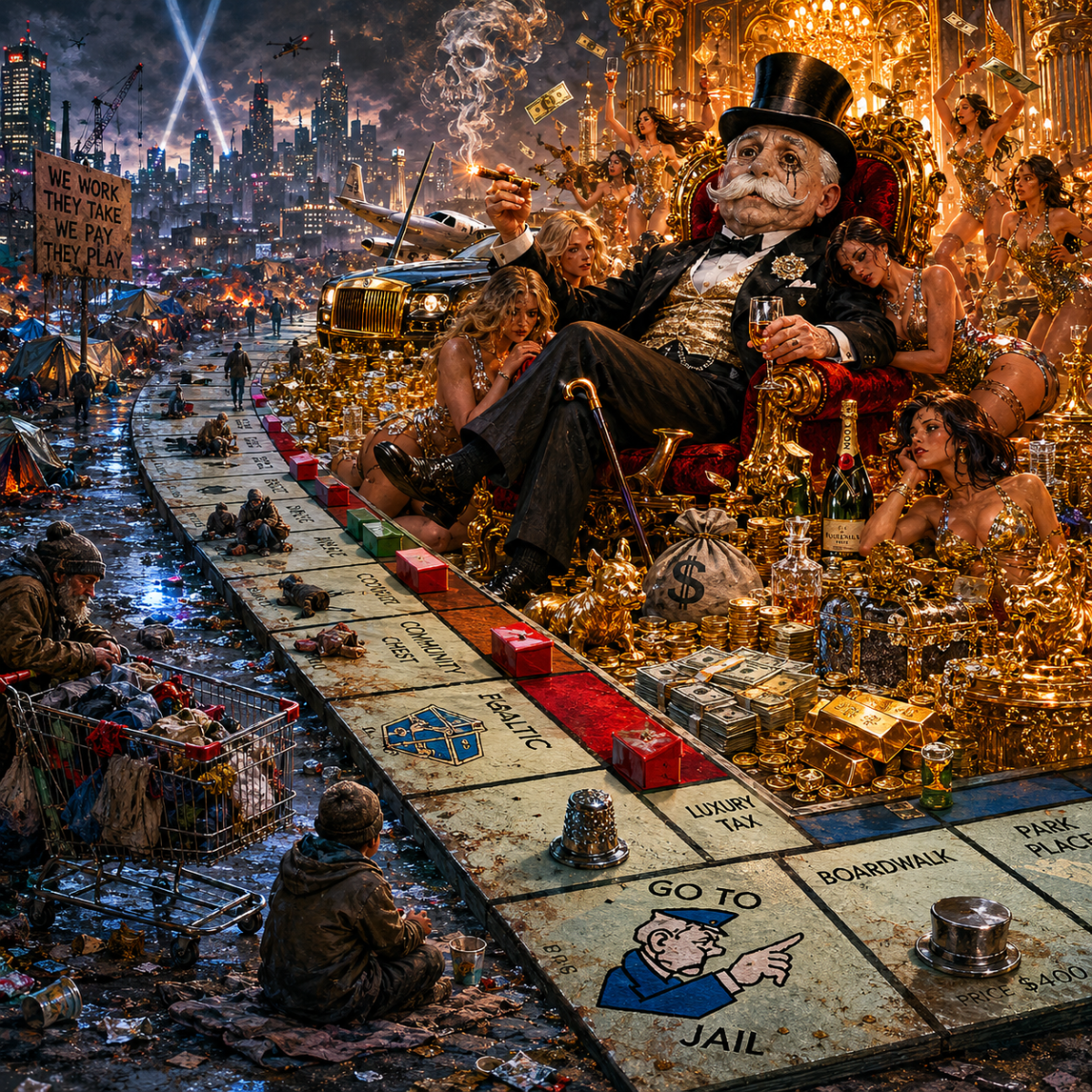
Extreme wealth is not proof of independence. The billionaire appears to stand above society, but in reality stands upon it.

Wealth is not virtue; it is often merely the moment at which exploitation, inheritance, appetite, spectacle, and institutional obedience acquire sufficient polish that the public begins misunderstanding aggregate power as sufficient proxy for strategic wisdom and true moral virtue.
There is, at present, a strange cultural requirement to pretend that billionaires are evidence of societal success rather than evidence of systemic imbalance.

Extreme wealth is not just a larger version of ordinary success. Beyond a certain point, it becomes a structural feature of the systems that organise society itself. Modern civilisation runs on coordination: finance, law, technology, logistics, media, administration. These systems manage complexity by translating the world into symbols — money, data, metrics, legal categories. They […]
Have a WordPress.com account? Log in now.

