The paradox is how to preserve a planetary civilisation’s capacity for emergent self-regulation without irreversibly surrendering it to the political, economic and technological artefacts, entities and systems established to manage and control it.

The paradox is how to preserve a planetary civilisation’s capacity for emergent self-regulation without irreversibly surrendering it to the political, economic and technological artefacts, entities and systems established to manage and control it.

A rigged game constrains probabilities; it does not determine every outcome.
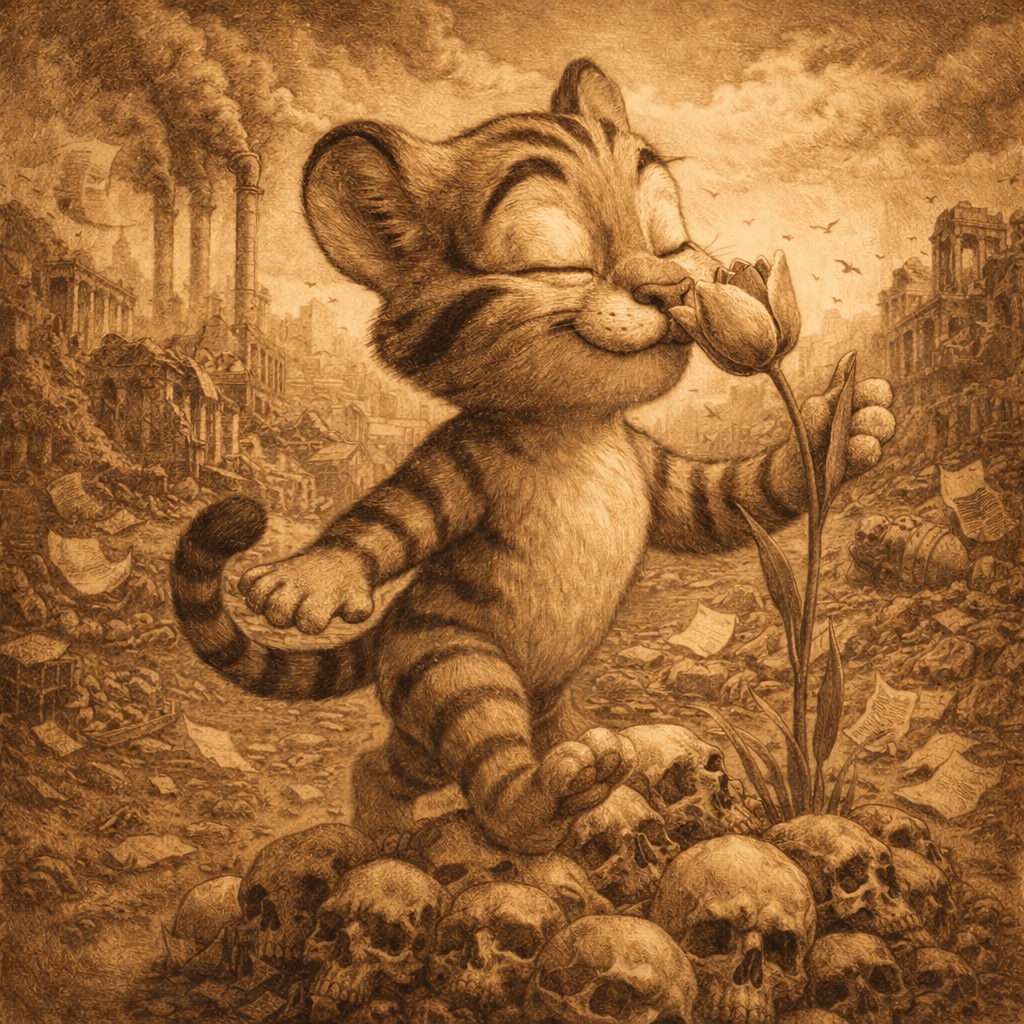
The world is not merely broken. Too many people are paid to keep it that way.
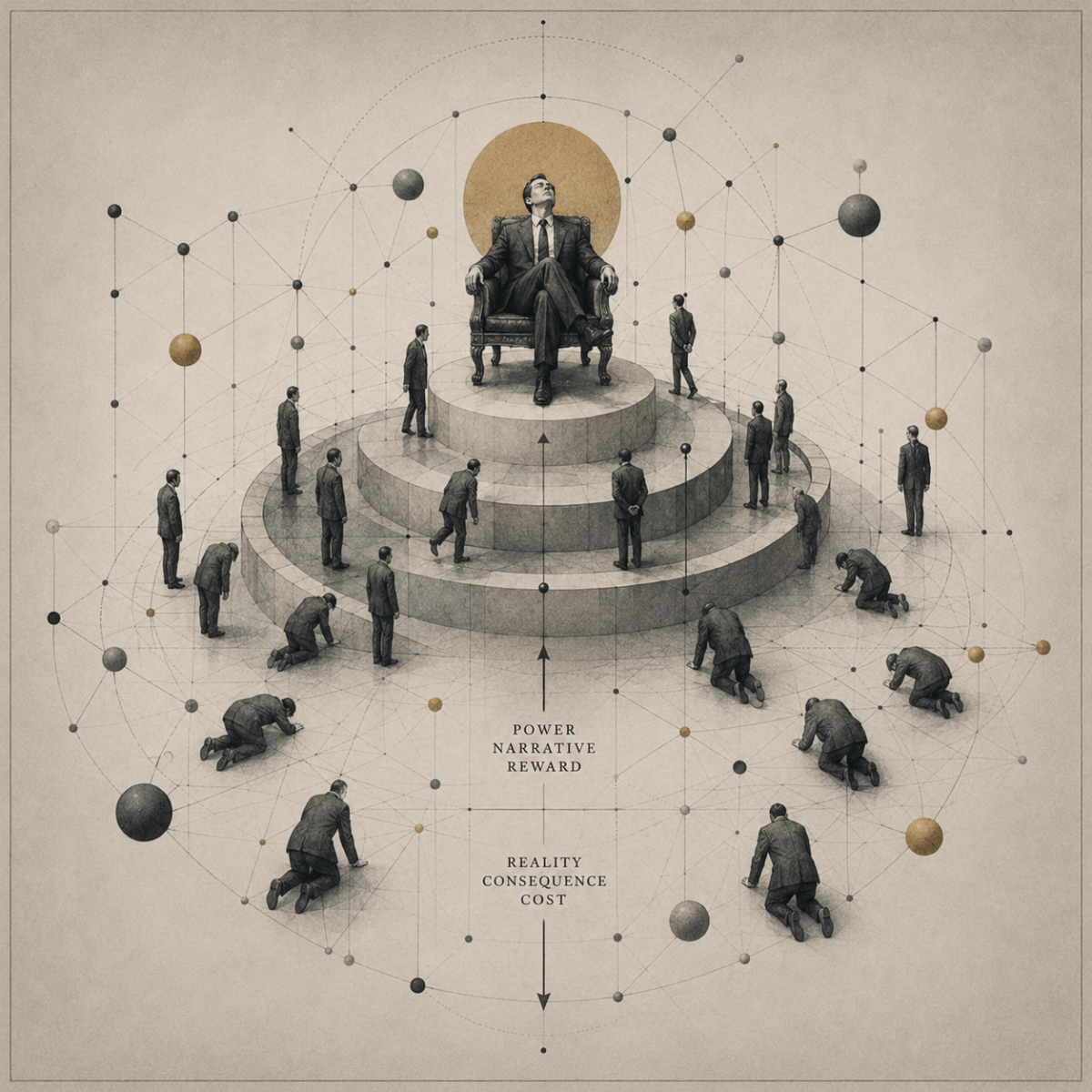
Extreme wealth is not independence. It is an unusually successful dependence upon everyone else.

Corruption begins when reward outpaces responsibility, reflecting the tendency of complex communication systems to abbreviate consequence and concentrate advantage.

Populists tell you they’re going to smash the system for your benefit. Funny how it still always seems to end with the rich getting richer, the government getting worse, and everyone else paying for the repairs.

A society overwhelmed by complexity eventually stops seeking explanations and starts seeking certainty; that is when political movements such as One Nation cease to be anomalies and become warnings.

The future will not be defined by any single party or leader. It will be defined by the widening gap between the complexity of the systems governing society and the increasingly simplified narratives through which society attempts to understand them
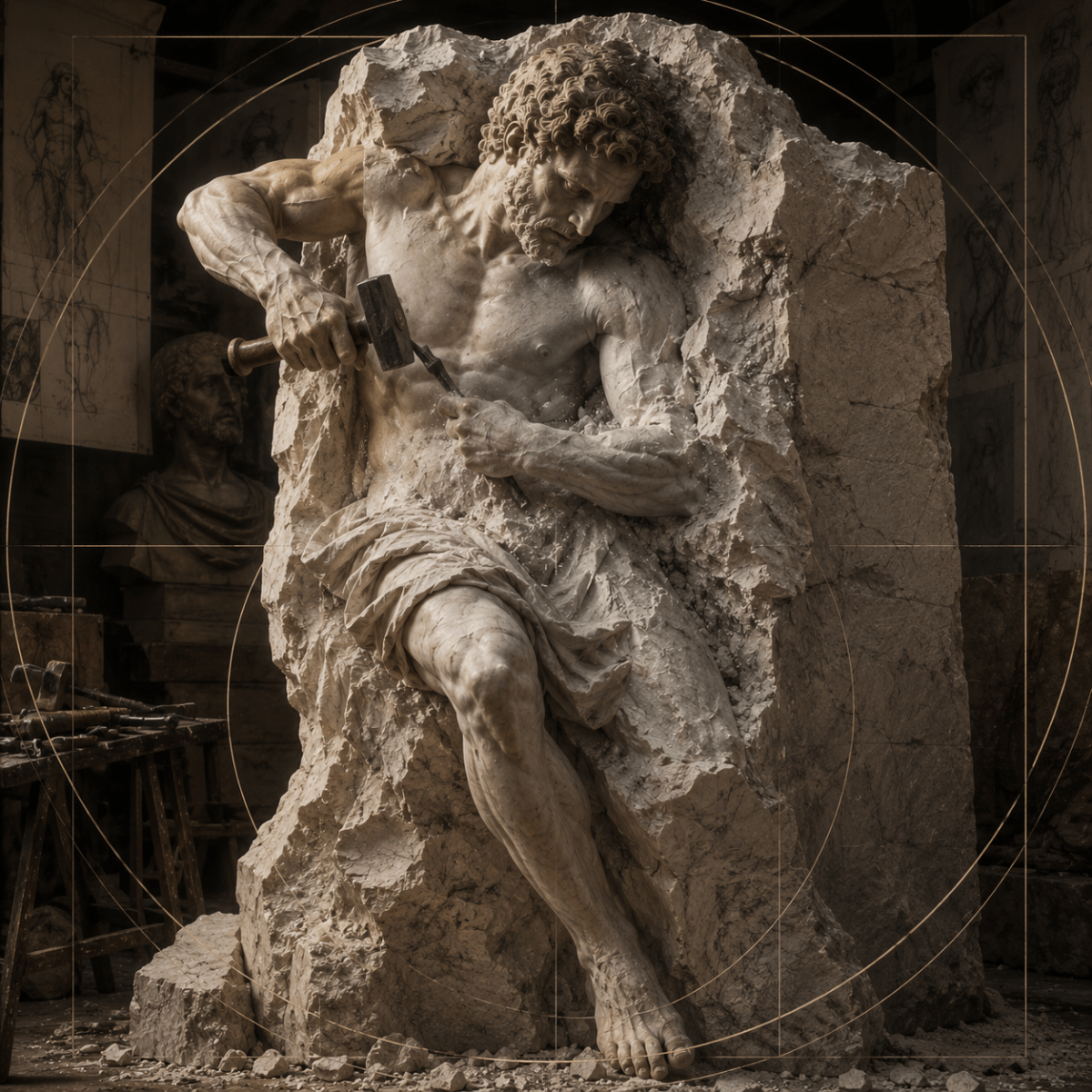
Corruption is not what happens when a healthy system breaks; it is what emerges when enough incentives, privileges, dependencies, and concentrations of power quietly align, turning private advantage into public infrastructure.

Large institutional systems do not merely maintain narratives about what they are doing or why they are doing it. They stabilise meta-procedures: how statements are produced, validated, circulated, and sanctioned, because at scale the reasons matter less than the repeatability of the process. These methods become the true object of protection because they allow coordination […]
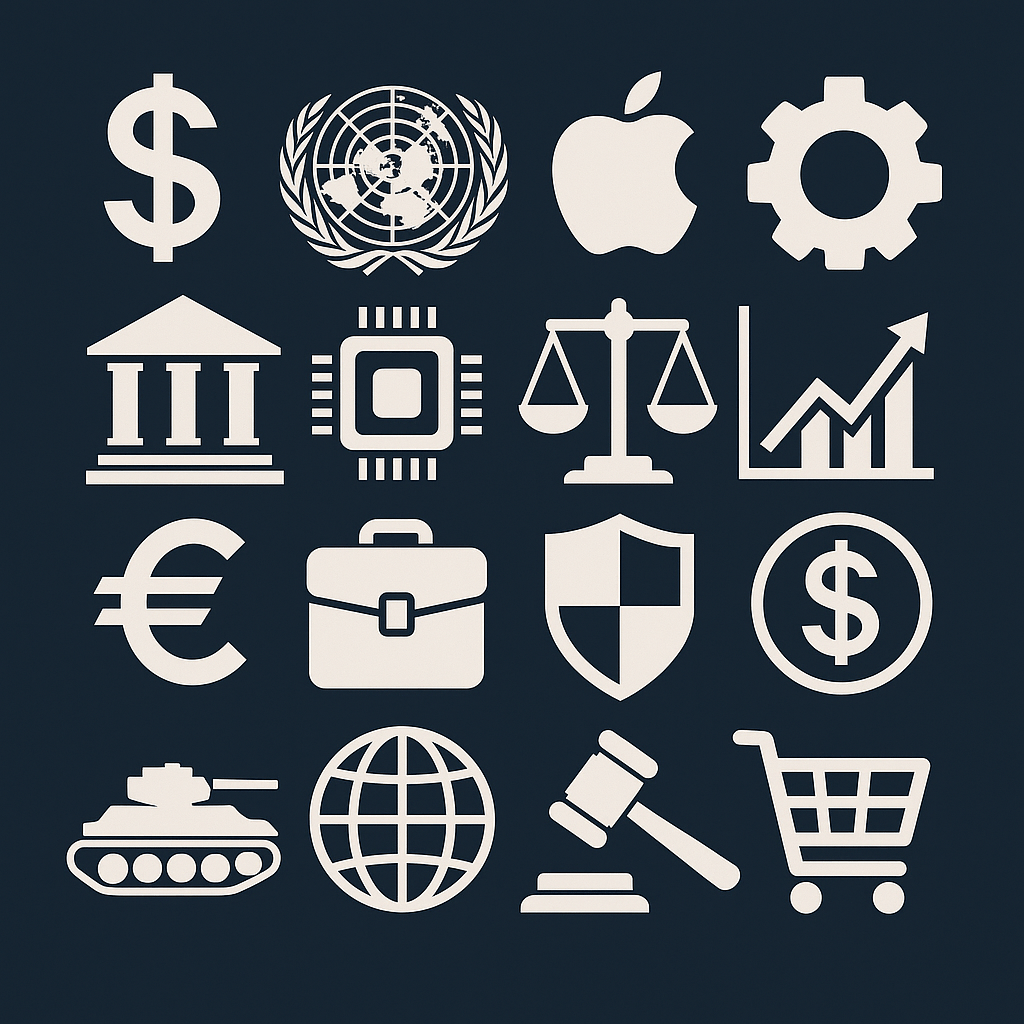
Extreme wealth is not just a larger version of ordinary success. Beyond a certain point, it becomes a structural feature of the systems that organise society itself. Modern civilisation runs on coordination: finance, law, technology, logistics, media, administration. These systems manage complexity by translating the world into symbols — money, data, metrics, legal categories. They […]

Power attracts projection. People excuse elite misconduct to preserve the illusion that dominance is earned rather than contingent, that wealth signals wisdom rather than the accumulated accidents of structure, timing, and luck. That projection is not merely psychological; it stabilises the system by protecting the myth that status reflects virtue. Predatory opportunism thrives in that […]
Have a WordPress.com account? Log in now.

