The madness of America is not an isolated national pathology. It reveals how communication synchronises ordinary human vulnerabilities, reproducing antagonism, institutional authority and collective irrationality.

The madness of America is not an isolated national pathology. It reveals how communication synchronises ordinary human vulnerabilities, reproducing antagonism, institutional authority and collective irrationality.

The current US President destabilised one of the most tightly coupled junctions on Earth, then seemed surprised when the consequences spread. The deeper problem is that political, ideological and socioeconomic systems often reproduce themselves through the disorder they create.

Every attempt to secure one part of the world changes the conditions of security for everyone else. Endlessly.
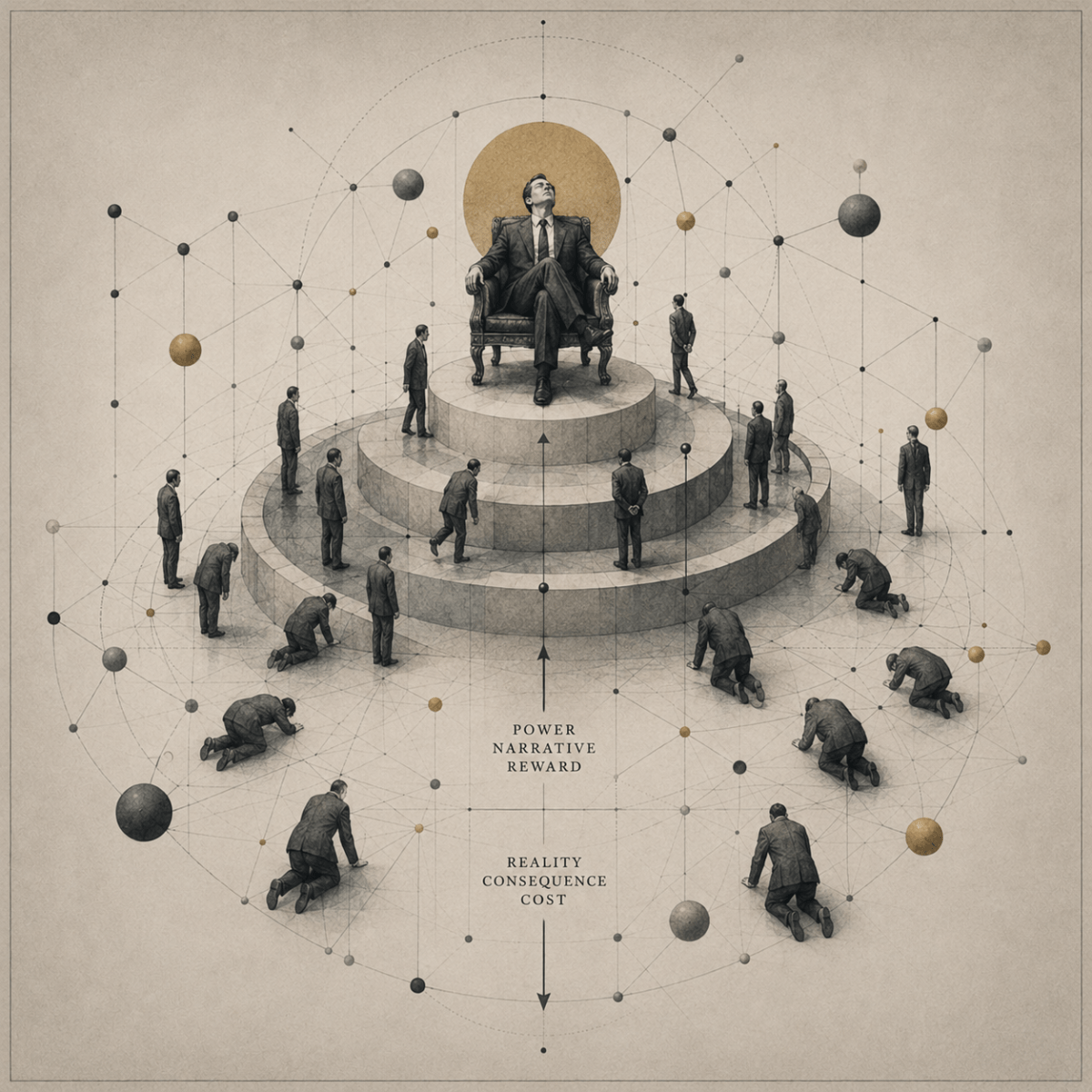
Extreme wealth is not independence. It is an unusually successful dependence upon everyone else.

Perceived importance is simply the output function of an ongoing game of organisational status hierarchy, social roleplay and meritocratic make-believe.

Every age reaches for old stories to explain new realities. The irony is that most stories survive not because (or even if) they are true, but because they are easy to transmit, to remember, to tell.
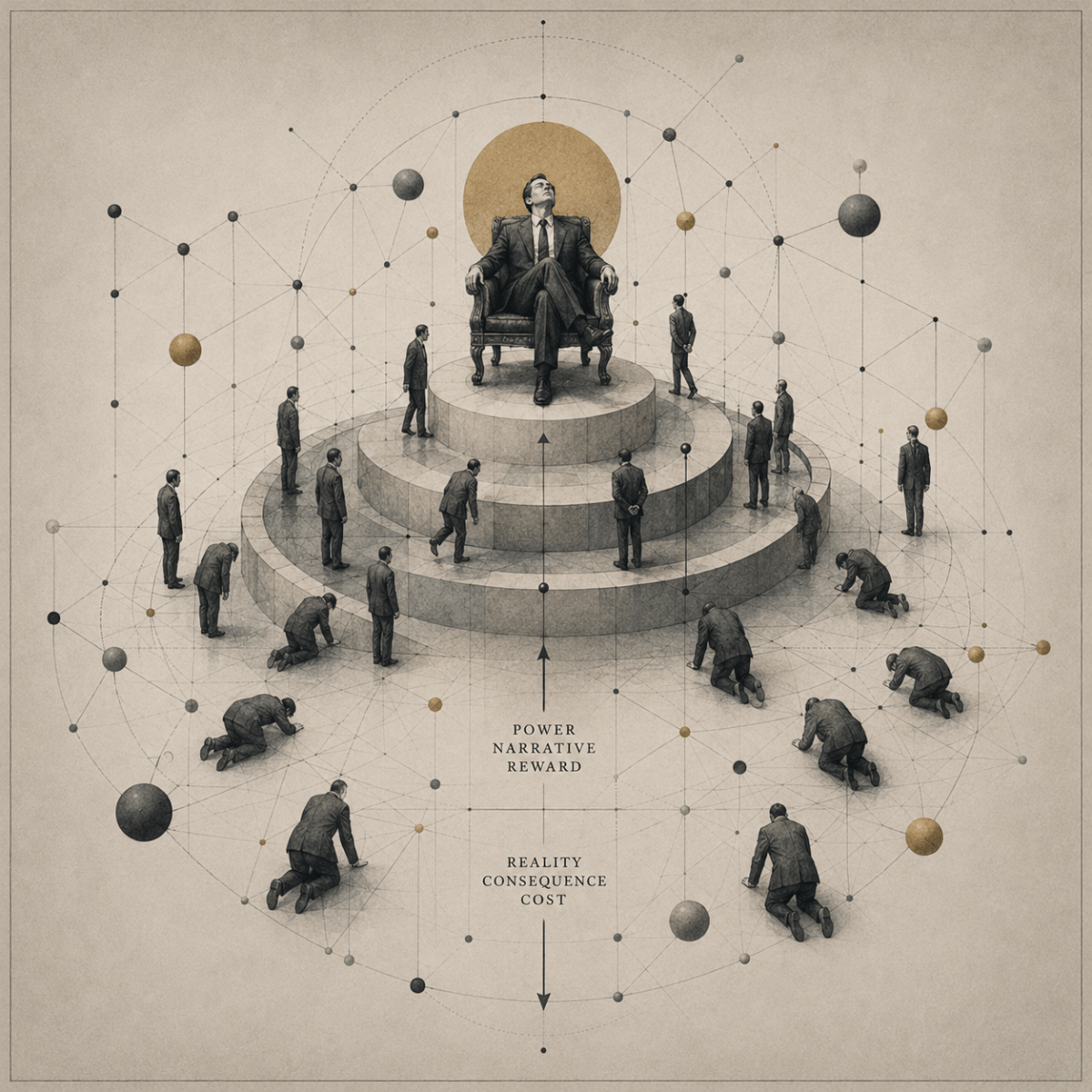
Neurotic bureaucracies do not resist autocracy; they often rehearse for it.

This is how a system built to produce knowledge becomes a system for reproducing the conditions under which its existing knowledge remains authoritative.
When organisations confuse confidence with competence, wealth with wisdom, and power with understanding, incompetence is no longer simply a failure of leadership but becomes one of its preferred production methods.
Have a WordPress.com account? Log in now.

