The scale of the consequences has changed while the competitive selection tests for authority remain embarrassingly small.

The scale of the consequences has changed while the competitive selection tests for authority remain embarrassingly small.
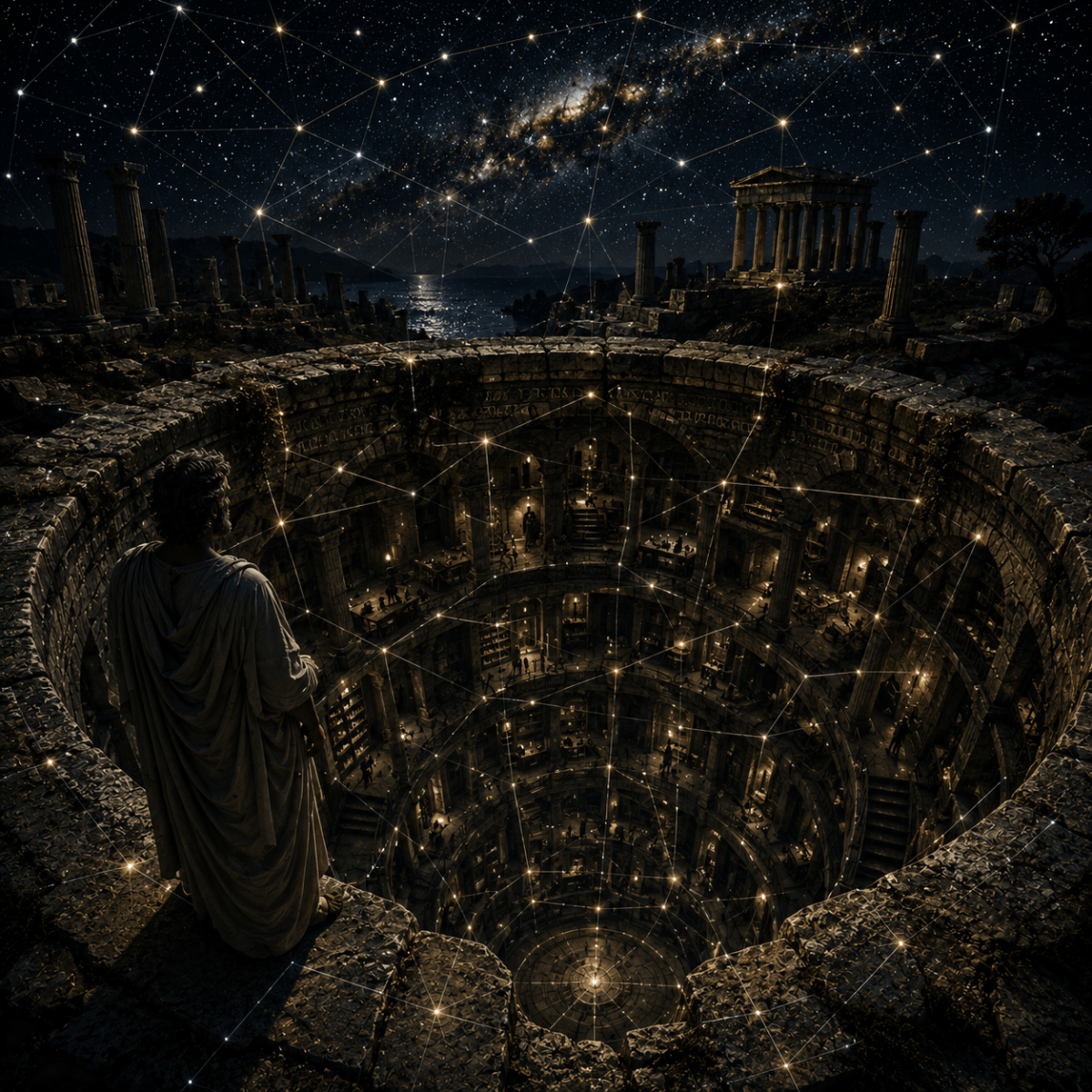
Institutions study the world remarkably well. The harder problem is that the world they are studying is also inside the building, and there is no position outside the system from which that entanglement simply disappears.

The machinery does not need to fail. It only needs to keep working in ways that make more of itself necessary.

Civilisations persist by continually reorganising themselves. The unanswered question is whether conflict, crisis and systemic collapse/renewal remain the principal means through which that persistence is achieved.

The most important pattern in modern society is the one almost nobody is looking for.
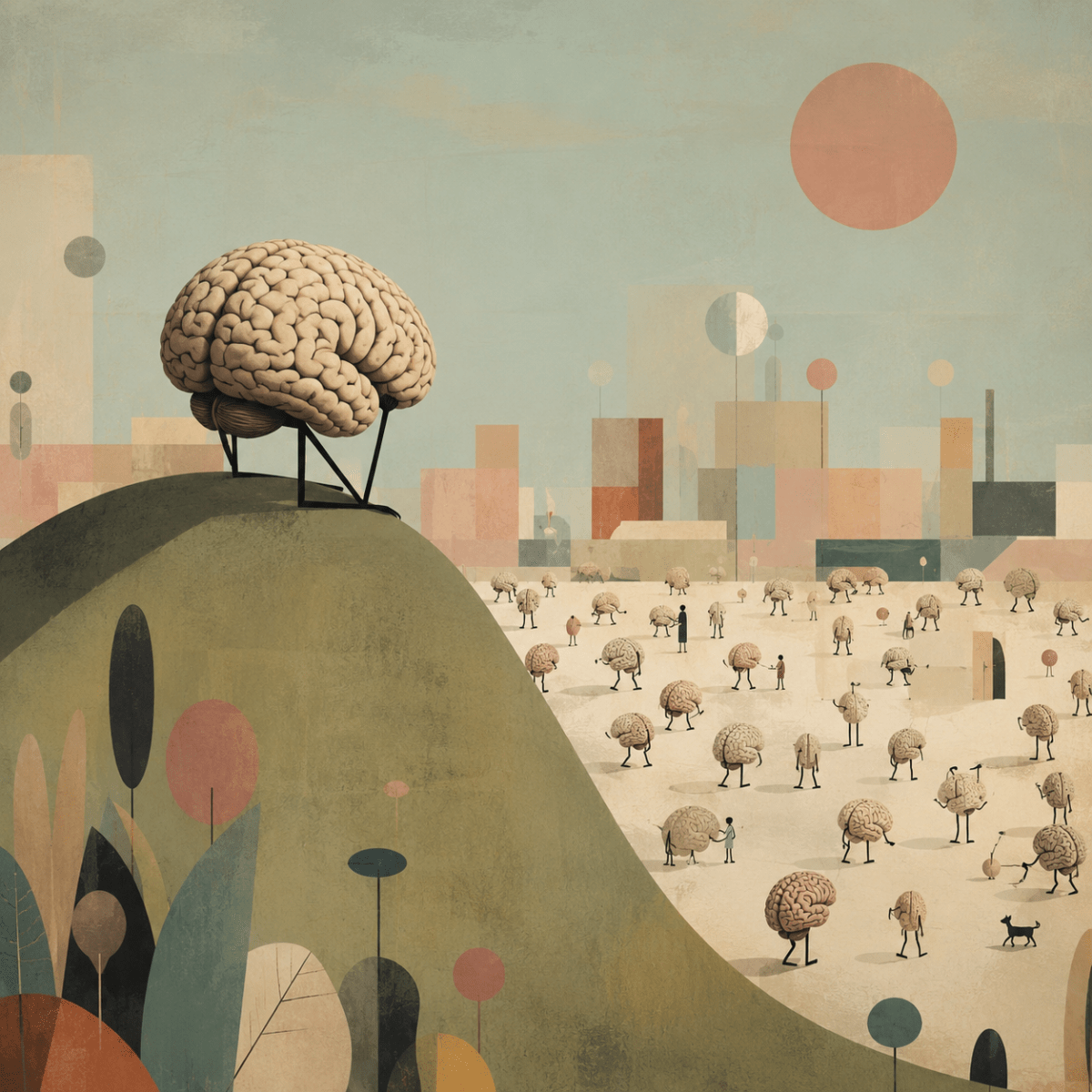
Political science inherits the person from philosophy without explaining it.

Every age reaches for old stories to explain new realities. The irony is that most stories survive not because (or even if) they are true, but because they are easy to transmit, to remember, to tell.
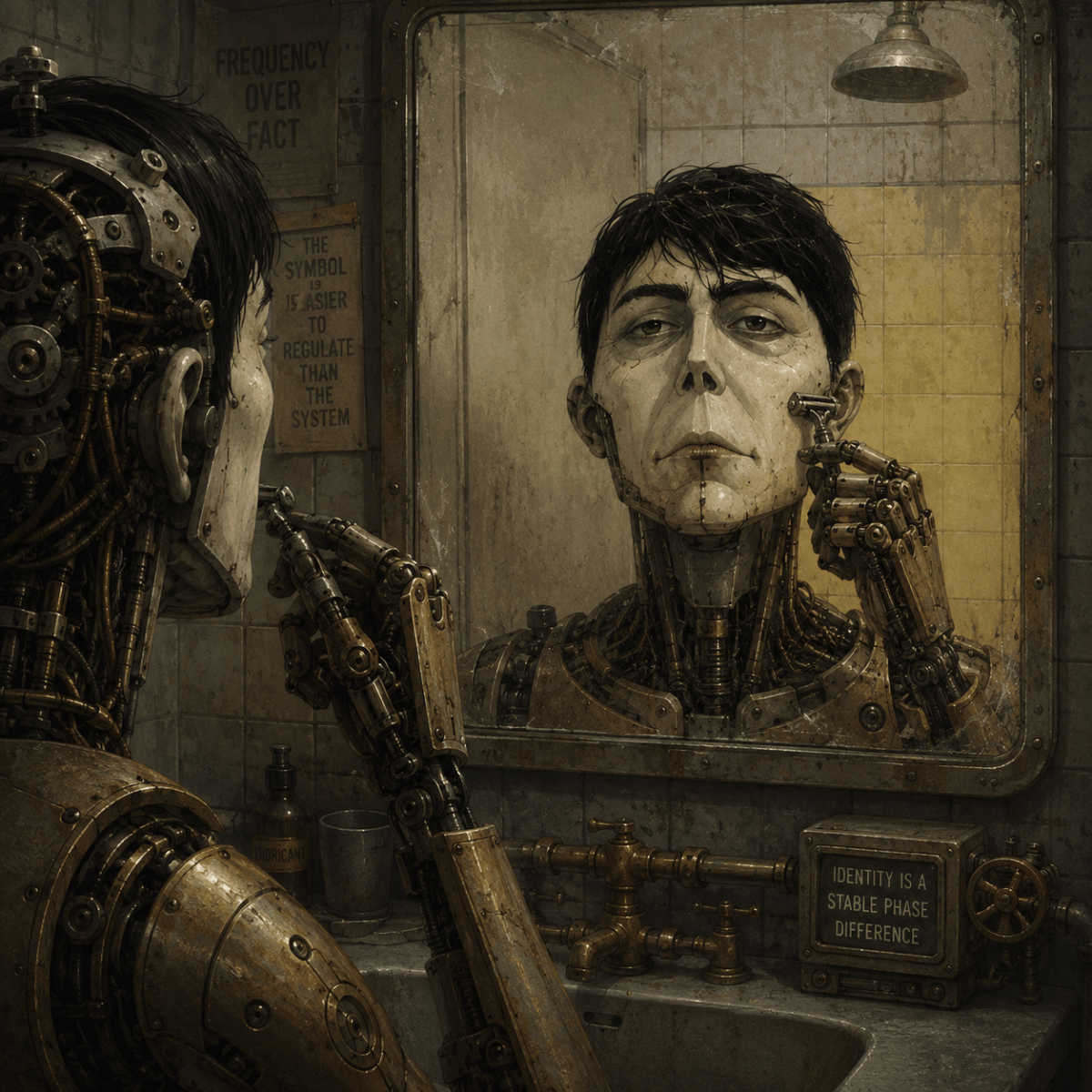
Disaffection is not giving up. It is what happens when you can no longer see yourself in the world that helped create you.
There is no final closure. No permanent certainty. No government that fixes everything forever. There are only systems that adapt well and systems that adapt badly.
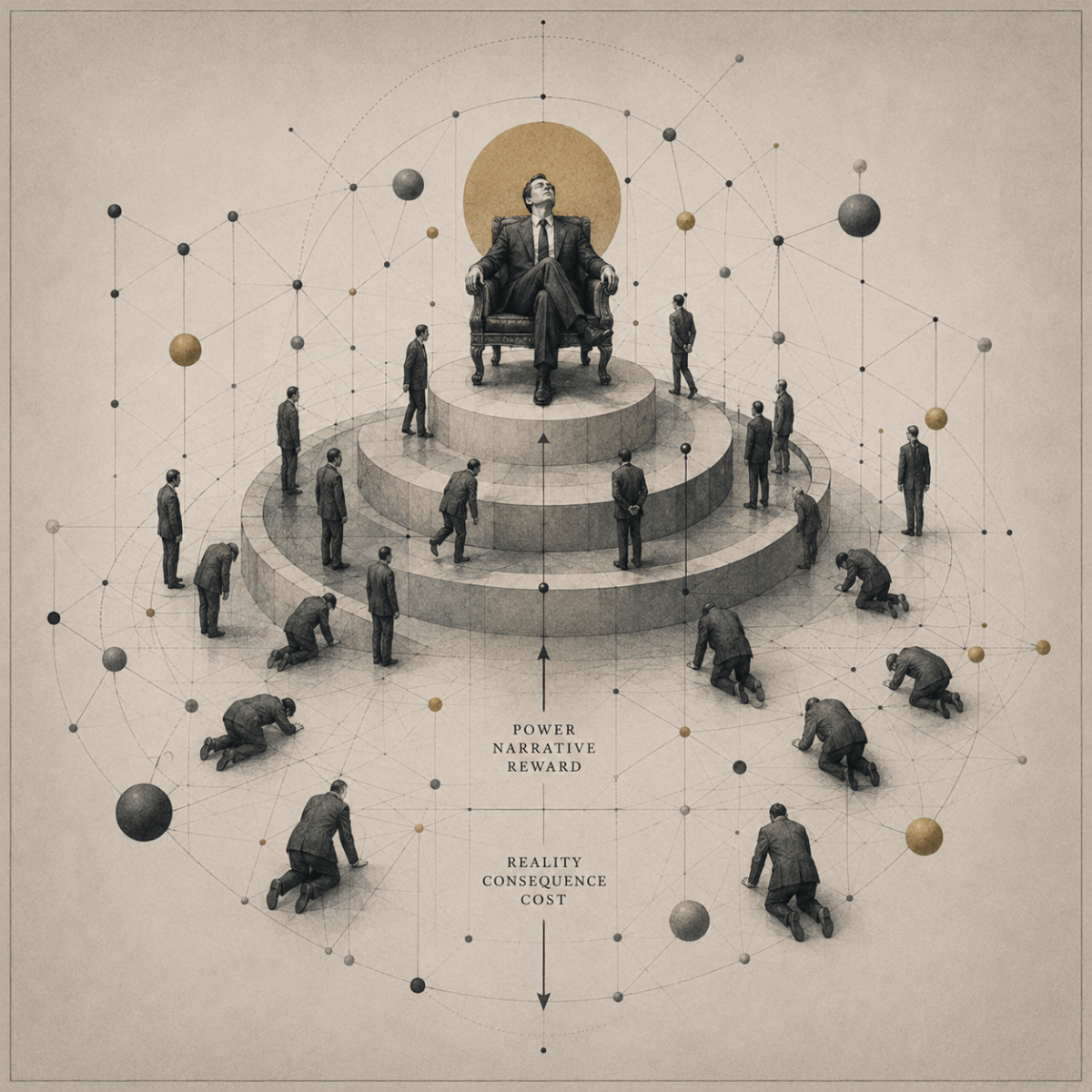
Neurotic bureaucracies do not resist autocracy; they often rehearse for it.

Populists tell you they’re going to smash the system for your benefit. Funny how it still always seems to end with the rich getting richer, the government getting worse, and everyone else paying for the repairs.
Science has not stopped discovering reality. We have become less capable of surviving what those discoveries imply about ourselves.
Have a WordPress.com account? Log in now.

