Extreme wealth preserves its own stability by shifting costs onto everyone else. Captain Fractal explores why even billionaires cannot escape the physics of their own existence.

Extreme wealth preserves its own stability by shifting costs onto everyone else. Captain Fractal explores why even billionaires cannot escape the physics of their own existence.
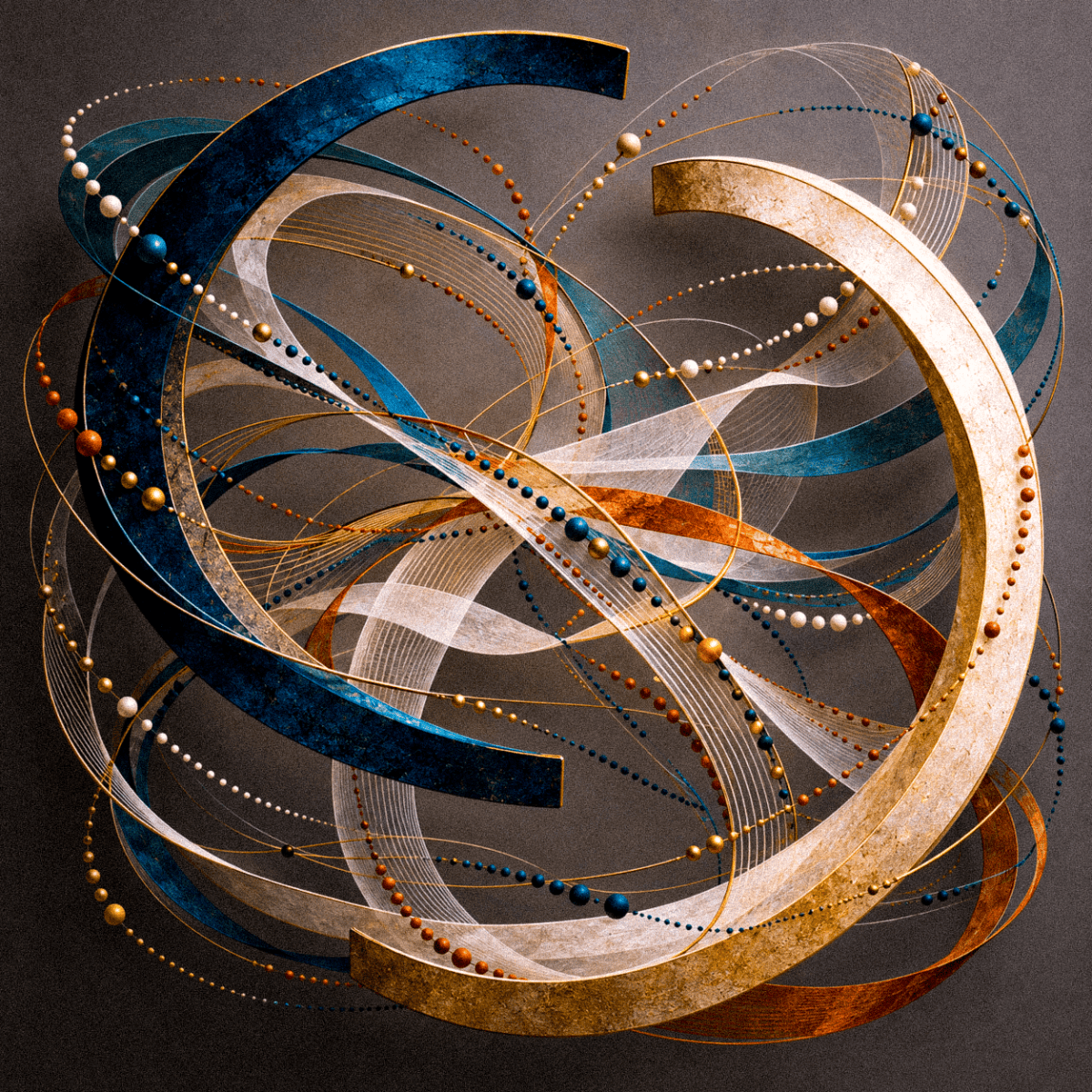
A society sustains peace through care, difference and collective intelligence, organising its institutions to preserve life, enable participation and adapt to changing circumstances.
Education stabilises knowledge long enough to transmit it, even as the machinery through which knowledge is produced and interpreted accelerates the movement of the epistemic attractor itself.

The current US President destabilised one of the most tightly coupled junctions on Earth, then seemed surprised when the consequences spread. The deeper problem is that political, ideological and socioeconomic systems often reproduce themselves through the disorder they create.
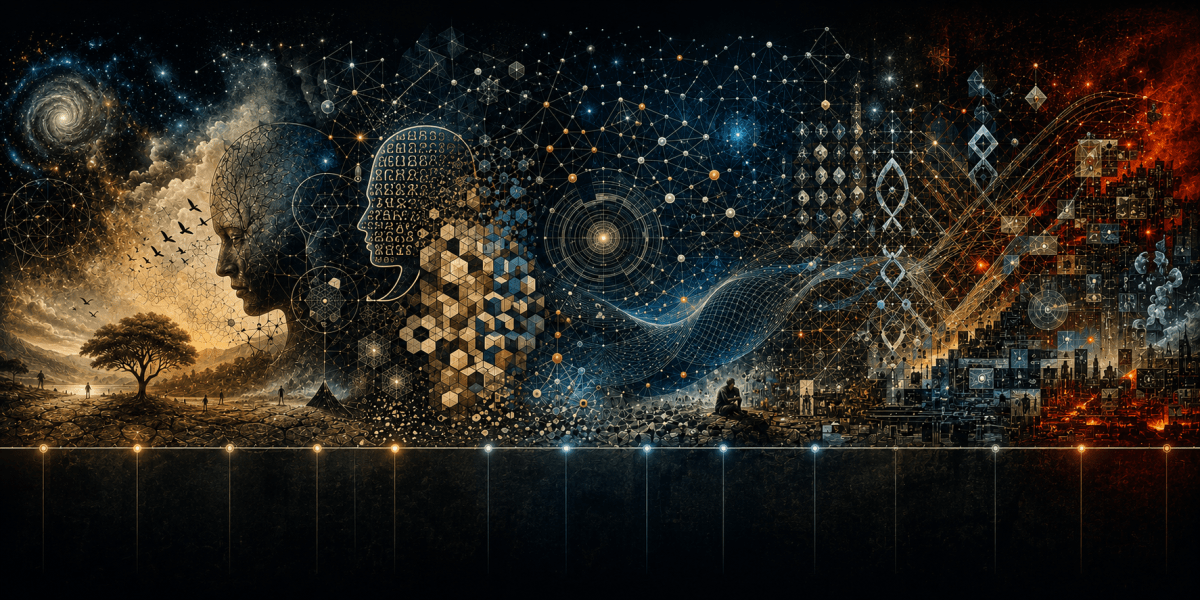
Exploring how relation and difference generate the structures we experience as reality.

Absence is not a flaw in the structure. Absence is the engine.
Field logic describes the recursively antisymmetrical organisation of difference by which systems continually reshape the probability of their own continuity.

Can the relationships supporting ordinary life continue to reproduce themselves under increasingly rapid change?
Applied Field Logic functions as a general analytical framework through which organisational regularities become comparable across otherwise unrelated domains. Advanced cybernetics.

Every age reaches for old stories to explain new realities. The irony is that most stories survive not because (or even if) they are true, but because they are easy to transmit, to remember, to tell.

Wealth is usually treated as evidence that society is working. But extreme accumulation may also reveal something stranger: a system increasingly organised around preserving wealth, whether or not that preservation still serves the world around it.
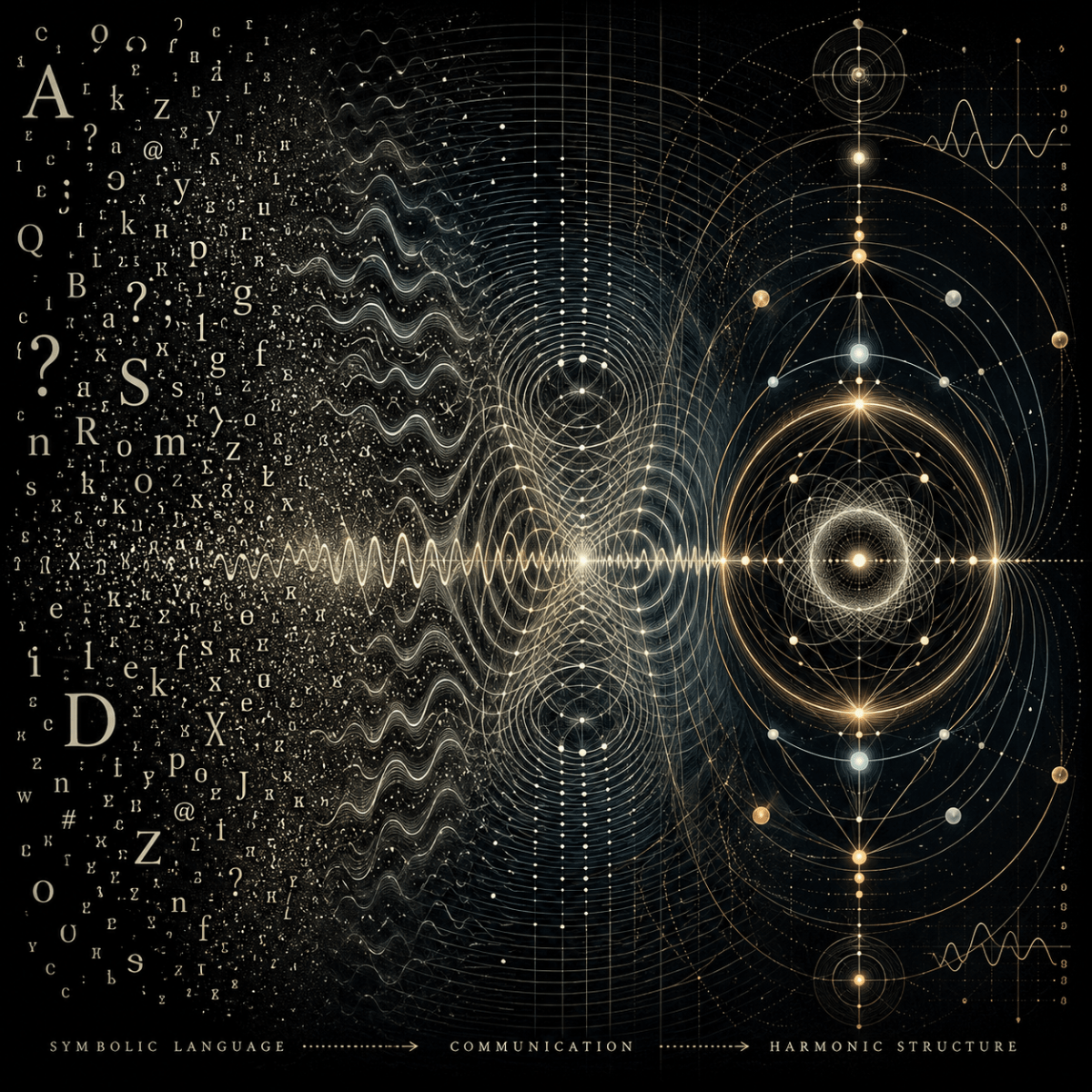
Systems do not merely occupy space. They persist through timing, resonance, and the self-organising rhythms that sustain differential complexity.
Have a WordPress.com account? Log in now.

