Civilisation has made its own destruction so profitable that its survival now constitutes a threat to the economy.
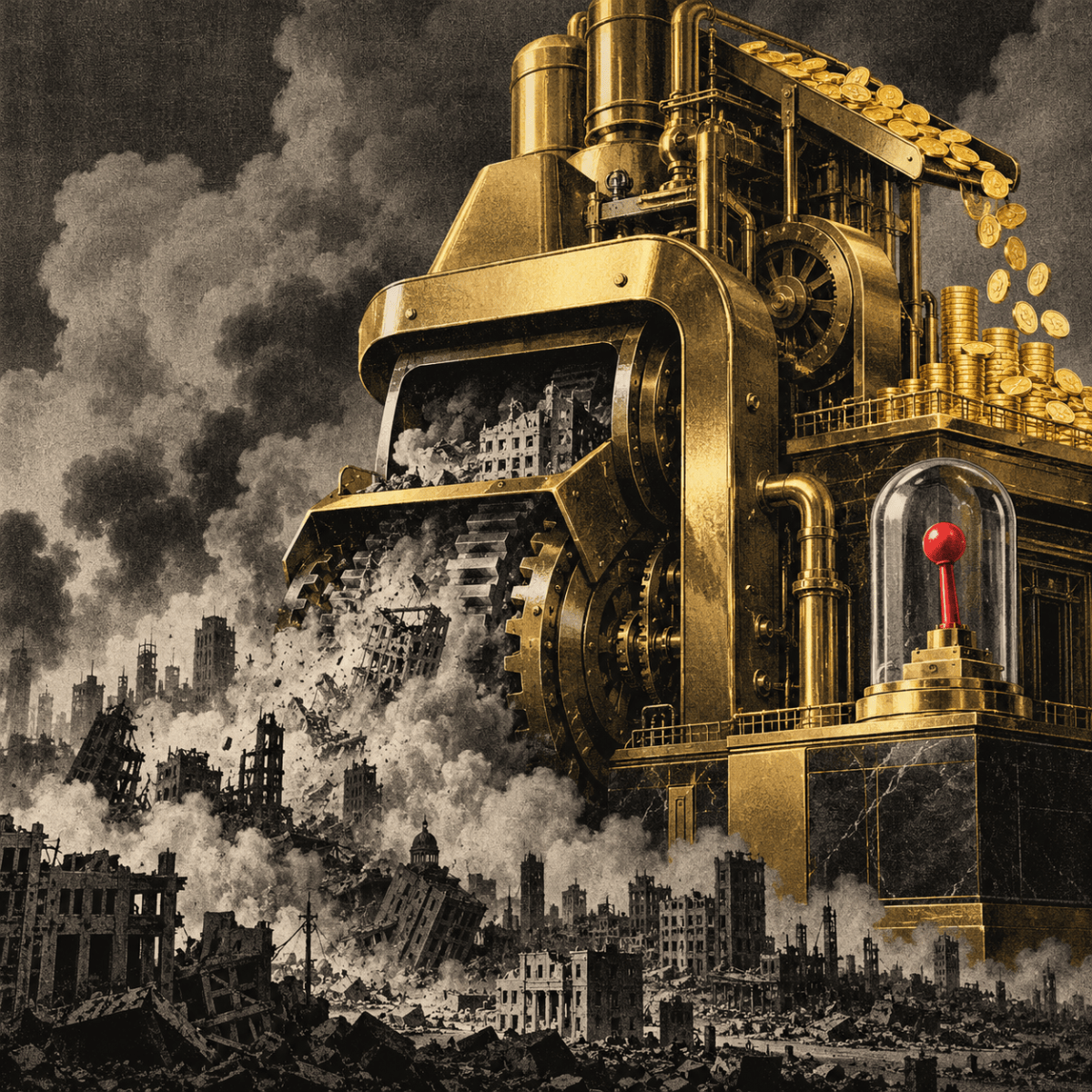
Civilisation has made its own destruction so profitable that its survival now constitutes a threat to the economy.

Our political and commercial systems profit from the crises they perpetuate, rendering meaningful dissent unintelligible and civilisational failure commercially indispensable.
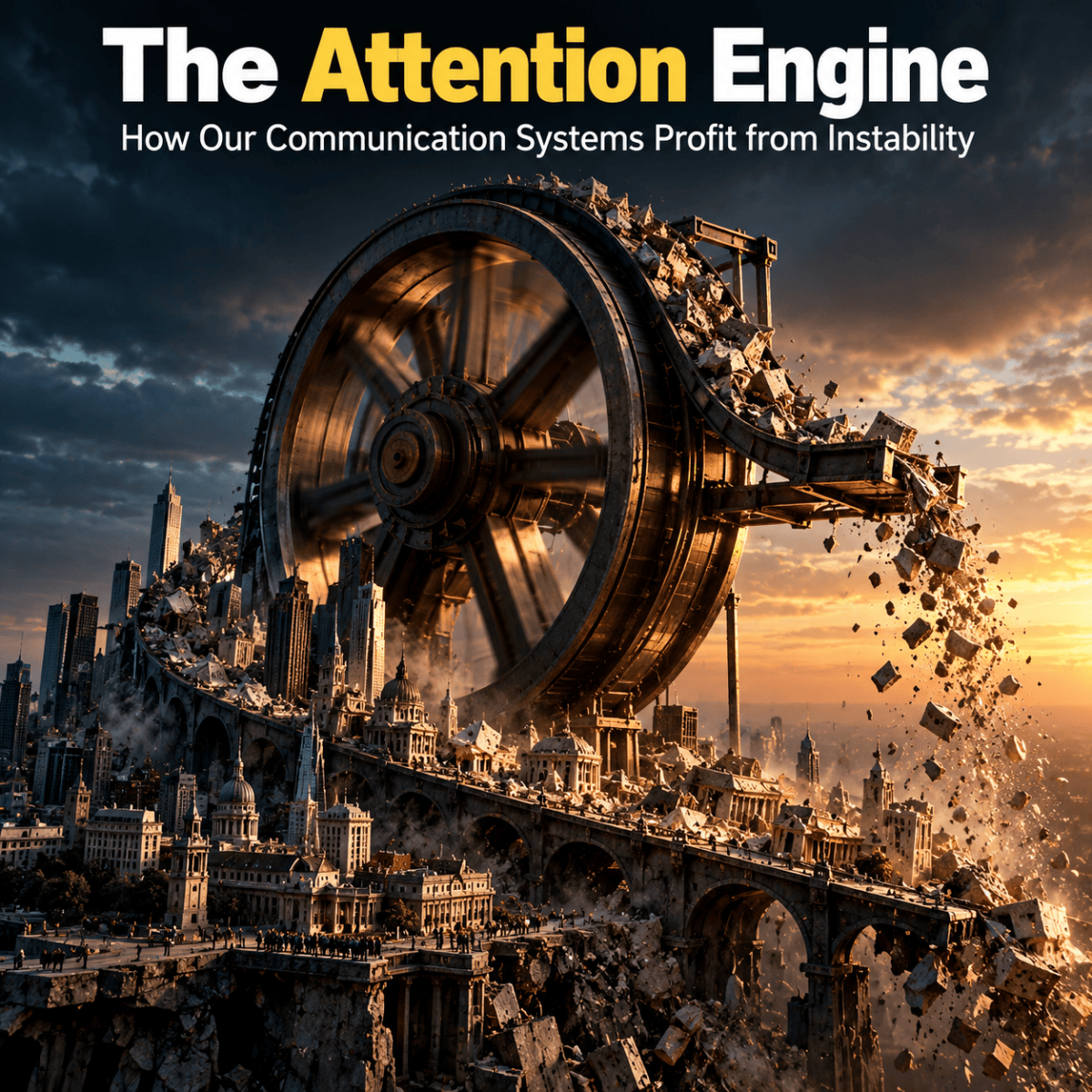
Civilisations have collapsed before. What distinguishes ours is a communications economy that profits from accelerating the disturbances society must then struggle to absorb. The danger lies in a recursive feedback system that rewards instability while transferring its consequences to everyone else.
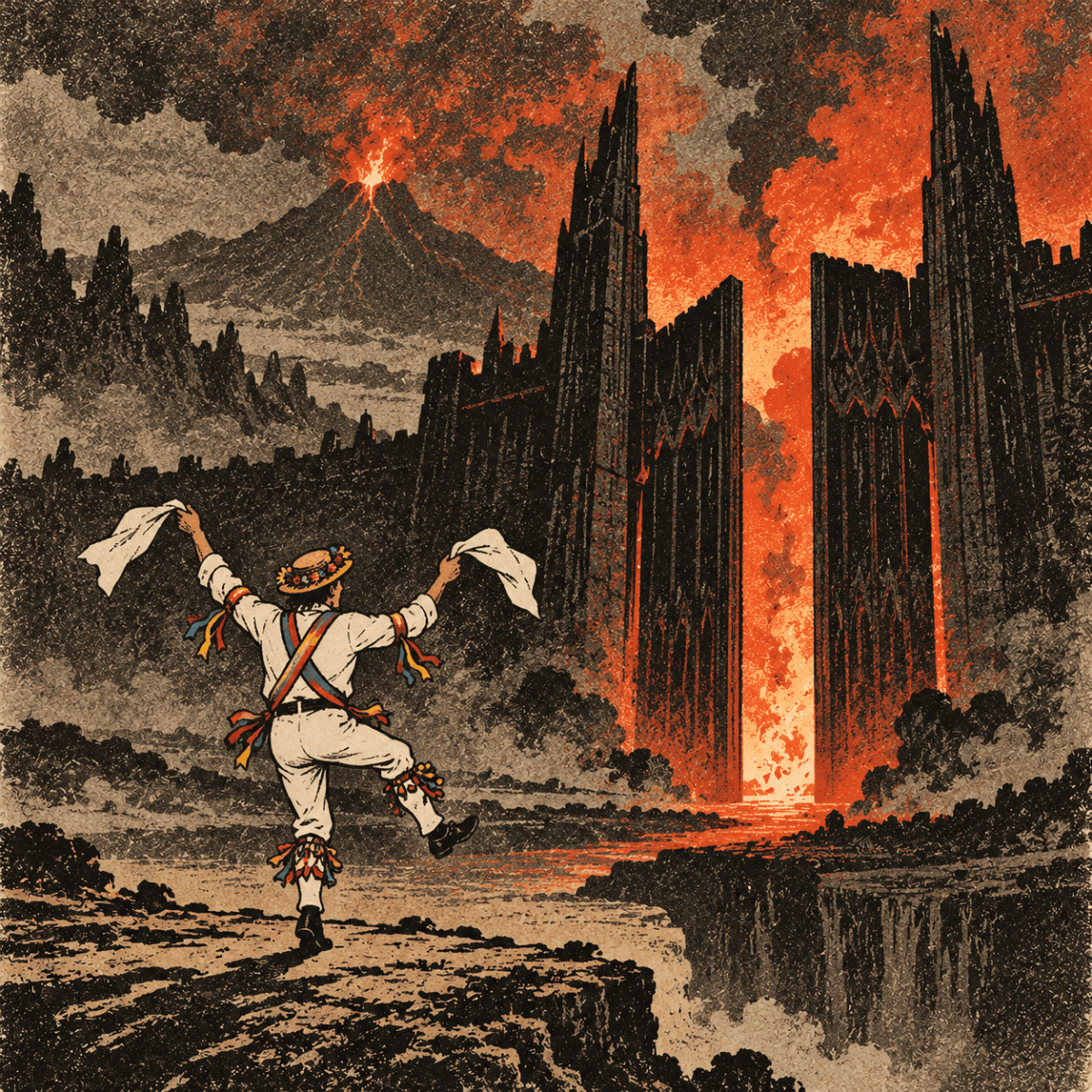
As the world approaches catastrophic conflict, wealth and power remain invested in preserving the arrangements driving instability. Asking for peace has become almost absurd, while preparing for destruction is considered perfectly sensible.
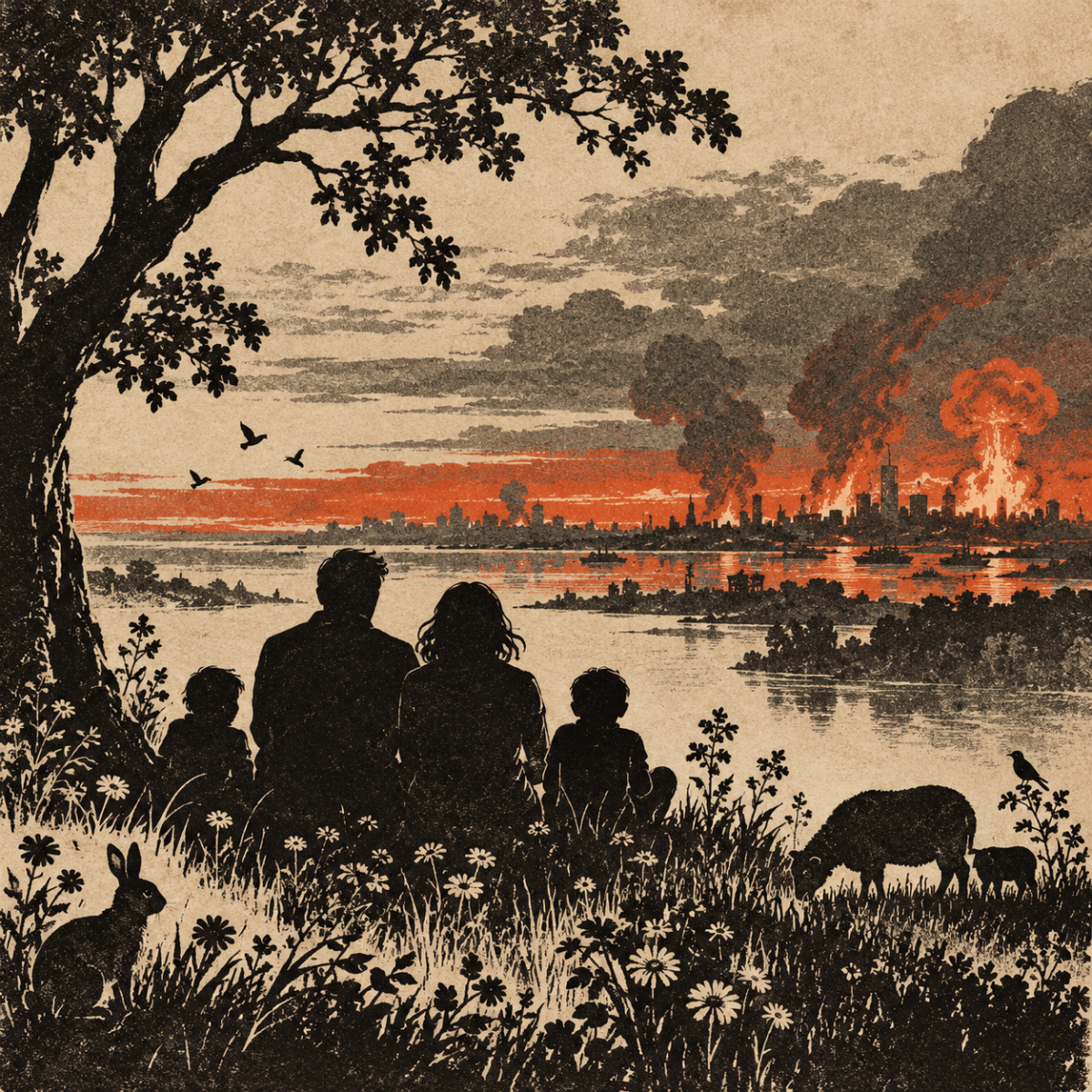
We have spent billions of years becoming what we are, yet our political and economic systems increasingly reward the destruction of the complex relationships that sustain us. What we stand to lose is beyond calculation, and the tragedy is how unnecessary so much of it is.

Billions of years of planetary evolution, and here we are, contemplating our own self-destruction, along with much of the living world, in pursuit of wealth, power and other elaborate fictions we have mistaken for necessities.
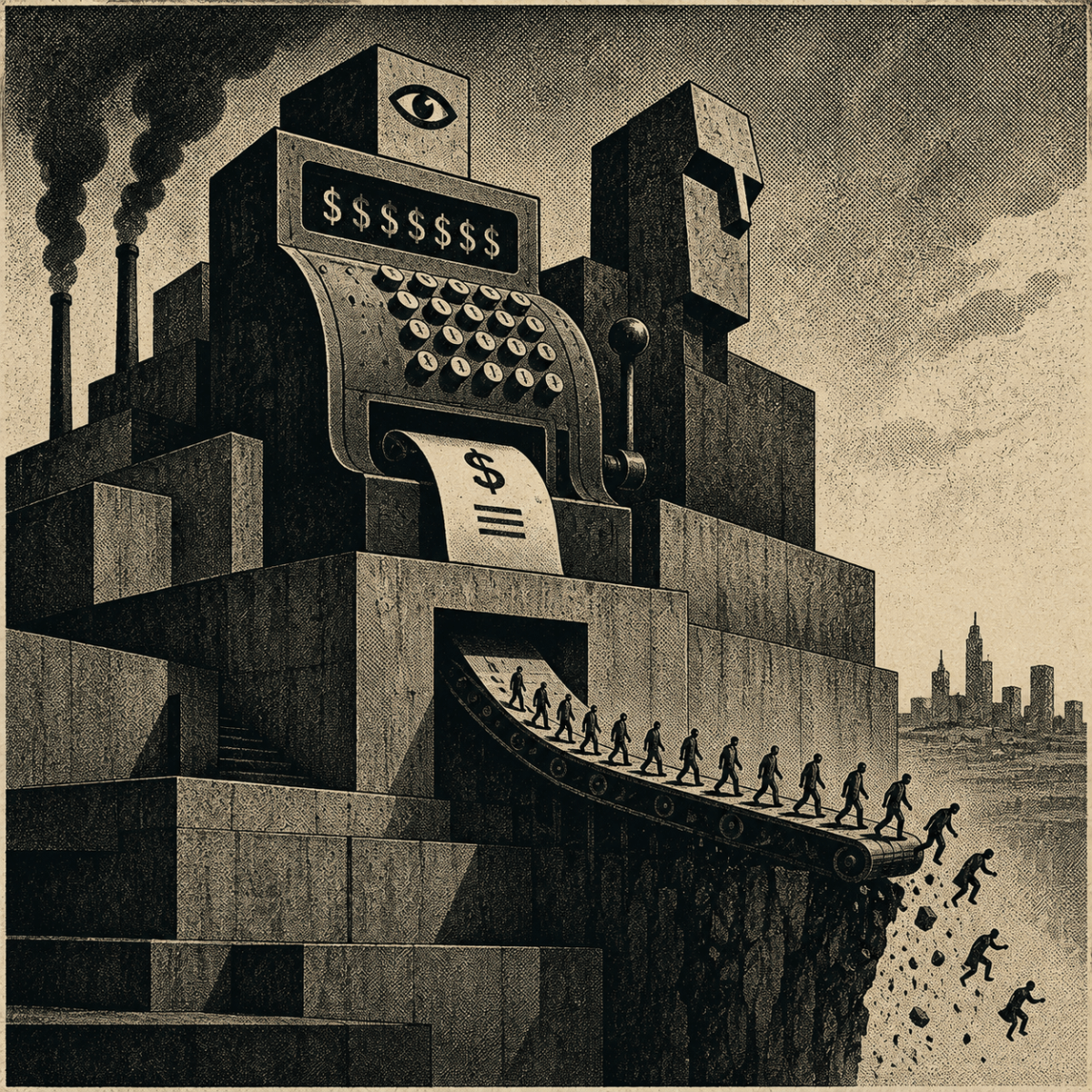
A civilisation organised around limitless acquisition on a finite planet turns systemic collapse into a KPI.
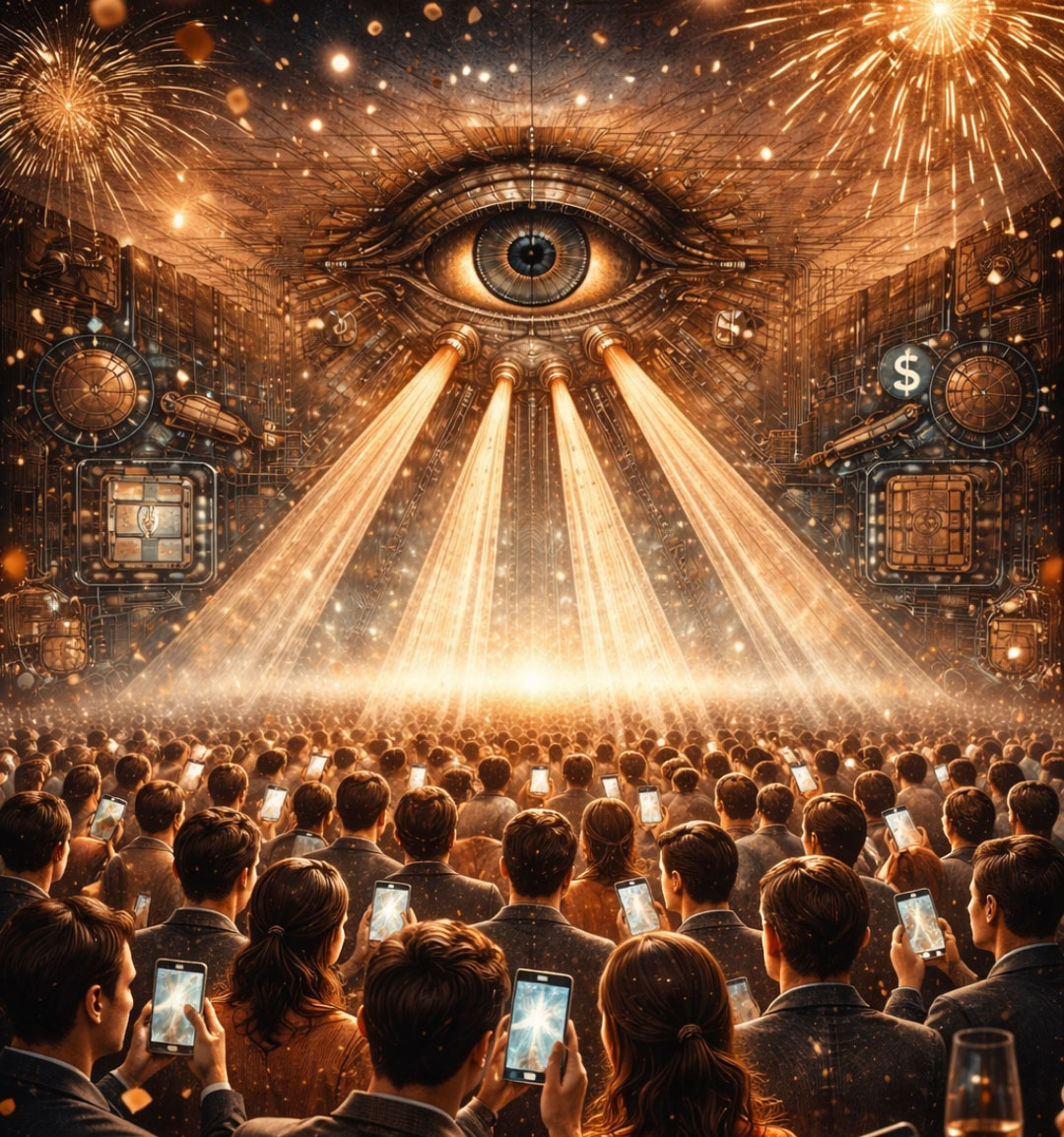
We are likely worrying about the wrong thing. The danger is not that AI amplifies stupidity, volatility, selfishness, or ideological corruption. The danger is the speed of that amplification, the smoothness with which it integrates into ordinary life, and the ease with which this acceleration is framed as inevitable. It is not inevitable. But velocity […]
Have a WordPress.com account? Log in now.

